
Your Speedometer Says 65 MPH, but Your GPS Says 62 — Here’s Why Your Car Does That
Your speedometer reads 65 mph, but your GPS says 62 mph. Here’s why the numbers rarely match.
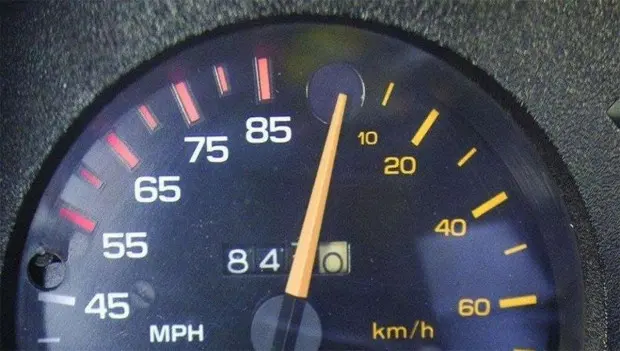
You’re driving at the posted speed limit, and your speedometer reads 65 mph. Then you check your GPS navigation app, and it shows just 62 mph. This difference is common across vehicles of different makes and ages, and it doesn’t necessarily mean anything is wrong with your dashboard.
The main reason comes down to the rules automakers must follow when calibrating speedometers. Manufacturers have to account for testing requirements, measurement tolerances, and the conditions vehicles encounter on the road.
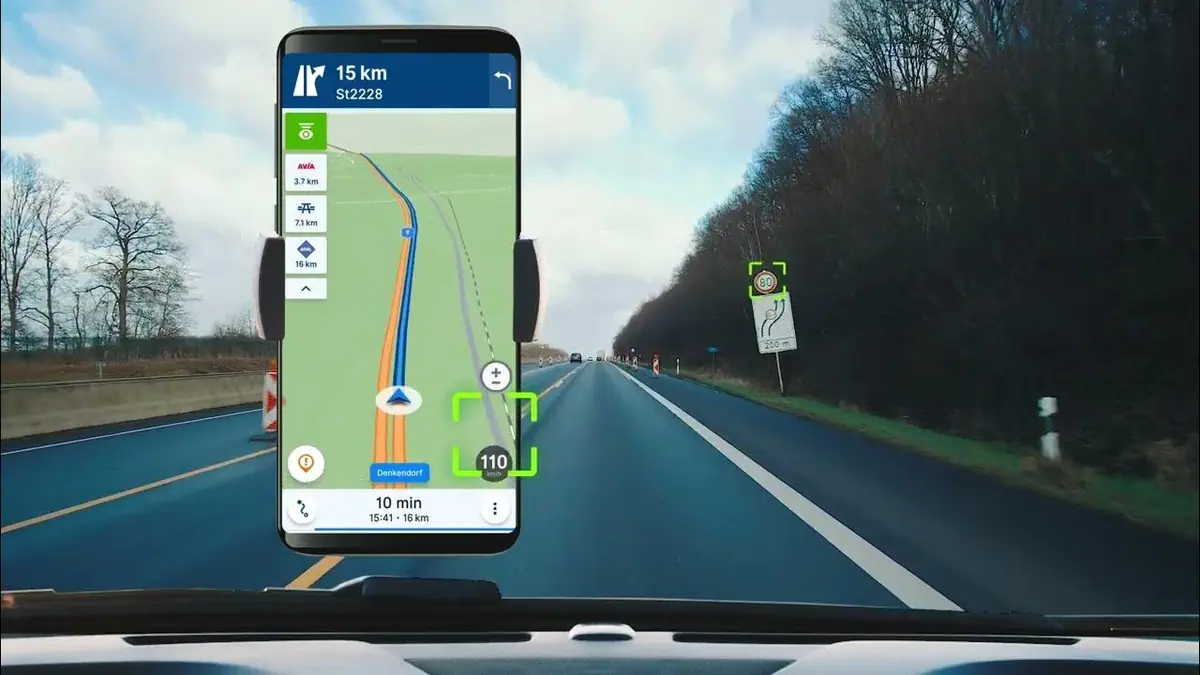
One relevant standard is UN Regulation No. 39, which covers speedometers and odometers. Under specified test conditions, a speedometer must not display a speed lower than the vehicle’s actual speed. The permitted overreading is calculated using a formula: the indicated speed cannot exceed the actual speed by more than 10% plus 2.5 mph.
For example, if a car is actually traveling at 62 mph, the formula allows a speedometer reading as high as approximately 71 mph during testing. That is the upper limit permitted by the standard, not a recommendation that automakers should calibrate their speedometers to read that high.
In everyday driving, the gap is usually much smaller. A speedometer displaying 65 mph may correspond to a GPS reading of around 62 mph.
How Tire Size Affects Your Speedometer
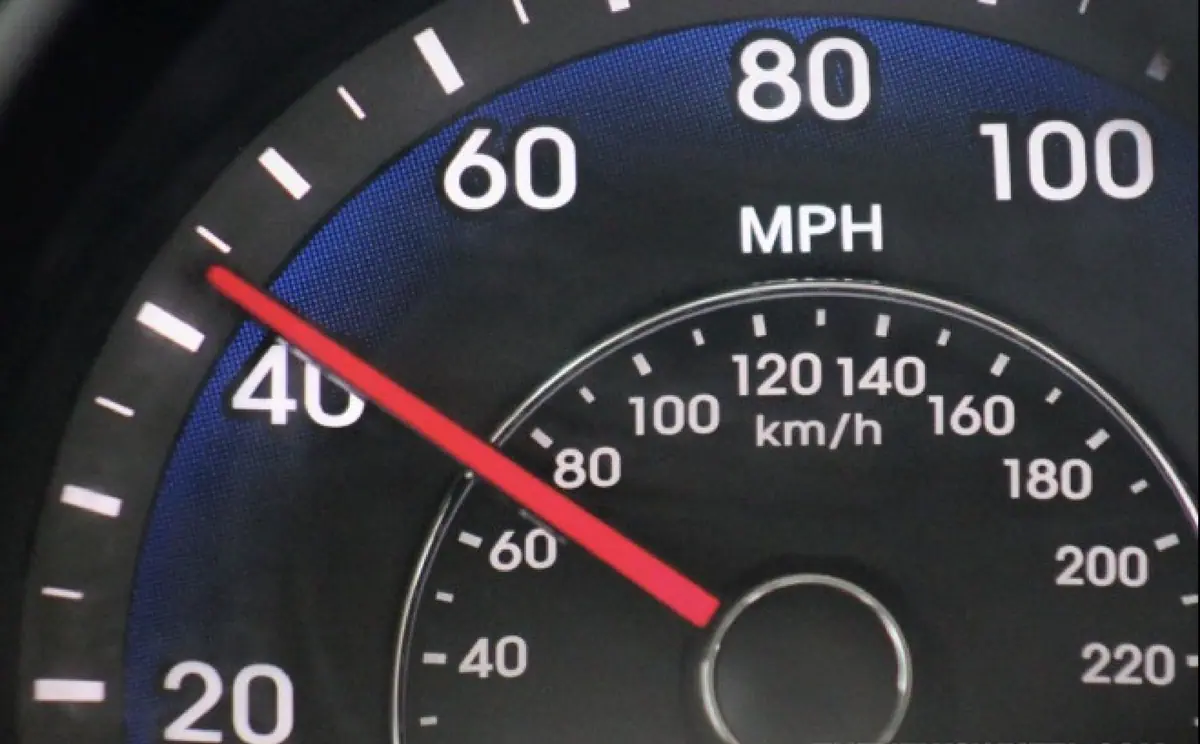
Tire size can also influence speedometer accuracy. A vehicle’s electronic systems calculate speed using signals from wheel-speed sensors or other drivetrain components, relying on specifications established by the manufacturer.
If the tires have a different overall diameter from the factory specification, they cover a different distance with each rotation. As a result, the speed calculated by the vehicle’s systems may no longer match its actual speed.
Tire pressure, vehicle load, and tread wear can also affect the relationship between indicated and actual speed. In most cases, however, their individual effects on the difference are relatively small.
Can You Trust Your GPS Speed Reading?
GPS navigation apps can provide a useful comparison, but they aren’t guaranteed to show the exact speed at every moment.
Accuracy depends on satellite reception, how frequently the device updates its position, and the time needed to process the data. In tunnels, among tall buildings, or during rapid acceleration and deceleration, GPS speed readings may lag behind the vehicle’s actual speed or become less accurate.
That means neither display should be treated as infallible under every driving condition.
Which Speed Should You Follow?
The safest approach is to stay within the posted speed limit without trying to use the difference between your speedometer and GPS as extra room to speed.
A speedometer may read higher than the vehicle’s actual speed, while a GPS reading can fluctuate or lag. Rather than attempting to drive as close as possible to the speed limit based on a navigation app, use your dashboard reading as a conservative guide and maintain a speed appropriate for the road and conditions.
You may also be interested in the news:

Two Ferrari F40s Spotted on Google Maps Turn Out to Be Pontiac Fiero Replicas
Two Ferrari F40 lookalikes spotted on Google Maps in Spain turned out to be replicas built on an American sports car.
“Are You Sure It’s Chinese?” Who Really Builds China’s Car Engines
Who Really Develops China’s Car Engines?
Why Experienced Drivers Still Warn Against Buying a Used Car With a CVT
CVTs offer smooth acceleration and good fuel economy, but expensive repairs and durability concerns make used models risky.
Hidden Key Fob Trick: Open All Your Car Windows With One Button
An auto mechanic explains how drivers can remotely open and close car windows using a key fob, provided the vehicle has the right hardware.
8 Car Maintenance Mistakes That Could Cost You Thousands if You Wait Too Long
Depending on driving conditions, some maintenance tasks may need to be performed sooner and more often than the automaker recommends.