
The Language of the Road: Which Hand Signals Do American Drivers Still Understand?
Traditional driving hand signals are fading from American roads, but a few old gestures can still help drivers avoid trouble.
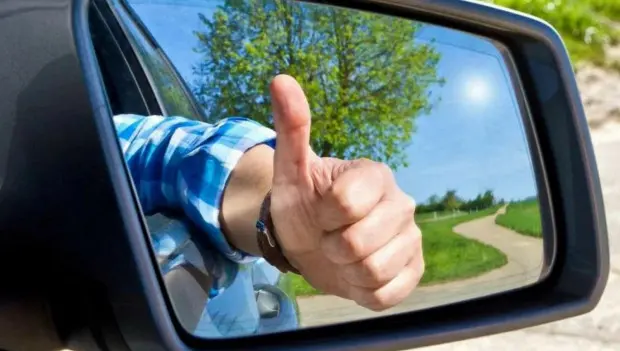
On American roads, drivers rarely lean out their windows to wave their hands around or make exaggerated gestures to get someone else's attention. The old language of road signals, once familiar to generations of motorists, is slowly disappearing. Still, a few gestures remain useful. The catch is that some are part of official traffic rules, while others are informal signals that not every driver will recognize.
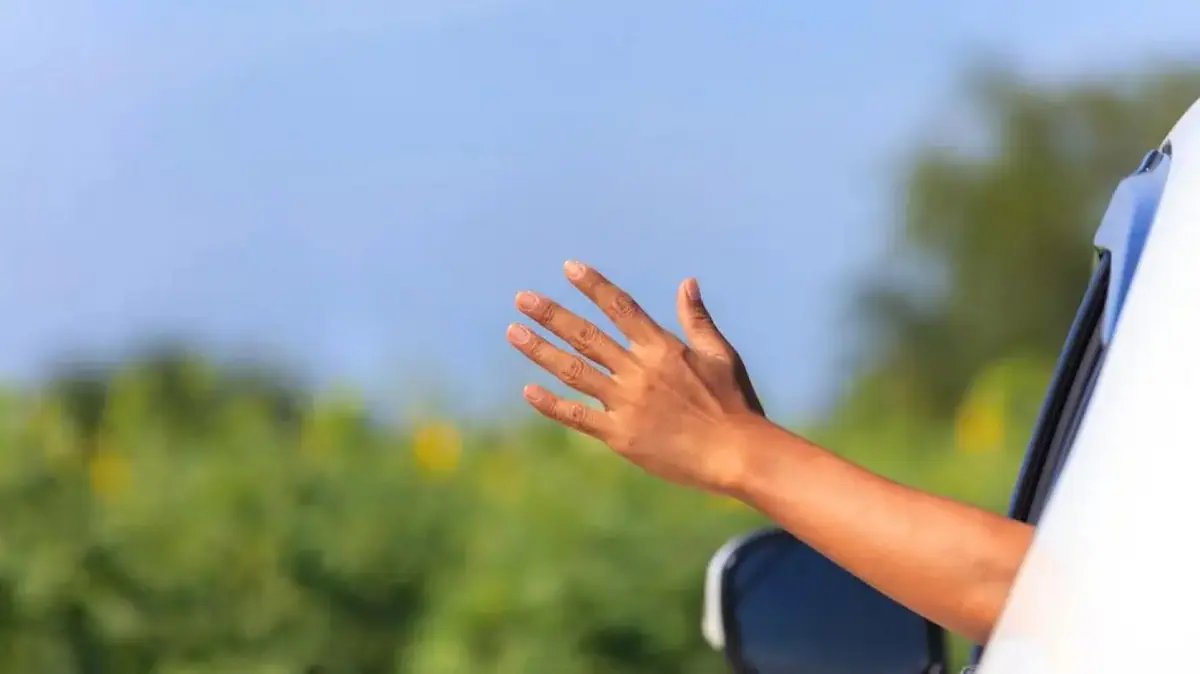
The Hand Signals Every Driver Should Know
Let's start with the signals recognized by state traffic laws. Across the United States, the standard hand-and-arm signals are used when a vehicle's turn signals or brake lights aren't working.
-
Left turn: Extend your left arm straight out of the driver's-side window.
-
Right turn: Bend your left arm upward at the elbow, with your hand pointing toward the sky.
-
Slow down or stop: Extend your left arm downward, pointing toward the road.
These signals appear in official driver handbooks and traffic laws, although the exact requirements can vary by state. They're not just gestures of courtesy. They're a recognized way to communicate your intentions when your vehicle's lights can't do the job.
Informal Gestures That Can Still Save You Trouble
Other signals never made it into official driver handbooks, but some motorists still use them.
One of the best-known is a circular motion with the hand, usually accompanied by a gesture toward a wheel. It's meant to warn another driver about a possible flat tire. If someone makes this motion while pointing toward your vehicle, it's worth checking your tires at the next safe opportunity.
A repeated patting or slapping motion in the air can mean your trunk isn't fully closed. Sometimes the warning refers to a hood or a door that hasn't latched properly. The message is simple: something on your vehicle may be loose or open.
Truck drivers and motorcyclists also have their own informal ways of communicating. Tapping the roof of a car or touching the top of a helmet is sometimes used as a warning about police or a speed trap ahead. However, this isn't a standardized signal, and drivers shouldn't assume everyone will understand it.
Motorcyclists may also use hand gestures to communicate with other riders, including signals to turn around or change direction. The exact meaning can depend on the riding group and local customs.
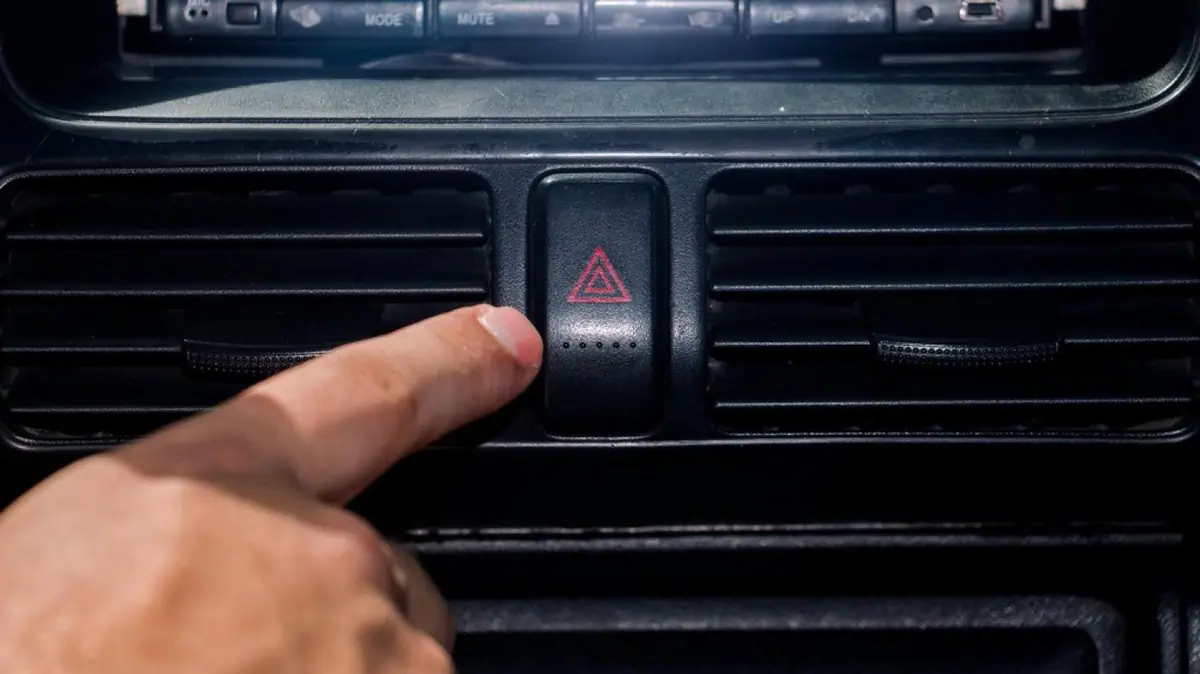
Then there's the familiar open palm raised in thanks. If another driver lets you merge or gives you room to pull out, a quick wave through the window is still an easy way to acknowledge the courtesy. A brief flash of the hazard lights can serve a similar purpose in some situations.
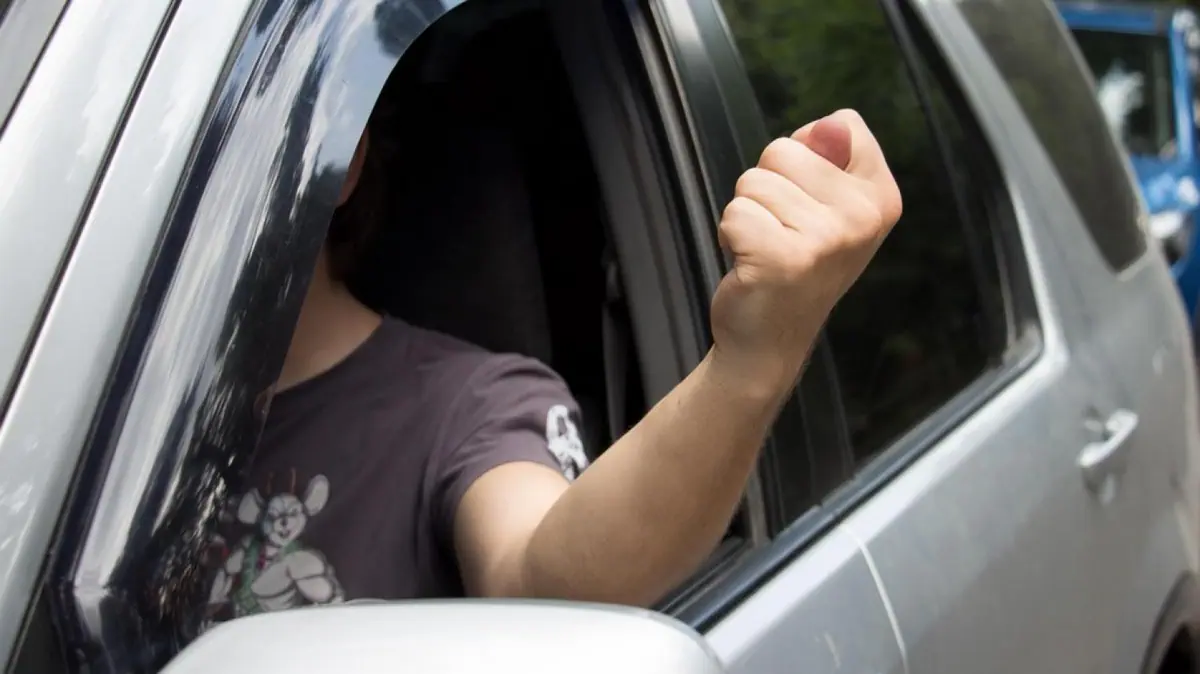
One of the more unusual gestures is a closed fist with the thumb tucked between the fingers, sometimes called the rock signal or the trucker's rock. Truck drivers may use it to warn that a rock or other debris is lodged between the dual rear tires of a truck. If it comes loose, it can become a dangerous projectile for vehicles following behind.
These informal signals aren't universal, though. Their meaning can vary, and it's best not to rely on them as a substitute for checking your vehicle or driving carefully.
Why the Old Road Language Is Disappearing
The reason is fairly simple. On a busy highway, drivers have little time to watch what someone in another vehicle is doing with their hands. At highway speeds, making eye contact or clearly seeing a gesture can be nearly impossible.
Hand signals are most practical when traffic is stopped, such as at a red light or in a traffic jam. In other situations, drivers are focused on the road, surrounding vehicles, and potential hazards—not on someone waving from another lane.
The old language of the road hasn't disappeared completely. It's simply become less common, surviving mostly in situations where drivers have time to notice and understand one another.
Official hand signals remain an important backup when vehicle signals fail. Informal gestures, meanwhile, are a matter of courtesy and communication between motorists.
Still, if someone pulls alongside you at a stoplight and starts making a circular motion with their hand while pointing toward your car, take a moment to check your tires when it's safe. That small gesture could be worth paying attention to.
You may also be interested in the news:
Three Zodiac Signs That Cry in the Car to Their Favorite Songs—and You’d Never Know
They know how to hide their tears from everyone. For them, the car is the only place where they can let go.
One Storage Mistake Can Ruin Your Summer Tires: How to Prevent Cracks and Premature Aging
Even a garage or basement can damage your summer tires over winter without a few simple precautions.
The Mistake Thousands of Drivers Make: Why You Should Never Let Your Gas Tank Get Too Low
Mechanics explain how driving on empty can damage fuel pumps and injectors, and how much gas to keep.
Why Do Some Car Side Mirrors Have a Dotted Line? Most Drivers Don't Know What It Does
That small dotted line on your car's side mirror serves an important purpose many drivers overlook.
Is It Illegal to Drive With Your Car's Interior Lights On? Here's What Drivers Need to Know
Drivers often wonder whether turning on their car's interior lights while driving is illegal or could result in a ticket.