
Stellantis CEO Filosa Earned $6.37 Million — But Missed Out on Key Bonus
Here’s why he fell short of several million more.
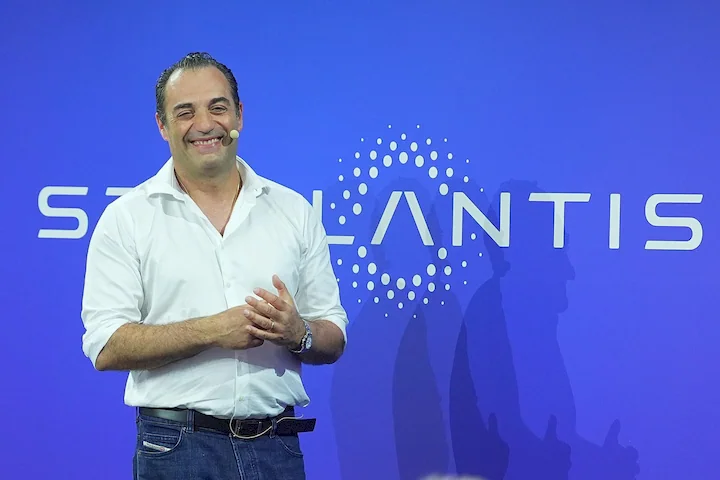
Antonio Filosa, who took over leadership of Stellantis after Carlos Tavares, has reported his first-year compensation. In total, he earned approximately $6.37 million. Compared to the company’s previous peak executive pay packages, the figure appears more modest — though it remains high by broader market standards.
Breakdown of Filosa’s Compensation Package
- Base salary: about $1.65 million
- Additional benefits: roughly $440,000 for transportation, company vehicles, insurance contributions, and other perks
- Executive premiums: tied to his prior role as Chief Operating Officer for North America
- Long-term incentives: approximately $1.77 million to be paid out in the future
- Company retirement obligations: projected future payouts after retirement
Why He Missed Out on Millions More
Filosa could have significantly boosted his earnings through the company’s annual incentive program. However, according to industry sources, including The Detroit News, Stellantis failed to meet its positive cash flow target and closed the year with a net loss of $26.3 billion. As a result, bonuses tied to that program were not awarded.
Even without the annual incentive payout, Filosa’s 2025 compensation was about 82 times higher than that of the average Stellantis employee, who earns roughly $78,000 per year.
Within the company, however, the more painful issue has been the absence of worker bonuses.
What Happened to Plant Bonuses
- For the first time in many years, hourly workers represented by the United Auto Workers (UAW) will not receive profit-sharing checks.
- The reason: a $2.2 billion loss in North America.
- Under the union contract, payouts are directly tied to profitability — no margin means no check.
- Union leaders sharply criticized the “zero bonus” outcome, especially given that workers at Ford Motor Company and General Motors are still set to receive profit-sharing payments worth several thousand dollars.
Although Tavares was removed from his position at the end of 2024, he still received approximately $14 million for the year. The bulk of that figure consisted of severance pay and about $11.7 million in performance-related compensation.
In 2023, his total compensation surged to roughly $39.5 million, including about $28.3 million in long-term incentives tied to corporate “transformation” goals and the achievement of three out of seven performance targets. Those targets included:
- Reaching 15% low-emission vehicle sales in Europe
- Launching electric motor production
- Beginning production of a new electrified dual-clutch transmission
In 2024, Tavares’ compensation declined to about $24 million. That drop, however, reflected a broader downturn: Stellantis’ net profit fell by 70% during the same period.
You may also be interested in the news:

10 Hot Wheels Ferrari Models Reveal Just How Much These Miniatures Have Changed
Ten Hot Wheels Ferraris trace decades of casting changes, from early favorites to modern premiums.

50 Chinese Brands vs. German Giants: Europe Risks Losing Its Own Auto Industry
Europe’s auto industry is entering its most turbulent period in 50 years. The market may look stable on the surface: French consulting firm Inovev forecasts annual EU sales of cars, crossovers, and SUVs will remain just below 17 million by 2035. But steady sales could mask a major shift in who controls the market.

2027 Chrysler Pacifica Adds Copperline Package and Ski Grey Interior
Chrysler's 2027 Pacifica gains copper accents and a Ski Grey interior, reaching dealers early 2027.

Hyundai Confirms New U.S. Elantra as Limited-Run Ioniq 6 N Nears Launch
Hyundai plans a redesigned Elantra for 2027 and a hybrid for the 2028 model year.
Brazil’s Second-Generation Renault Duster Gets a New Entry-Level Version
The Renault Duster has moved into its third generation in most markets, but second-generation models remain on sale in Latin America.