
American Muscle: Prototypes That Never Made It to the Streets
In the 1960s, Detroit built radical V8-powered dream machines that thrilled engineers—but proved too bold, expensive, or risky for mass production.
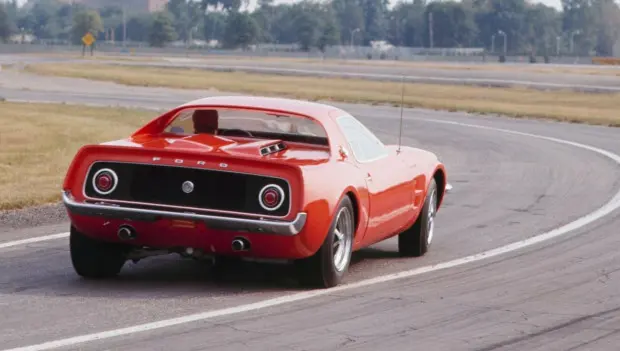
During the golden age of American performance, automakers pushed boundaries far beyond what showrooms could handle. Experimental V8-powered machines promised supercar speed and radical engineering, yet most never reached production. These forgotten prototypes reveal how close Detroit once came to rewriting the rules of the muscle car era.
Ford Mustang Mach 2: The Bonneville Dream
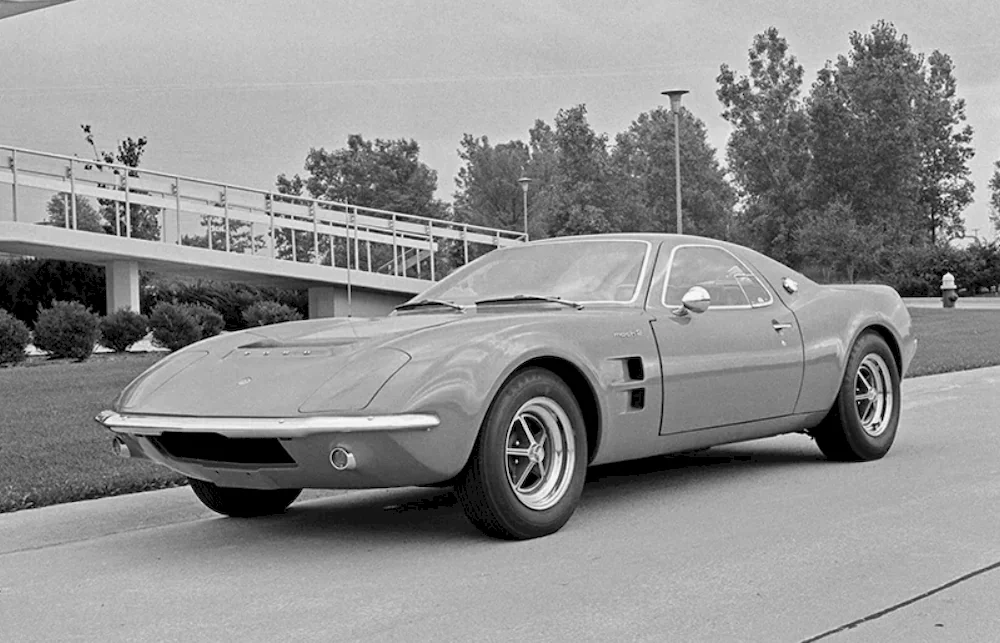
Bonneville Salt Flats, 1969. The Mach 2 howled across the desert with a 7.0-liter V8, reaching 200 mph — faster than virtually any street car of its era. Engineers recorded a 0–60 mph time of just 3.8 seconds.
Ford developed the Mach 2 as a response to European exotics like the Ferrari Daytona. It packed a 429-cubic-inch V8 producing 450 horsepower, wrapped in an aerodynamic aluminum body. Curb weight was about 3,100 pounds, with rear-wheel drive and a limited-slip differential. It accelerated like a jet and braked like a race car.
Testing went flawlessly. But the projected sticker price — $25,000 in 1969 (more than $200,000 today, adjusted for inflation) — killed the project. Only one prototype was built. The Mach 2 became the Mustang that dreamed of living on high-speed tracks rather than Main Street.
Chevrolet Corvette XP-880: The Mid-Engine Rebel
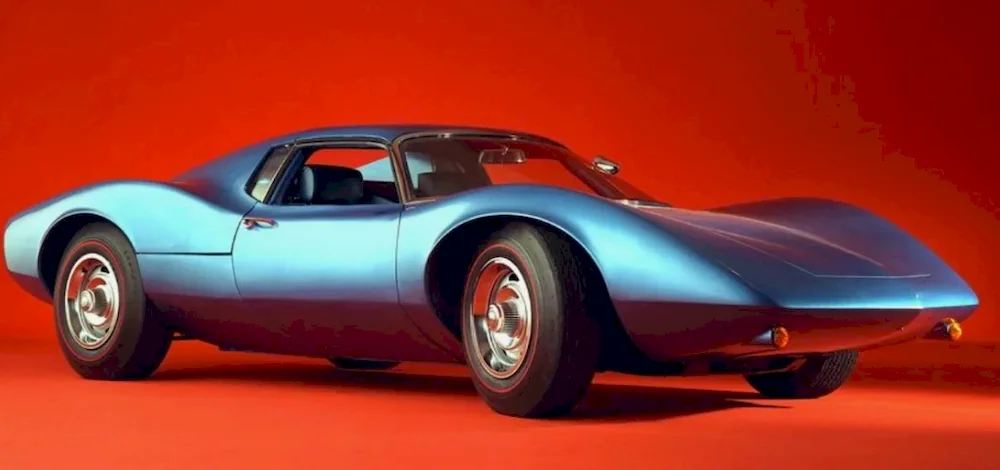
Detroit, 1961. Chevrolet developed the XP-880 as a radical evolution of the Corvette formula. Compact and aggressive, it featured a 327-cubic-inch (5.4-liter) V8 rated at 360 horsepower and an independent front suspension. Weighing around 2,900 pounds, it was capable of roughly 155 mph.
But early-’60s America wasn’t ready. Buyers still equated performance with big-displacement front-engine V8s, not compact European-style sports cars. The XP-880 was shelved, though many of its ideas influenced the later Chevrolet Corvette Sting Ray. In many ways, it was a Corvette that arrived two years too early.
Pontiac Tempest GTO: The Birth of Muscle
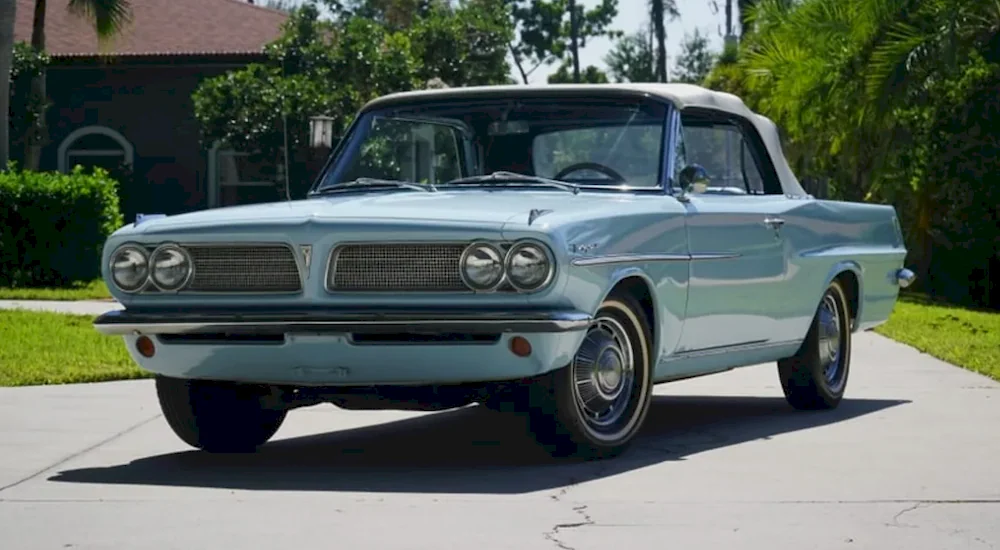
Fisher Body Plant, 1963. The Tempest GTO prototype became the spark that ignited the muscle car era. Under the hood sat a 389-cubic-inch V8 (6.4 liters) delivering 325 horsepower. It featured a three-speed manual transmission and an experimental independent rear suspension.
Weighing about 3,300 pounds, it sprinted from 0–60 mph in 6.8 seconds and ran the quarter mile in 14.8 seconds — serious numbers at the time.
Pontiac eventually put the GTO into production, but the original prototype’s complex suspension setup proved too costly and complicated for mass manufacturing. Still, the GTO gave birth to an entire generation of American performance icons, from the Chevrolet Camaro to the Dodge Charger.
Dodge Charger III: Italian-Style Muscle
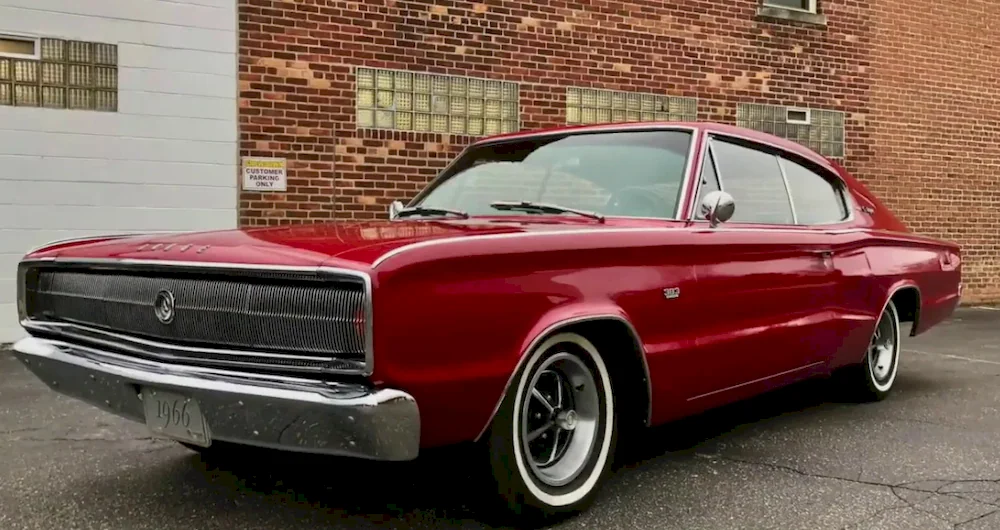
Detroit, 1966. Dodge commissioned Italian coachbuilder Carrozzeria Ghia to create the Charger III — a futuristic fastback with retractable headlights and European flair.
Power came from a 426-cubic-inch HEMI V8 (7.0 liters) rated at 425 horsepower. It featured a tubular chassis and four-wheel disc brakes, with a claimed top speed near 180 mph.
But Ghia reportedly asked around $15,000 per unit — far too expensive for a mass-market Dodge. The Charger III toured auto shows before disappearing in the 1980s, with rumors placing it in a private collection. It was arguably the Dodge Viper of the ’60s — before the Dodge Viper ever existed.
Why These Dreams Stayed in the Hangar
The Mach 2 was undone by cost.
The XP-880 fell victim to conservative market tastes.
The Tempest GTO prototype was too complex for assembly lines.
The Charger III was simply too exotic.
America engineered brilliance — but the mass market demanded simplicity, affordability, and familiarity.
Today, these prototypes live on in museums and private collections. When they surface at auction, prices can exceed $500,000. They are rolling reminders of an era when Detroit wasn’t afraid to dream big — even if those dreams never made it to the streets.
Which American prototype captures your imagination more — the Mach 2 or the Charger III?
You may also be interested in the news:
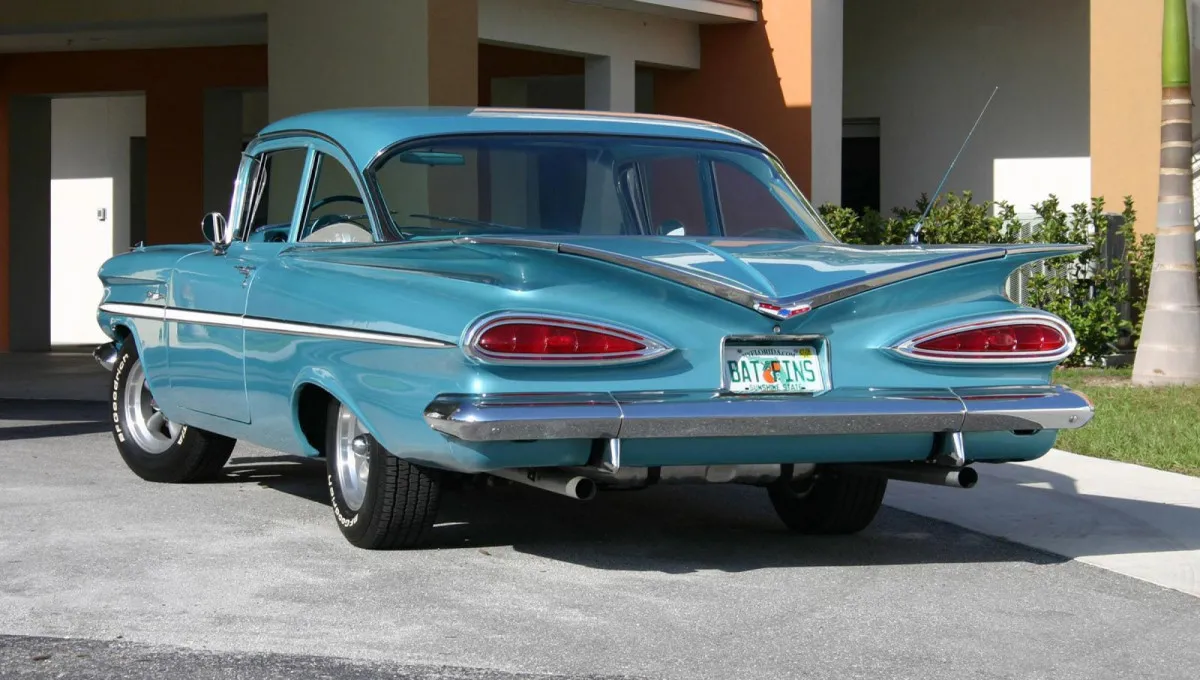
Elegance for Everyone: How Chevrolet Made Its 1960 Cars Stand Out
Chevrolet toned down its extravagant 1959 styling for 1960, bringing a more refined look to its affordable full-size cars.

Invisible Cows and a 17.3 MPH Speed Limit? 4 of America's Strangest Road Signs
From invisible cows to alien highways, these unusual American road signs turn ordinary drives into unforgettable roadside surprises.
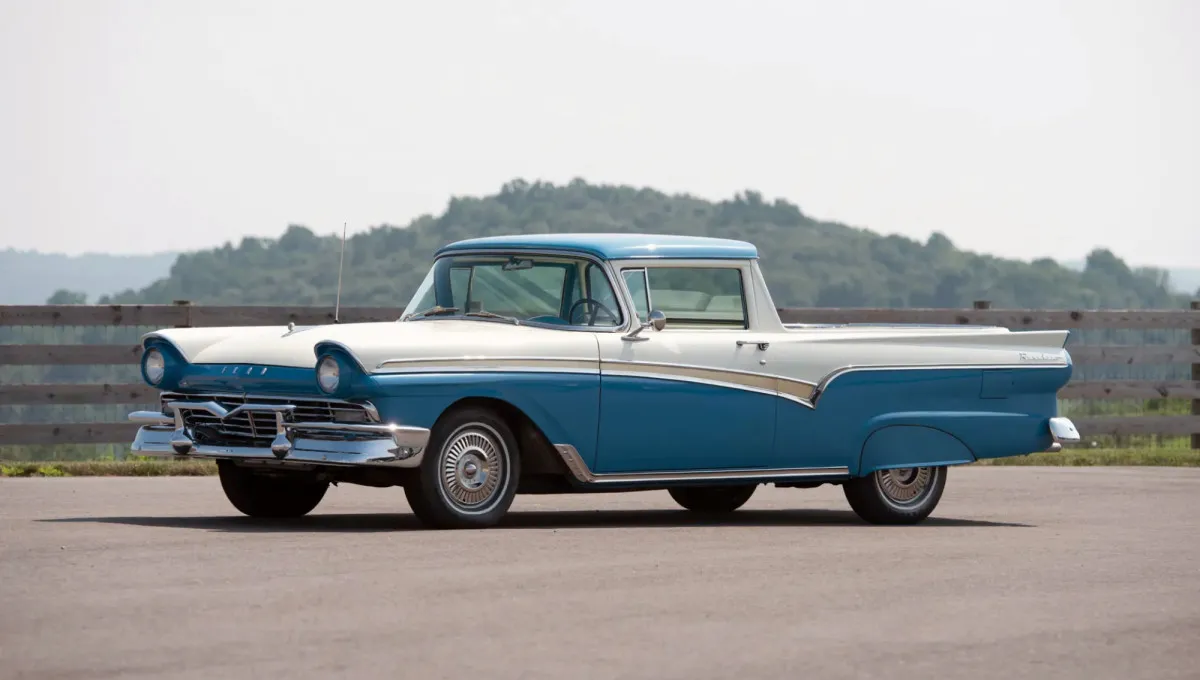
More Than a Car! More Than a Truck! The 1957 Ford Ranchero
The 1957 Ford Ranchero launched a new kind of American vehicle, blending passenger-car styling with pickup-truck utility years before the segment took off.

Solving the Mystery of the Audi Nuvolari’s Massive Fuel Door Button
Audi’s striking Nuvolari supercar has an unusually large fuel door button, and its placement may reveal an unexpected connection.

Tow Truck Driver Reveals a Hidden Car Feature That Could Save Your Life in an Emergency
A professional tow truck driver revealed a little-known feature that can help drivers move a disabled vehicle to safety.