
Gotion’s Jinshi Batteries Promise 620 Miles of Range and 10-Minute Charging
Gotion High-Tech launches a 2 GWh solid-state battery production line.
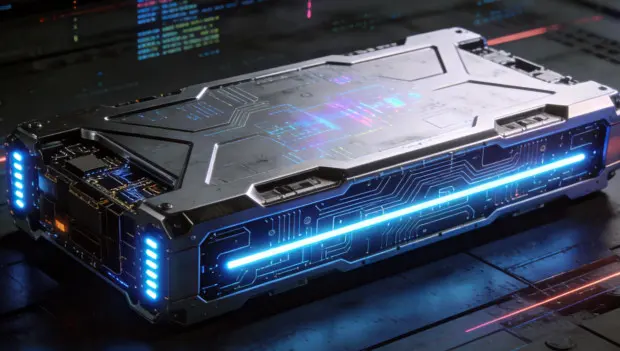
Gotion High-Tech — in which Volkswagen holds a 25% stake — has announced completion of the design phase for its first mass-production solid-state battery line, known as “Jinshi,” with an annual capacity of 2 gigawatt-hours (GWh).
The move marks a transition from a 0.2 GWh pilot line to full industrial-scale production — a critical step toward commercializing a technology that promises up to 620 miles of driving range and major safety improvements.
Higher Energy Density and Enhanced Safety
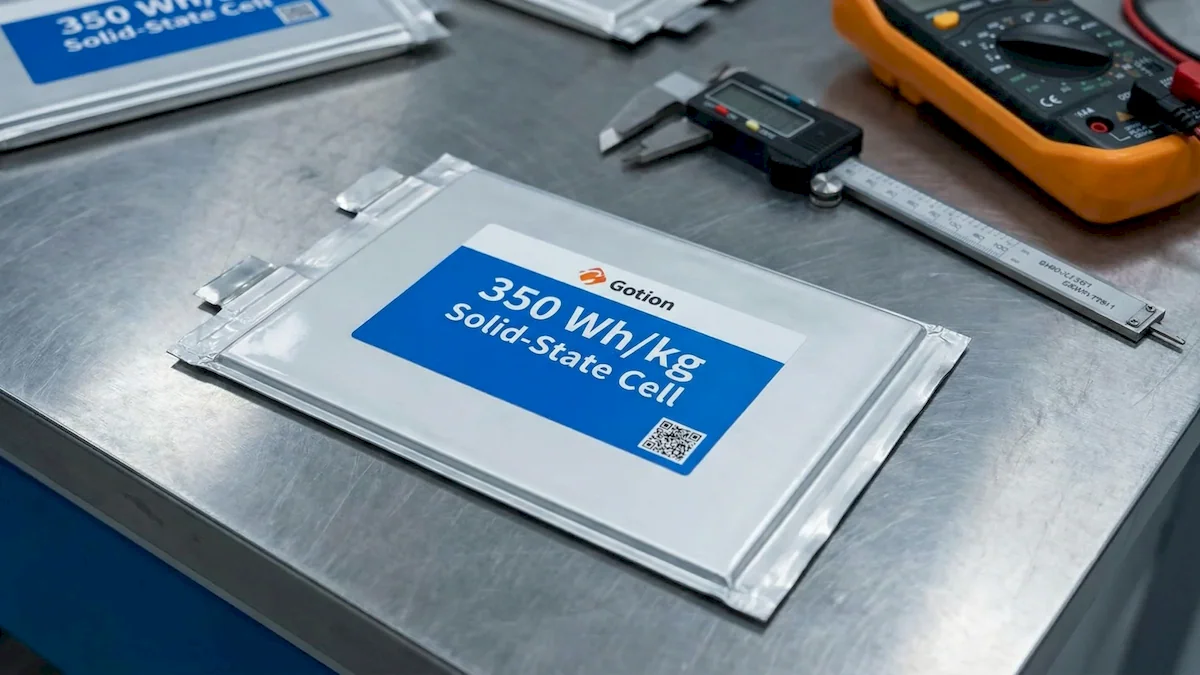
The Jinshi batteries use a sulfide-based solid-state electrolyte. Energy density reaches 350 watt-hours per kilogram (Wh/kg) — about 40% higher than today’s conventional lithium-ion batteries using nickel-manganese-cobalt (NMC) cathodes.
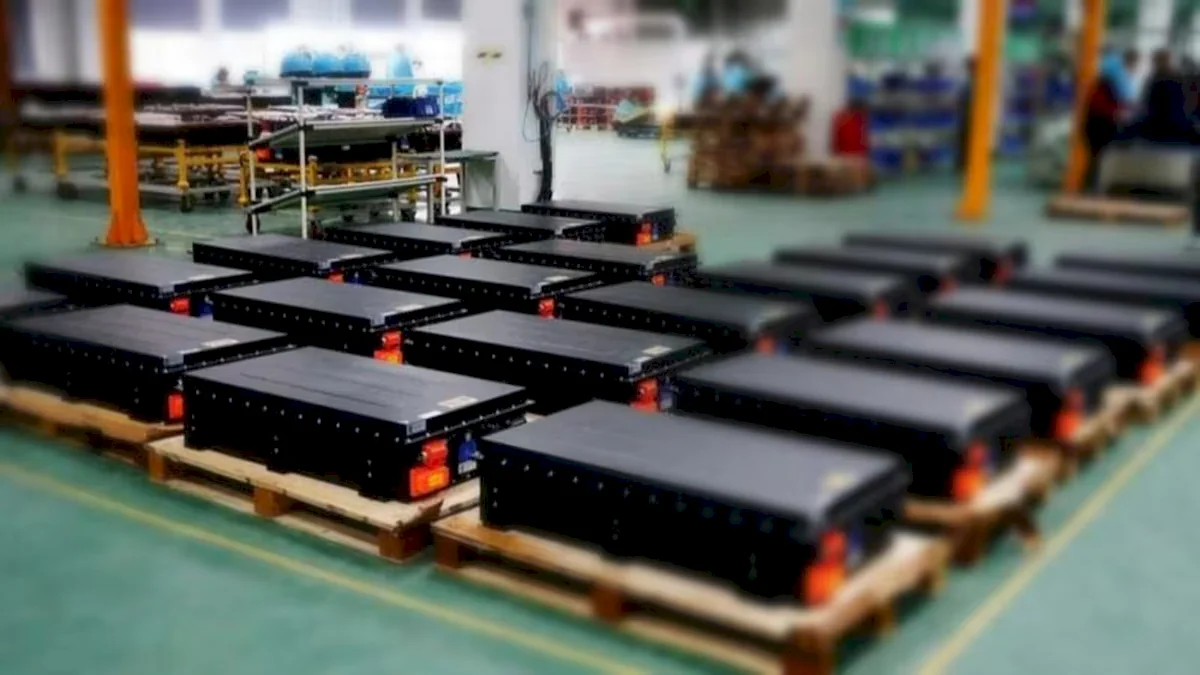
Projected driving range on a single charge is up to 620 miles. The operating temperature range has been expanded from –40°F to 176°F.
According to the company, the battery can withstand temperatures up to 392°F in thermal chamber testing without catching fire. It also reportedly resists ignition or explosion even when punctured with a 0.12-inch steel nail. The pilot production line has already achieved a 90% yield rate.
Gotion says all equipment for the new production line is domestically sourced, and the system architecture was developed in-house. Total investment in the 2 GWh facility is estimated at approximately $420–560 million.
Globally, the company operates more than 100 GWh of battery production capacity across Europe, North America, and Southeast Asia, positioning itself as a key player in the global solid-state battery race.
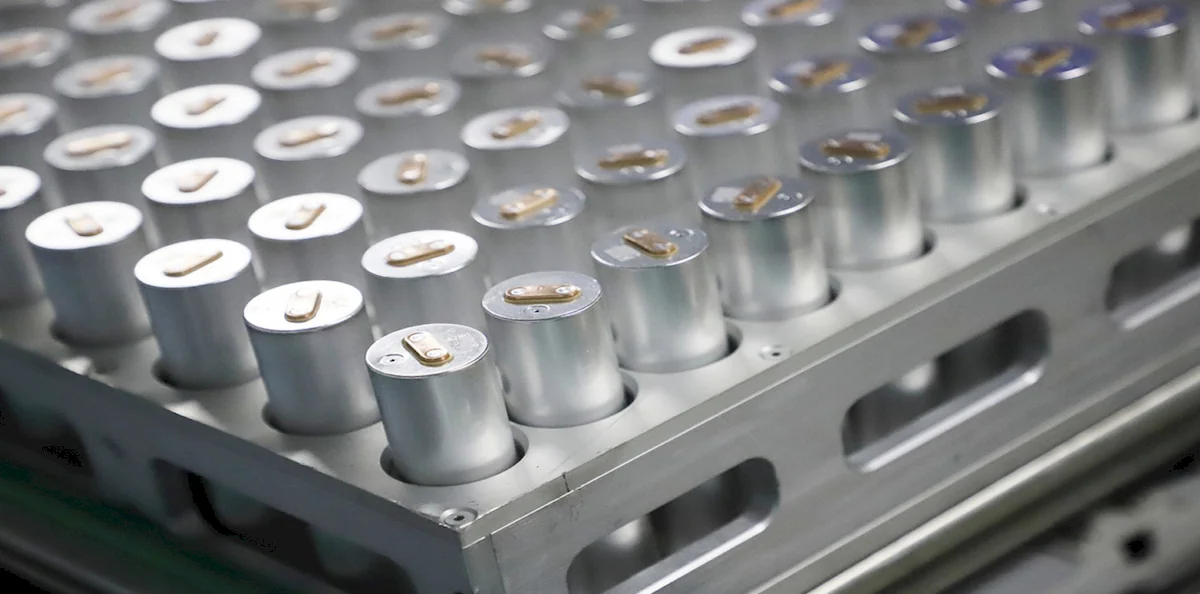
In 2025, Gotion ranked fifth worldwide in total installed battery capacity, reaching 53.5 GWh — an 82.5% year-over-year increase. By comparison, industry leader CATL plans limited solid-state production starting in 2027.
Gotion has already introduced semi-solid-state “G-Yuan” batteries with an energy density of 300 Wh/kg and is building 12 GWh of capacity using that intermediate technology as a bridge toward full commercialization.
Partnership with Volkswagen
Volkswagen and Audi have signed preliminary agreements to source the new batteries. Low-volume integration into electric vehicles is expected by late 2026, with large-scale production targeted for 2030.
If successful, the technology could give Volkswagen a significant competitive advantage in the race toward next-generation electric vehicles.
You may also be interested in the news:
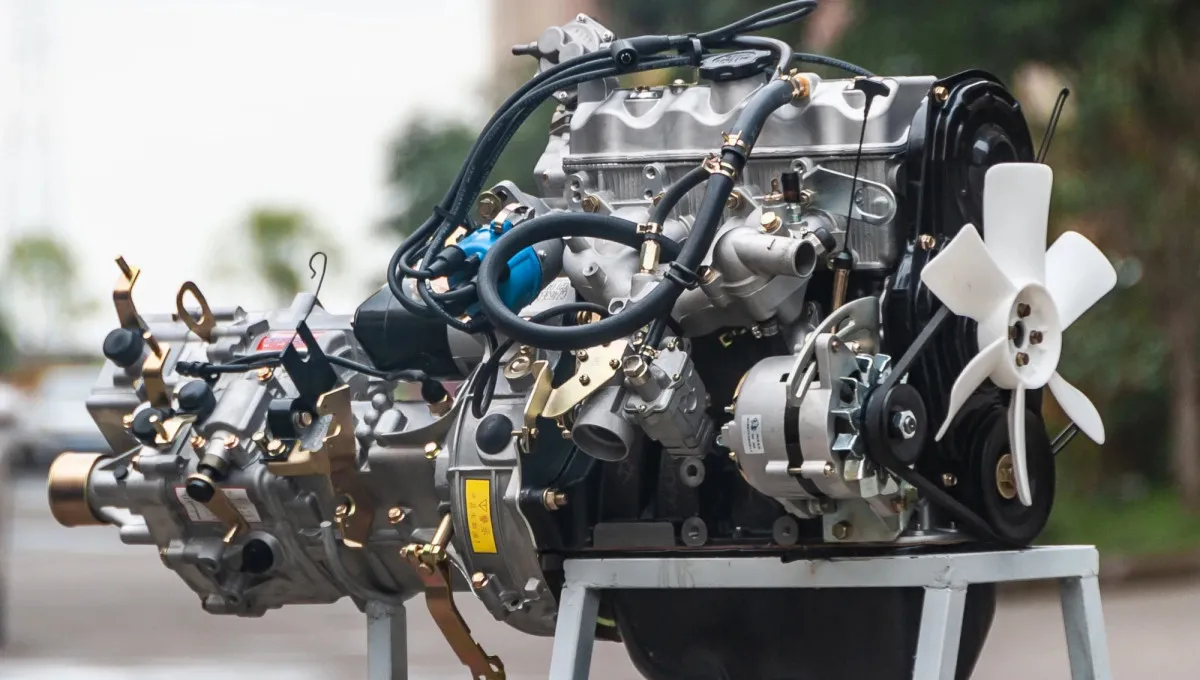
“Are You Sure It’s Chinese?” Who Really Builds China’s Car Engines
Who Really Develops China’s Car Engines?
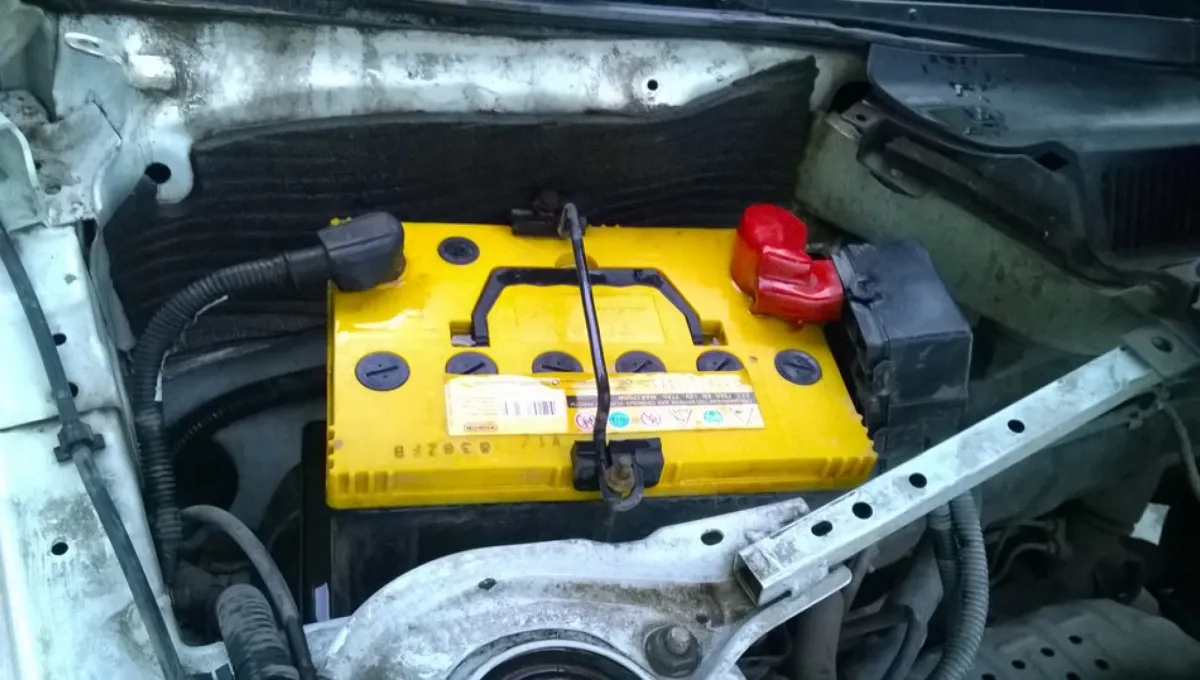
Car Won’t Start When Temperatures Drop? 4 Battery Checks Every Driver Should Make in October
A few simple battery checks in October can help prevent cold-weather starting problems when winter temperatures arrive.
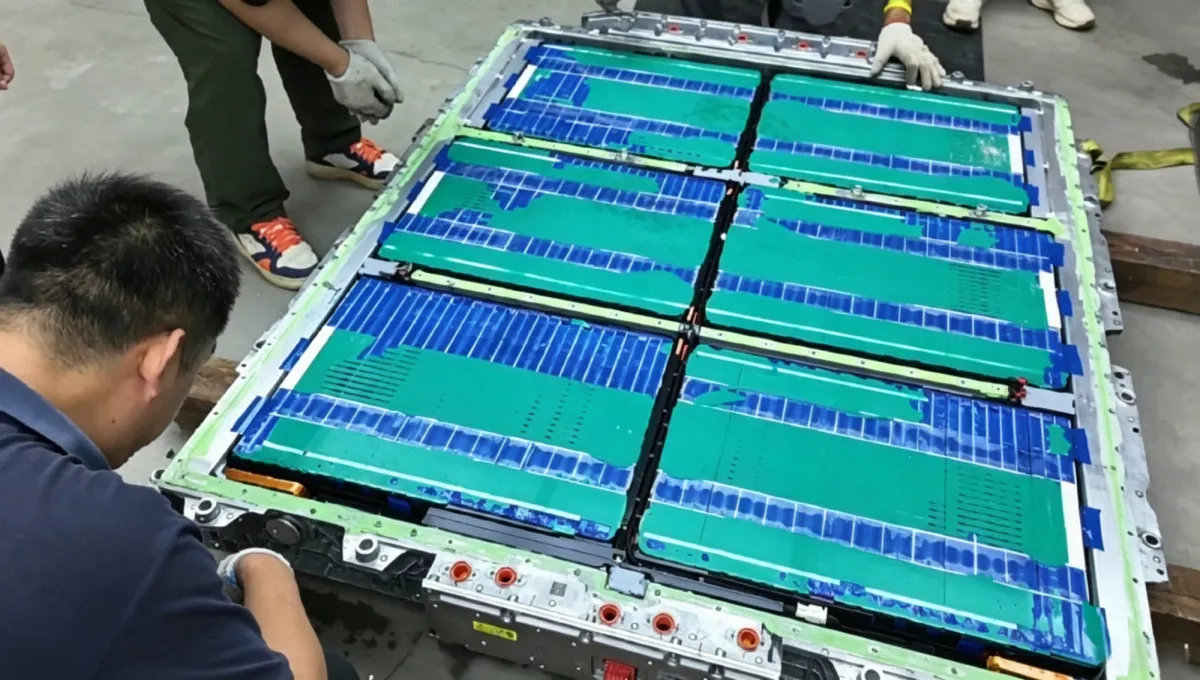
BYD Patents a Battery That Is Cooled by Literally Submerging It in Liquid
A new BYD patent describes a battery architecture that uses dielectric fluid to cool battery modules while keeping electrical components dry.
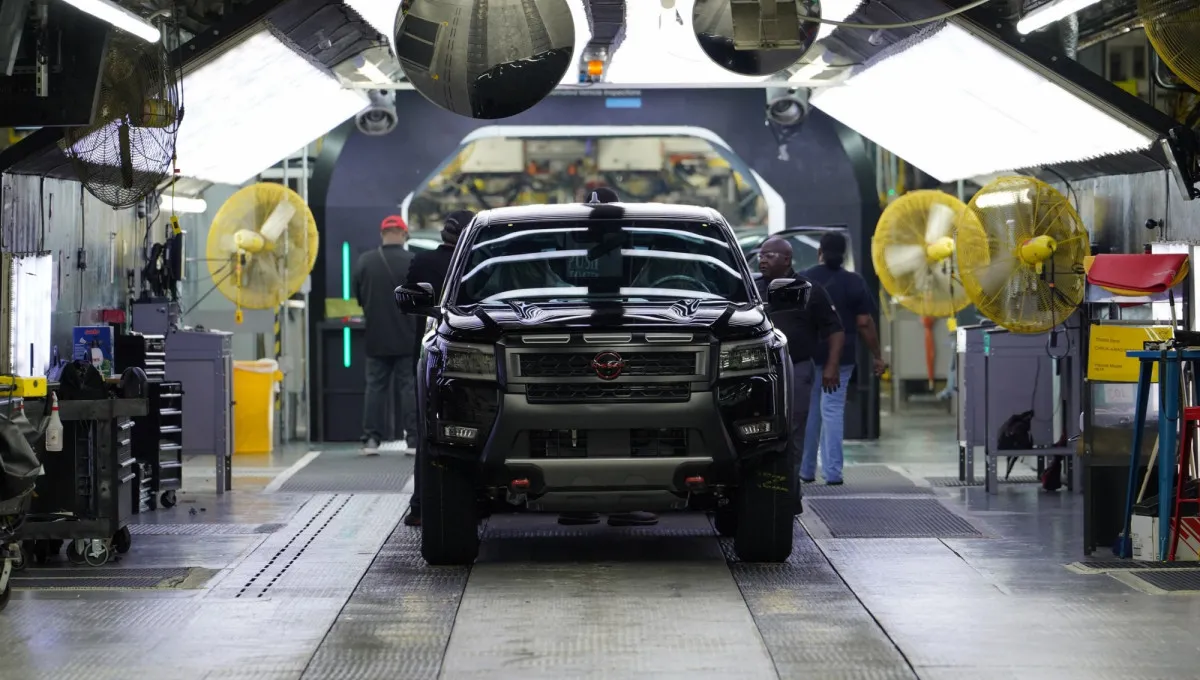
Nissan Restarts US-Made Murano, Pathfinder, Frontier Sales in Canada
Nissan resumed Canadian sales of three U.S.-built models, but tariffs keep supply below earlier levels.

Suzuki Wants to Develop New Cars Twice as Fast—And AI Will Help Make It Happen
Suzuki is planning a major overhaul of vehicle development as it looks to bring new models to market faster.