
India Deal Falls Apart: Tesla Ends Talks on Planned Factory
Tesla has officially abandoned plans to build a manufacturing plant in India after years of negotiations with local authorities.
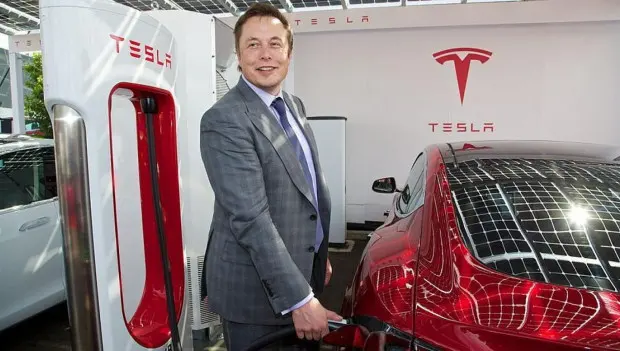
Tesla’s long-discussed expansion into India has officially stalled. On May 19, Indian Industry Minister H. D. Kumaraswamy confirmed that the American automaker informed officials it would not move forward with plans to build a factory in the country.
The announcement ends several years of negotiations between Tesla and the Indian government.
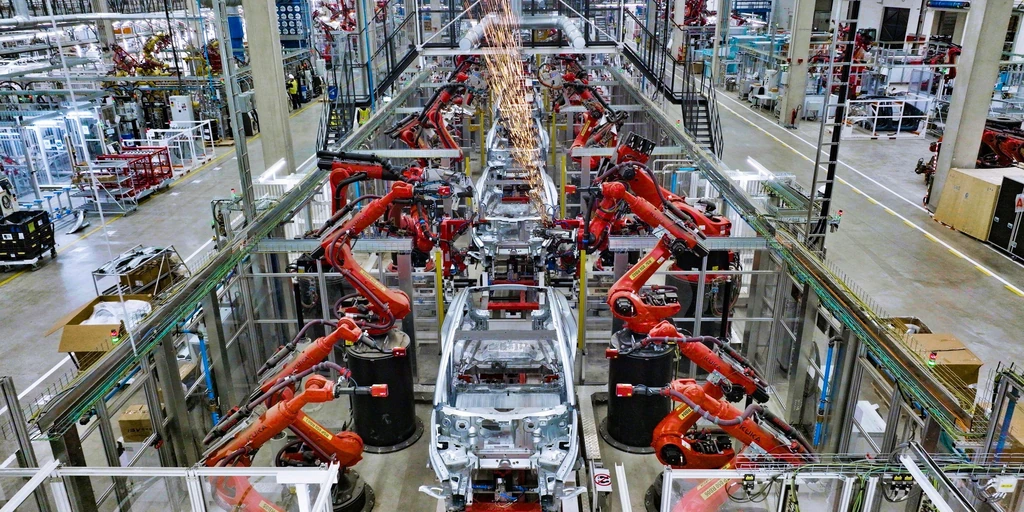
The story dates back to 2021, when Tesla CEO Elon Musk began actively exploring the Indian market. The company hired local staff, studied potential factory locations, and pushed for lower import duties that would allow Tesla to test demand before committing billions of dollars to manufacturing facilities.
But import taxes quickly became the biggest obstacle.
Tesla initially wanted permission to import a limited number of vehicles at reduced tariff rates to evaluate real-world demand without immediately investing in a factory. Indian officials, however, insisted there would be no tax incentives without firm guarantees that Tesla would establish local production.
Eventually, New Delhi softened its position. The government proposed cutting import duties on electric vehicles priced above $35,000 from 110% to 15%. In exchange, automakers would need to invest at least $500 million into local manufacturing operations within three years.
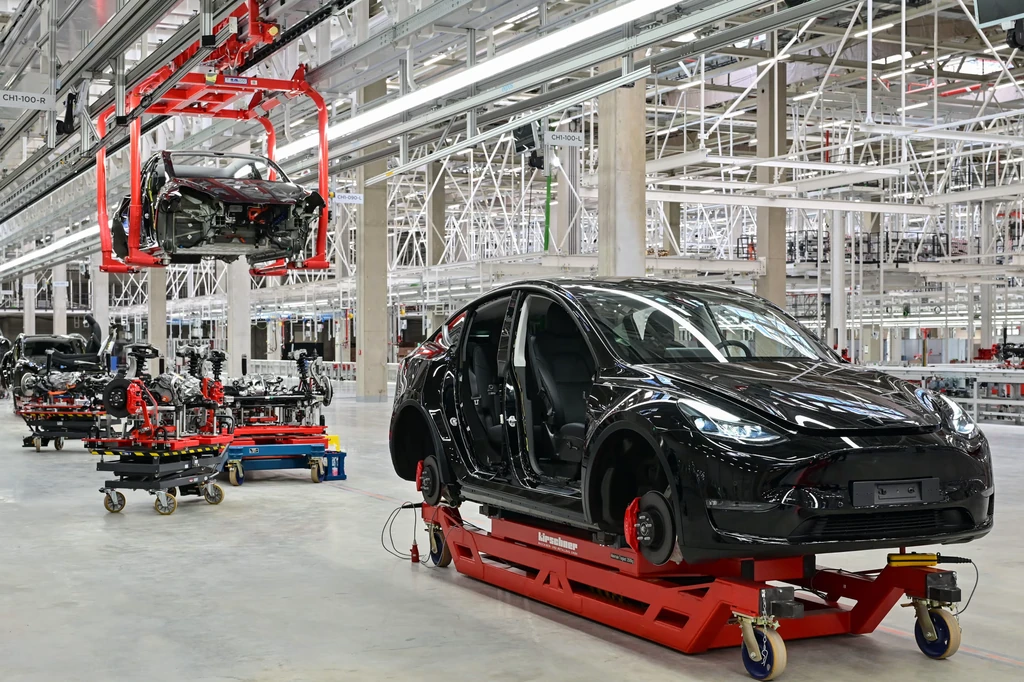
Tesla ultimately chose not to accept the offer.
Industry analysts say the disagreement over tariffs was only part of the problem. India still lacks a deeply developed supplier network for automotive components, while infrastructure challenges continue to complicate large-scale industrial projects.
Pricing may have been the biggest issue of all.
Even Tesla’s more affordable models remain expensive for much of the Indian market, making it difficult to justify massive manufacturing investments based on uncertain demand.
For now, Tesla is not leaving India entirely. The company will continue operating through limited imports of the Tesla Model Y. Retail locations remain active in Mumbai, Delhi, Gurugram, and Bengaluru, with direct sales continuing as Tesla’s primary business model in the country.
Globally, the failed India factory project has done little to slow Tesla’s momentum. During the first quarter of 2026, Tesla once again reclaimed the top spot in global EV sales, edging past Chinese rival BYD.
The company’s strongest revenue drivers remain the mass-market Tesla Model 3 and Model Y, while the long-rumored Indian Gigafactory never advanced beyond the planning stage.
You may also be interested in the news:
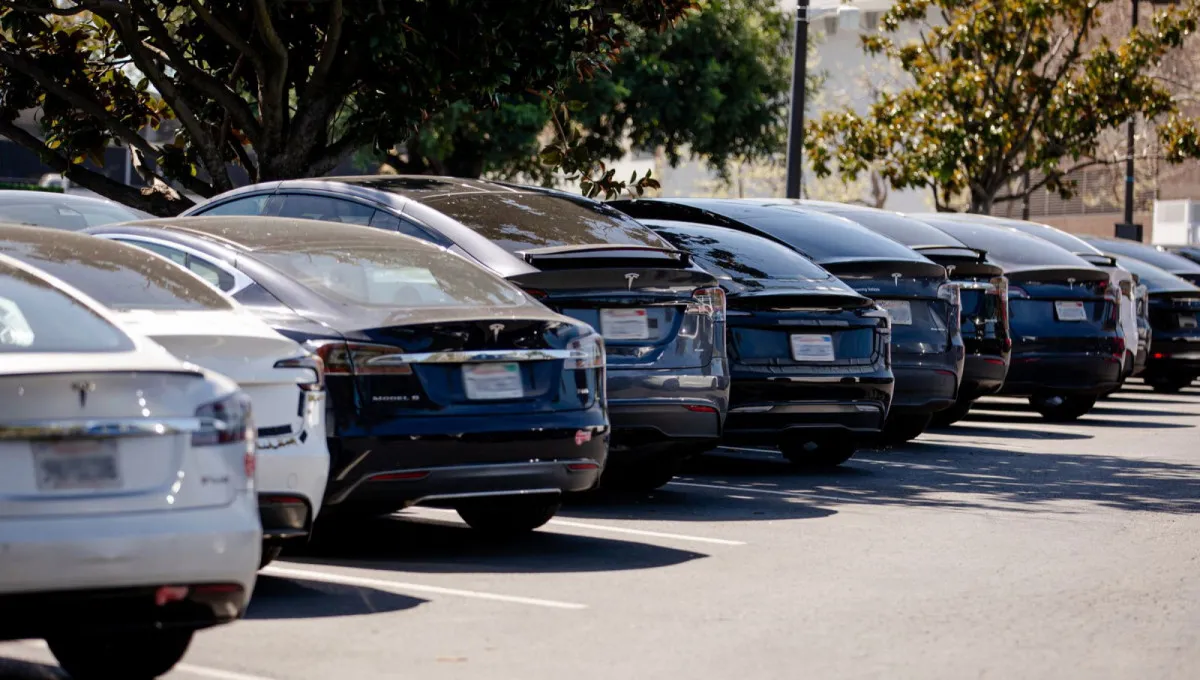
He Sold His House to Buy 20 Teslas—Then Sold 213 of Them in One Year
A car dealer admitted he briefly questioned his decision after betting his property money on a fleet of Teslas.
Suzuki Wants to Develop New Cars Twice as Fast—And AI Will Help Make It Happen
Suzuki is planning a major overhaul of vehicle development as it looks to bring new models to market faster.
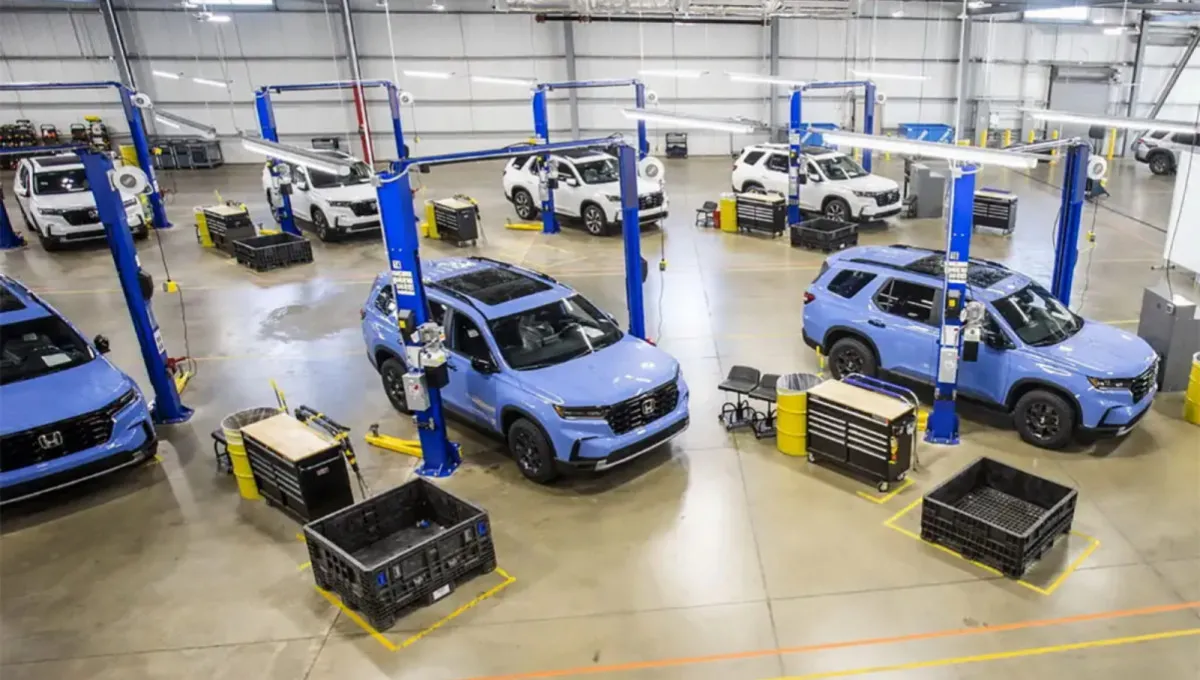
Honda Is Rethinking Its Future SUVs—and a Massive New Ohio Plant Is Coming
Honda is planning a major Ohio expansion as it shifts its future lineup toward larger hybrid SUVs.
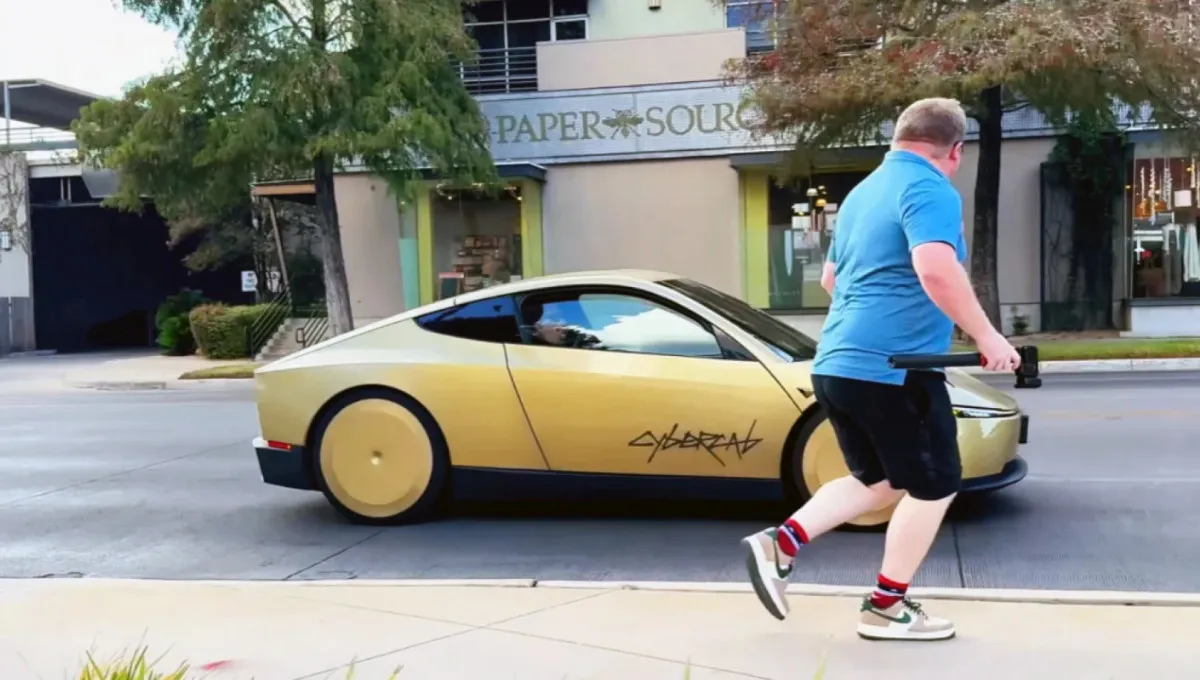
Washington Man Steps in Front of Tesla Cybercab to Test Its Self-Driving Response
Washington man stepped into a Cybercab’s path to test how quickly its autonomous system responded.
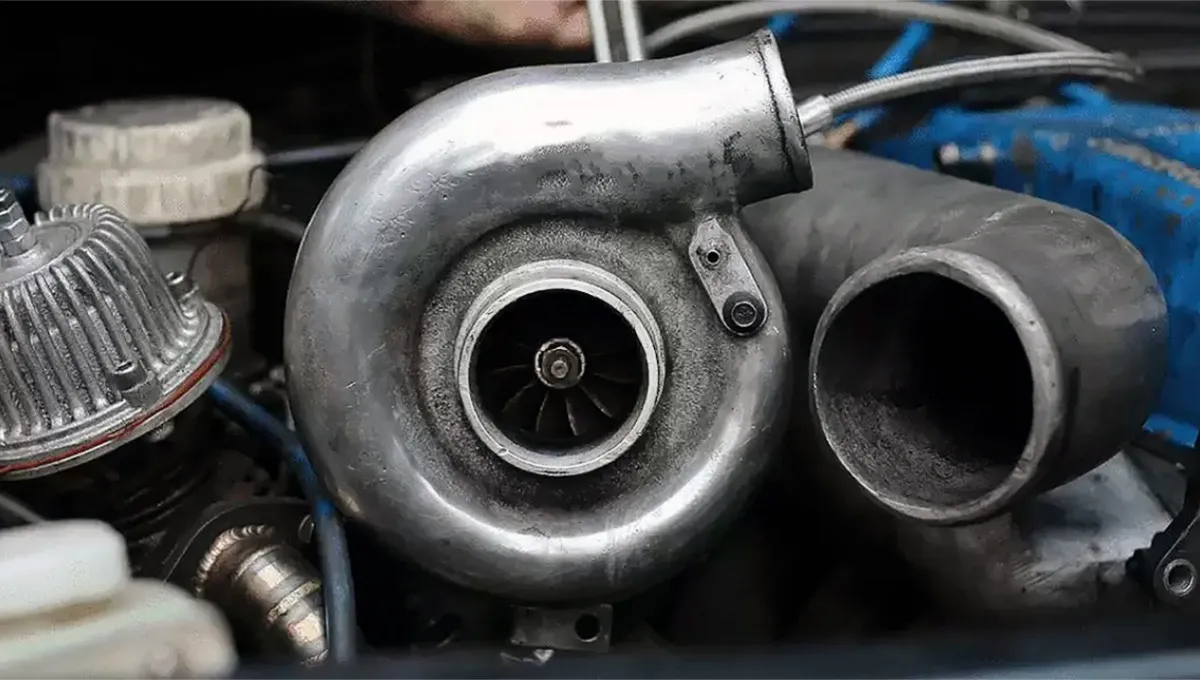
Why Small Turbo Engines Are Replacing Big V8s—and What It Means for Your Next Car
Turbochargers let automakers squeeze big-engine performance from smaller engines—but the technology comes with trade-offs.