
Why Modern Cars Have a “Shark Fin” on the Roof — And What It Actually Does
The shark fin antenna became common on modern cars, but its purpose goes far beyond styling.
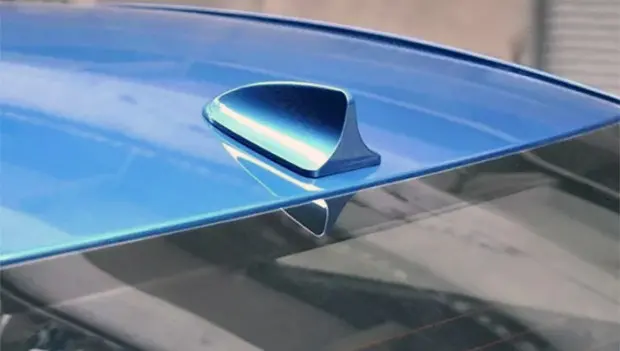
The small “shark fin” you see on the roof of many modern vehicles has become a familiar styling detail. While it might look like a simple design flourish, that little fin actually performs several important functions.
These roof-mounted fins first appeared on cars as far back as the 1930s. Many historians credit early examples to models from Czech automaker Tatra, including the Tatra T87 and Tatra T85.
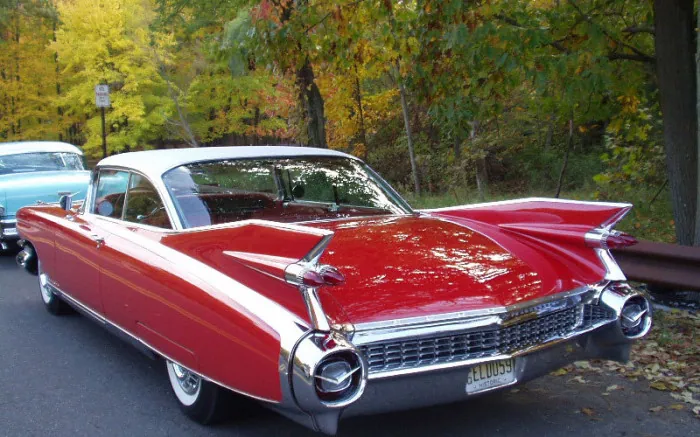
From the beginning, the fin wasn’t just decorative. In those early designs, it played a practical role by improving the car’s aerodynamics. On rear-engine vehicles like the Tatra models, the fin also helped stabilize airflow and reduce the tendency for the rear of the car to feel unsettled at higher speeds.
The design element truly exploded in popularity in the United States during the 1950s and 1960s. Automakers began adding dramatic fins to their vehicles, not only to help airflow but also to give cars a bold, futuristic look.
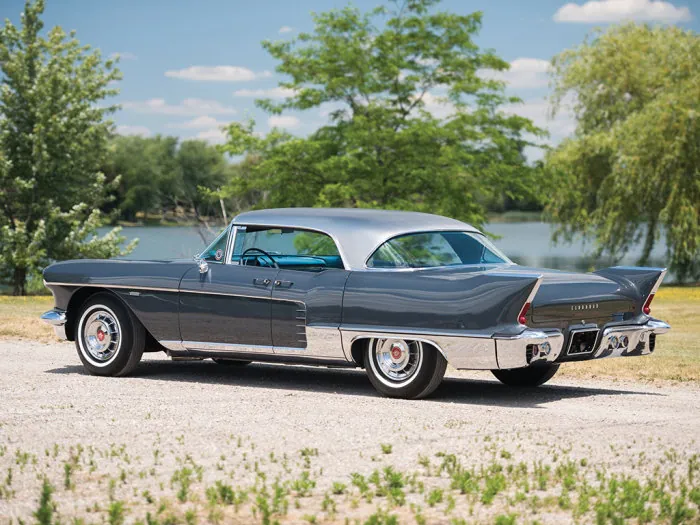
These fins quickly became a symbol of American automotive style. They made vehicles appear sportier and more dynamic, and for many buyers they represented the optimism and technological enthusiasm of the era.
By the 1970s, however, the trend began to fade as automotive styling shifted toward simpler, more restrained shapes.
The modern version of the shark fin returned decades later, thanks largely to engineers at BMW. They realized that a small fin-shaped housing on the roof was an ideal place to hide various antennas without affecting the car’s appearance.
Instead of traditional metal antennas sticking up from the body, the fin could conceal the electronics inside a sleek, aerodynamic cover. This design also protects sensitive components from damage and eliminates the need for drivers to deal with external antennas.

In modern vehicles, the shark fin usually contains several communication systems at once. Inside that small housing you’ll typically find antennas for:
- AM/FM radio reception
- Cellular connectivity (GSM and similar networks)
- Satellite navigation signals such as GPS
Advances in electronics made this possible. Over the past few decades, active antenna hardware has shrunk dramatically—today’s components are about seven to eight times smaller than similar equipment used in cars during the 1980s.

Thanks to those miniaturized systems, automakers can combine multiple antennas into one compact module without cluttering the exterior of the vehicle.
So while the shark fin might look like a simple styling detail, it’s actually a clever piece of engineering that helps modern cars stay connected, navigate accurately, and maintain a clean aerodynamic profile.
For a deeper dive into how the shark fin antenna works and why automakers use it today, check out our detailed article about the “shark fin” design.
You may also be interested in the news:
Ford Ranger FX4 Level II Was Cool Long Before the Raptor
Ford Built This Insane Ranger Years Before the Raptor—and Almost Nobody Remembers It

7 Cars That Should Have Been Legends — But One Big Flaw Held Them Back
Some cars had the styling, performance and character to become icons, but one glaring weakness kept them just short of legendary status.

These 5 Automakers Still Refuse to Build an SUV
SUVs and crossovers now account for roughly 61% of new-vehicle sales in the U.S., yet these five automakers continue to avoid the segment.

You've Seen These Black-and-Yellow Road Markers—But Do You Know What They Really Mean?
Those familiar black-and-yellow road markers quietly tell drivers which direction to take around roadside obstacles.

10 Wild BMW Concepts That Never Made It to Production — And the Cars They Inspired
From the Turbo to the M1 Hommage, these 10 BMW concepts showed ideas the automaker never brought to showrooms.