
Glow Plug Light Comes On: What It Means and Whether You Can Keep Driving
A spiral dashboard warning often signals engine issues, especially in diesel vehicles, and shouldn’t be ignored.
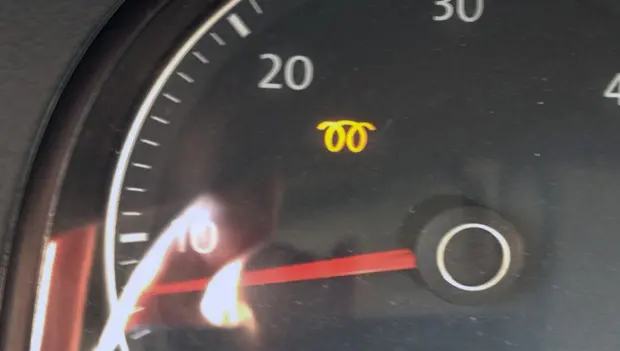
Every now and then, an unusual symbol may suddenly light up on your dashboard—a spiral or coil-shaped icon. It’s most commonly seen in diesel vehicles. Many drivers get nervous when this light starts flashing or doesn’t go away after the engine starts. In most cases, though, it’s pointing to a specific issue.
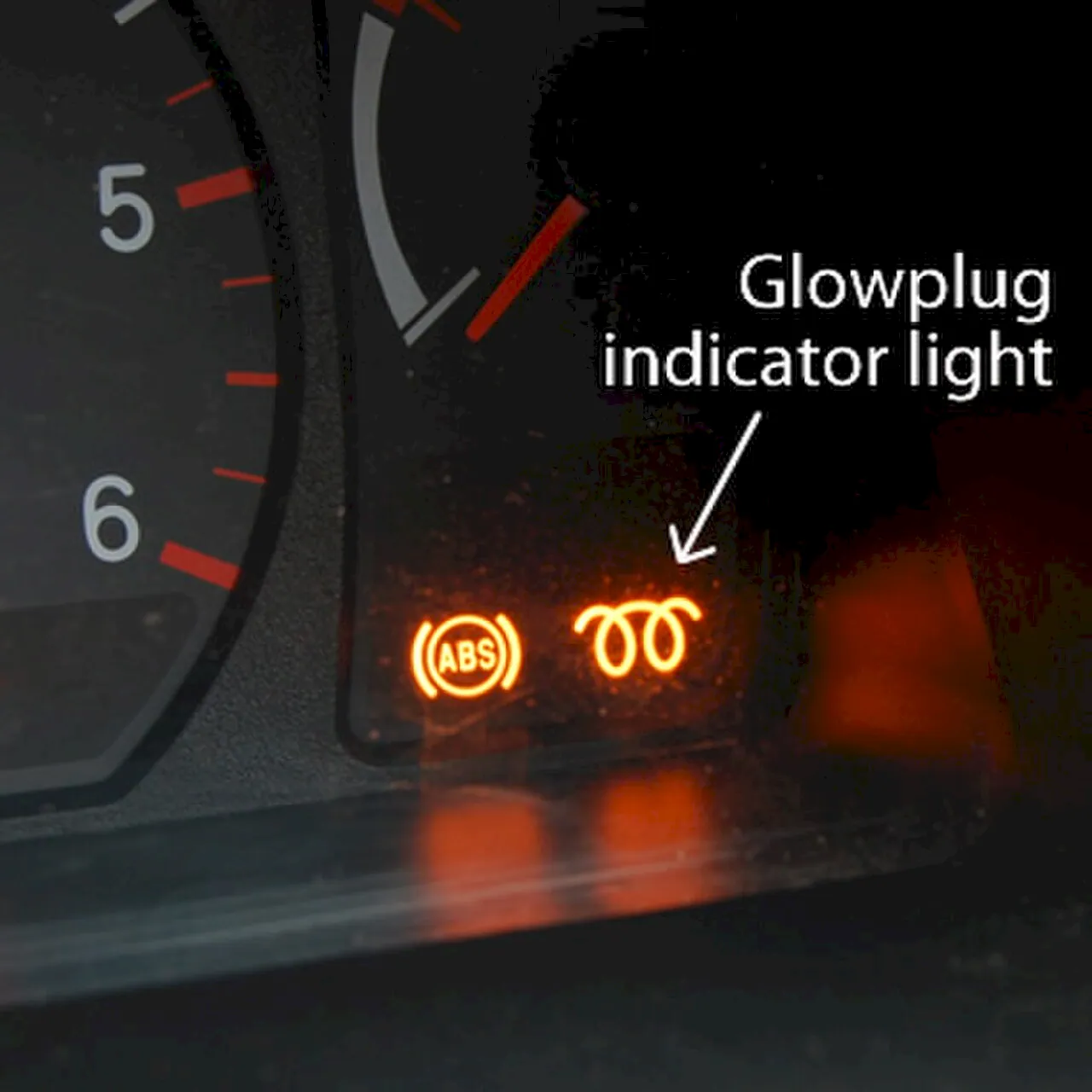
Originally, the spiral icon is tied to the glow plug system. Under normal conditions, it lights up when you turn the ignition on and goes out after a few seconds. That simply means the system has warmed up the combustion chambers to help start the engine. Once the engine is running, the light should disappear.
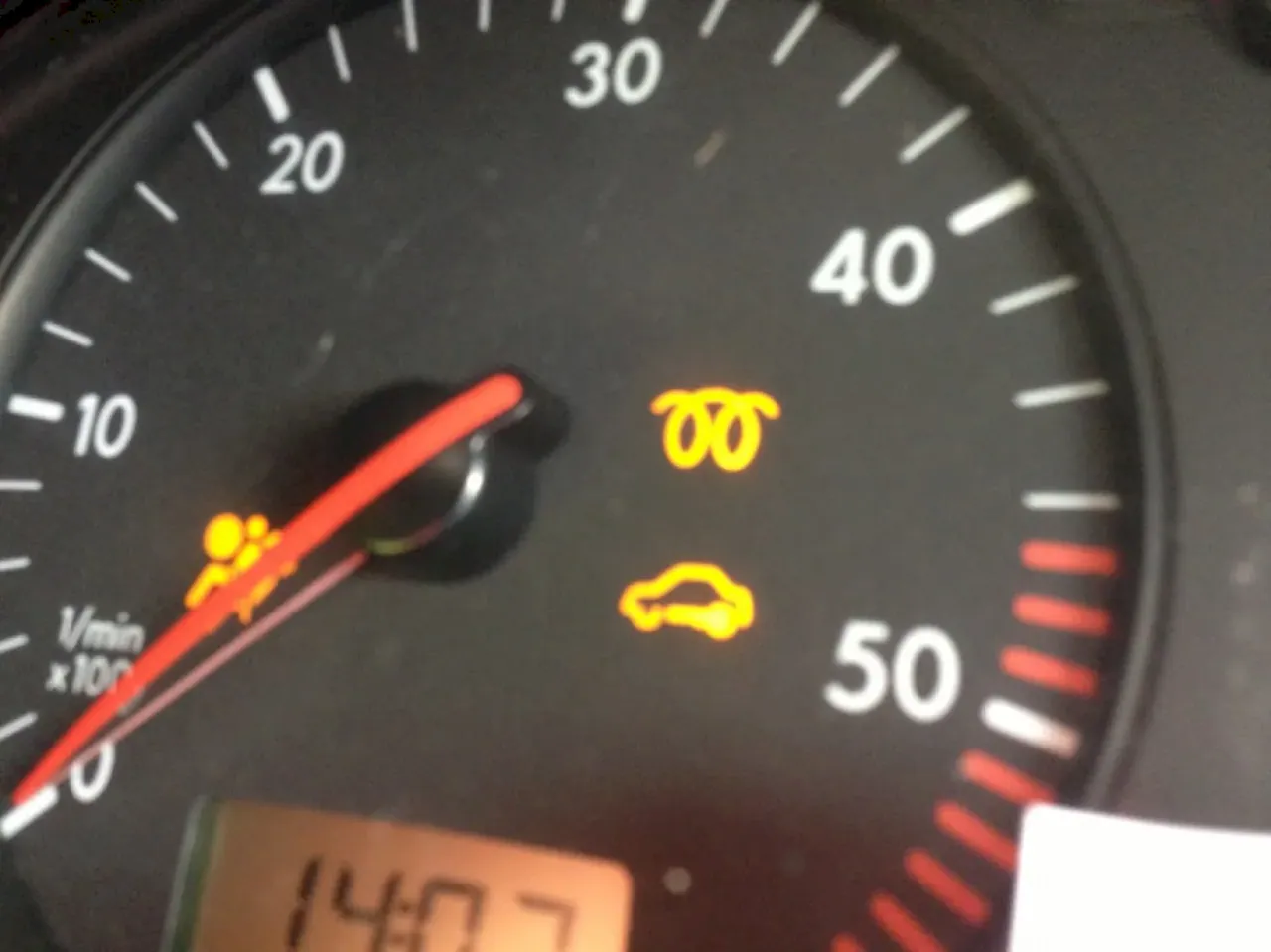
If it stays on or starts blinking while you’re driving, that’s a sign something isn’t right. And the issue isn’t always limited to the glow plugs themselves. In modern diesel vehicles, this warning light can point to a range of engine-related problems.
Some of the most common causes include:
- one or more faulty glow plugs
- issues with the glow plug relay or control module
- malfunctioning engine sensors
- problems with the engine control system
- fuel injection system faults
- a failing EGR valve or turbocharger
If the spiral starts flashing, that’s a more serious warning. In some vehicles, it indicates the engine has gone into “limp mode.” You may notice reduced power, slower acceleration, or limited engine speed.
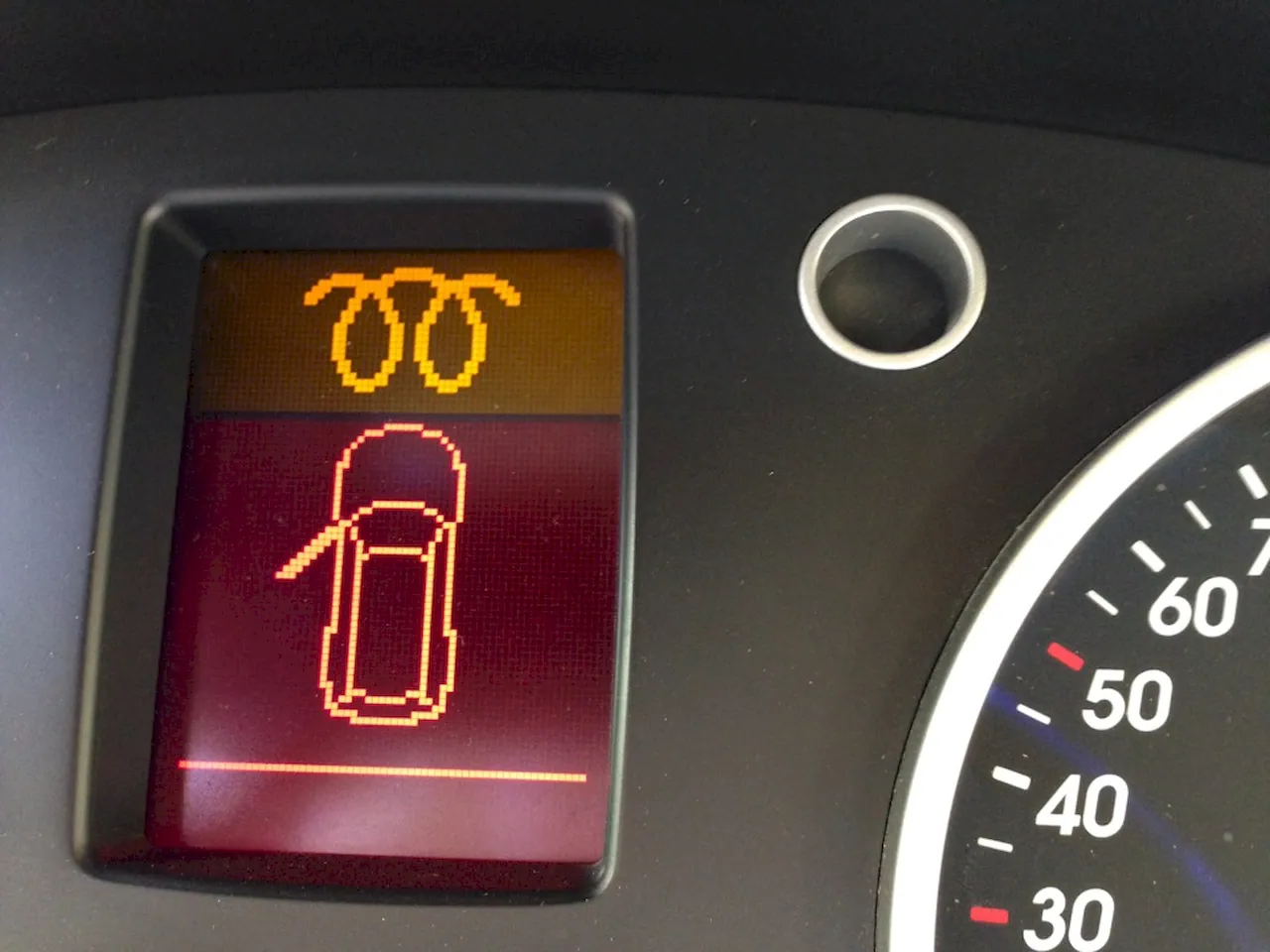
In this situation, pay close attention to how your vehicle behaves. If the engine seems to run normally and the light is simply on, you can usually drive cautiously to a repair shop. But if you experience jerking, power loss, or smoke from the exhaust, it’s best not to delay диагностику.
It’s also worth noting that faulty glow plugs can make cold starts more difficult and may increase fuel consumption.
In some cases, the warning light may also be triggered by issues with the turbo control system or throttle body. The vehicle’s electronics detect irregular engine behavior and activate the warning to alert the driver.
Experts caution that driving too long with this light on can lead to more serious problems, such as added strain on the fuel system or accelerated wear of engine components. Even if the car seems to run fine, it’s a good idea to get a diagnostic scan as soon as possible to pinpoint the issue and avoid costly repairs down the road.
You may also be interested in the news:

Best Sedans for Interior Space: The Roomiest Cars of 2026
These six sedans offer generous legroom and shoulder room, giving families a comfortable alternative to larger SUVs for long trips.

Best Cars for Teen Drivers: Affordable and Safe Picks
These affordable used and new vehicles combine strong safety ratings, reliability, and reasonable prices for young drivers and their families.

12 Used Cars Retirees Should Know About—These Models Put Safety, Comfort and Reliability First
Great for Retirees: These Used Cars Stand Out for Safety, Reliability and Comfort
A Dirty Car Could Be Quietly Damaging Your Engine — And the Repairs Can Cost Thousands
A dirty car can threaten the engine, causing overheating, corrosion, fires, and costly mechanical failures.
Start/Stop Systems Are Everywhere — But Are They Really Saving You Gas or Wearing Out Your Engine?
Does start-stop technology really save fuel, and does it put extra wear on the engine? Here’s what drivers need to know.