
Legendary 1935 Auto Union Lucca Speed Car Recreated After Nearly 90 Years
The recreated Auto Union Lucca revives one of prewar racing’s most remarkable land-speed record machines.
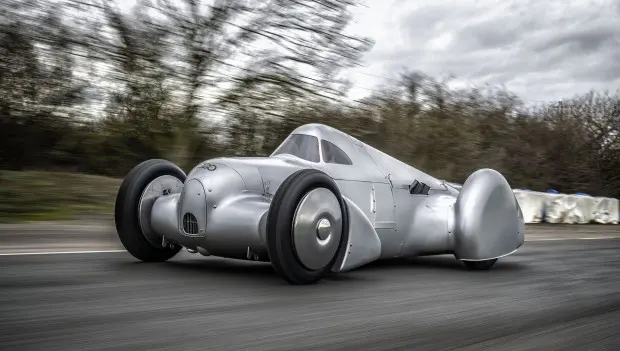
The legendary Auto Union Lucca, one of the fastest racing cars of the prewar era, has been faithfully recreated nearly 90 years after setting a stunning speed record in Italy.
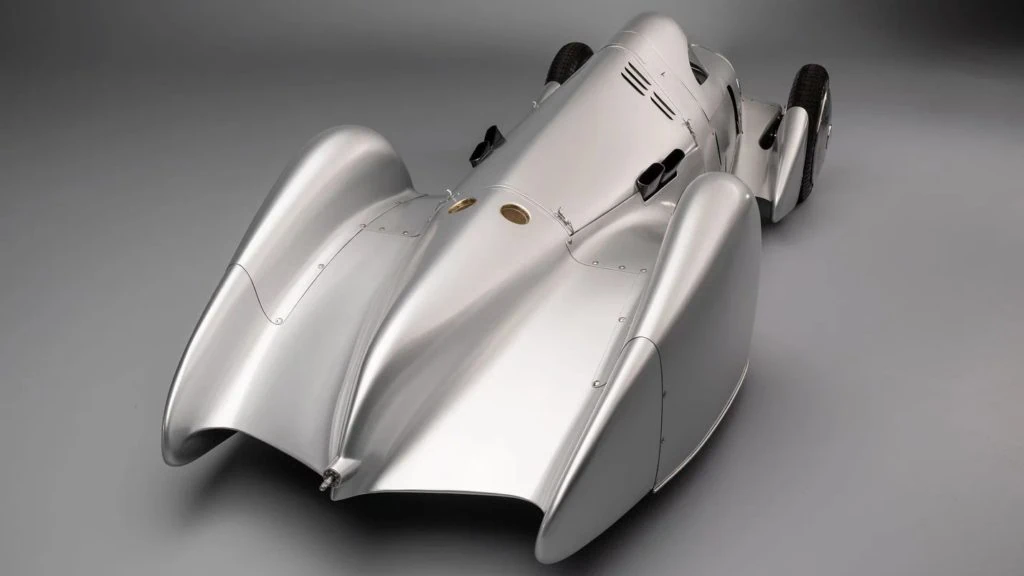
Back in 1935, the streamlined Auto Union race car reached an incredible 203 mph on a public road near the Italian city of Lucca. Driven by famed German racer Hans Stuck on February 15, 1935, the machine achieved an officially recorded top speed of 203.2 mph, making it the fastest road-going racing car in the world at the time.
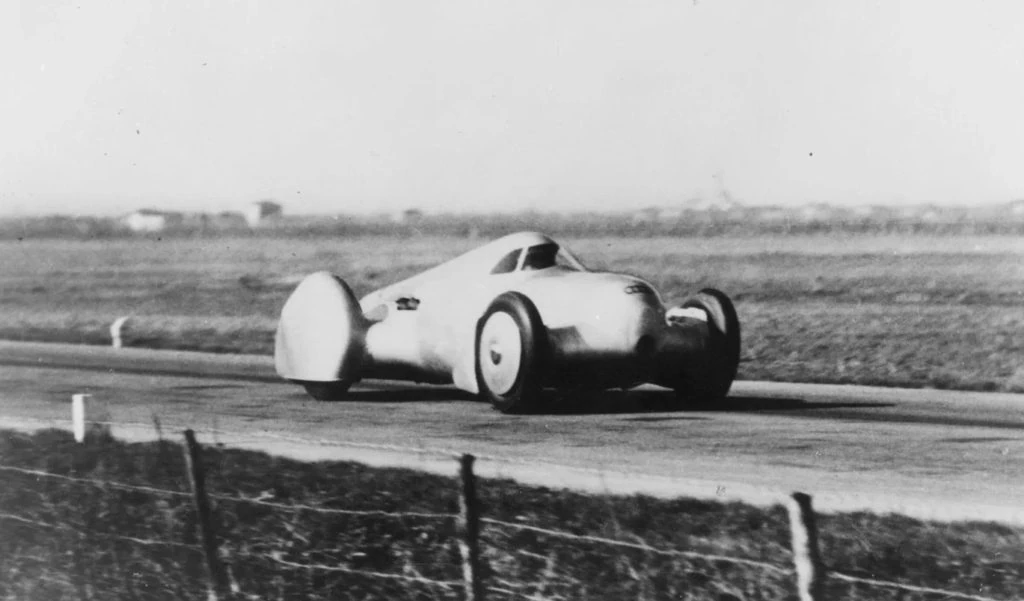
The car featured an ultra-aerodynamic body finished in polished metal and clear lacquer, a design heavily influenced by aviation engineering of the era. Underneath sat a supercharged 5.0-liter V16 engine producing between 343 and 375 horsepower — staggering output for the mid-1930s.
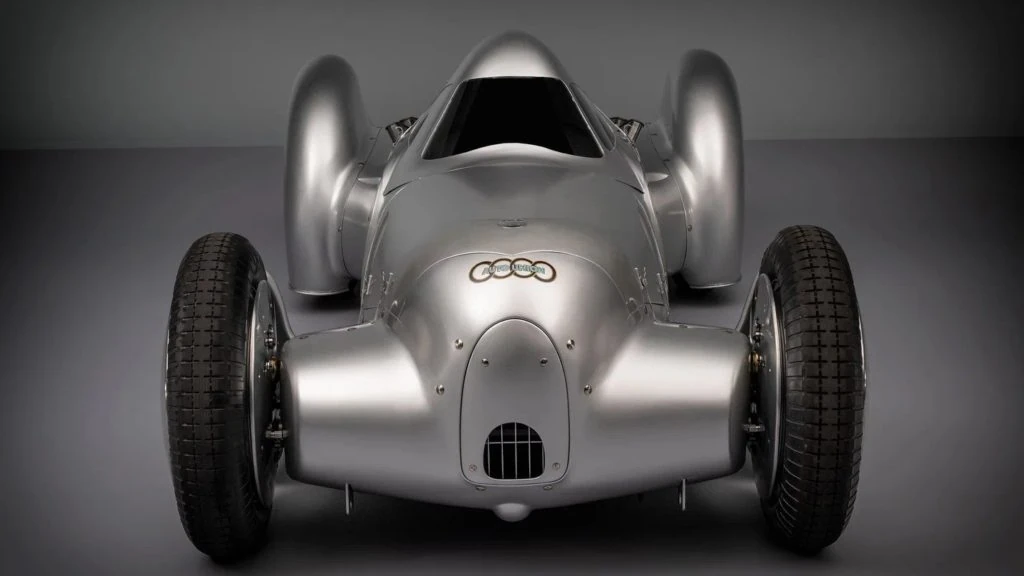
The newly recreated Auto Union Lucca was built over a three-year period by British engineering specialist Crosthwaite & Gardiner on behalf of Audi. The company relied on surviving factory documents, historic photographs, and original Auto Union technical archives to accurately reproduce the unique machine.
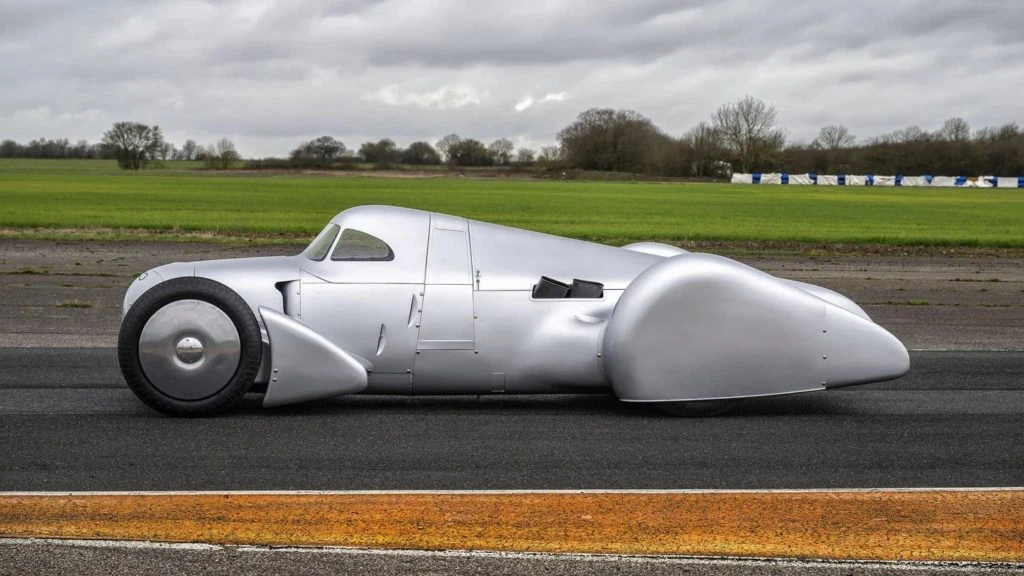
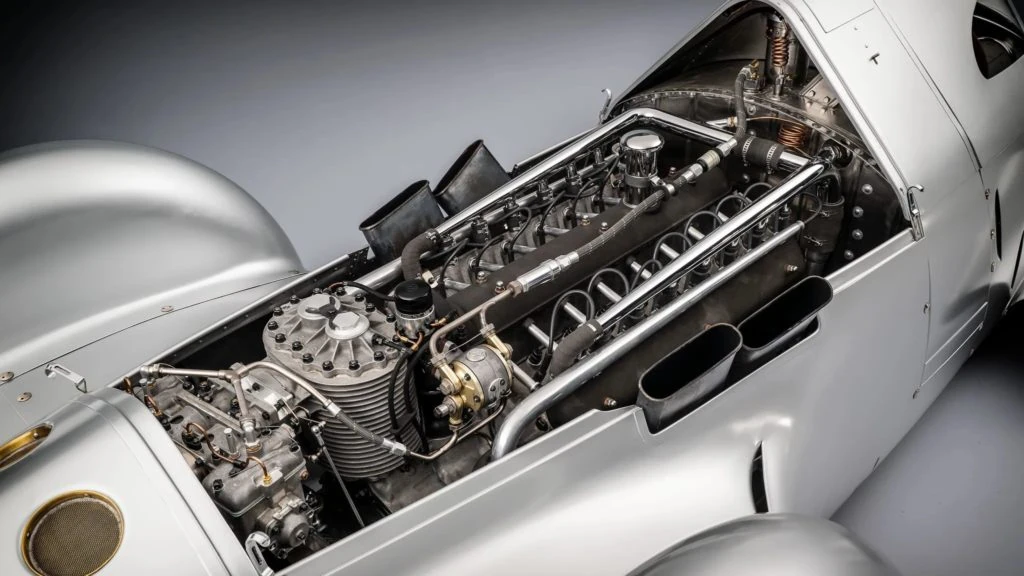
Because the original powerplant no longer exists, engineers installed a supercharged 6.0-liter V16 sourced from a 1936 Auto Union Type C. Visually, the engine is almost identical to the original unit. Running on a period-style blend of gasoline, methanol, and toluene, the rebuilt engine now produces roughly 520 horsepower.
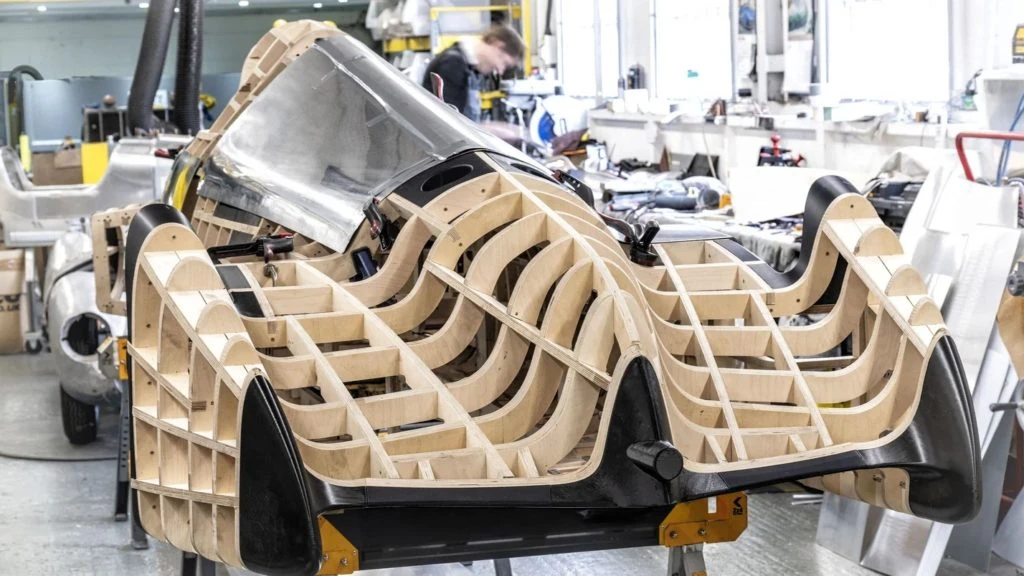
The original Auto Union racing program was one of the most technologically advanced efforts of the 1930s. Backed financially by the German government, Auto Union and Mercedes-Benz engaged in an intense motorsport rivalry that pushed engineering limits far beyond what most manufacturers thought possible. Auto Union’s revolutionary mid-engine layout — designed by Ferdinand Porsche — would later influence generations of modern race cars, including Formula 1 machines decades later.
Hans Stuck himself became a motorsport legend largely thanks to these brutal V16-powered cars. Nicknamed the “King of the Mountains,” he dominated European hill climbs and high-speed record attempts throughout the decade.
Today, surviving Auto Union race cars are among the rarest and most valuable competition vehicles in existence. Original examples regularly appear at major concours events and museum exhibitions, while collectors value them at tens of millions of dollars due to their historic significance and groundbreaking engineering.
You may also be interested in the news:
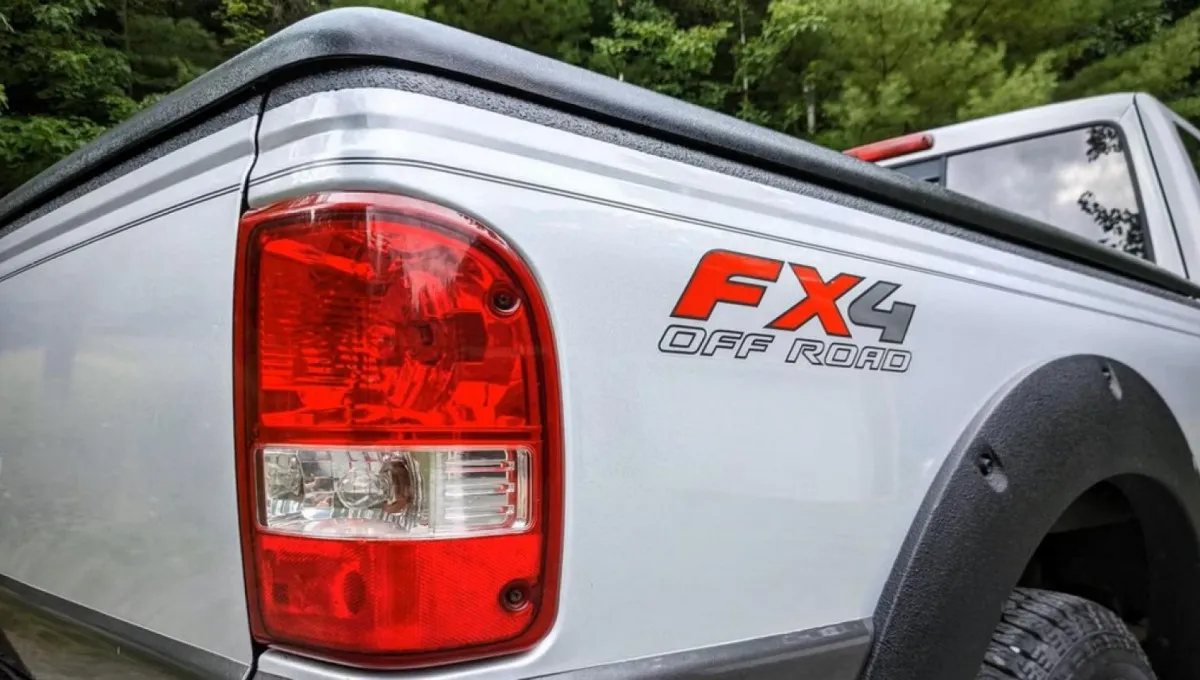
Ford Ranger FX4 Level II Was Cool Long Before the Raptor
Ford Built This Insane Ranger Years Before the Raptor—and Almost Nobody Remembers It
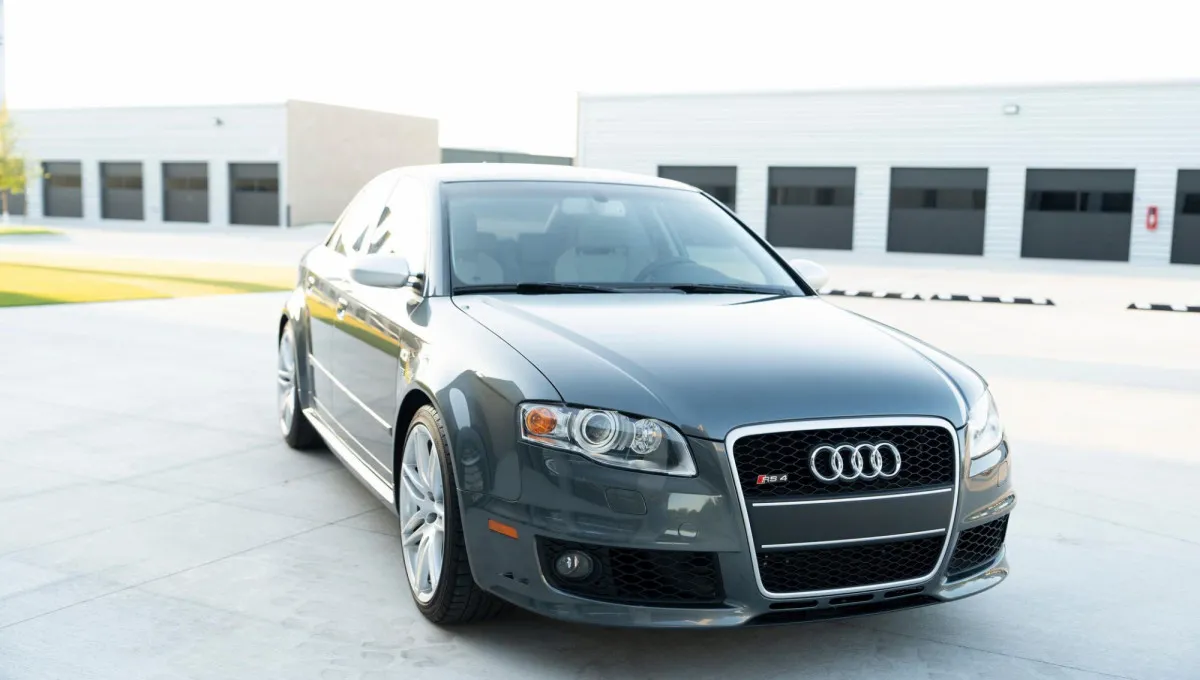
This 18-Year-Old Audi RS4 Just Sold for More Than It Cost Brand-New
After spending 18 years in a garage, this low-mileage Audi RS4 has become a sought-after collector car.
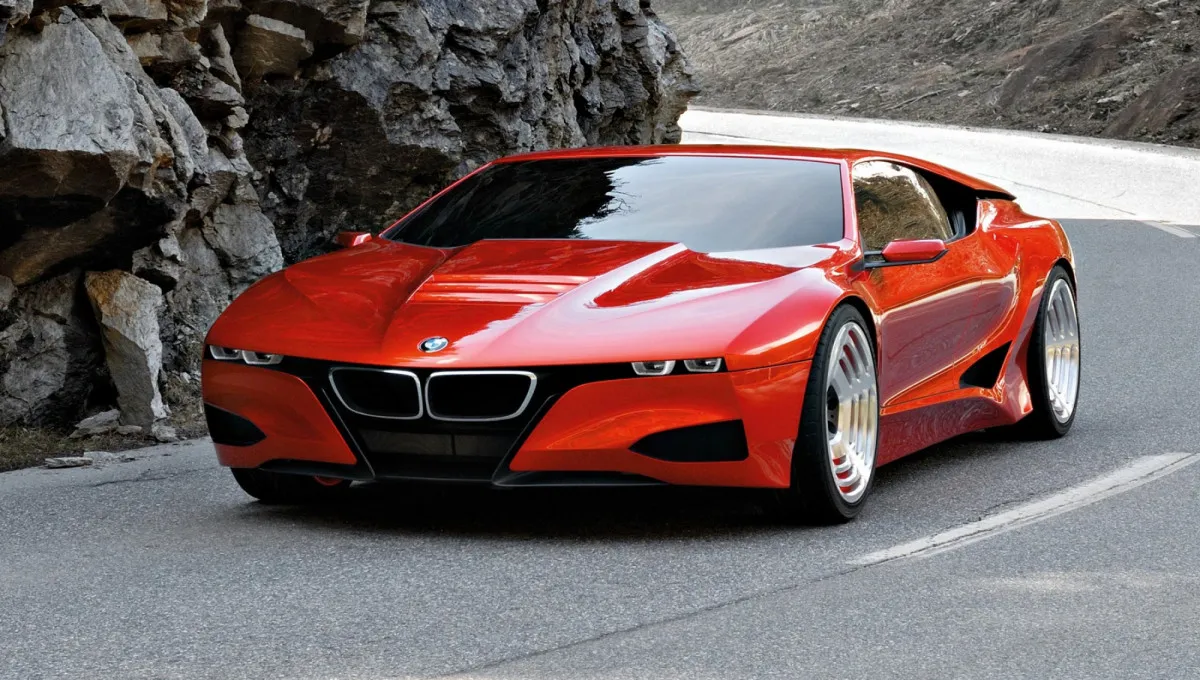
10 Wild BMW Concepts That Never Made It to Production — And the Cars They Inspired
From the Turbo to the M1 Hommage, these 10 BMW concepts showed ideas the automaker never brought to showrooms.
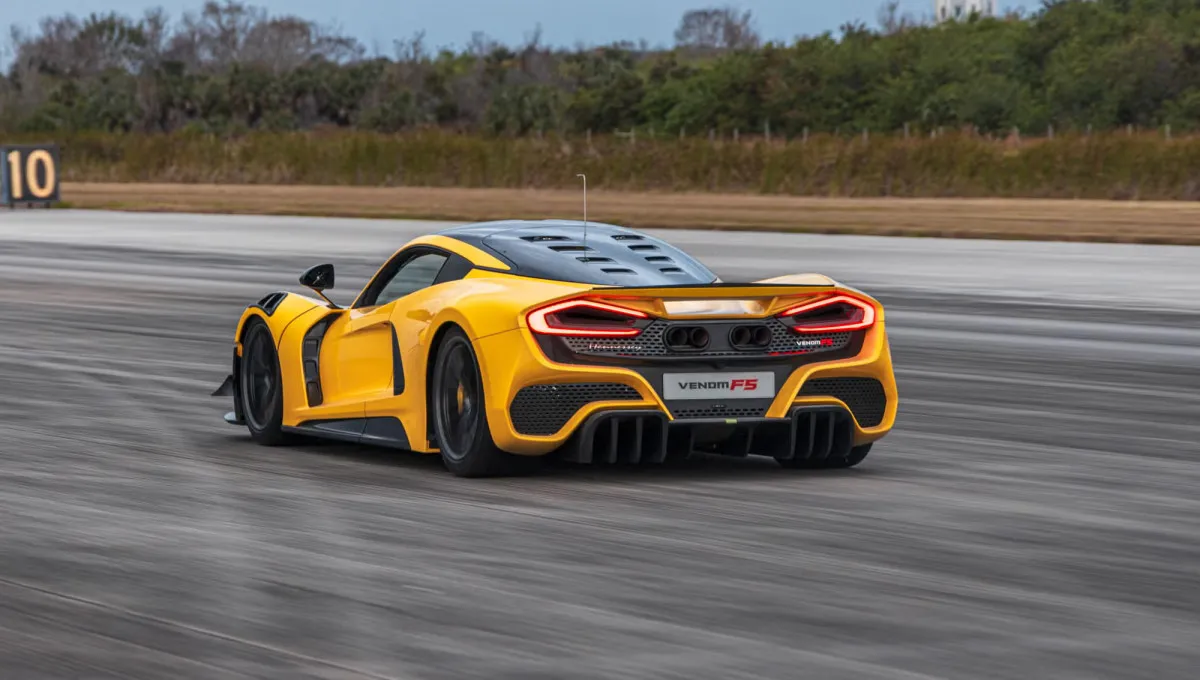
Experts Name the Two Most Powerful Production Sports Cars in the U.S.
American sports cars continue to impress with their horsepower, speed and innovative engineering, with two models standing above the rest.
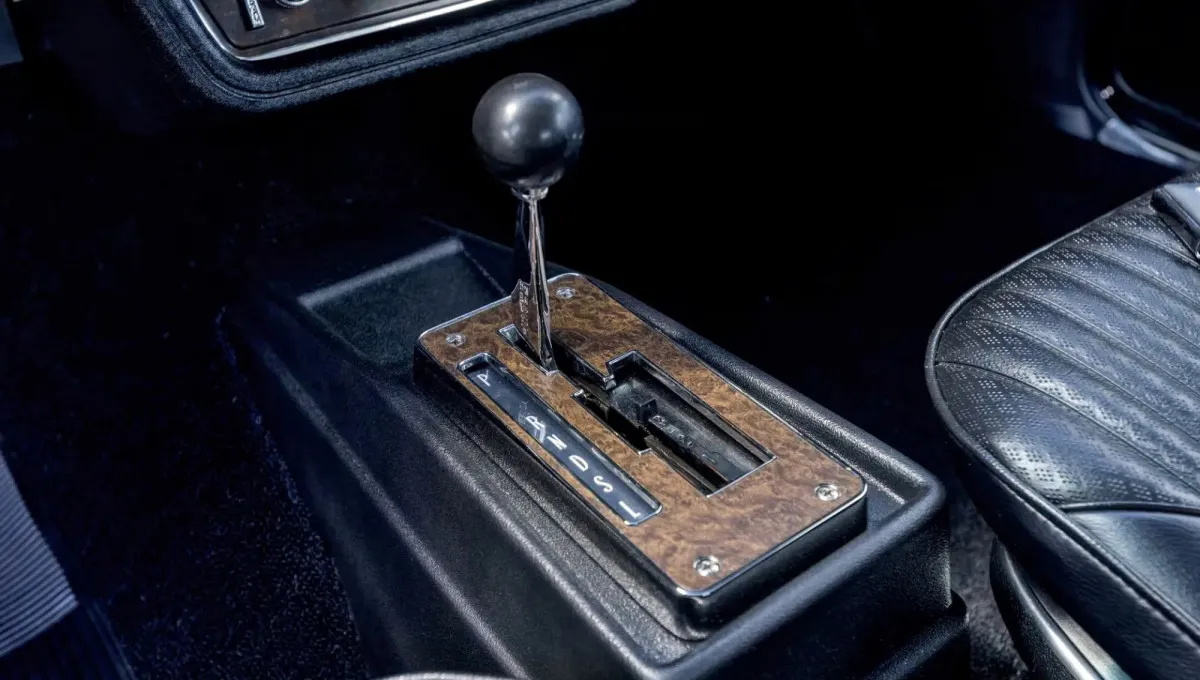
How Oldsmobile Invented a Manual Gearbox for an Automatic
Long before paddle shifters and electronic driving modes, Oldsmobile found a clever mechanical way to let drivers shift an automatic transmission themselves.