
How to Start a Car When the Push Button Ignition Stops Responding: Fixing Keyless Start Issues
Modern cars have “simplified” things, replacing the traditional ignition key with a push-button start system.
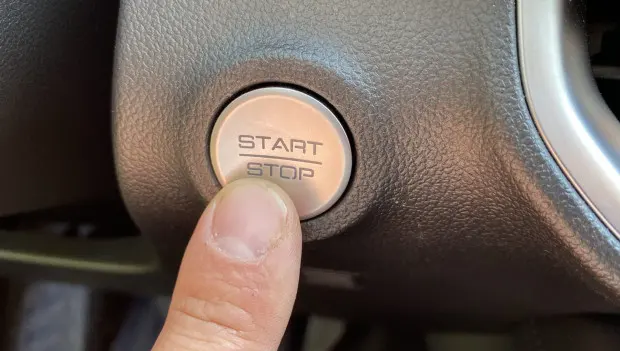
Back in the day, you turned a key and instantly knew where you stood. Today, things have been “simplified” — meaning the familiar ignition lock has disappeared along with the physical key, replaced by a push-button start. So when something goes wrong, where do you even begin troubleshooting?
The system, as a reminder, works together with a key fob. That fob may have basic lock/unlock buttons or support full keyless entry, where the car unlocks automatically as you approach. Let’s assume you’ve already made it inside the vehicle — the issue now is that the start button simply refuses to respond.
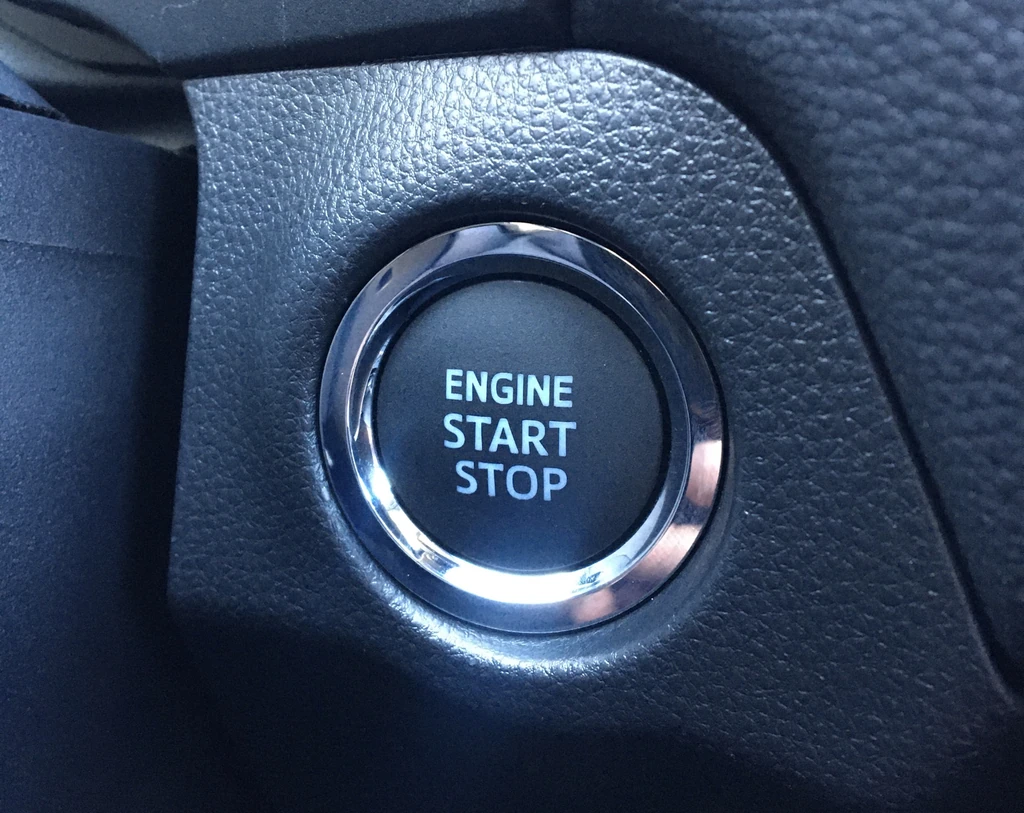
First, the simplest explanation is user error. This often happens in unfamiliar cars, like rentals. Make sure the transmission selector (if it’s an automatic) is in Park or Neutral, and that your foot is firmly on the brake when pressing the start button. Chances of this being the problem are small, but it’s worth checking.
Another common culprit is a weak key fob battery. Even if the car unlocked, the fob battery may already be close to dead. If there’s a physical emergency key inside the fob, it might have helped you get in. A quick trick is to hold the fob directly against the start button and try again. In some cases, that’s enough to get the system to recognize it.
Next, check the brake pedal switch. If it’s not working, the car won’t register that you’re pressing the brake. A quick clue is whether the brake lights turn on when you press the pedal.
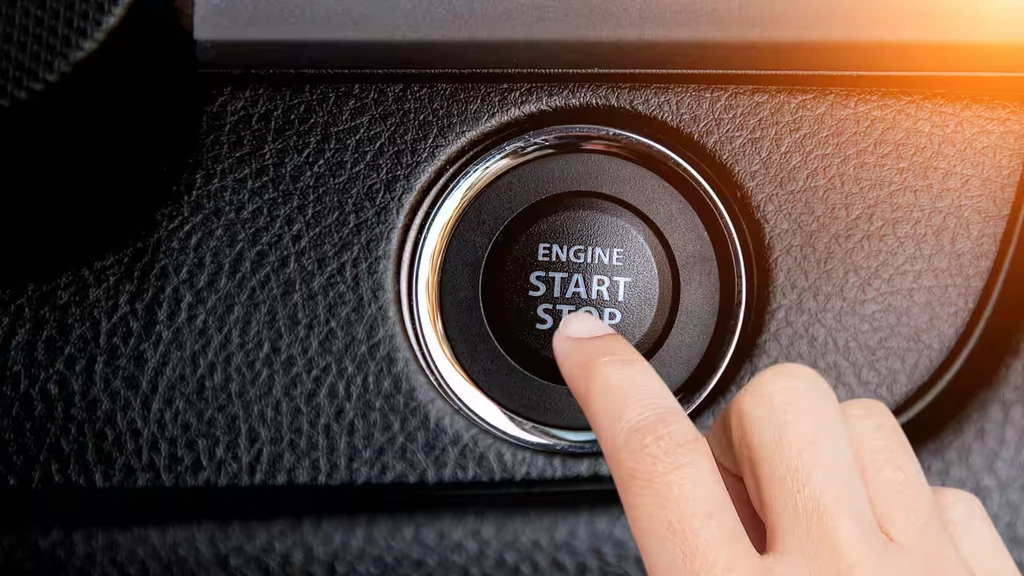
Some vehicles also have a slightly different start sequence: a short press of the button first to switch on ignition, then a longer press — sometimes holding it for around 10 seconds, similar to rebooting a frozen computer.
If nothing works, the issue may be more serious. The start button itself could be faulty, often due to worn or oxidized contacts. At that point, you’re looking at disassembly, cleaning, replacement, or a trip to a service center.
There’s also one basic but often overlooked possibility — a weak or dead car battery. If voltage drops below roughly 12 volts, the system may not function properly at all. Checking and charging the battery is always worth doing before anything else.
Starter motor issues are less common, but they do happen, especially if the unit has recently shown signs of hesitation. In that case, professional diagnostics are usually the safest route.
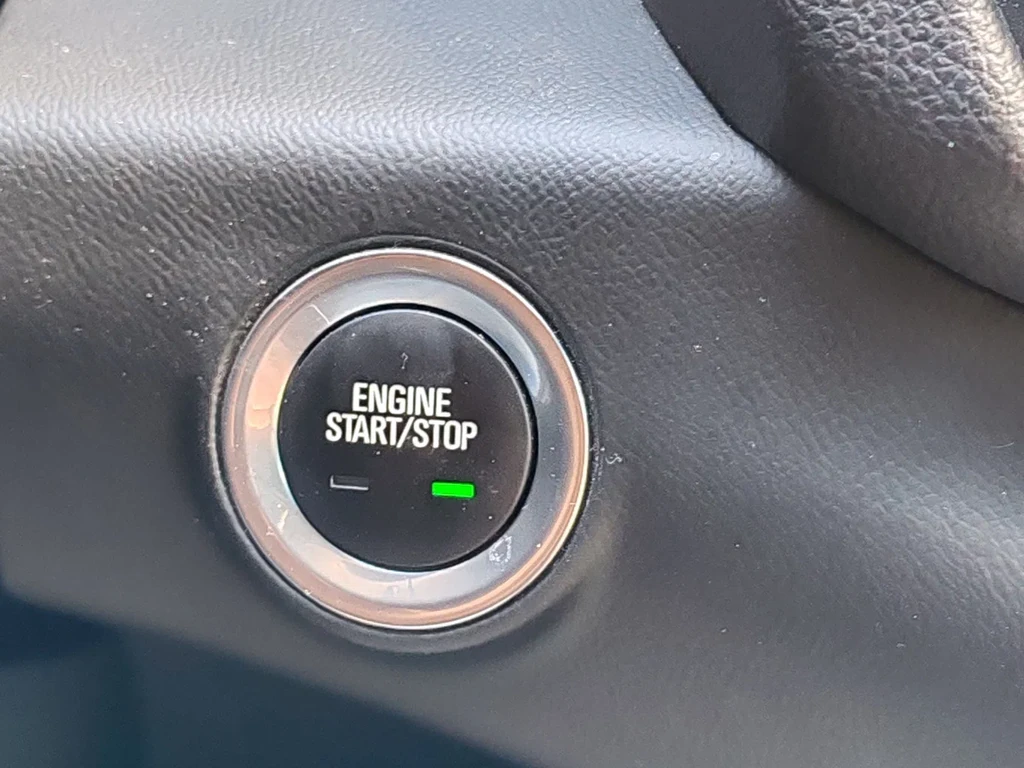
Another frequent troublemaker is an improperly installed aftermarket alarm or immobilizer system. It’s worth asking: do you even have one installed, and if so, has it been fully deactivated? These systems are often hidden, with a small emergency override switch somewhere under the dash.
And finally, a simple but important habit — keep a portable phone charger in the car. When electrical problems strike away from home, a dead phone can turn a minor inconvenience into a much bigger headache.
You may also be interested in the news:

Your Steering Wheel Starts Shaking at 60 MPH? Don’t Ignore These Warning Signs
A vibrating steering wheel is often most noticeable at highway speeds, but the cause isn’t always immediately obvious.
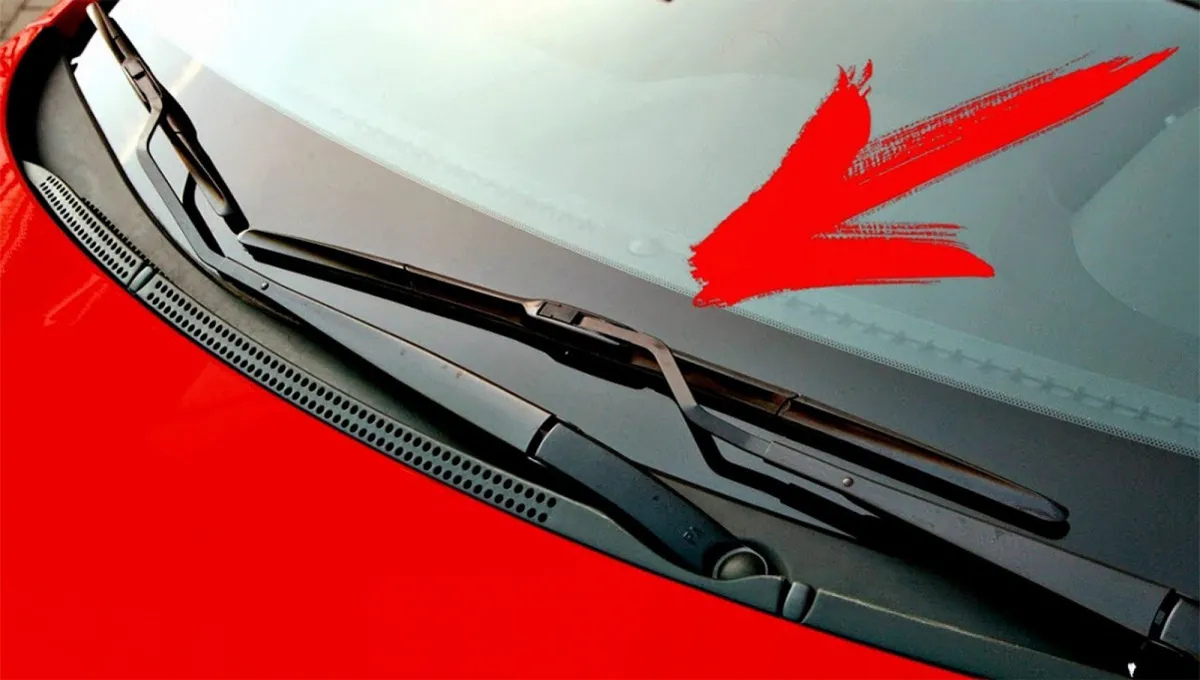
Windshield Wipers Aren’t Cleaning Properly? Here’s What Could Be Wrong
Why do windshield wipers sometimes fail to do their job?
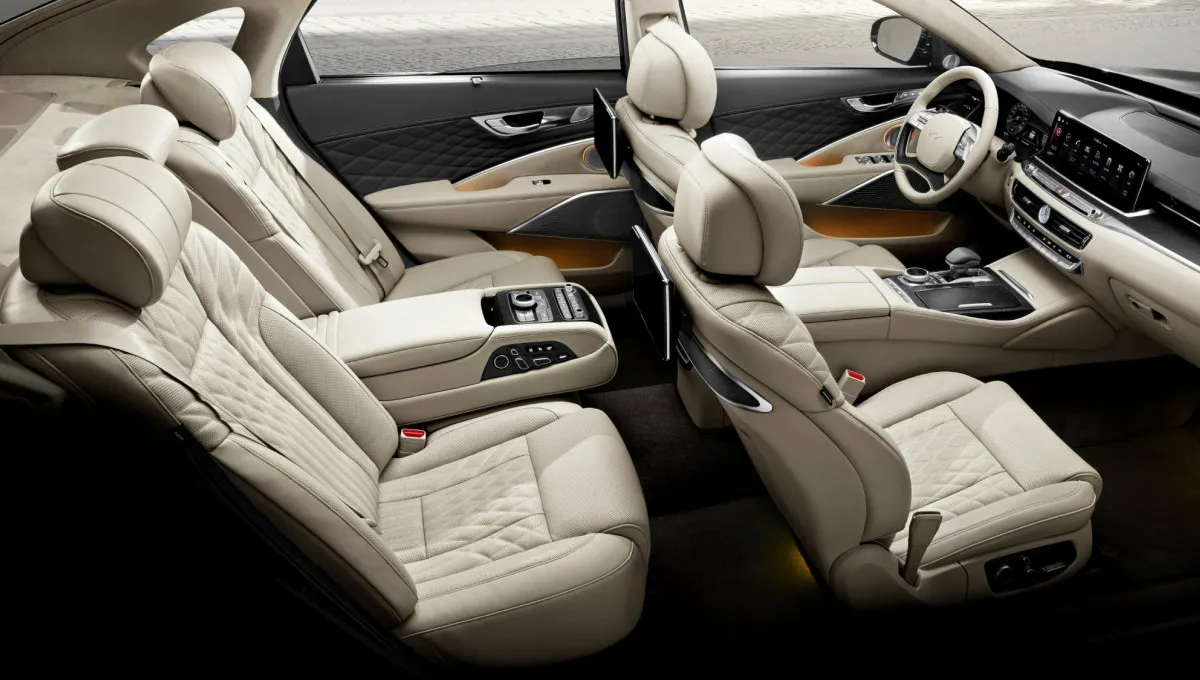
Best Sedans for Interior Space: The Roomiest Cars of 2026
These six sedans offer generous legroom and shoulder room, giving families a comfortable alternative to larger SUVs for long trips.

Best Cars for Teen Drivers: Affordable and Safe Picks
These affordable used and new vehicles combine strong safety ratings, reliability, and reasonable prices for young drivers and their families.

12 Used Cars Retirees Should Know About—These Models Put Safety, Comfort and Reliability First
Great for Retirees: These Used Cars Stand Out for Safety, Reliability and Comfort