
Why Standard Motor Oil Can Become Dangerous After 93,000 Miles
Experts explain how the right oil and maintenance habits can extend the life of high-mileage engines.
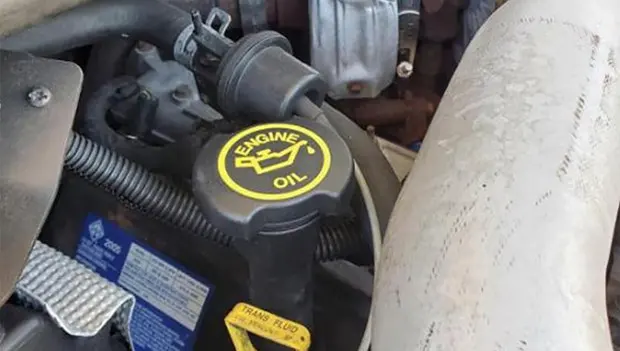
Once a vehicle passes the 93,000-mile mark, the usual maintenance routine often stops being enough. Engines with higher mileage require a different approach to care, especially when it comes to oil selection and service intervals. According to automotive experts, ignoring these changes can significantly increase the risk of major engine damage.
As mileage climbs, engines naturally begin to show signs of wear. Drivers may notice increased engine noise, new vibrations, or gradually worsening fuel economy. These changes aren’t just part of aging — they’re warning signs that traditional maintenance methods may no longer provide adequate protection.
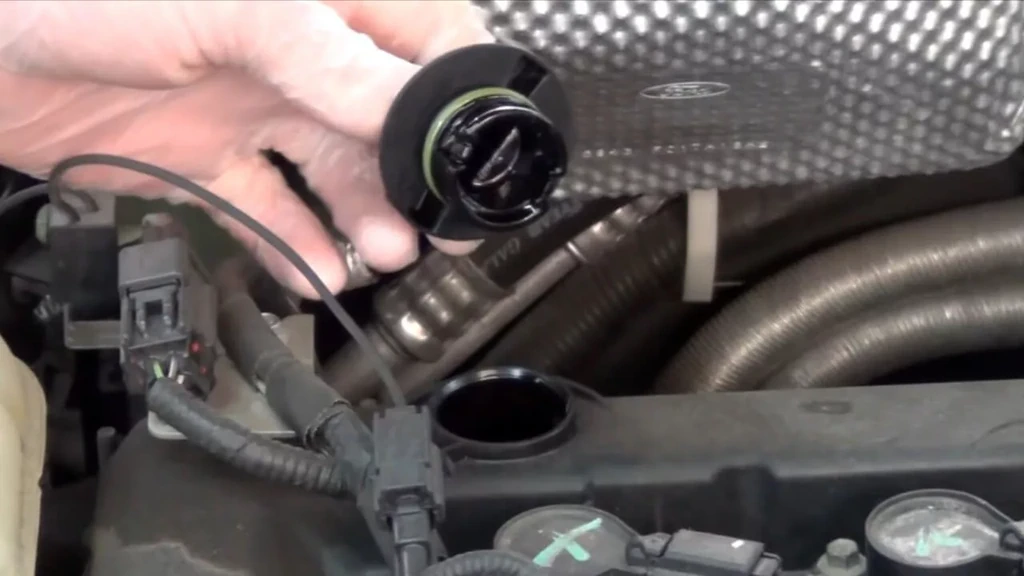
Many owners continue using common oils such as 5W-30 or 5W-40, assuming they remain the best choice for older engines. However, worn internal components often develop larger clearances, making it harder for thinner oil to maintain a protective layer where lubrication is needed most. As a result, some engine parts may operate with insufficient lubrication, accelerating wear and potentially leading to costly failures.
Specialists say switching to a slightly thicker oil, such as 10W-40, can help create a stronger protective film on worn surfaces. That said, oil alone cannot solve every problem. If piston rings are already heavily carboned up or stuck, even thicker oil may not prevent additional buildup and performance issues.
Experts also warn that viscosity is only part of the equation. For high-mileage engines, modern synthetic oils with low-ash formulations and certifications such as C3 or ILSAC are often the safer choice. These oils are designed to handle higher thermal loads while reducing harmful deposits inside the engine.
Cutting corners on oil quality can become especially risky in older vehicles. Counterfeit or low-grade oil may damage an engine within just a few thousand miles. Aging sensors and electrical systems can also make it harder for drivers to notice excessive oil consumption before serious problems develop.
Oil change intervals should also become shorter as vehicles age. While many modern cars advertise 9,000- to 10,000-mile oil change schedules, experts say that’s too long for engines with significant wear. For older vehicles, changing oil roughly every 4,500 to 5,000 miles is considered a much safer interval.
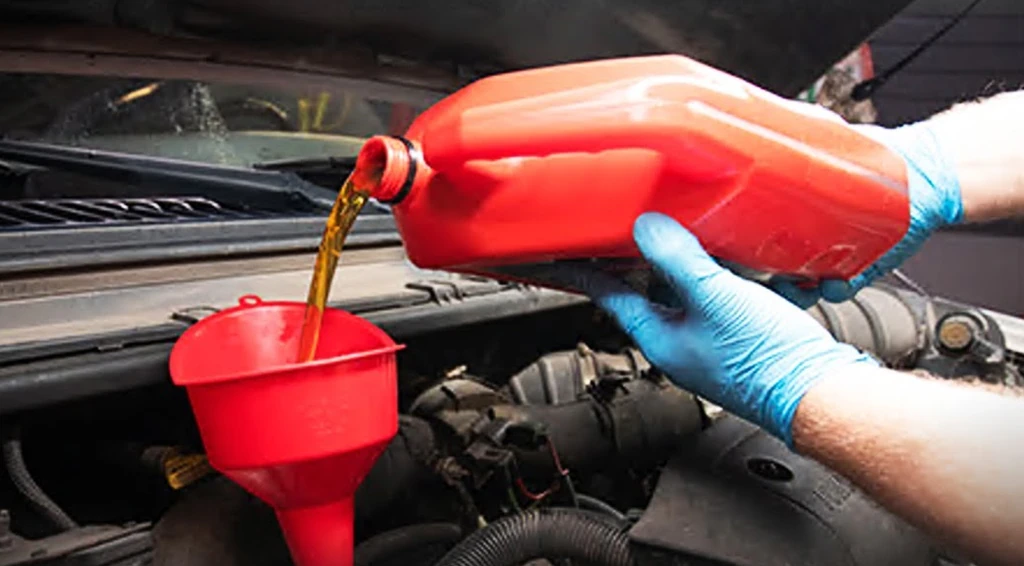
Dirty oil eventually turns abrasive, increasing wear on bearings and other internal components. If sludge and deposits have already accumulated inside the engine, mechanics recommend using only gentle cleaning methods. Aggressive engine flushes can sometimes damage aging seals and create new oil leaks.
Mechanical failures in high-mileage engines can also become serious safety risks. A seized engine at highway speeds may lead to dangerous situations on the road. Experts recommend checking oil levels regularly, monitoring for leaks, and paying close attention to unusual engine sounds. Even routine maintenance items, such as servicing the air conditioning system, can reduce engine strain and help extend overall lifespan.
Owners of older vehicles often ask whether switching from full synthetic to semi-synthetic oil makes sense, whether thicker oil can silence noisy hydraulic lifters, or whether aftermarket additives can restore worn metal surfaces.
According to specialists, semi-synthetic oils generally offer less protection than modern full synthetics, while thicker oil typically masks mechanical problems only temporarily. Most oil additives provide limited short-term effects rather than permanent solutions.
If oil consumption suddenly increases after switching brands, experts say the cause may be counterfeit oil or fresh detergent additives cleaning away deposits that had previously sealed worn gaps inside the engine. In that situation, mechanics recommend returning to a trusted oil product or performing a full engine compression and cylinder inspection.
You may also be interested in the news:

Steering Wheel Vibrating at Highway Speed? What to Check First
A vibrating steering wheel is often most noticeable at highway speeds, but the cause isn’t always immediately obvious.

Windshield Wipers Aren’t Cleaning Properly? Here’s What Could Be Wrong
Why do windshield wipers sometimes fail to do their job?

GM Just Unleashed an 8.3-Liter Diesel V8 to Take on Ford’s 1,200-Lb-Ft Power Stroke
General Motors has confirmed an all-new 8.3-liter Duramax V8 diesel called Mongoose for the 2027 Silverado HD and Sierra HD.

Best Sedans for Interior Space: The Roomiest Cars of 2026
These six sedans offer generous legroom and shoulder room, giving families a comfortable alternative to larger SUVs for long trips.

Best Cars for Teen Drivers: Affordable and Safe Picks
These affordable used and new vehicles combine strong safety ratings, reliability, and reasonable prices for young drivers and their families.