
Cracked Windshield: When Repair Makes Sense — and When Replacement Is the Smarter Move
Some windshield cracks can be repaired safely, while others demand immediate replacement to avoid bigger problems.
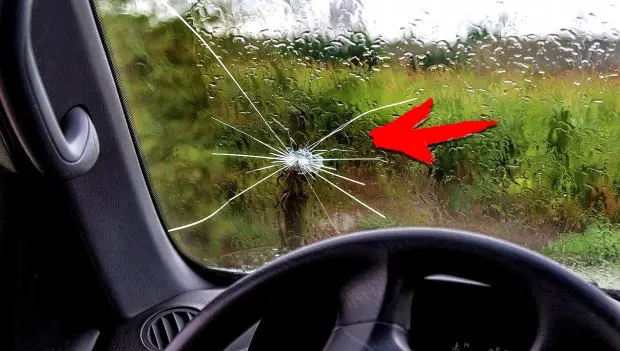
A cracked windshield is one of the most common problems drivers face, especially on highways where loose gravel and road debris can easily strike the glass. But not every crack automatically means you need a full windshield replacement. In many cases, modern repair techniques can restore both visibility and structural integrity — at least partially.
The key is understanding when a repair is actually worth attempting and when replacing the glass is the safer option.
Small cracks and chips are often repairable if the damage doesn’t penetrate completely through the windshield, obstruct the driver’s line of sight, or stretch across the entire surface of the glass. Damage outside the primary viewing area is usually easier to repair successfully.
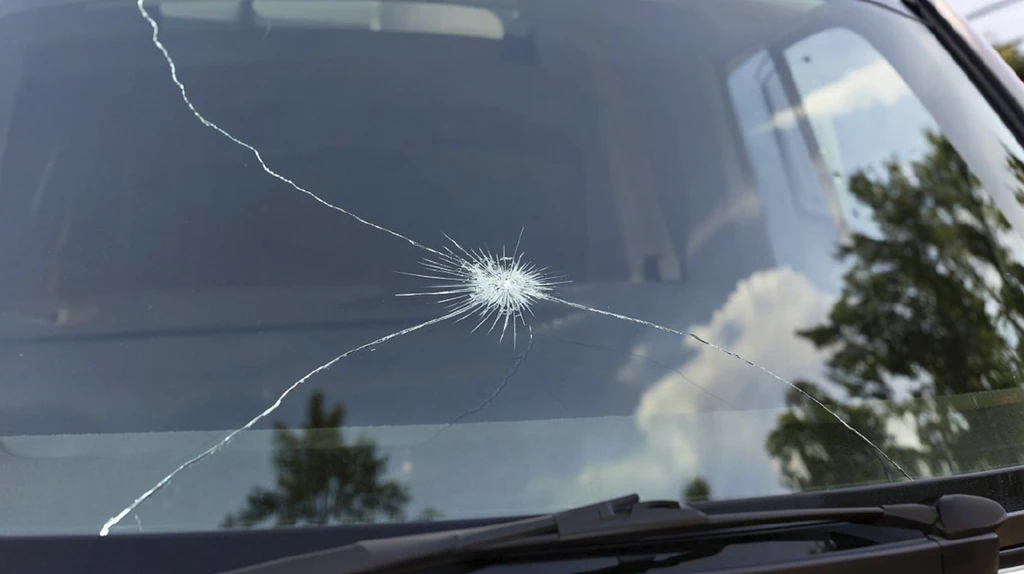
However, cracks located directly within the windshield wiper sweep area or directly in front of the driver can create problems even after repairs are completed. In many states, visibility-related windshield damage may also affect vehicle inspections or attract unwanted attention during traffic stops.
Experts warn that certain types of damage are poor candidates for repair. If the crack has already been repaired unsuccessfully, contains dirt or moisture, or was caused by body flex or improper windshield installation, the chances of a long-lasting fix drop significantly.
Multiple impact points or spiderweb-style cracking are also strong indicators that replacement is the better solution.
Modern windshield repair techniques are surprisingly advanced. One common method involves drilling a tiny relief point at the end of the crack to reduce internal stress and stop it from spreading further. Technicians use specialized low-speed carbide drill bits to avoid overheating the laminated glass.
After cleaning debris and moisture from the damaged area, a transparent resin with a refractive index similar to glass is injected into the crack. The resin is then cured using ultraviolet light, making the damage far less visible while helping restore strength to the windshield.
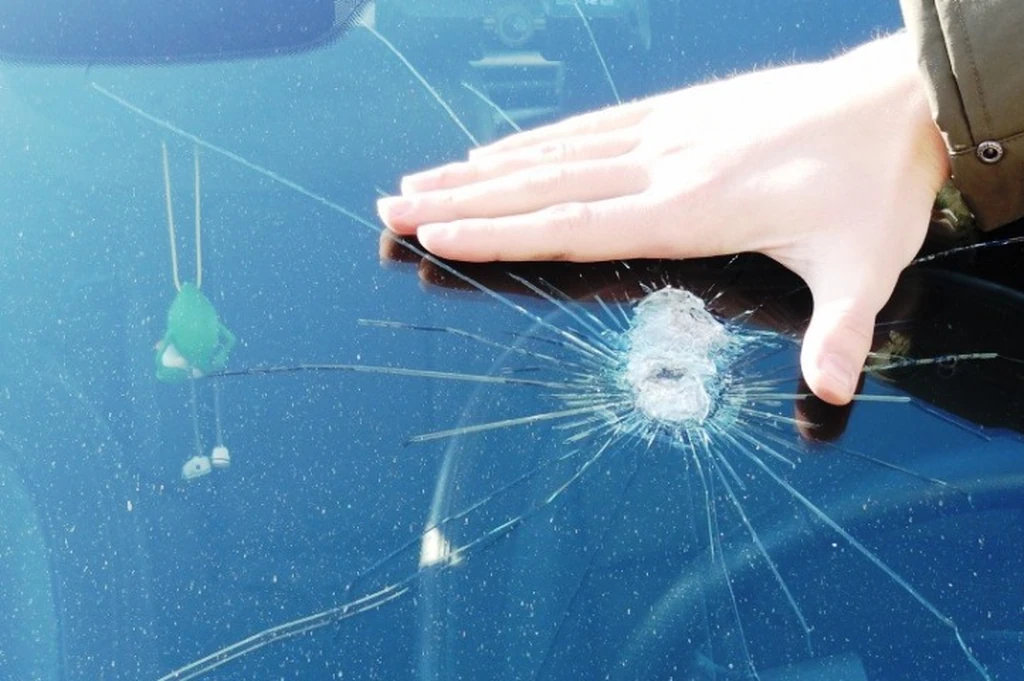
Most professional repairs take between 30 and 60 minutes depending on the severity of the damage.
DIY windshield repair kits are widely available and relatively inexpensive, but they require patience, precision, and proper technique. A failed repair attempt can easily make the crack worse, ultimately forcing a full replacement anyway.
That’s why many technicians recommend leaving larger or more complex repairs to professionals with specialized equipment and experience.
In general, windshield replacement becomes unavoidable if the crack stretches across the entire windshield, sits directly in the driver’s field of vision, or is accompanied by multiple chips and fractures.
A new windshield may cost more upfront, but it also restores full visibility and structural confidence — something even the best repair cannot always guarantee completely.
You may also be interested in the news:
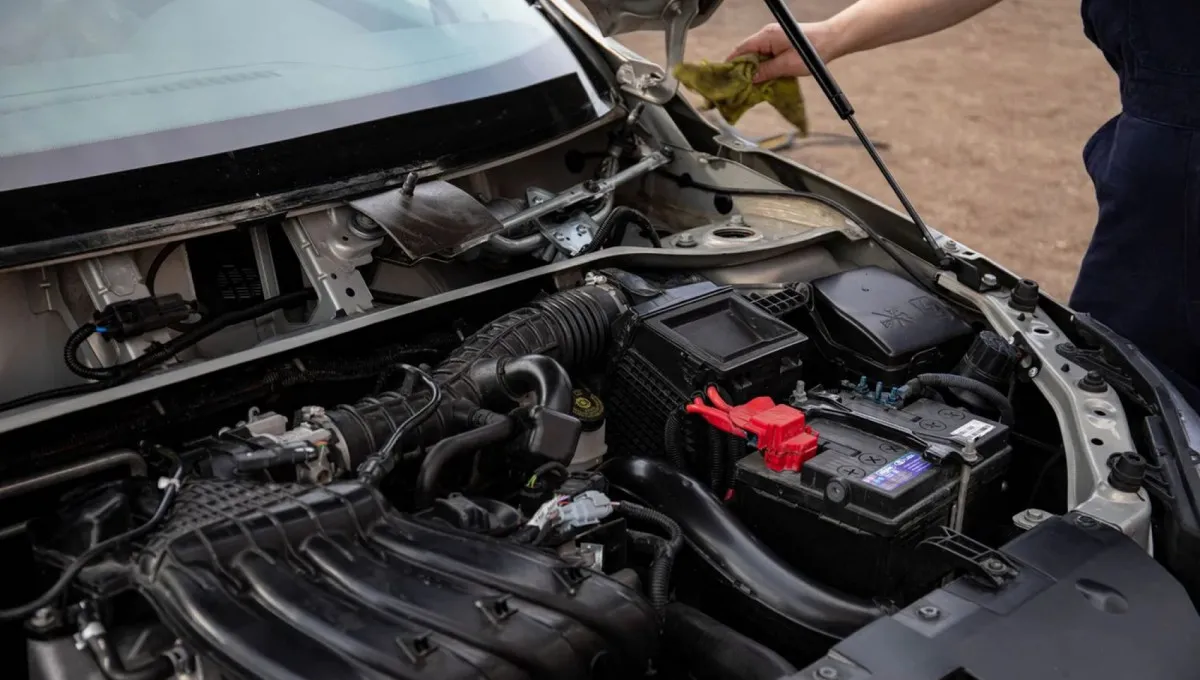
A Dirty Car Could Be Quietly Damaging Your Engine — And the Repairs Can Cost Thousands
A dirty car can threaten the engine, causing overheating, corrosion, fires, and costly mechanical failures.
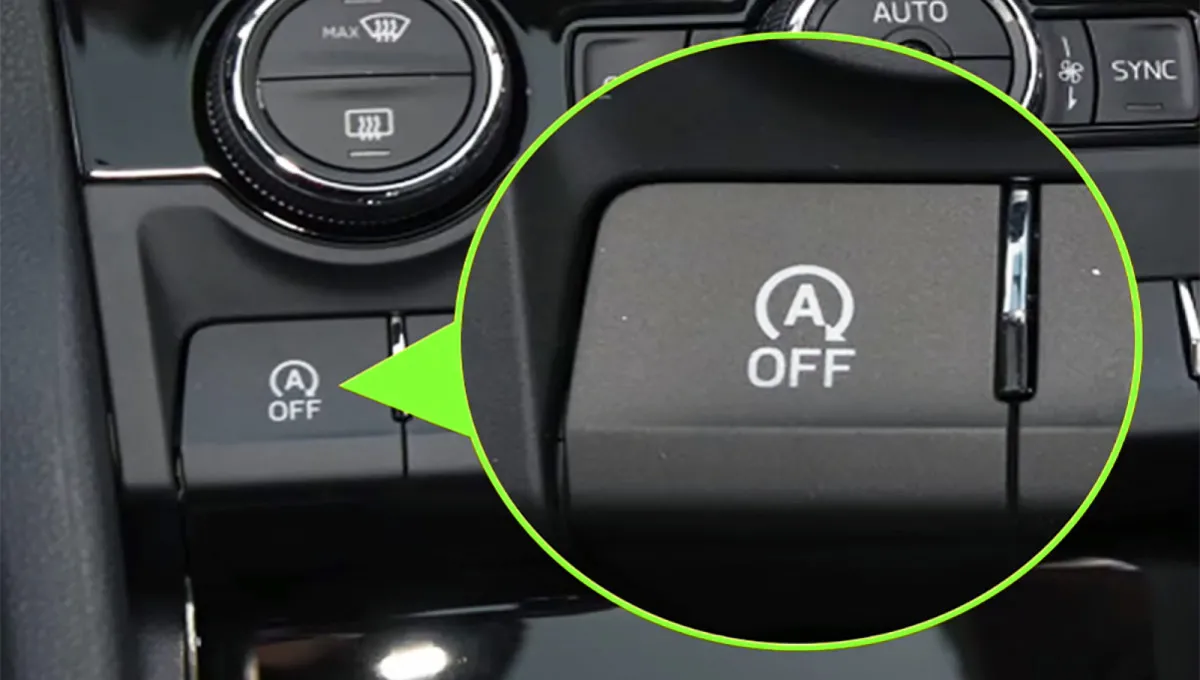
Start/Stop Systems Are Everywhere — But Are They Really Saving You Gas or Wearing Out Your Engine?
Does start-stop technology really save fuel, and does it put extra wear on the engine? Here’s what drivers need to know.
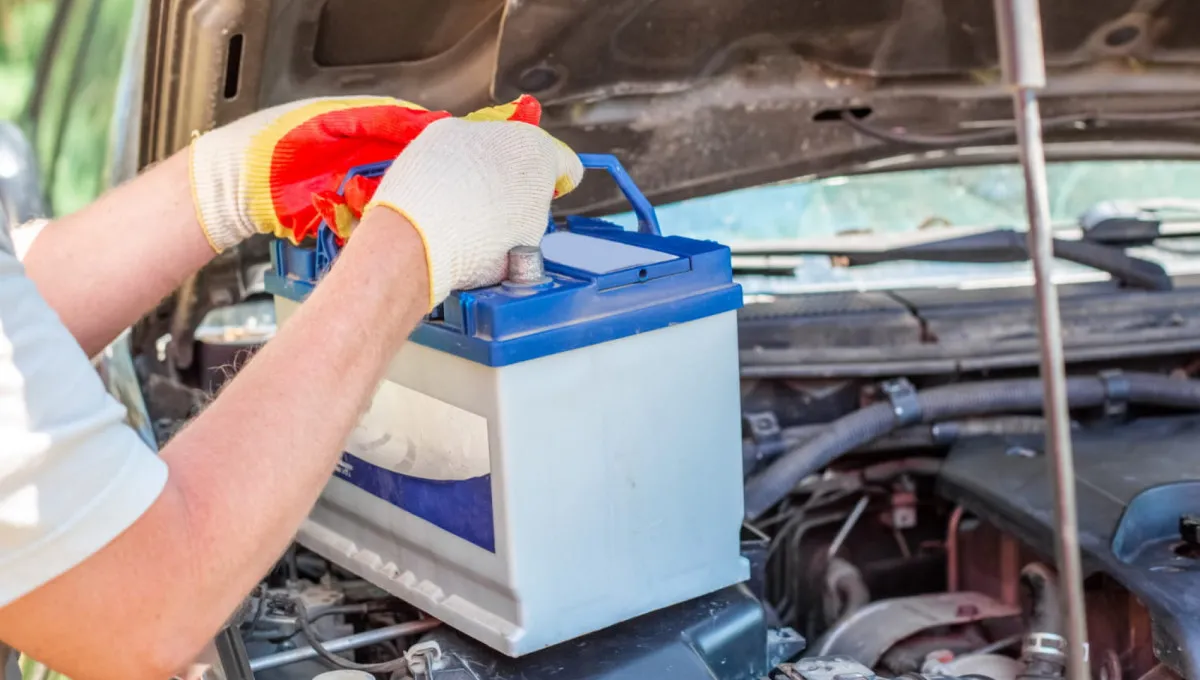
3 Signs Your Car Battery Is About to Die — And the Warning Signs Drivers Often Miss
A failing car battery rarely dies without warning, and these three signs can give drivers time to act before getting stranded.
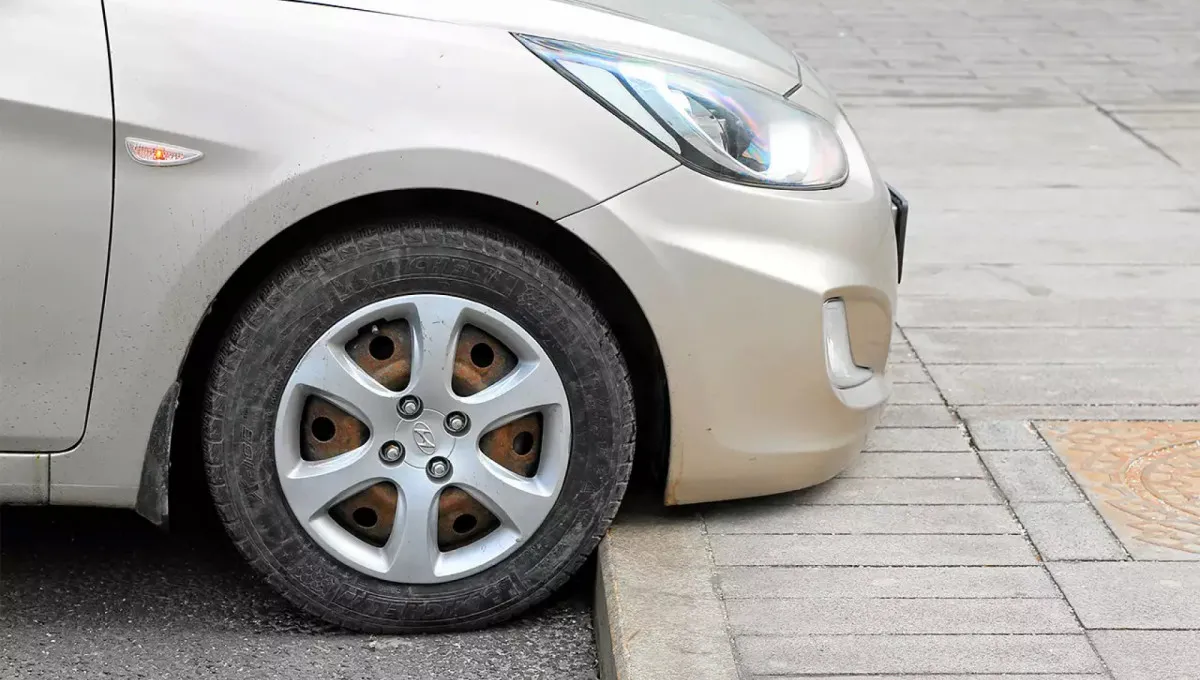
How to Park Close to a Curb Without Scratching Your Bumper: The Two-Mirror Method
How to Park Close to a Curb Without Scratching Your Bumper: The Simple Mirror Trick
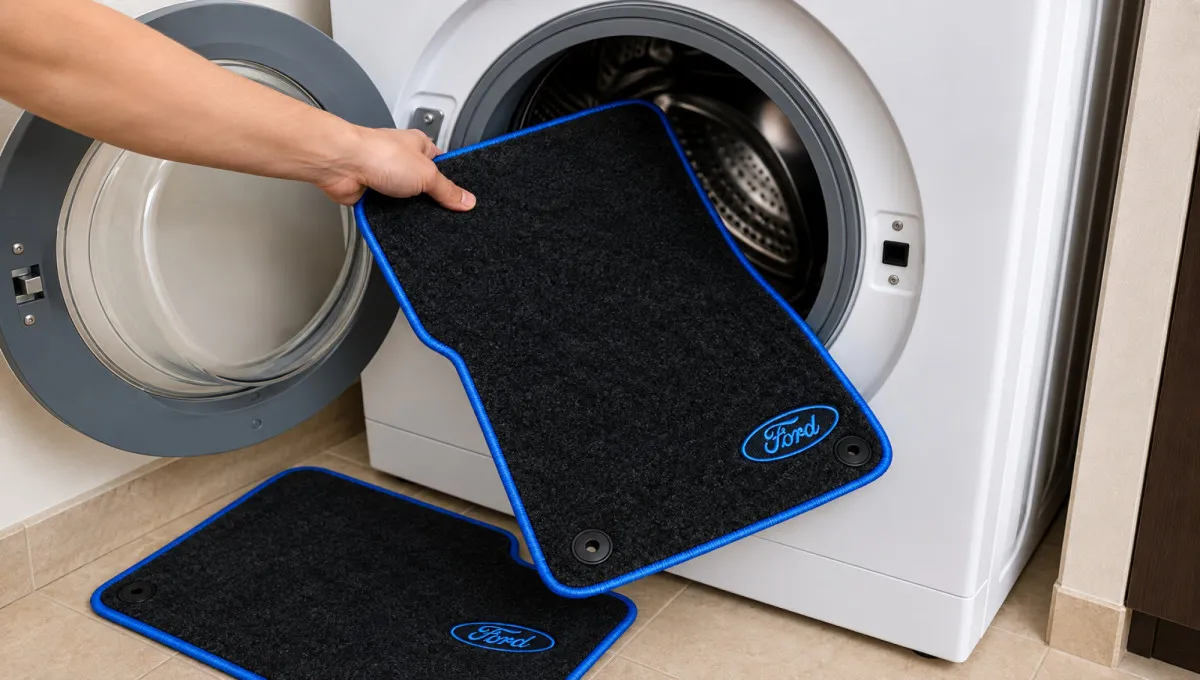
Can You Wash Car Floor Mats in a Washing Machine? Experts Have the Answer
Think Twice Before Washing Your Car Floor Mats in the Washing Machine, Experts Warn.