
Common “Car Problems” That Actually Aren’t Problems at All
Many normal vehicle behaviors are often mistaken for mechanical failures, especially by inexperienced drivers behind the wheel.
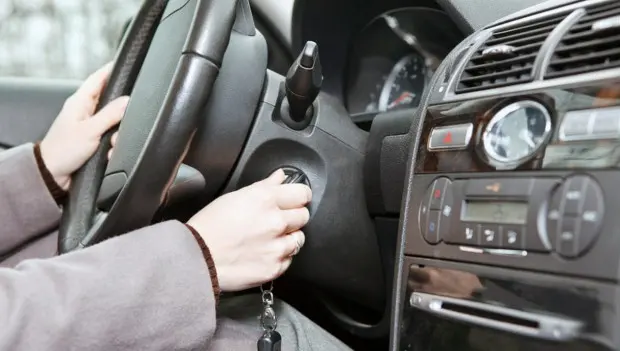
Many drivers — particularly newer ones — occasionally mistake normal vehicle behavior for serious mechanical trouble. Modern cars are full of design quirks, automated systems, and engineering characteristics that can seem alarming if you don’t know what’s happening.
Here are several common “problems” that usually don’t require a trip to the repair shop.
Clicking Sounds After Shutting Off the Engine
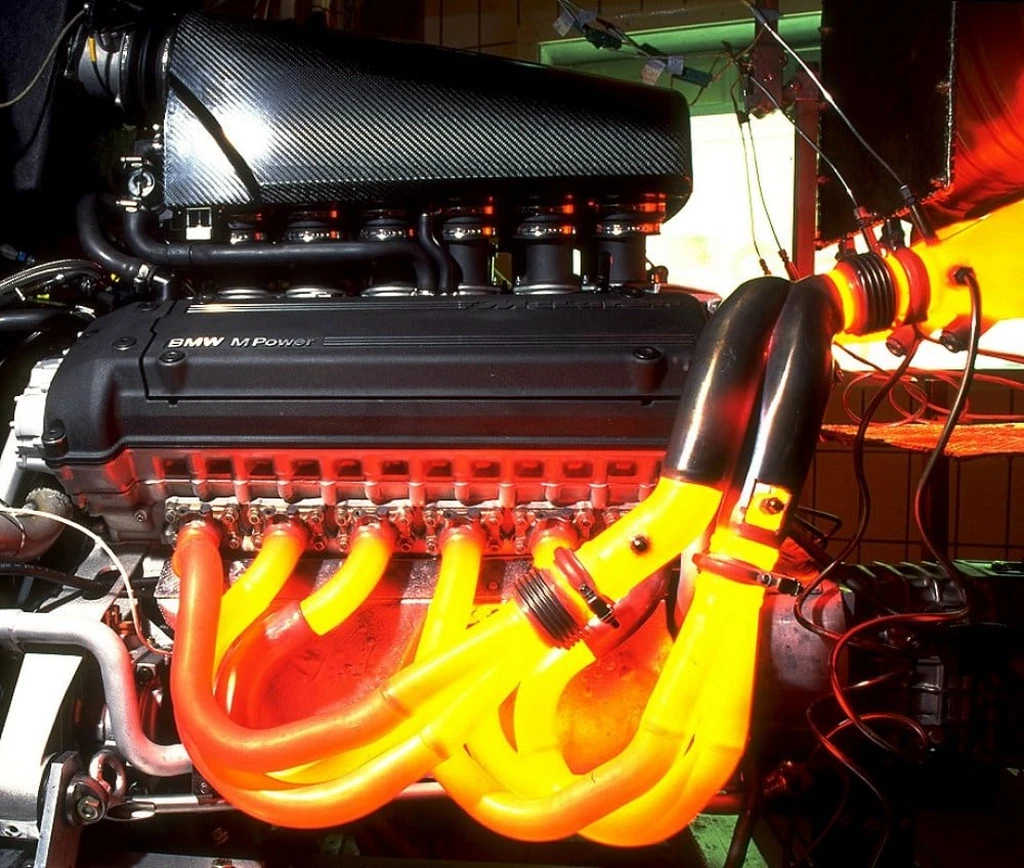
It’s common to hear clicking or ticking noises from underneath a vehicle shortly after turning the engine off. For inexperienced drivers, the sounds can seem concerning at first.
In reality, those noises are usually harmless. After a drive, components in the exhaust system become extremely hot. As the metal cools down, it contracts, creating small clicking sounds in the process. It’s simply part of the normal cooling cycle.
Steering Wheel Feels Stiff or “Sticks” During Sharp Turns
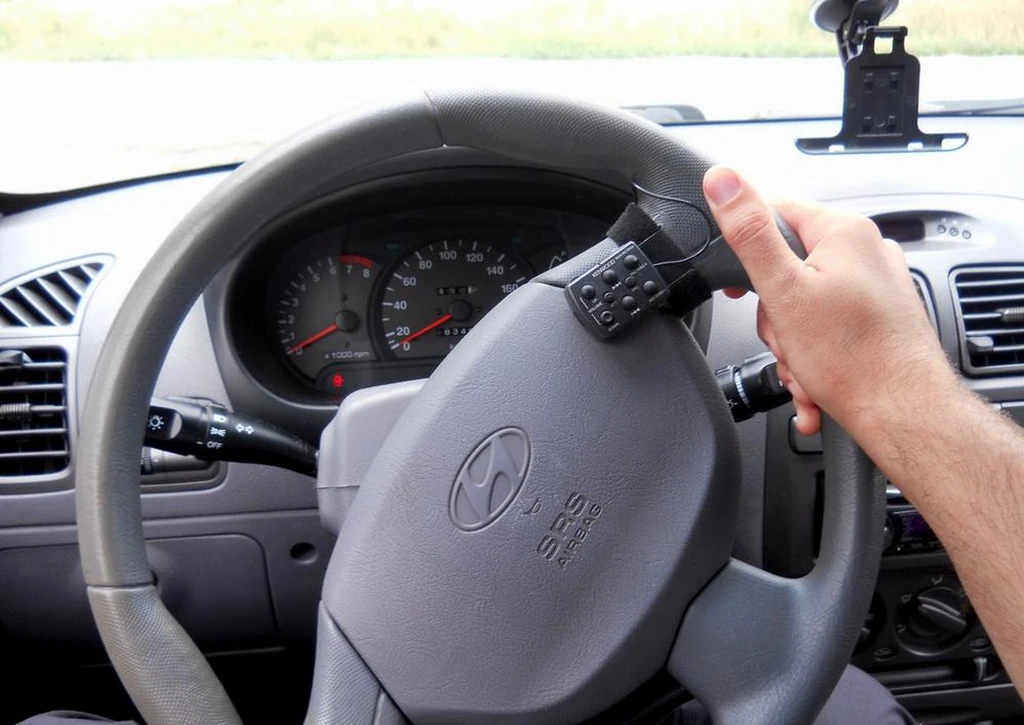
Some drivers notice that the steering wheel briefly feels heavier or resistant during sudden low-speed turns or aggressive steering inputs.
On vehicles equipped with hydraulic power steering, this can happen because the steering pump momentarily struggles to provide maximum hydraulic pressure during extreme wheel movement. In many cases, it’s more of a design limitation than a true defect.
That said, if the steering suddenly starts behaving differently than usual under the same conditions, it’s worth having the power steering system inspected.
Drivers may also notice the steering wheel twitching slightly during fast cornering or slippery conditions. That’s often the electronic stability control system (ESC) actively correcting the vehicle’s trajectory to maintain grip.
Cabin Air Recirculation Activates Automatically
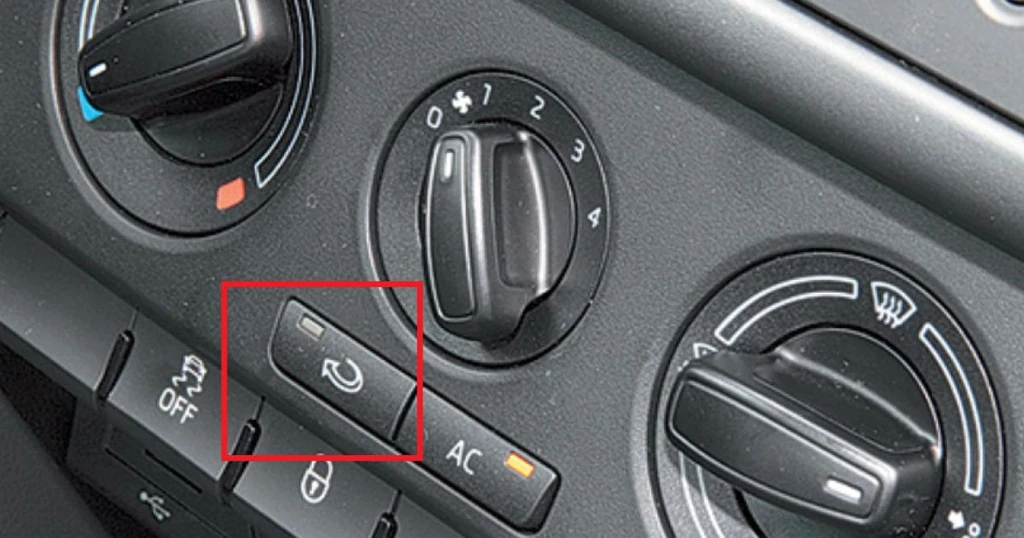
Some drivers become concerned when the climate system suddenly switches into cabin air recirculation mode on its own.
In many vehicles, this happens automatically when reverse gear is selected. The feature is designed to help prevent exhaust fumes from entering the cabin while backing up, especially in enclosed areas like parking garages.
Soft Brake Pedal After Replacing Brake Pads
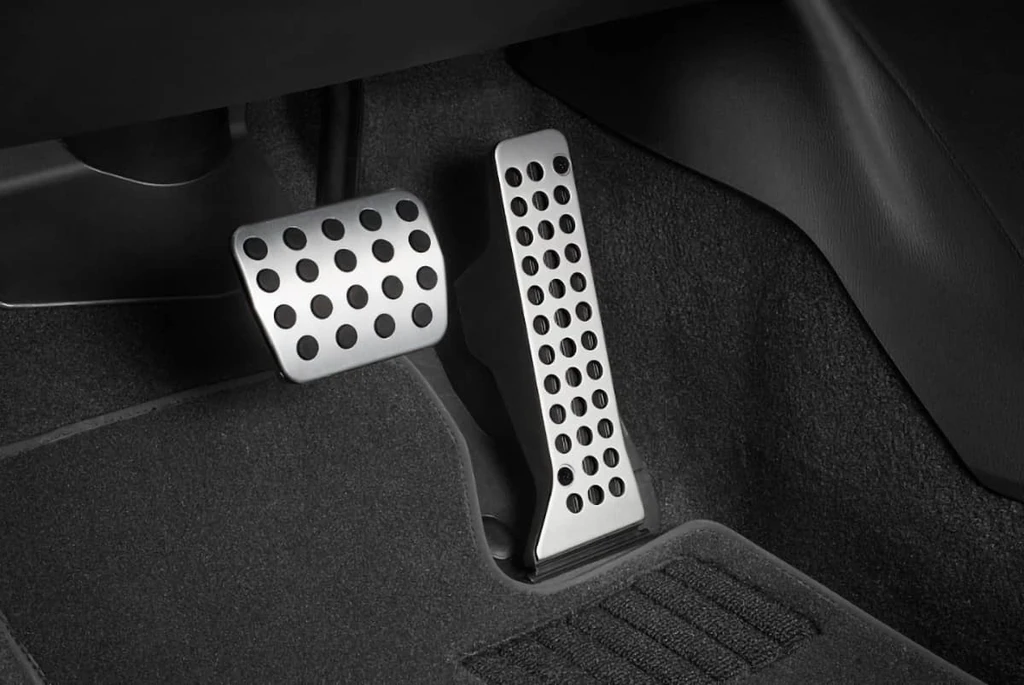
After installing new brake pads, the brake pedal may initially feel softer than normal, and stopping performance can seem slightly weaker.
That’s because the new pads need time to properly bed into the existing brake rotors. During the first 300 to 400 miles, braking feel may seem different while the surfaces wear into each other. Once the components settle in, pedal feel and braking performance usually return to normal.
Steering Wheel Locks Unexpectedly
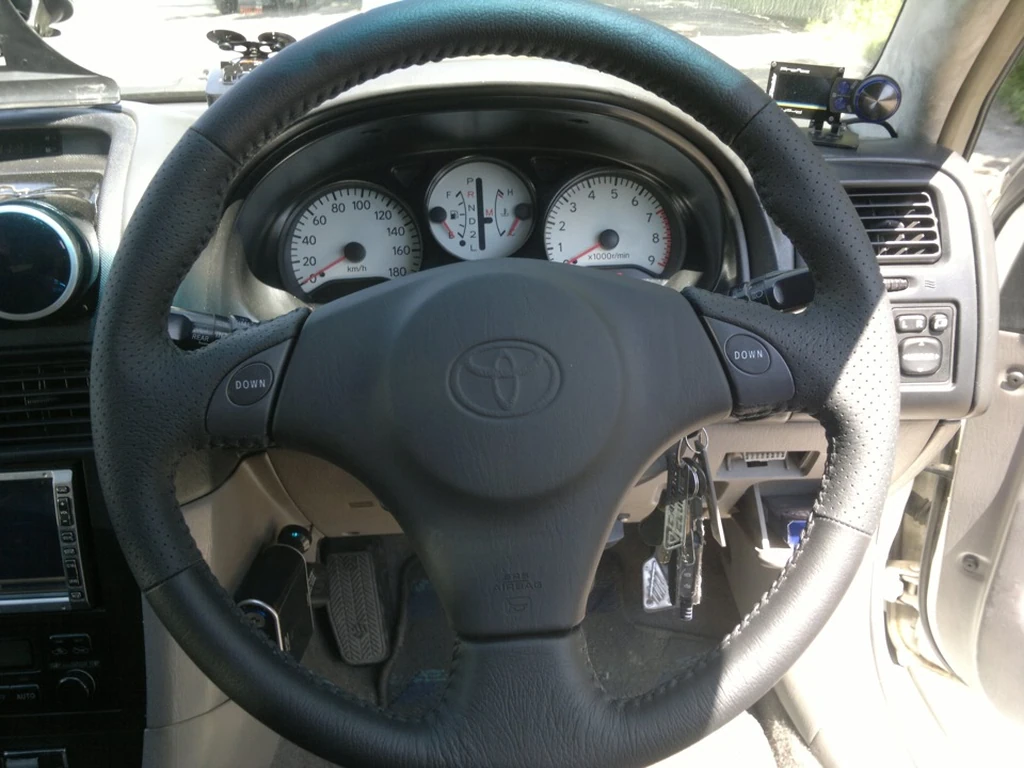
This one catches many first-time drivers off guard.
Most vehicles include a steering wheel lock that activates if the wheel is turned without the key in the ignition or without the vehicle being fully powered on. Sometimes, even after inserting the key or pressing the start button, the wheel may remain locked.
Usually, the fix is simple: gently turn the steering wheel left and right while simultaneously turning the key or pressing the ignition button. This releases tension on the locking mechanism and allows the steering column to unlock.
The Car Won’t Start Even Though the Battery Is Fine
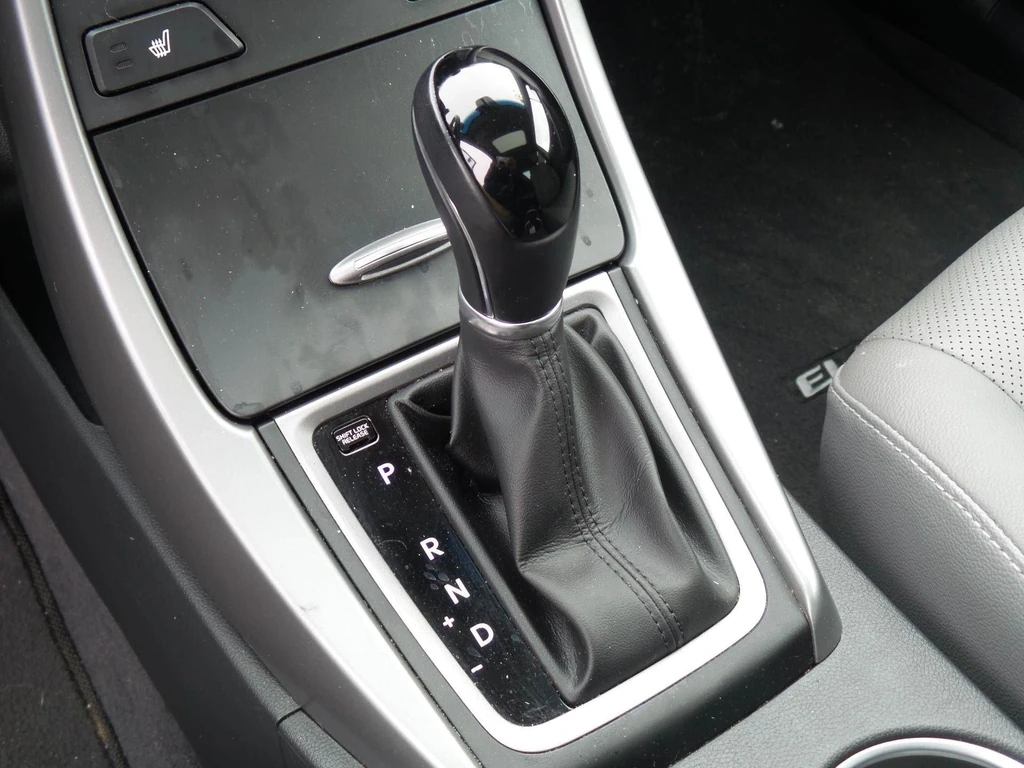
Sometimes a vehicle refuses to start despite having a healthy battery and no obvious warning signs.
One of the most common reasons is surprisingly simple: the transmission selector isn’t in the correct position. On vehicles with automatic transmissions, the engine typically won’t start unless the shifter is in Park (“P”) or Neutral (“N”).
This safety feature prevents the car from accidentally moving forward or backward during startup. If the selector is left in Drive (“D”) or Reverse (“R”), the vehicle’s computer blocks the ignition system from engaging.
You may also be interested in the news:
3 Signs Your Car Battery Is About to Die — And the Warning Signs Drivers Often Miss
A failing car battery rarely dies without warning, and these three signs can give drivers time to act before getting stranded.
How to Park Close to a Curb Without Scratching Your Bumper: The Two-Mirror Method
How to Park Close to a Curb Without Scratching Your Bumper: The Simple Mirror Trick
Can You Wash Car Floor Mats in a Washing Machine? Experts Have the Answer
Think Twice Before Washing Your Car Floor Mats in the Washing Machine, Experts Warn.
What Your Glove Box Says About You: See What Taurus, Virgo and Sagittarius Keep Inside
Every driver has their own glove-box habits. For Taurus, Virgo and Sagittarius, the items inside can reveal a surprising little story.
YouTube Has a New Problem: AI Is Creating Fake Mechanics Who Look Completely Real
Artificial intelligence is now being used to create convincing fake auto mechanics on YouTube, raising concerns about misleading advice.