
Common Driving Fears on American Roads That Affect Both Beginners and Experienced Drivers
ven confident drivers struggle with stressful road situations that can quickly turn routine trips into nerve-racking experiences.
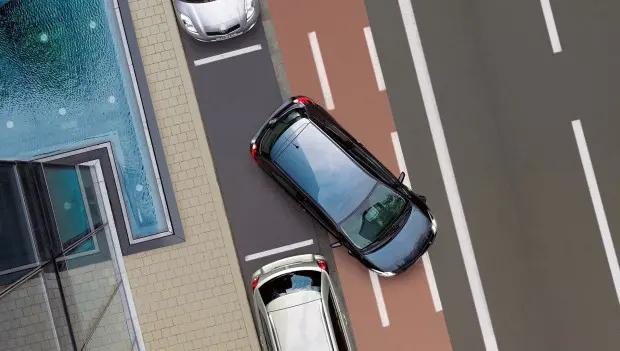
Feeling nervous behind the wheel is often associated with new drivers, but even experienced motorists have situations they’d rather avoid. From potholes to tight parking jobs, certain driving scenarios can test anyone’s patience and confidence. Here’s a closer look at some of the most common road fears — and what drivers can do to handle them more comfortably.
Potholes
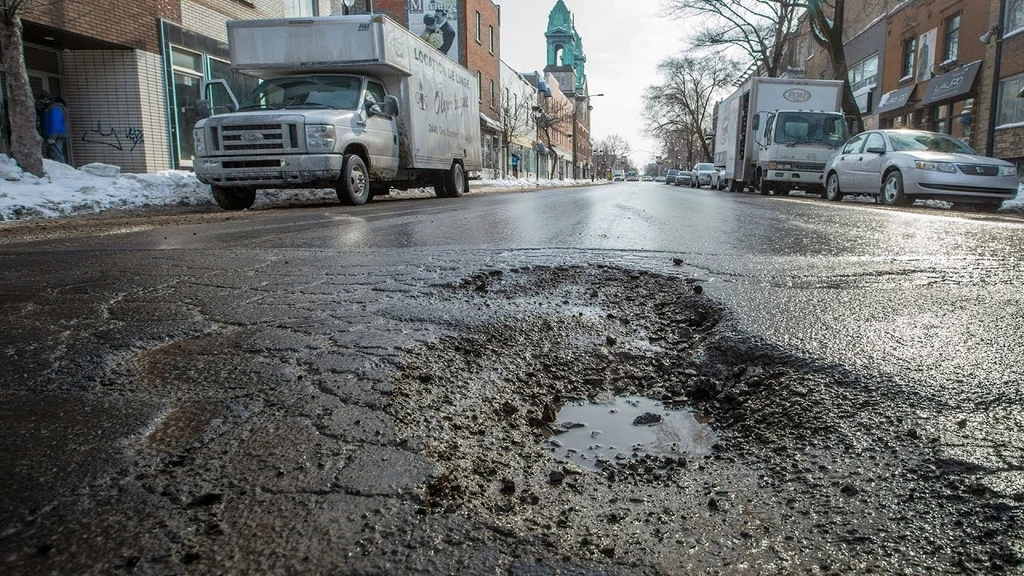
Few things are more frustrating than spotting a massive pothole too late to avoid it. Every driver knows that sinking feeling: there’s no room to swerve, no time to brake, and then comes the loud bang that makes you immediately wonder about your suspension, tires, or alignment.
Vehicle repairs in the U.S. aren’t cheap, which is why many drivers become hyper-alert on rough roads, especially after winter damage or heavy construction seasons.
The best way to minimize pothole damage is simple: stay attentive and avoid excessive speed on unfamiliar roads. If you notice a pothole ahead, brake smoothly before reaching it — but ease off the brake pedal just before impact. That helps reduce weight transfer onto the front suspension and allows the vehicle to absorb the bump more naturally.
The same principle applies after the front wheels clear the hole. Avoid suddenly accelerating, since that can slam the rear suspension into the damaged pavement. On rough roads, smooth and steady driving usually causes the least damage.
Narrow Streets and Heavy Traffic

Tight city streets packed with traffic make many new drivers anxious, while experienced drivers usually just find them exhausting.
In these situations, patience matters more than speed. Staying calm, maintaining awareness of surrounding vehicles, and avoiding rushed decisions can dramatically reduce stress levels. There aren’t many shortcuts here — confidence usually comes with repetition and experience.
One helpful way to improve spatial awareness is practicing in an empty parking lot using cones or even water bottles to simulate tight spaces. Exercises like that can help drivers better understand their vehicle’s dimensions before dealing with crowded urban traffic.
Driving instructors often point out that confidence comes from preparation, not luck. Practicing difficult maneuvers intentionally is one of the fastest ways to reduce anxiety behind the wheel.
Driving in Reverse

Backing up remains stressful for many drivers, especially when complex maneuvers are involved. Most people rarely spend extended time reversing outside of parking situations, so even experienced drivers can feel uncomfortable when visibility becomes limited.
The reality is that no driver — no matter how skilled — can fully see every angle around a vehicle while backing up. Blind spots are unavoidable.
That’s why there’s no shame in moving slowly, double-checking mirrors and cameras, or even asking someone outside the vehicle to help guide you when necessary. Controlled, deliberate movements are almost always safer than rushed corrections.
One rule applies to nearly every stressful driving situation: don’t hurry. Good driving decisions should always happen before the maneuver itself, not during a moment of panic.
Parallel Parking With an Audience
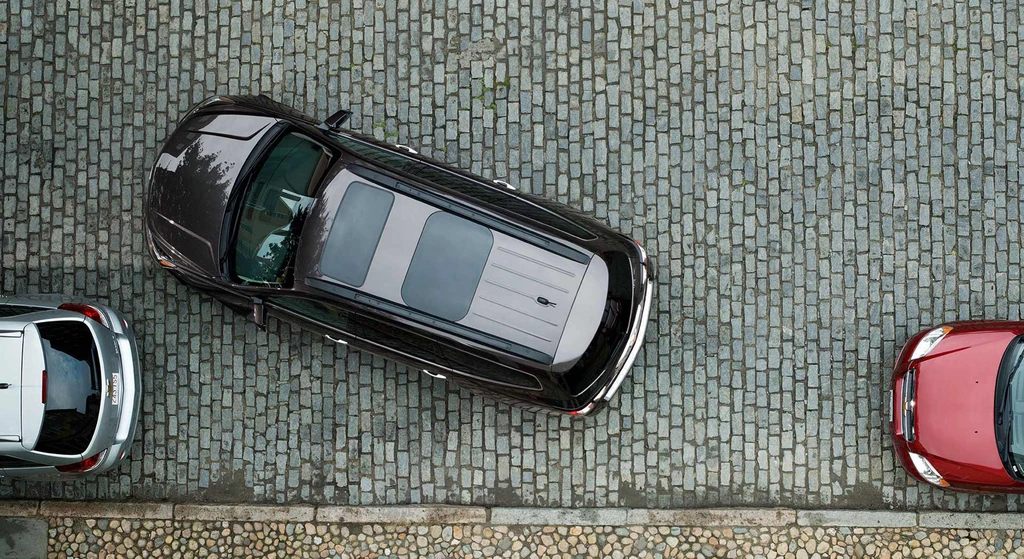
Parallel parking may be one of the most universally disliked parts of city driving. The pressure becomes even worse when passengers — or impatient drivers behind you — are watching every move.
That added stress often causes people to rush, overcorrect, or abandon the spot entirely in search of easier parking somewhere farther away.
Like most driving skills, parallel parking improves with repetition. Regular practice helps build muscle memory and reduces panic when the situation arises in real traffic. Over time, what once felt intimidating eventually becomes routine.
You may also be interested in the news:
3 Signs Your Car Battery Is About to Die — And the Warning Signs Drivers Often Miss
A failing car battery rarely dies without warning, and these three signs can give drivers time to act before getting stranded.

Mansory Gives the Rolls-Royce Cullinan a Wild New Look With Carbon, Orange and 720 HP
Mansory has transformed the Rolls-Royce Cullinan into a dramatically styled luxury SUV with carbon fiber, orange accents and more power.
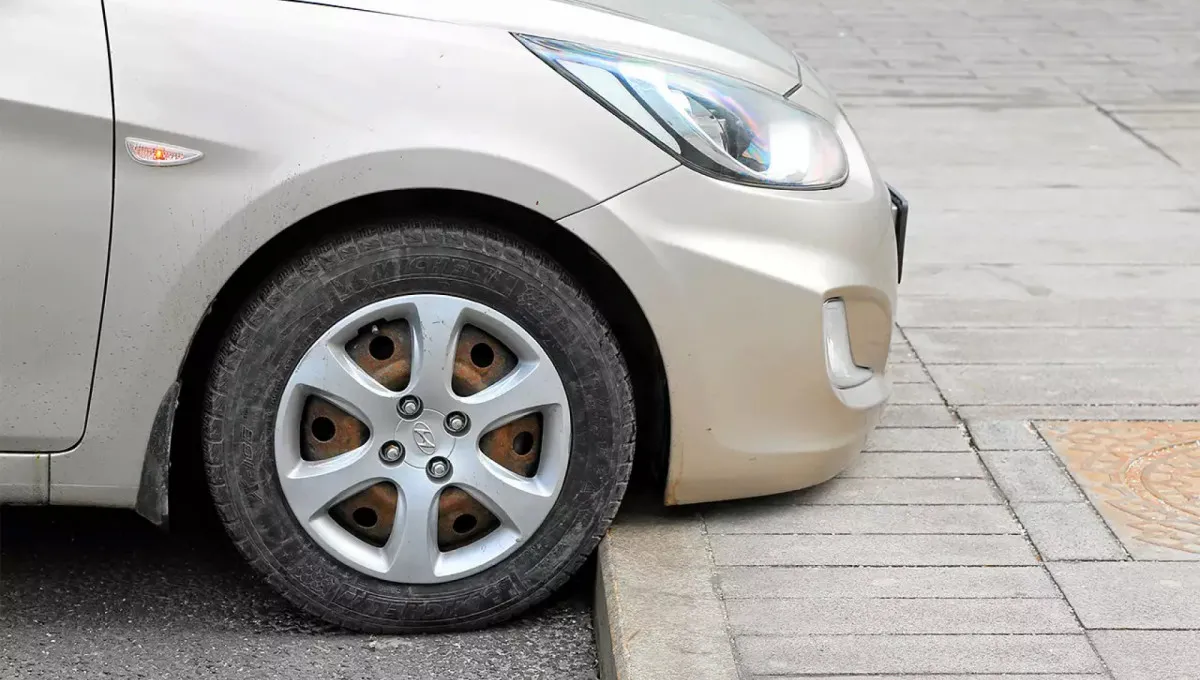
How to Park Close to a Curb Without Scratching Your Bumper: The Two-Mirror Method
How to Park Close to a Curb Without Scratching Your Bumper: The Simple Mirror Trick

Can You Wash Car Floor Mats in a Washing Machine? Experts Have the Answer
Think Twice Before Washing Your Car Floor Mats in the Washing Machine, Experts Warn.
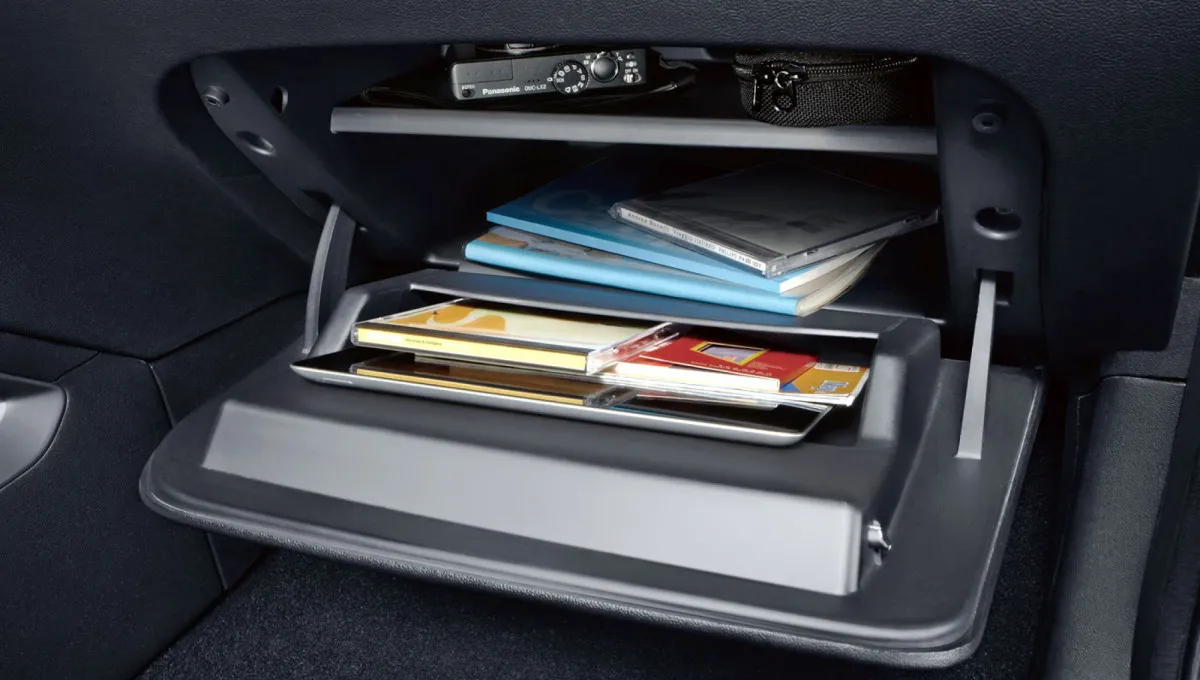
What Your Glove Box Says About You: See What Taurus, Virgo and Sagittarius Keep Inside
Every driver has their own glove-box habits. For Taurus, Virgo and Sagittarius, the items inside can reveal a surprising little story.