
What the Shark Fin on Your Car’s Roof Actually Does
That small shark fin on your car’s roof hides key technology most drivers rely on daily.
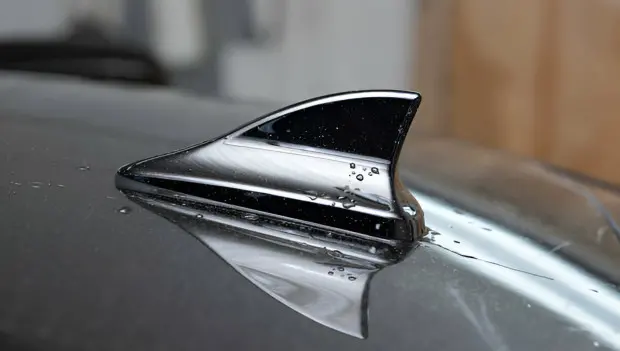
Automotive technology keeps moving forward. People still talk about flying cars being just around the corner, and new innovations — like flat electrostatic speakers — keep reminding drivers how quickly the industry is changing. Decades ago, many vehicles had long metal antennas sticking out from the hood or fender. Today’s cars look far sleeker, and you won’t find a place to attach an antenna topper anymore. Physical keys are even disappearing thanks to digital key systems.
It might sound strange now, but there was once a time when selling antenna toppers was a surprisingly big business. Some entrepreneurs reportedly made six-figure incomes producing novelty decorations that clipped onto the end of those metal antennas. Those days are mostly gone, though, replaced by the small bump you’ll see on the roof of many modern vehicles. That little piece is known as a shark fin antenna, and it’s far more than just a styling detail.
Inside that fin-shaped housing are several communication systems that modern vehicles depend on. Components within it help connect features like Bluetooth, cellular service, Wi-Fi, GPS navigation, satellite radio, and other vehicle connectivity tools. In short, the fin acts like a central hub for a lot of the signals your car sends and receives.
Shark fin antennas replaced whip antennas for modern tech
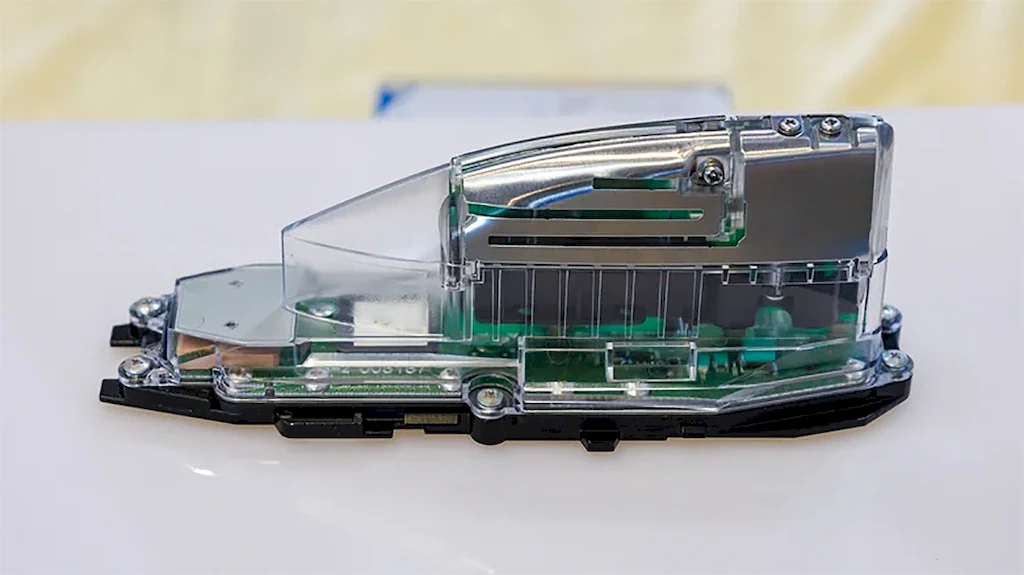
The design itself also serves a visual purpose. Engineers shaped the housing like a small fin so it blends smoothly into the bodywork instead of standing out. Some people believe the shape also helps improve aerodynamics by reducing drag. The idea sounds logical, but whether it actually makes a measurable difference is still debated.
For many decades, cars relied on the traditional metal whip antenna mounted on the hood or fender to pick up radio signals. Early versions were limited to AM broadcasts, and at the time they were often considered a luxury option rather than standard equipment. As vehicles became more technologically advanced, however, they needed better ways to handle multiple communication systems at once.
That’s where the shark fin design proved useful. Its position on the roof gives it a clearer path to the sky, which improves signal reception for satellites and wireless networks. Some modern vehicles can have as many as 14 separate antennas packed inside that single housing, each responsible for a different type of signal.
The shape of the fin also fits modern design trends. As vehicles became more streamlined and aerodynamic, the bulky whip antenna started to look out of place. The compact fin blends into the roofline and keeps the overall profile clean.
Still, the aerodynamic benefits appear to be minimal. Some engineers say the difference in drag — and therefore fuel efficiency — is so small that drivers wouldn’t notice it in real-world use. In fact, as recently as 2021, certain pickup trucks from General Motors brands like Chevrolet and GMC continued using traditional whip antennas.
According to GM vice president Tim Herrick, the reason was simple: the old-style antenna still delivered stronger AM/FM radio signals than the fin design in certain situations.
So while the shark fin antenna may look like a small cosmetic detail, it actually hides a lot of the technology that keeps modern vehicles connected — even if its aerodynamic impact is slght at best and mostly about appearence.
You may also be interested in the news:

These 8 Cars Went Over 1 Million Miles — They Just Don’t Build Them Like They Used To
Some cars outlast generations of owners, proving that careful maintenance and durable engineering can deliver extraordinary mileage.

The 1957 Dodge: How “Autodynamics” Shaped One of Detroit’s Boldest Designs
The 1957 Dodge Looked Like a Dream Car, but Its Biggest Flaw Was Hiding Beneath the Surface.

Two Ferrari F40s Spotted on Google Maps Turn Out to Be Pontiac Fiero Replicas
Two Ferrari F40 lookalikes spotted on Google Maps in Spain turned out to be replicas built on an American sports car.

Your Speedometer Says 65 MPH, but Your GPS Says 62 — Here’s Why Your Car Does That
Your speedometer reads 65 mph, but your GPS says 62 mph. Here’s why the numbers rarely match.
“Are You Sure It’s Chinese?” Who Really Builds China’s Car Engines
Who Really Develops China’s Car Engines?