
3 Things That Frustrate Drivers Most in Modern Cars
A major new study shows which high-tech car features drivers find the most annoying today.
American marketing researchers recently conducted a large-scale study to find out how comfortable modern drivers really feel inside their vehicles. Their main focus was the relationship between drivers and the growing number of high-tech electronic assistants now built into modern cars. To get clear results, the study surveyed around 20,000 drivers.
Technology is supposed to make life easier and more convenient. But in real-world use, that doesn’t always happen. Modern vehicles are a perfect example of that contradiction.
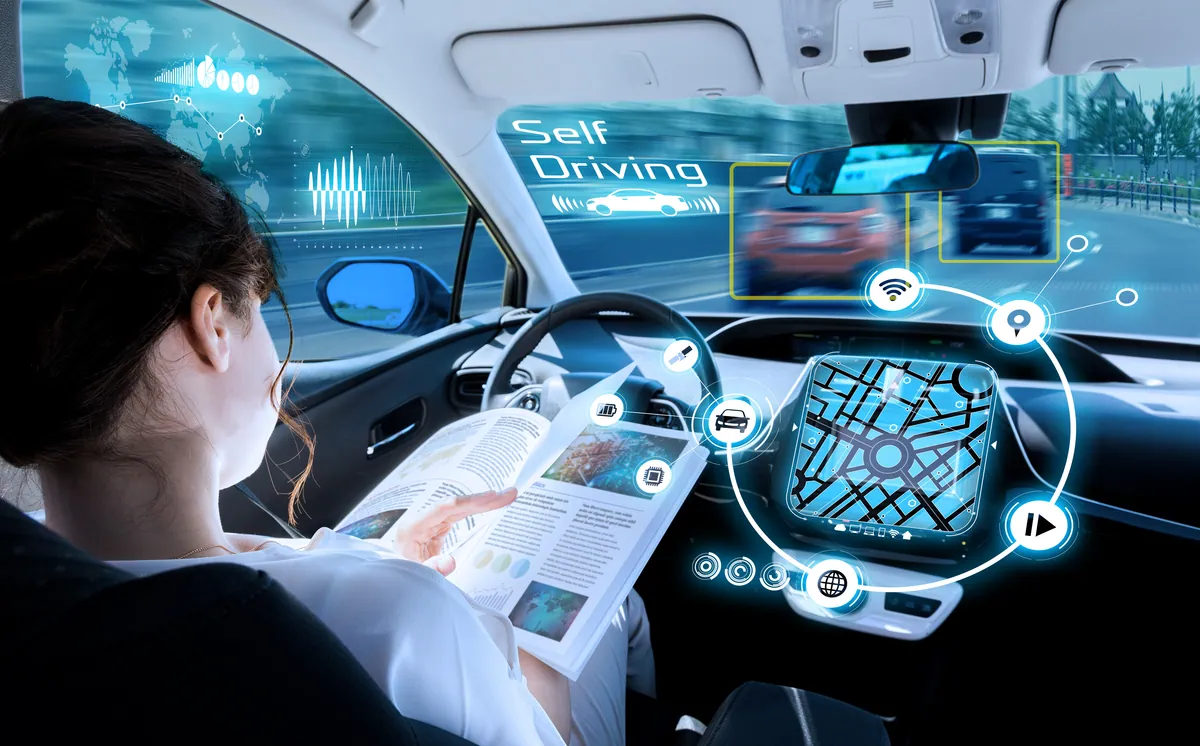
Experts found that not every trendy gadget or digital feature inside the cabin is welcomed by drivers. In fact, many of them are seen as distractions rather than improvements. Some create not only practical inconvenience but also genuine psychological stress behind the wheel.
As a result, many drivers actively turn these systems off—and some even say they may avoid buying future vehicles equipped with similar features.
One of the clearest examples is the now-common lane departure warning system.
This “smart” feature is designed to alert drivers when the car begins drifting out of its lane. In the U.S., it is now found in roughly every second vehicle. But according to the study, many drivers say it feels more annoying than helpful.
Instead of improving safety, some motorists feel frustrated by a car that constantly seems to tell them they are driving incorrectly.
The second feature that causes major irritation is the built-in navigation system.
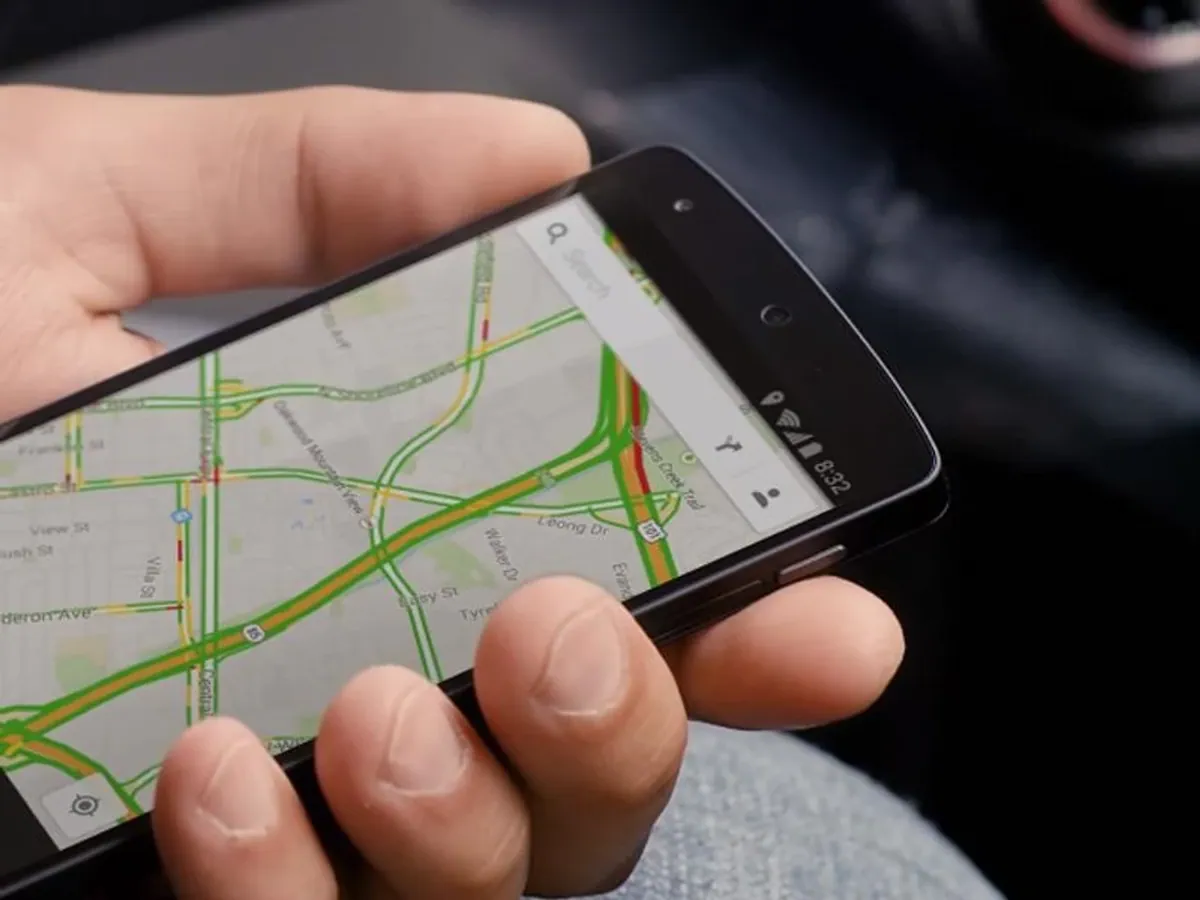
Factory-installed navigation often falls short compared to smartphone apps like Google Maps or Waze. Drivers frequently complain that onboard systems are less accurate, slower to update, and simply less convenient to use.
The third technology that still struggles to earn trust is the so-called “driver assistance” mode—what many people casually refer to as autopilot.
Despite all the hype around semi-autonomous driving, many everyday drivers remain skeptical. But here, the issue may be less about rejection and more about the technology still being imperfect.
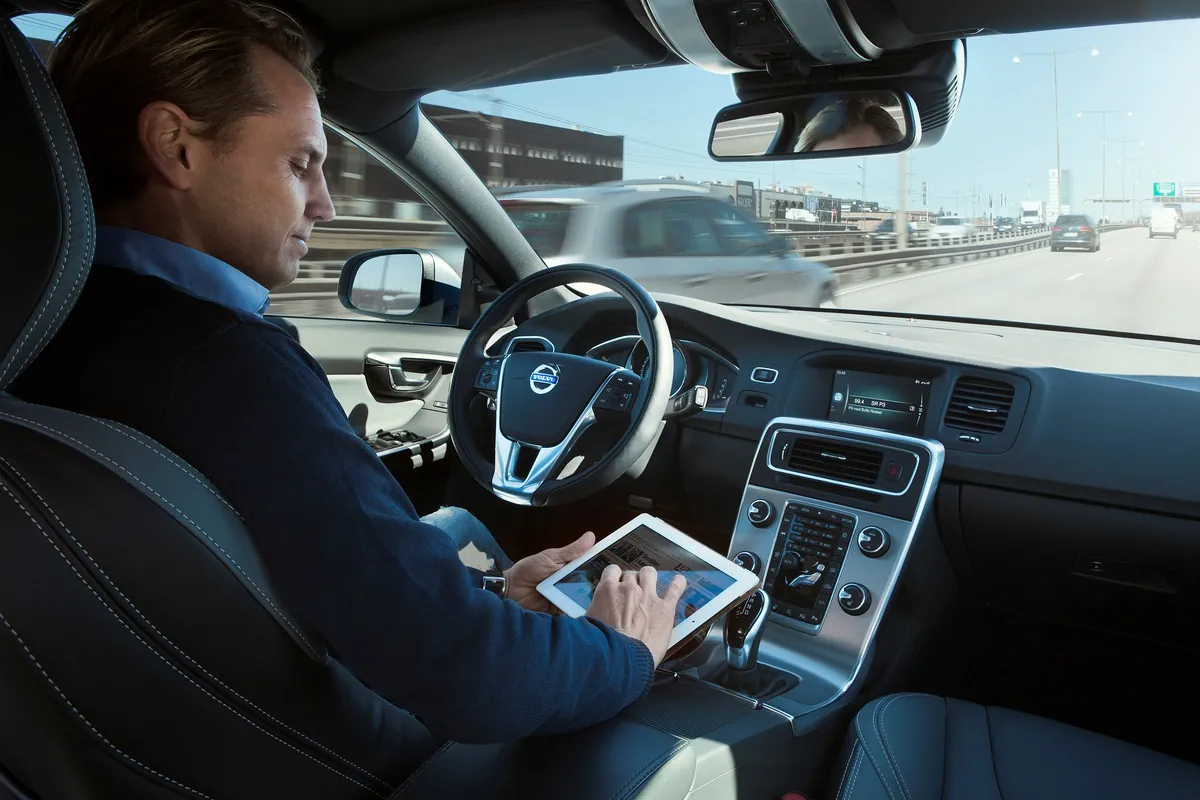
As long as vehicle guidance systems can mistake oil stains for lane markings or struggle with basic road interpretation, public confidence is unlikely to grow.
Overall, the American study reflects similar research results seen in Europe, China, and other global markets. Most drivers still approach flashy new automotive features with caution—especially when those options significantly increase the final price of the vehicle.
You may also be interested in the news:
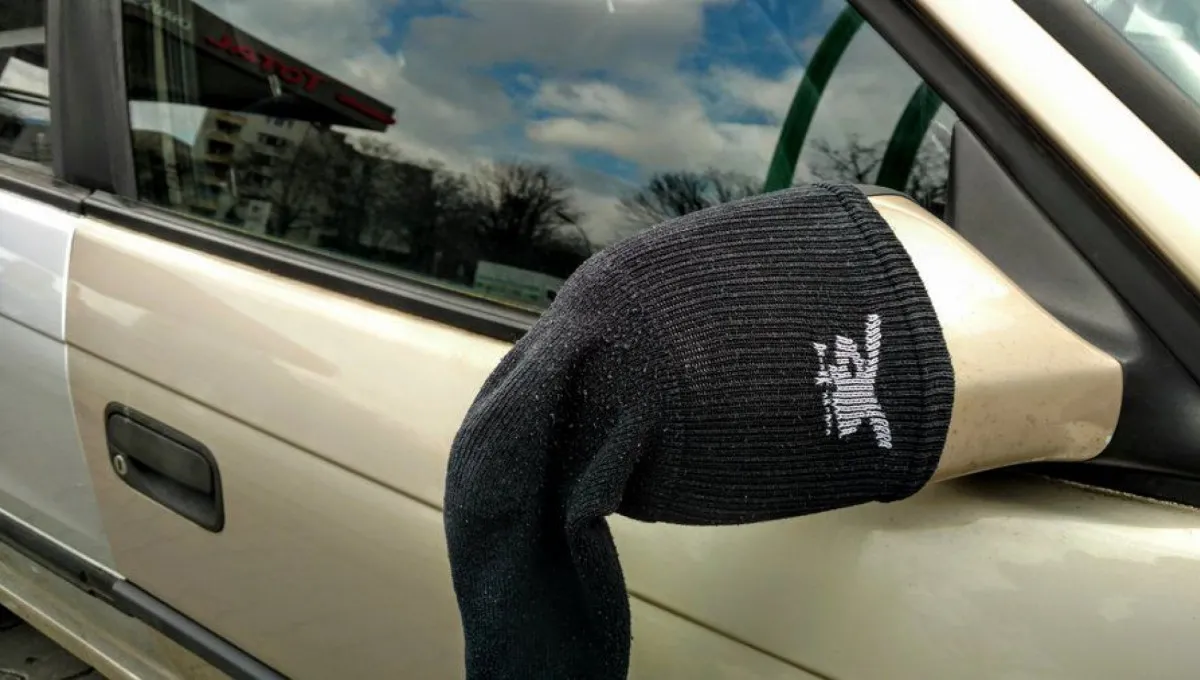
Why Experienced Drivers Put Socks on Their Car Mirrors in Fall: The Clever Trick Explained
An old pair of socks can help reduce frost buildup on your side mirrors overnight, saving time on cold mornings when every minute counts.
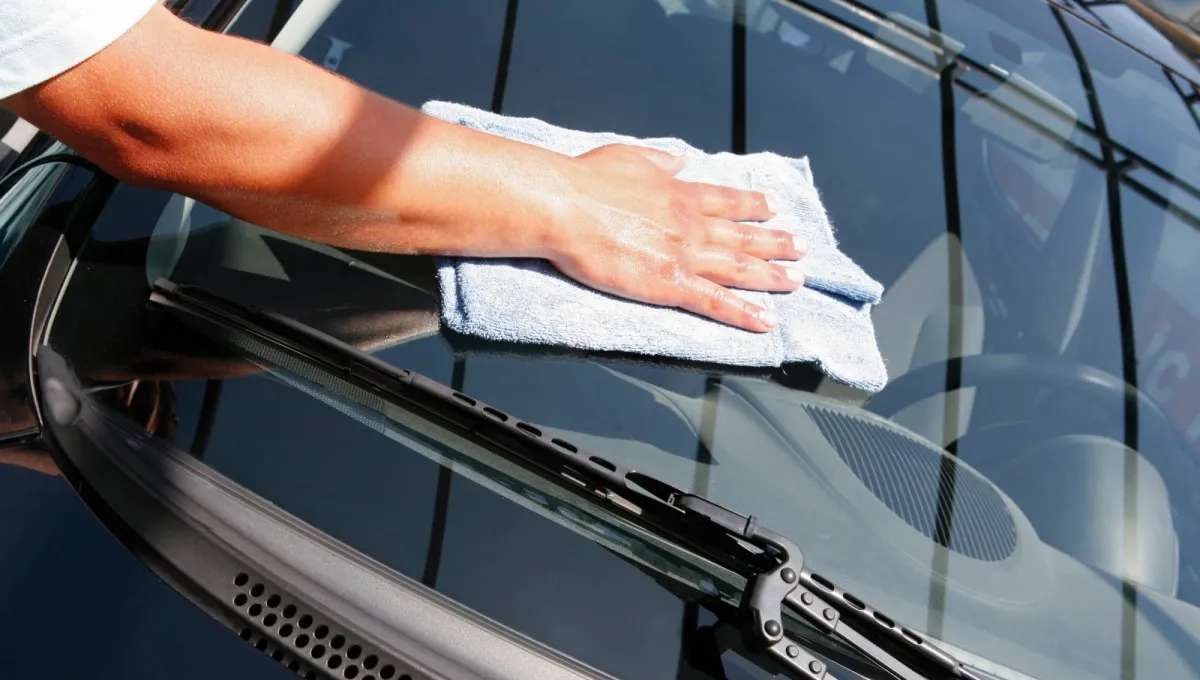
How to Clean Your Windshield Without Streaks: Experts Recommend This Simple DIY Mix
The secret to a streak-free windshield comes down to the right cleaning solution, two microfiber cloths, and the proper drying technique.

Why Some Drivers Keep Bay Leaves in Their Cars — It’s Not Just About Superstition
Can a common kitchen spice help repel bugs, freshen your car’s interior, or even help you relax behind the wheel?
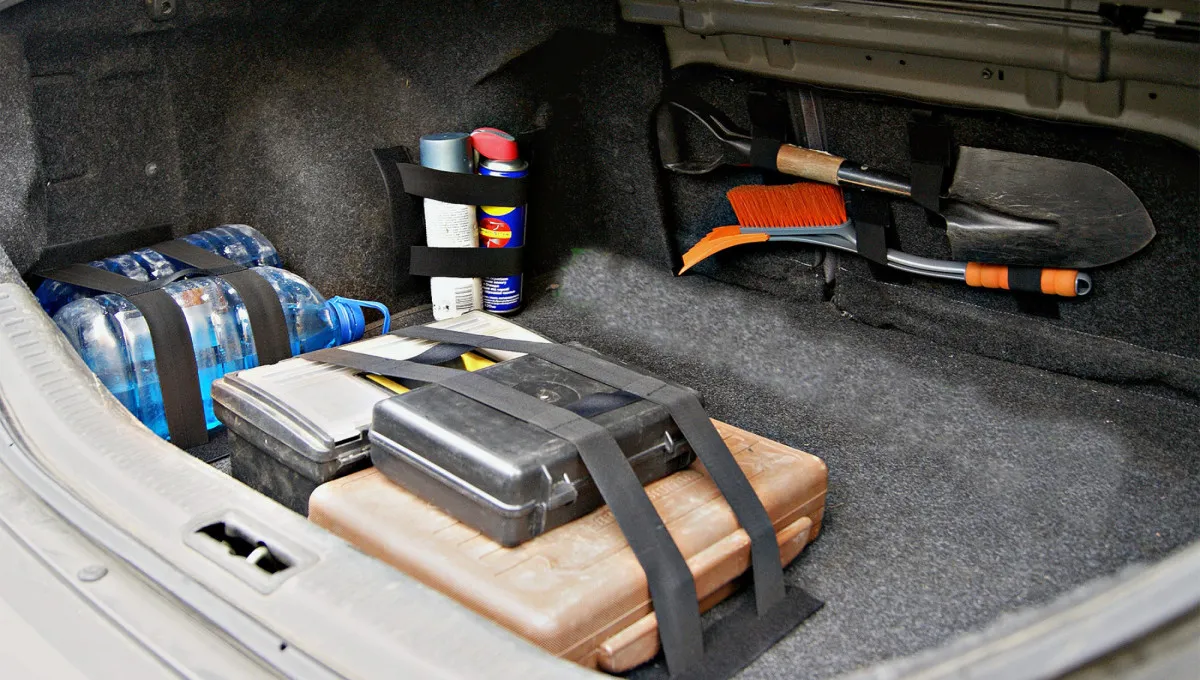
Cold Weather Can Leave You Stranded — 5 Things Every Driver Should Have in Their Car
The first hard freeze can catch drivers off guard. Here's what to keep in your vehicle and how to prepare your battery, tires, and fluids for colder weather.
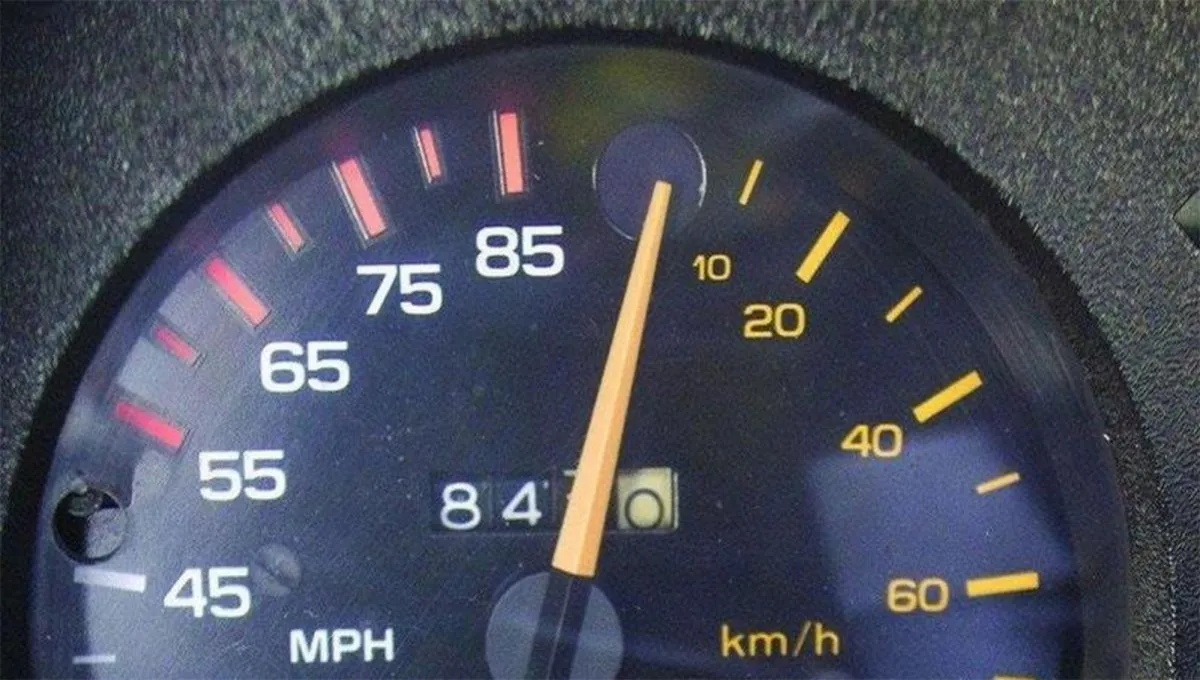
Your Speedometer Says 65 MPH, but Your GPS Says 62 — Here’s Why Your Car Does That
Your speedometer reads 65 mph, but your GPS says 62 mph. Here’s why the numbers rarely match.