
Why Condensation Forms Inside Car Headlights—and What to Do About It
Many drivers notice foggy headlights at some point, but the reason is often misunderstood.
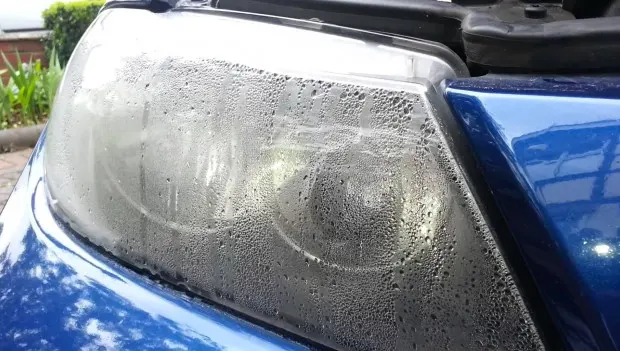
Every driver knows that a car’s lighting system should stay clean and clear at all times. Headlights should be free not only of dirt, but also of moisture. So what should you do when condensation starts forming inside the headlight housing? And more importantly, why does it happen in the first place?
First, it’s important to understand that light fogging inside headlights is usually completely normal. Headlights and taillights are not designed to be fully airtight. If they were sealed 100%, the pressure and heat changes during operation could easily cause damage or even cracking after the first few uses.
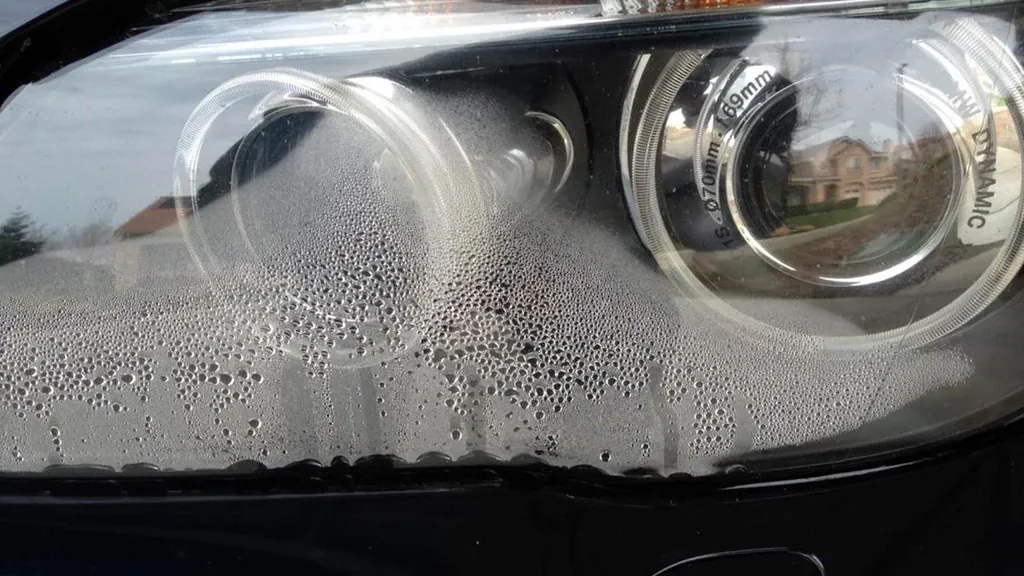
The real problem begins when the condensation does not disappear within about 30 minutes after the lights are turned on.
1. Why Headlights Fog Up
There are generally three main reasons why moisture builds up inside automotive lighting.
The first is damaged or aging seals. This often happens after an accident repair or simply because rubber seals wear out over time.
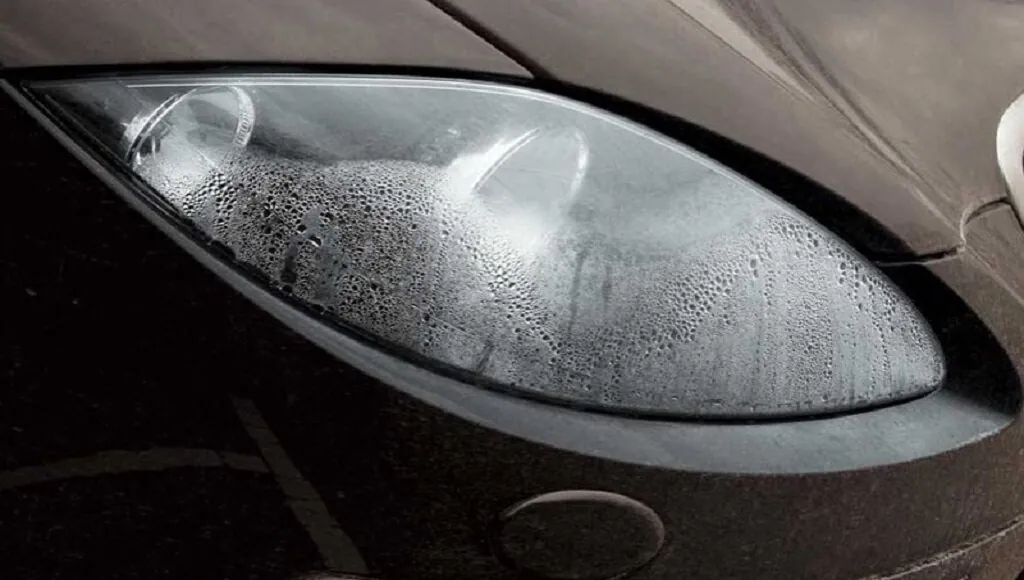
The second cause is poor air circulation due to blocked or faulty pressure-regulating vents. These small valves help balance internal pressure and allow moisture to escape.
The third reason is physical damage to the headlight lens or housing itself. Even a small crack can let moisture inside.
If your headlights are seriously fogging up, it’s best to fix the issue as soon as possible. Condensation can damage electrical components over time, and moisture also reduces headlight brightness, which directly affects driving safety—especially at night or in bad weather.
2. How to Remove Moisture and Prevent It
The only real way to get rid of moisture inside a headlight is to dry it out.
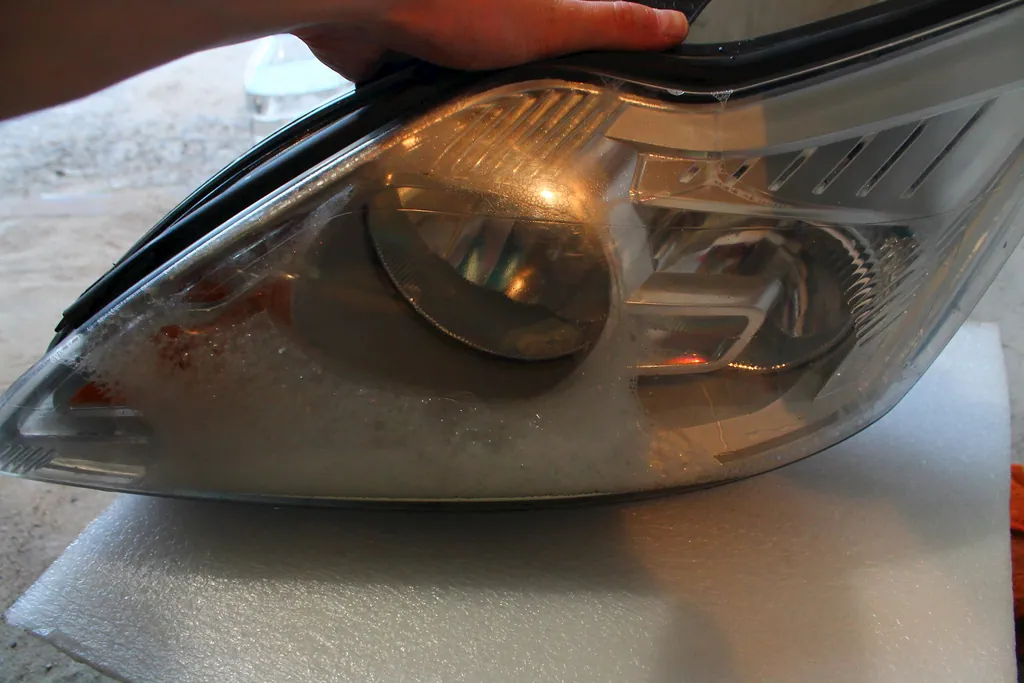
In some cases, simply leaving the car in a dry garage for a few days may solve the problem naturally. If that doesn’t work, the headlight assembly may need to be partially disassembled.
Often, removing the headlight housing and carefully drying the inside is enough. Some drivers use a heat gun or industrial dryer for this, though it should be done carefully to avoid damaging plastic components.
Another option is removing the headlights completely and leaving them in a warm, dry place for a couple of days. Of course, many owners prefer taking the car to a repair shop or dealership and letting professionals handle it.
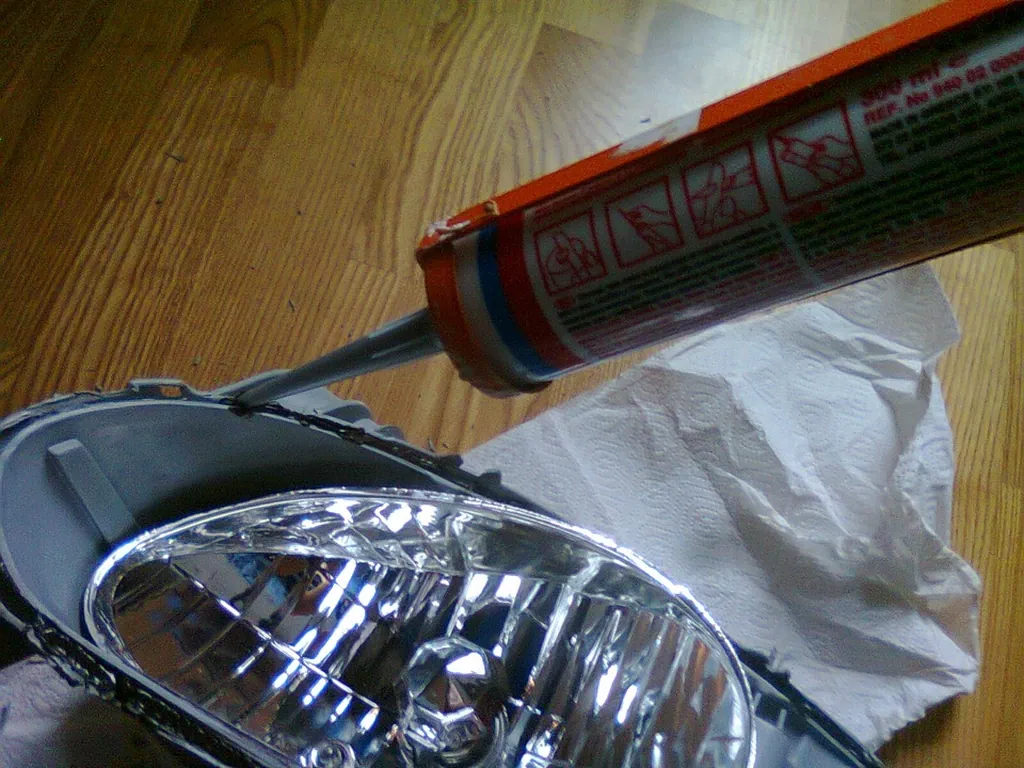
Once the moisture is gone, the next step is finding the actual cause. Start by checking the housing and lens for cracks, then inspect the seals for wear or leaks.
Special attention should also be given to the ventilation valves. If they are dirty, they may simply need cleaning. If they are damaged, replacement is usually the best solution.
You may also be interested in the news:
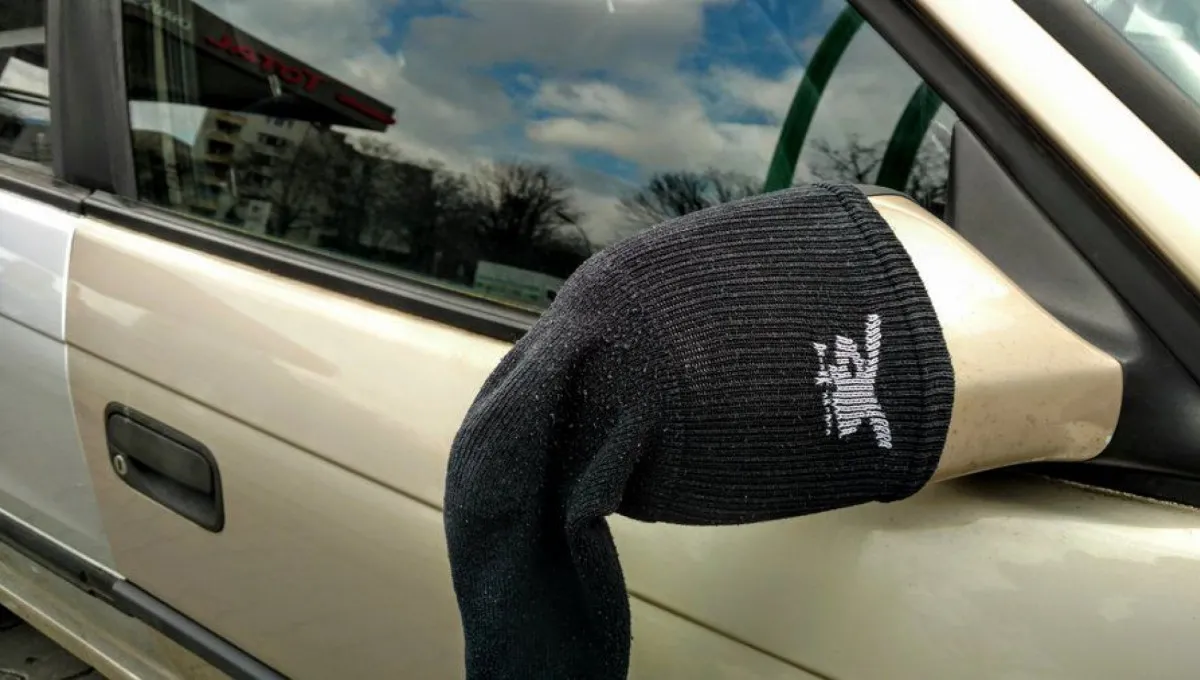
Why Experienced Drivers Put Socks on Their Car Mirrors in Fall: The Clever Trick Explained
An old pair of socks can help reduce frost buildup on your side mirrors overnight, saving time on cold mornings when every minute counts.
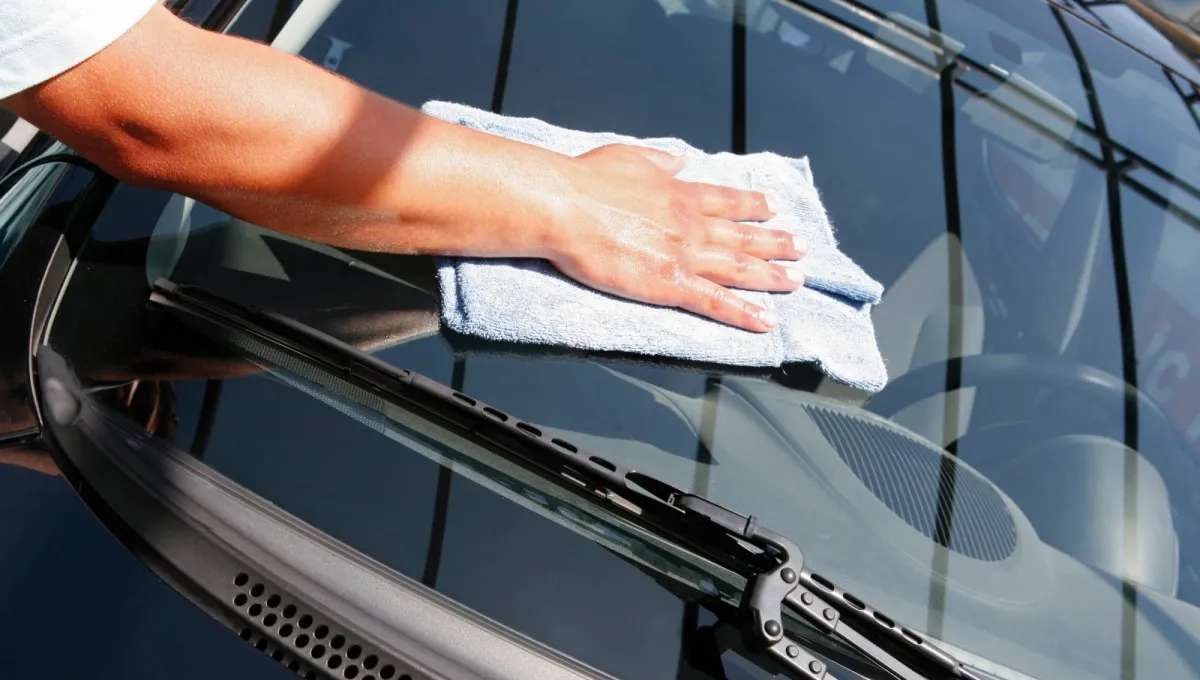
How to Clean Your Windshield Without Streaks: Experts Recommend This Simple DIY Mix
The secret to a streak-free windshield comes down to the right cleaning solution, two microfiber cloths, and the proper drying technique.

Why Some Drivers Keep Bay Leaves in Their Cars — It’s Not Just About Superstition
Can a common kitchen spice help repel bugs, freshen your car’s interior, or even help you relax behind the wheel?
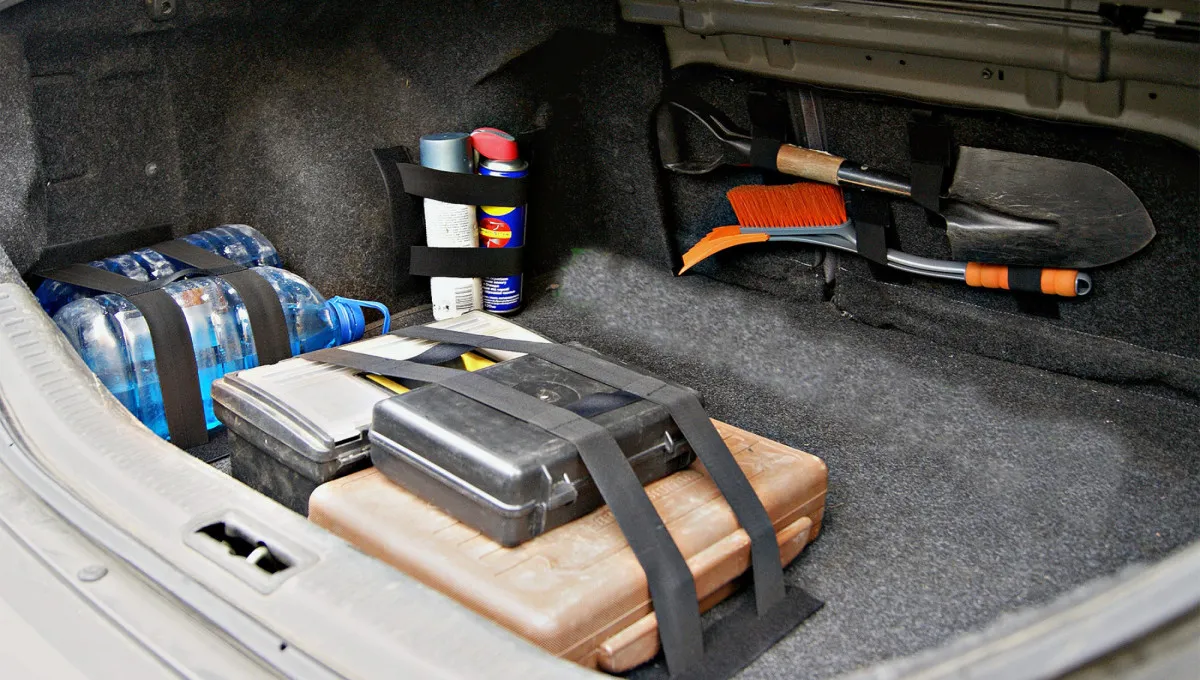
Cold Weather Can Leave You Stranded — 5 Things Every Driver Should Have in Their Car
The first hard freeze can catch drivers off guard. Here's what to keep in your vehicle and how to prepare your battery, tires, and fluids for colder weather.
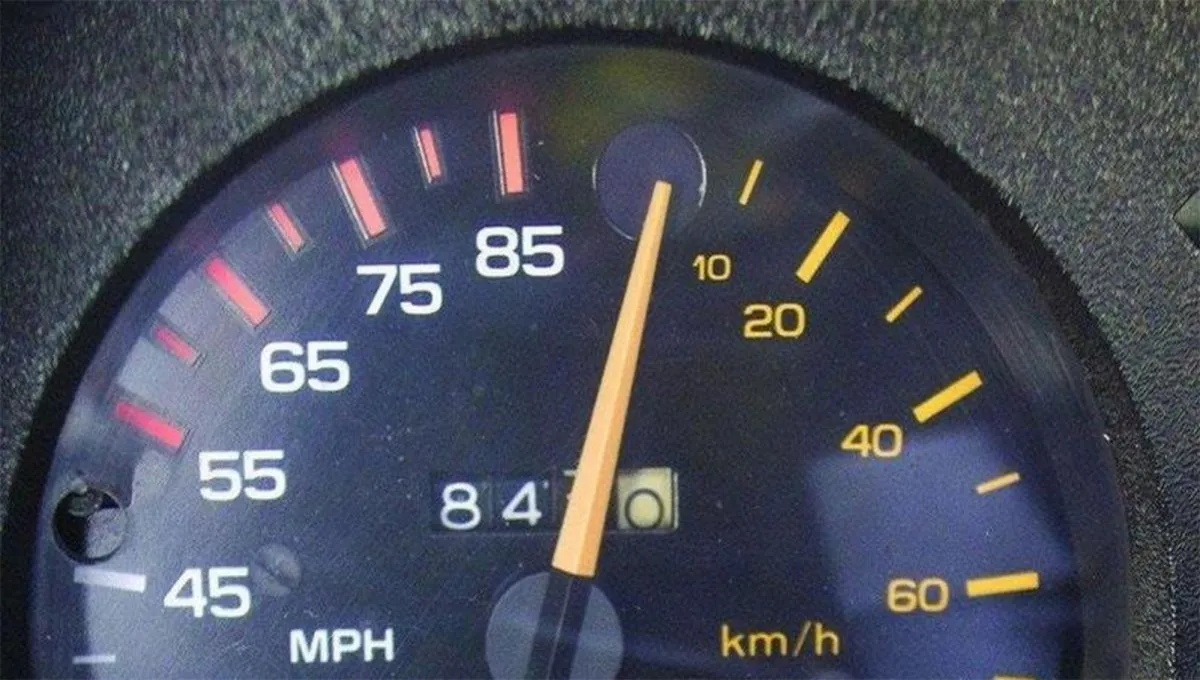
Your Speedometer Says 65 MPH, but Your GPS Says 62 — Here’s Why Your Car Does That
Your speedometer reads 65 mph, but your GPS says 62 mph. Here’s why the numbers rarely match.