
Five Supercars That Arrived at the Wrong Time: We Expected Them Sooner or Later
Which supercars were simply too radical for their time?
Automotive history is full of examples of supercars that were, in a way, unlucky with their timing. Some arrived too early, while others came along too late. A mismatch between the cars and the era, along with circumstances beyond their makers’ control, kept these beautiful, powerful, technologically advanced machines from reaching their full potential. Despite their impressive engineering, they never quite found their place in the market.
One. Bugatti Veyron
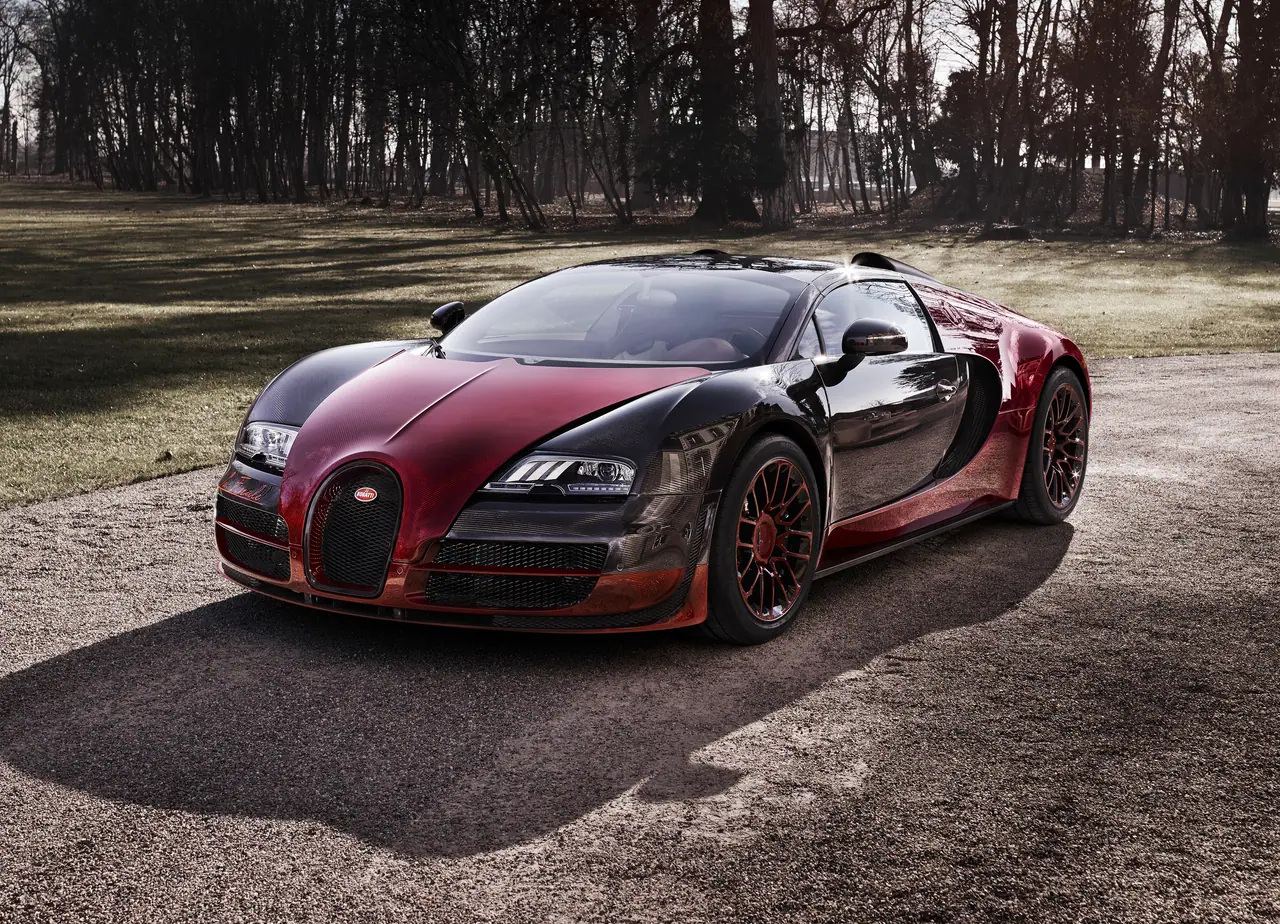
When the Bugatti Veyron arrived in 2005, it became the first production car to deliver more than one thousand horsepower and exceed two hundred forty-eight mph. Those figures represented a major technological breakthrough for the early twenty-first century. The Veyron set a new benchmark, inspiring other automakers to pursue similar performance and triggering a genuine race for top speed.
Developing a car this fast and powerful from the ground up required enormous resources. Engineers spent years and vast sums of money figuring out how to cool the massive engine effectively, achieve the necessary aerodynamic performance, and overcome a host of other complex technical challenges.
When the Veyron debuted, it carried a price tag of roughly $1.1 million. Yet Bugatti lost money on every car it sold because development costs were so high. The Veyron was also expensive to own, and its exclusivity meant it was never going to attract mass-market demand. Instead, it became a major investment in the Bugatti brand's image.
Two. Lexus LFA
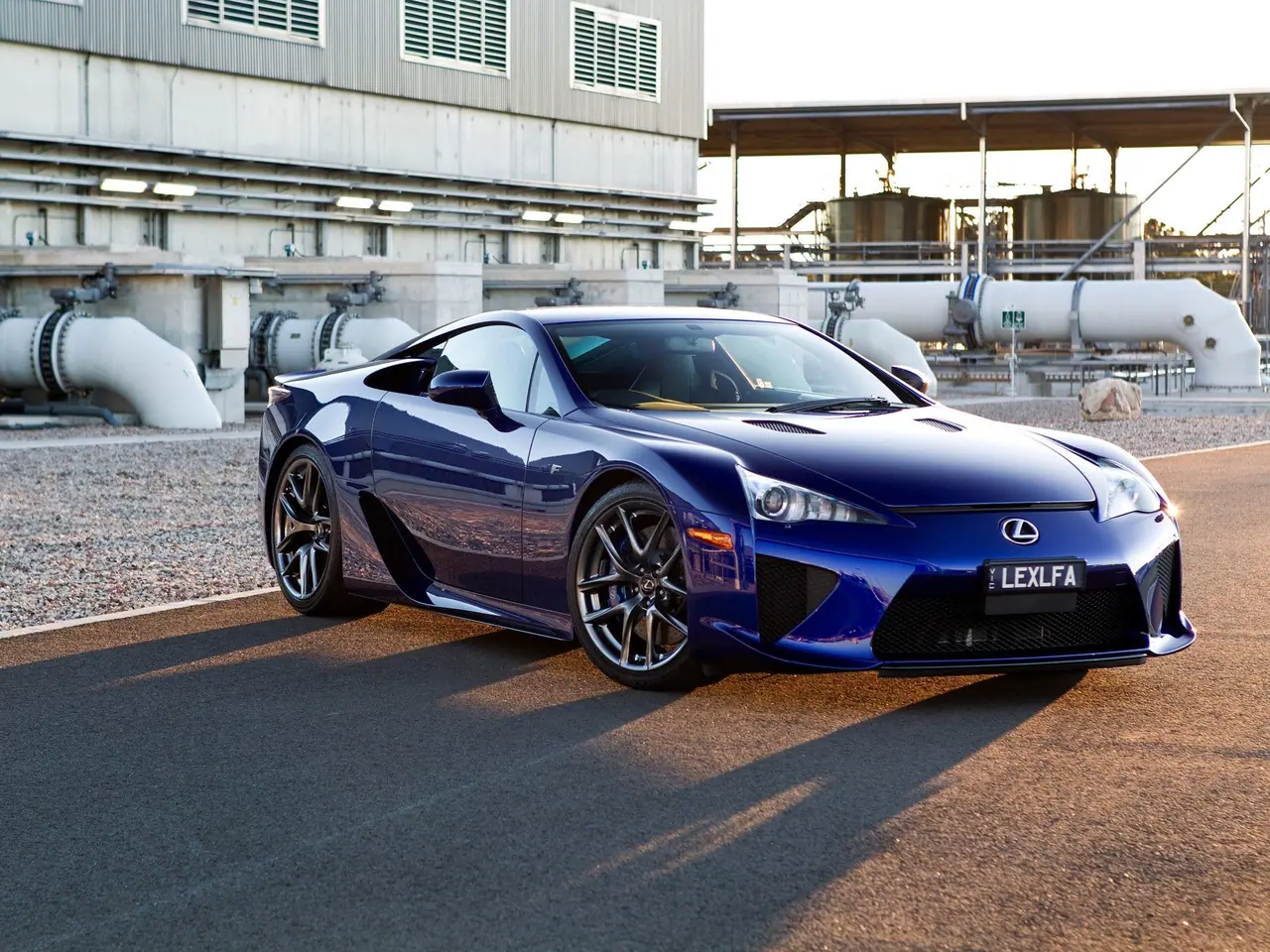
Development of the Lexus LFA took ten years and involved numerous advanced engineering solutions. Engineers created the 1LR-GUE, a four-point-eight-liter V-10 engine with a specially tuned exhaust note. The car also featured a carbon-fiber-reinforced plastic monocoque, with carbon fiber used for much of the body structure and other components.
Engineering and design teams worked on the central spoiler and wing endplates, while the fixed rear wing took inspiration from GT race cars. These aerodynamic features were designed to increase downforce and improve stability at high speeds.
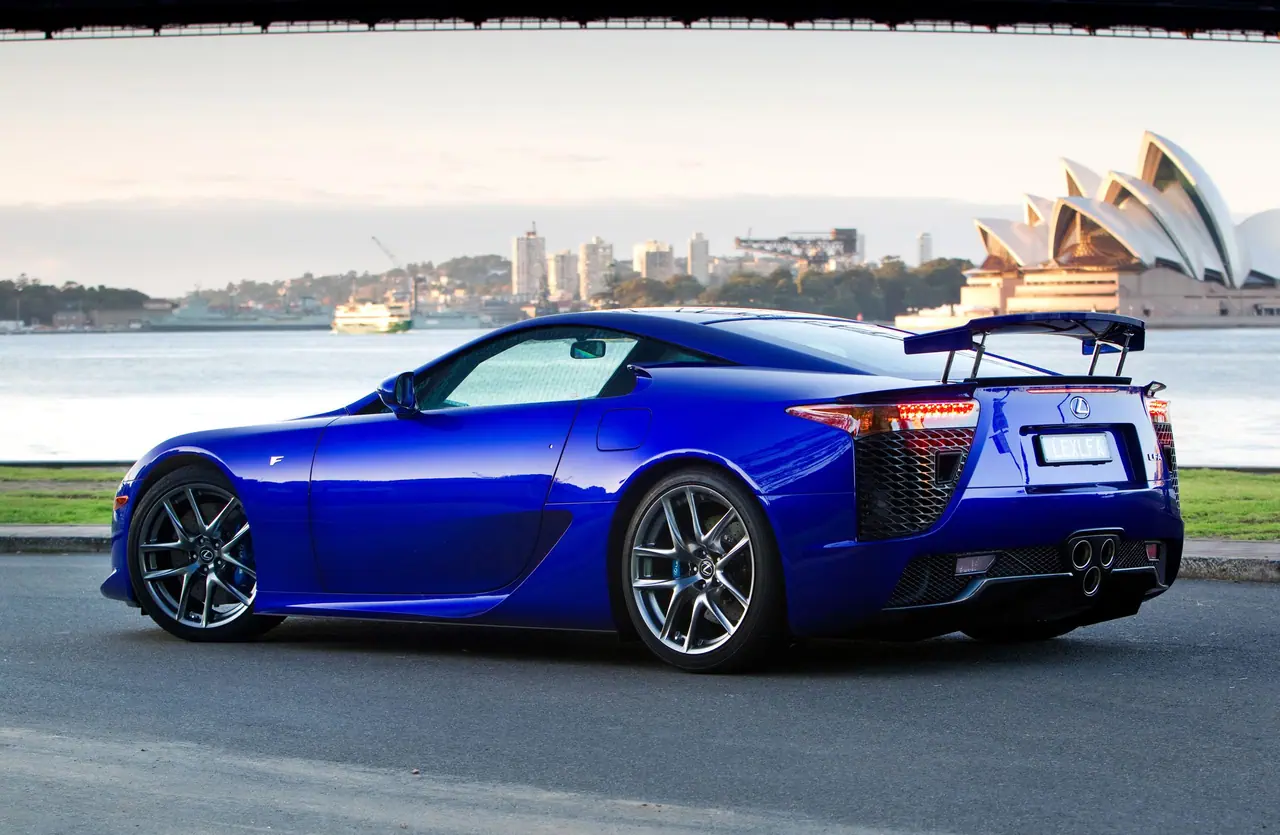
Production was limited to five hundred examples. In 2011, the standard Lexus LFA cost around $375,000. The Nürburgring Edition, available in orange, white, and black, commanded more than $440,000.
At those prices, however, relatively few buyers were willing to take the plunge. Many didn't initially regard the LFA as a serious contender in the supercar class, despite its advanced engineering and performance.
Over time, the LFA's unique V-10 engine and the engineering achievements behind it gained recognition from automotive experts. What was once an expensive, overlooked supercar came to be regarded as a rare and highly distinctive collector's car.
Three. Dodge Viper ACR
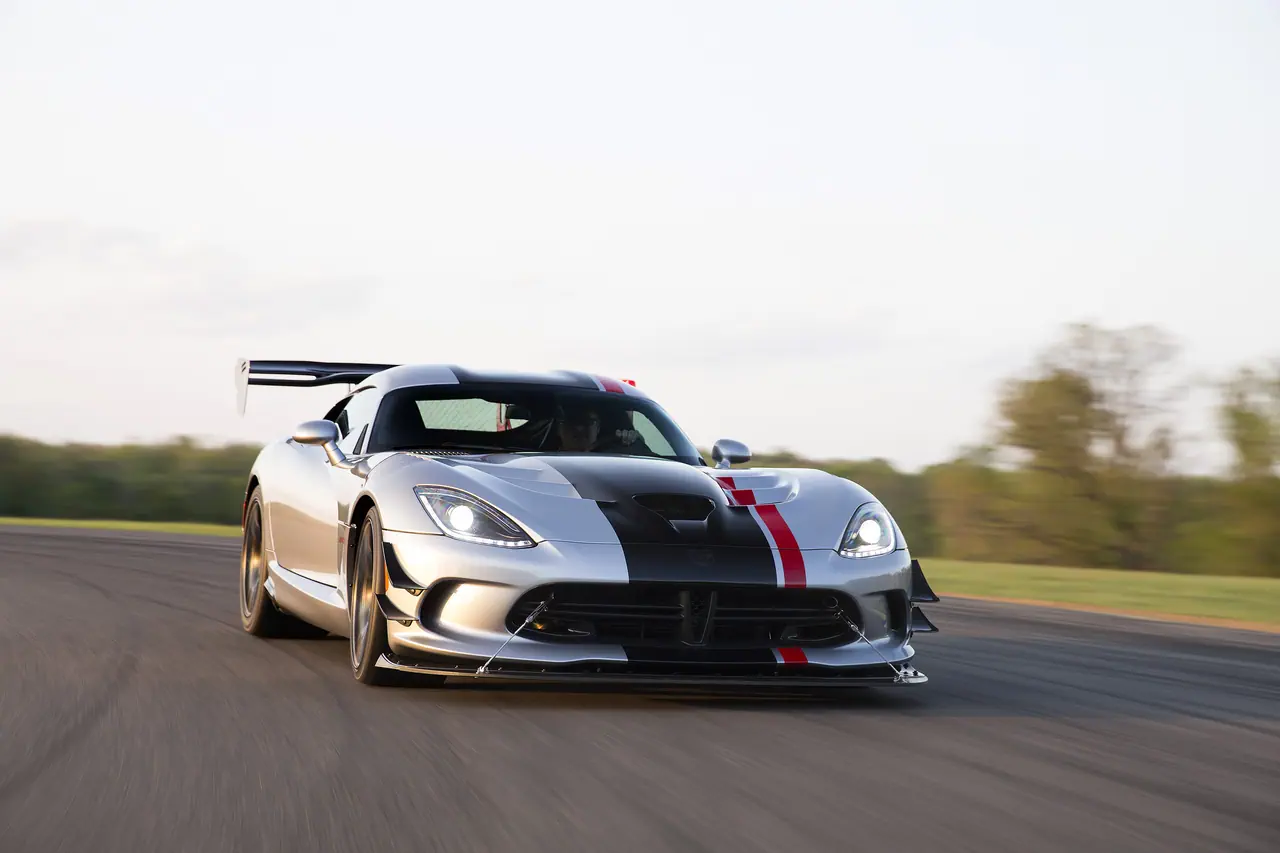
Designed as a track-focused version of the standard Viper, the Dodge Viper ACR was street-legal. In practice, though, living with it on public roads could be a challenge.
The cabin was cramped, and the low side sills became extremely hot in direct sunlight because of the side-exit exhaust system. The car also lacked side airbags. Its comfort and safety features fell short of what many drivers expected from a vehicle used every day.
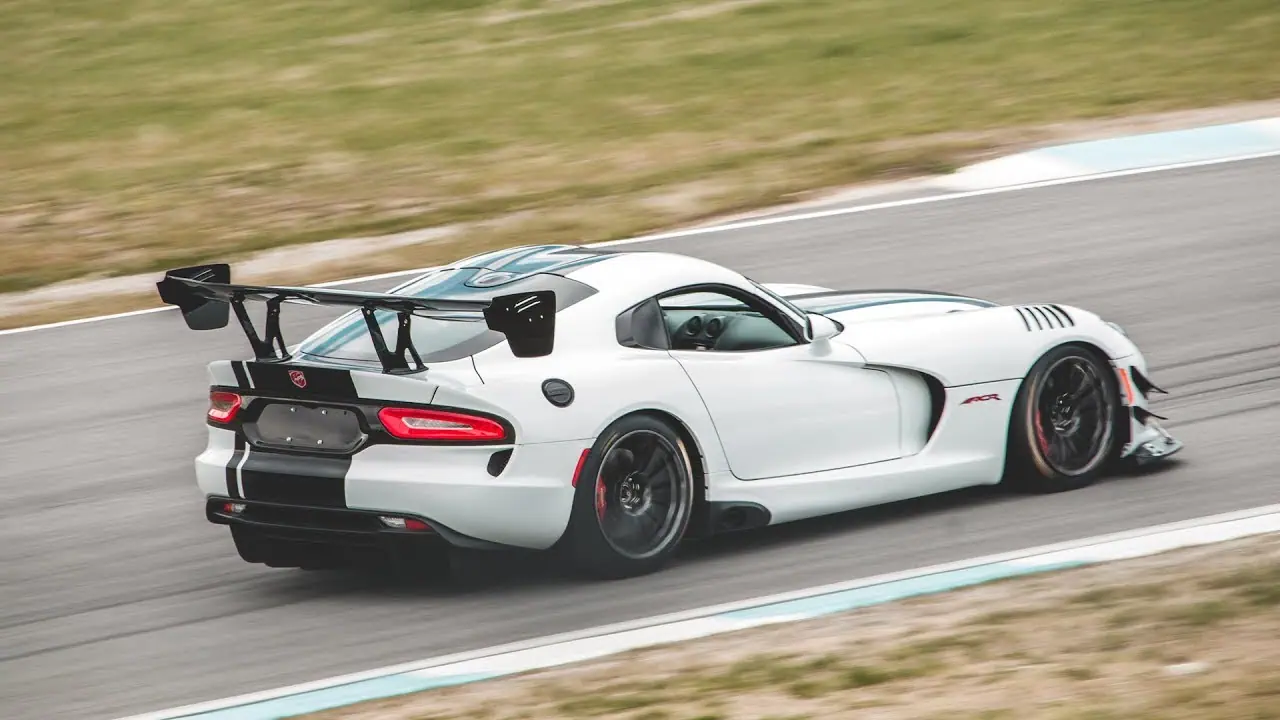
During the 2000s and 2010s, European automakers were increasingly introducing more sophisticated transmissions and electronic driver aids. The Dodge Viper ACR took a different approach, preserving a direct connection between the driver and the car. Its six-speed manual transmission, limited electronic intervention, and lack of advanced stability and braking assistance systems were deliberate choices aimed at delivering precise control on the racetrack.
As safety requirements became more demanding, adapting a car like the Viper ACR to changing regulations was difficult and expensive. Demand declined, leaving the car most appealing to dedicated enthusiasts and track-day fans.
Four. Mercedes-Benz SLR McLaren
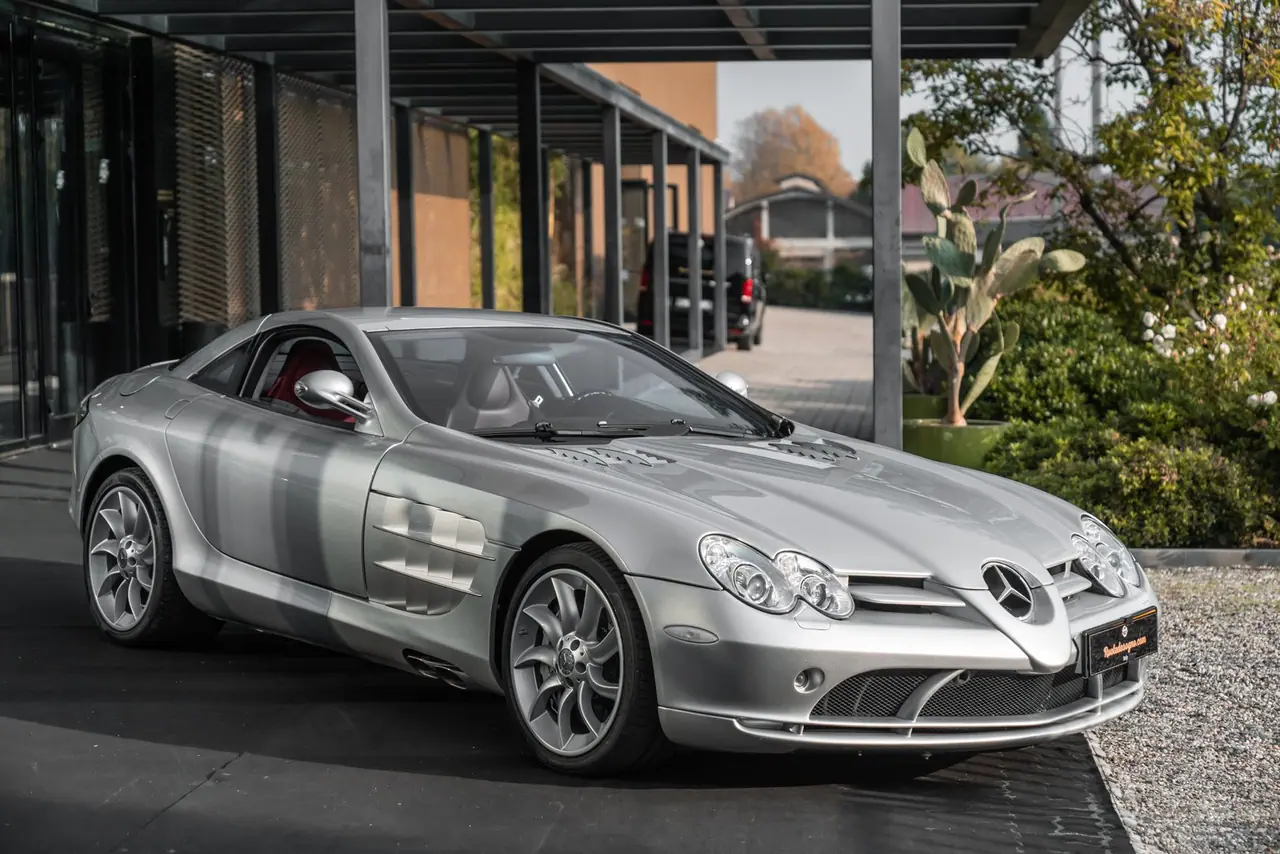
The Mercedes-Benz SLR McLaren had many of the ingredients needed for success: power, advanced technology, and striking design. Yet in the early 2000s, Mercedes-Benz was primarily seen as a maker of premium luxury cars rather than a true supercar brand. Buyers looking for an exotic performance car often gravitated toward Italian marques instead.
The SLR McLaren featured a carbon-fiber monocoque and a supercharged V-8 producing 626 horsepower, clear signs of its sporting ambitions. At the same time, it weighed approximately 3,898 pounds, making it relatively heavy for a supercar. Its luxurious cabin reinforced the premium image associated with Mercedes-Benz.
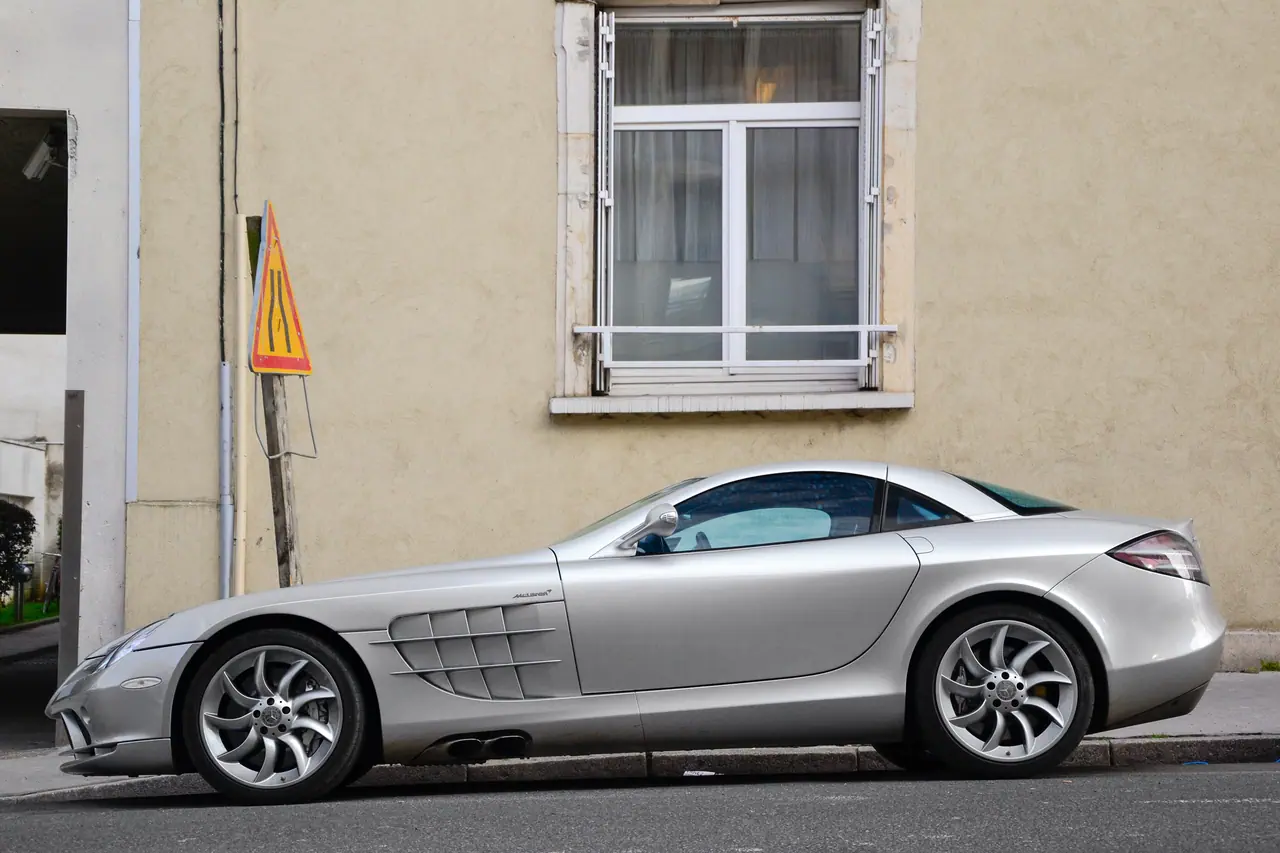
That unusual combination left the SLR McLaren in a niche of its own. It appealed mainly to collectors and enthusiasts, while mainstream luxury buyers struggled to justify paying $450,000 or more for a car that didn't quite fit the supercar trends of its era.
Production was limited to 2,157 cars across all versions, adding to its exclusivity but keeping it from becoming a mainstream success.
Five. Cizeta-Moroder V16T
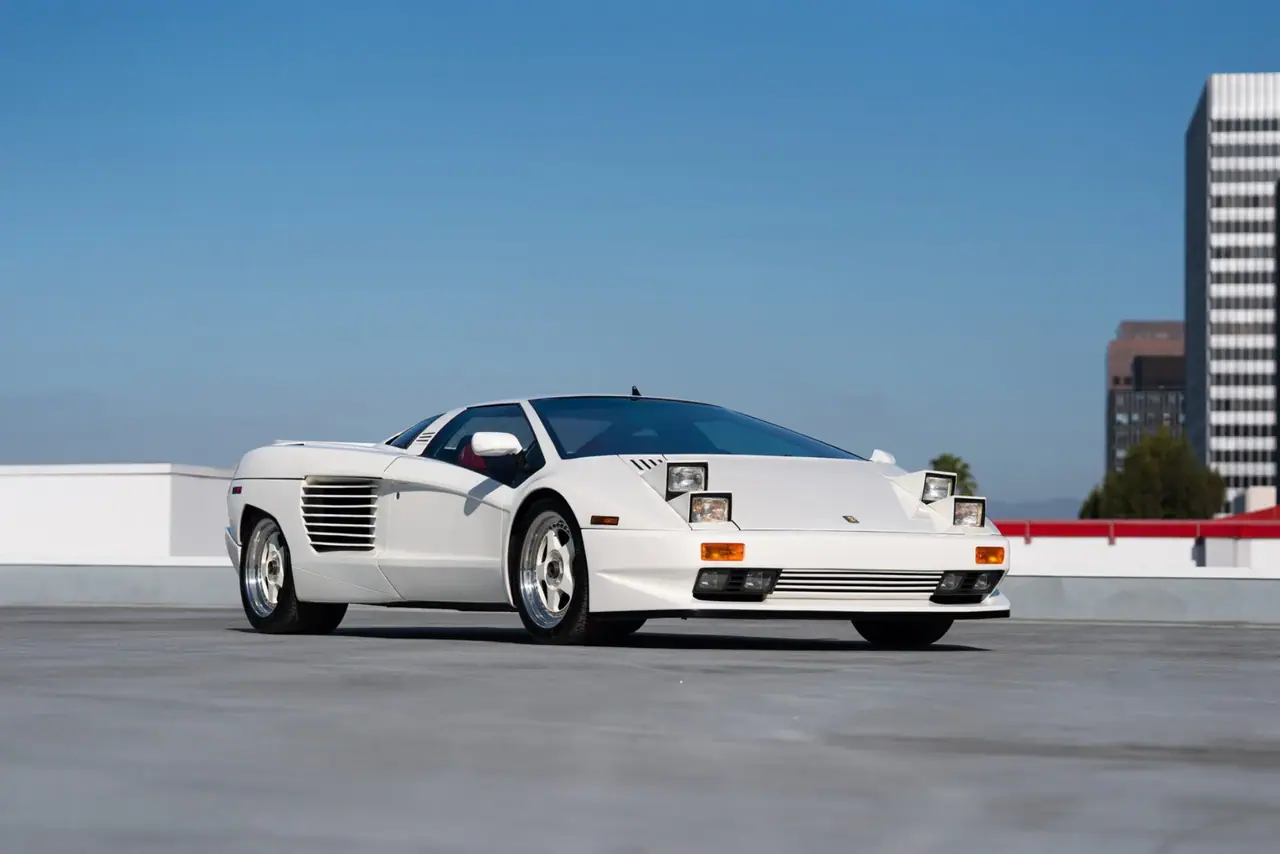
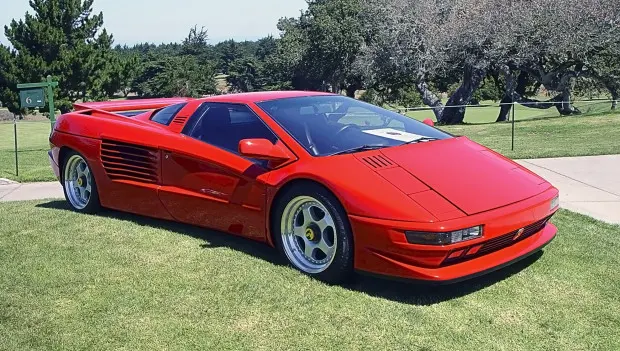
From an engineering standpoint, the Cizeta-Moroder V16T was arguably ahead of its time. It featured a six-liter V-16 engine mounted transversely behind the driver and passenger. For the late 1980s, this was an exceptionally bold and unconventional layout. The arrangement also contributed to the car's extraordinary width of more than six and a half feet.
More than $2 million had already gone into the project when one of its investors pulled out, creating serious financial difficulties. The situation became even more complicated because the car failed to meet U.S. safety and emissions requirements. As a result, Cizeta lost access to one of its most important potential markets.
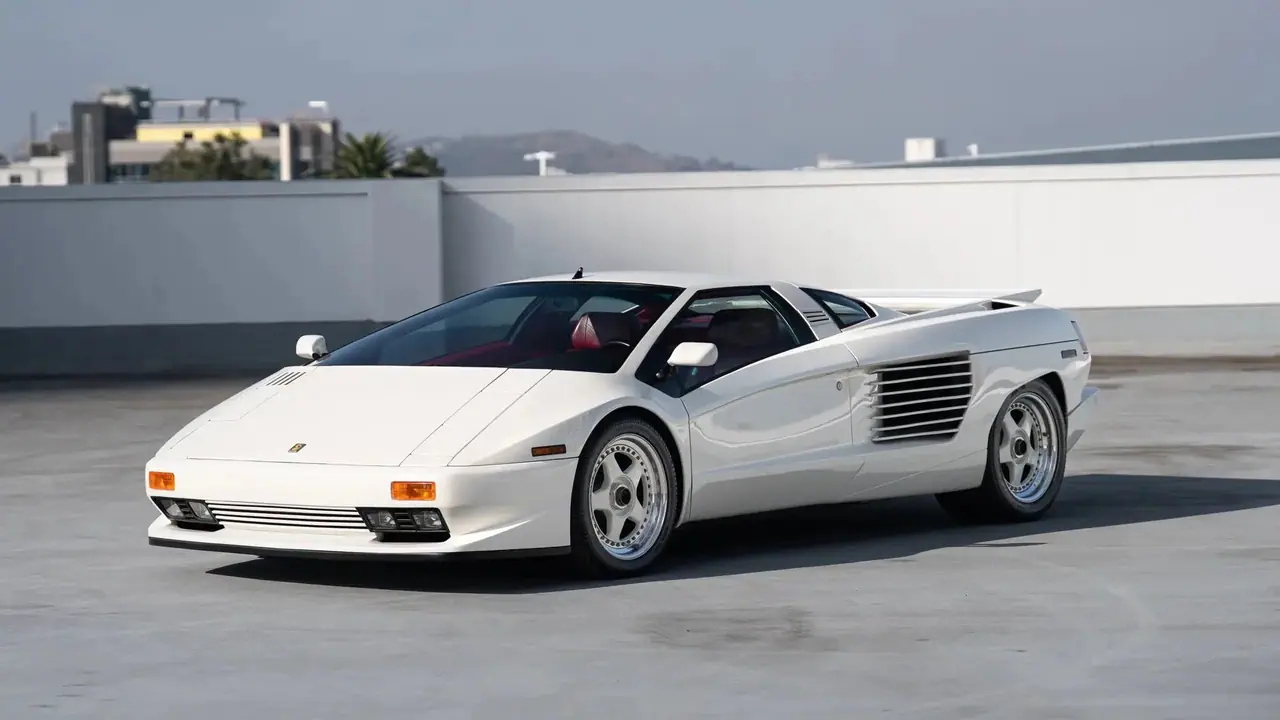
By the early 1990s, rivals such as the Bugatti EB110, McLaren F1, and Jaguar XJ220 had entered the scene, competing for the attention of supercar buyers. An economic downturn also weakened demand for expensive exotic cars.
The result was a supercar with extraordinary engineering ambitions but very limited commercial success. Only around twenty examples were built, making the Cizeta-Moroder V16T one of the rarest and most unusual supercars of its era.
You may also be interested in the news:
Experts Name the Two Most Powerful Production Sports Cars in the U.S.
American sports cars continue to impress with their horsepower, speed and innovative engineering, with two models standing above the rest.

5 Rare American Cars You Probably Never Knew Existed — Why They Remained Toys for the Few
America knows how to build cars. Sometimes they’re so brilliant that the rest of the world ends up copying them.
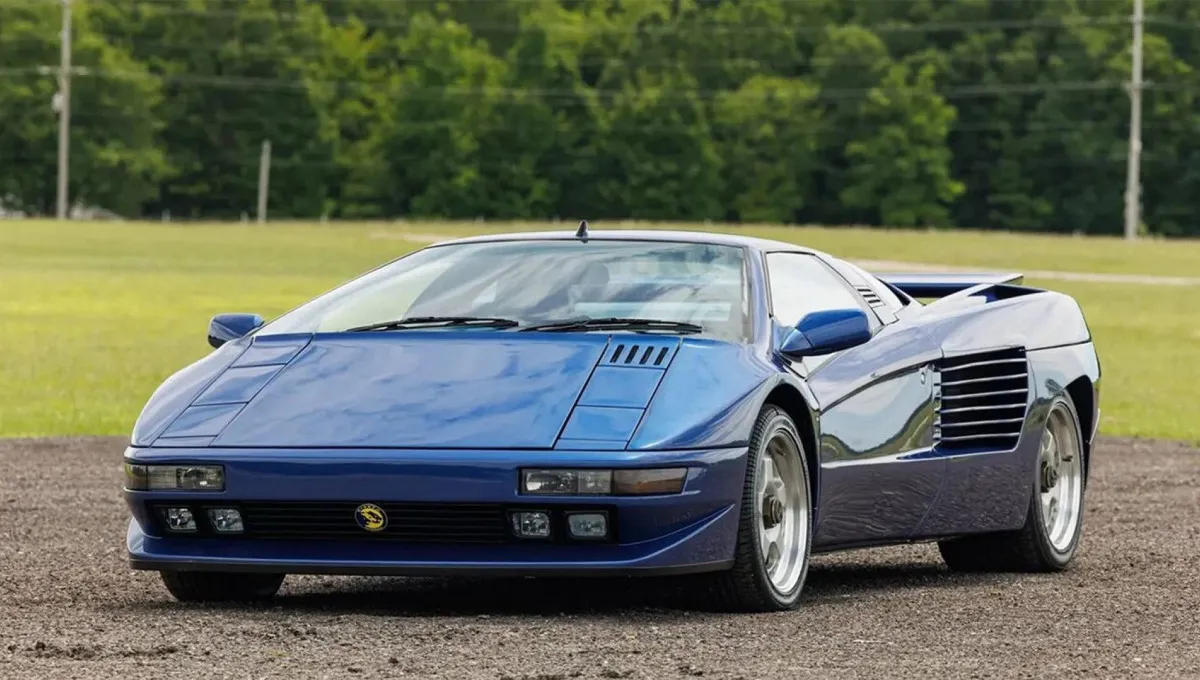
The “Hypercar Among Supercars”: The Story of the Unique Cizeta Moroder With a V16 Engine
In the world of automotive exotica, few cars are as mysterious and ambitious as the Italian Cizeta V16T.
6 Most Incredible Hypercars: You’re Almost Never Going to See Them on the Road
Today’s most extreme performance cars are hypercars, combining staggering power, cutting-edge technology and production numbers measured in the hundreds.
Rezvani Dune Is an Off-Road Lamborghini Huracán With an 800-HP V10
Rezvani will build just seven examples of the new Dune supercar.