
Should You Disconnect Your Car Battery If You’re Not Driving for Over a Week?
Many drivers eventually face situations where their car sits unused for several days in a row.
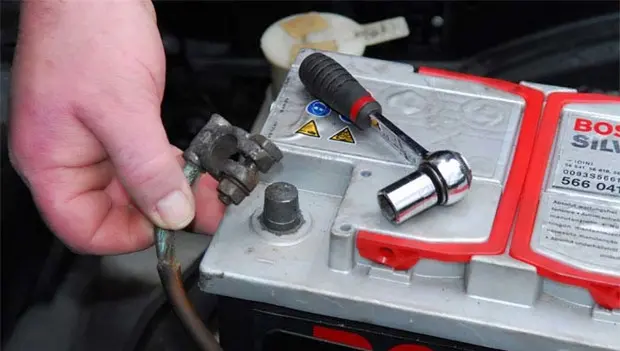
It’s fairly common for almost every driver to leave a car parked outside or in a garage for five days or more. Older generations of motorists, especially those who remember Soviet-era vehicles, often recommend disconnecting the battery terminal in such cases. But does that advice still make sense for modern cars?
Experienced drivers know that in the past, when a vehicle was left unused for several days, it was standard practice to remove one of the battery terminals. The question is whether this habit still applies today. To understand that, it helps to look at why it was done in the first place.
Back then, there were two main reasons. The first was battery drain, since older cars tended to lose charge quickly. The second, and more serious, issue was unreliable electrical systems. Faulty wiring or aging electrical components could sometimes cause short circuits, and in worst-case scenarios, even fires—especially in older vehicles with worn-out insulation and outdated design.
Over the last few decades, however, both automotive electronics and batteries have improved dramatically. Modern vehicles are equipped with far more stable electrical systems and better protection circuits. While a serious wiring defect can still pose a risk, that is usually a separate mechanical problem that should be fixed at a repair shop as soon as possible.
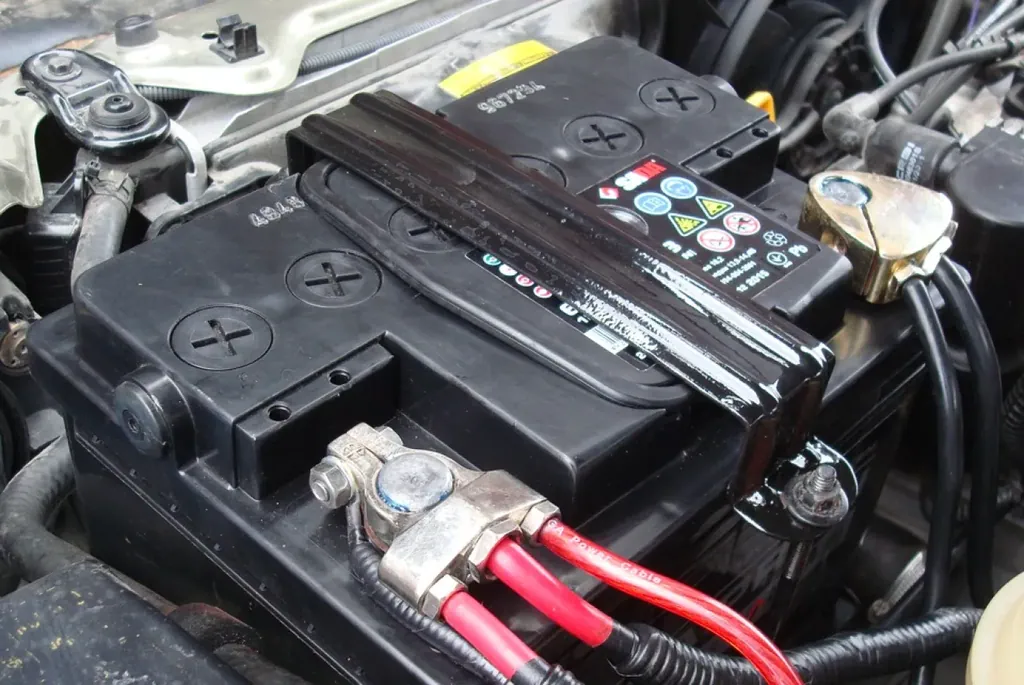
As for battery drain, there is generally no need to worry with today’s cars. Modern batteries and onboard systems are designed to handle short periods of inactivity without major issues.
In fact, disconnecting the battery in a modern vehicle is often not recommended. Many cars today rely heavily on electronic systems, and removing power can reset or erase important settings, from infotainment preferences to certain control modules.
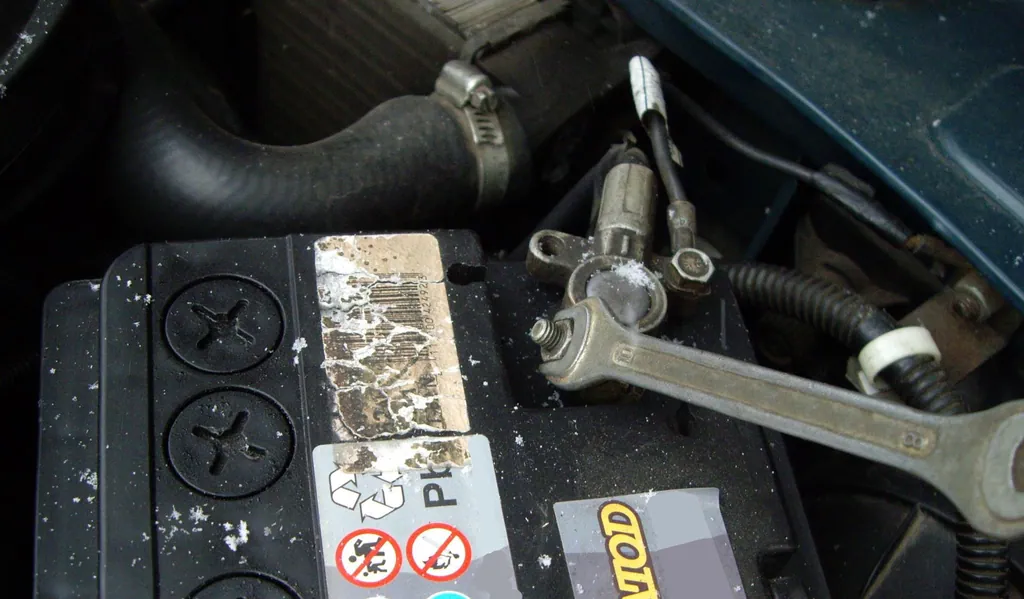
So while the old-school advice made sense decades ago, in most cases modern drivers can safely leave their car parked for a week or even longer without touching the battery terminals.
You may also be interested in the news:
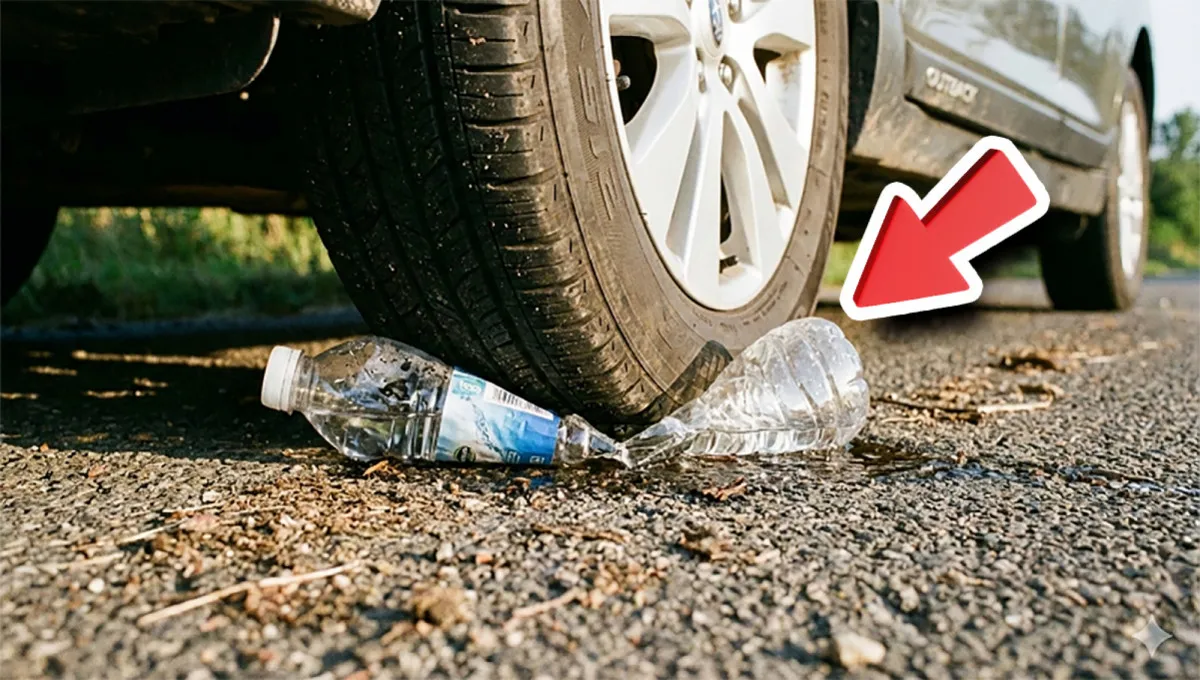
Bottle Under the Tire: The New Roadside Scam Targeting Drivers
A new roadside scam is gaining traction, using a simple plastic bottle to trick unsuspecting drivers.
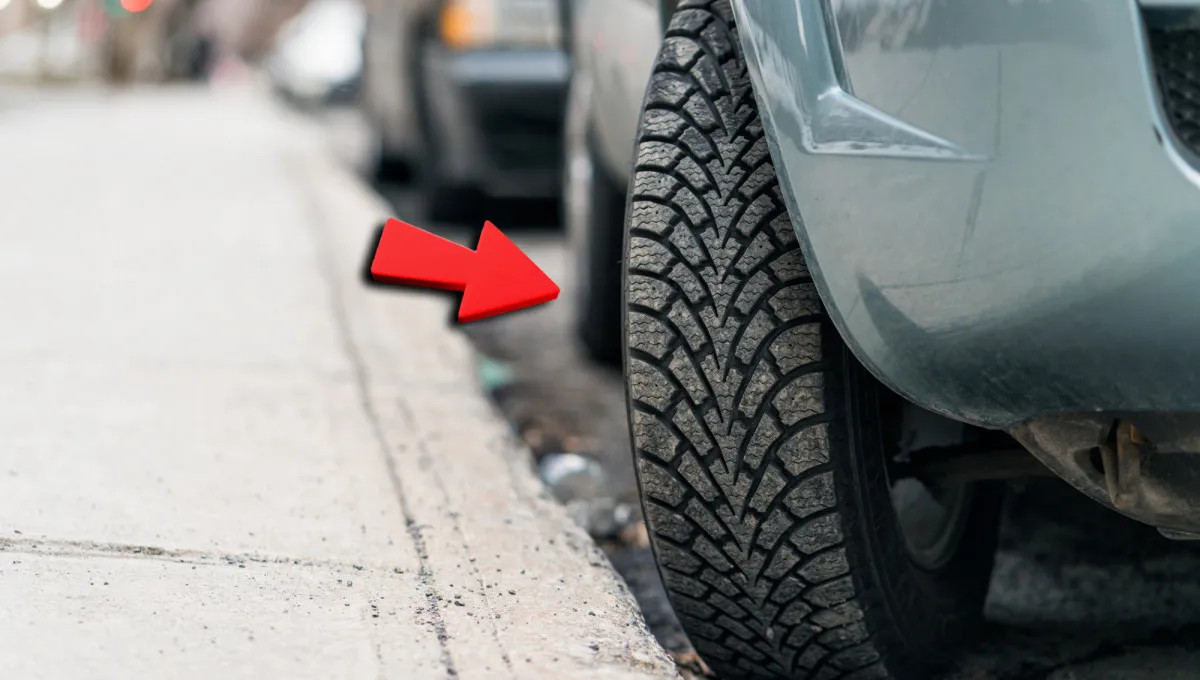
Why Your Neighbor Always Parks With the Wheels Turned: An Auto Expert Explains Three Reasons
Straight wheels aren’t always the smartest choice: experienced drivers turn them for three practical reasons you may not expect.
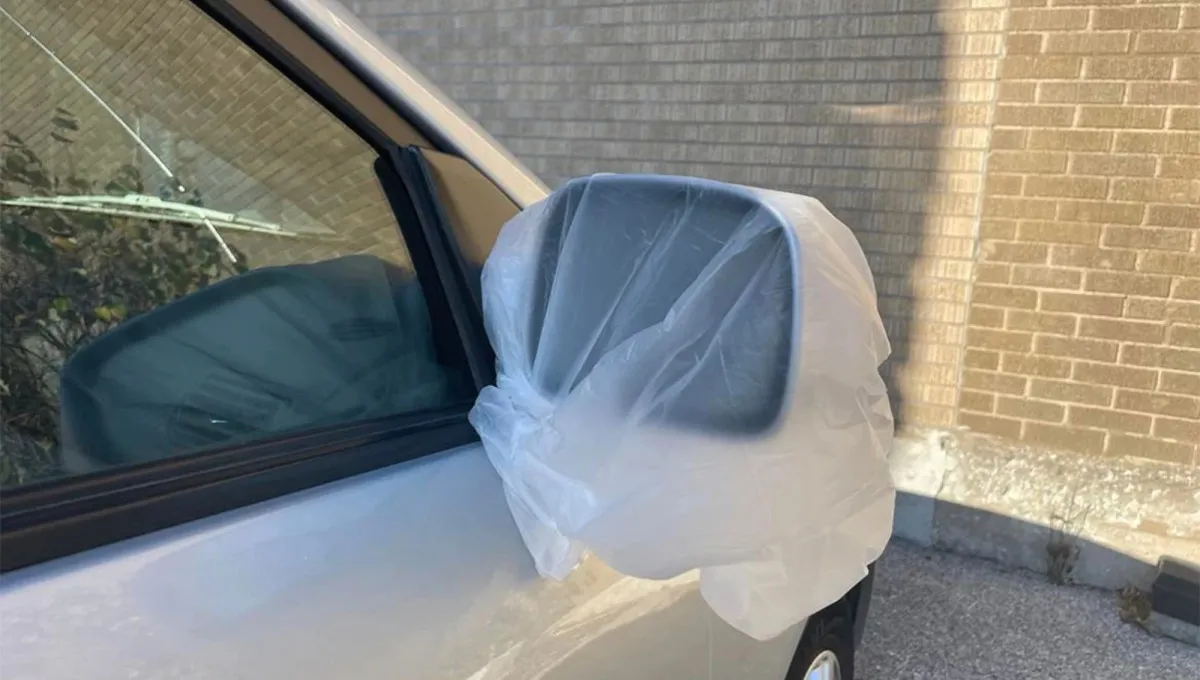
Why You Should Never Ignore a Plastic Bag on Your Car Mirror
You park your car, head inside, and return a short time later to find an ordinary plastic bag hanging from the side mirror.
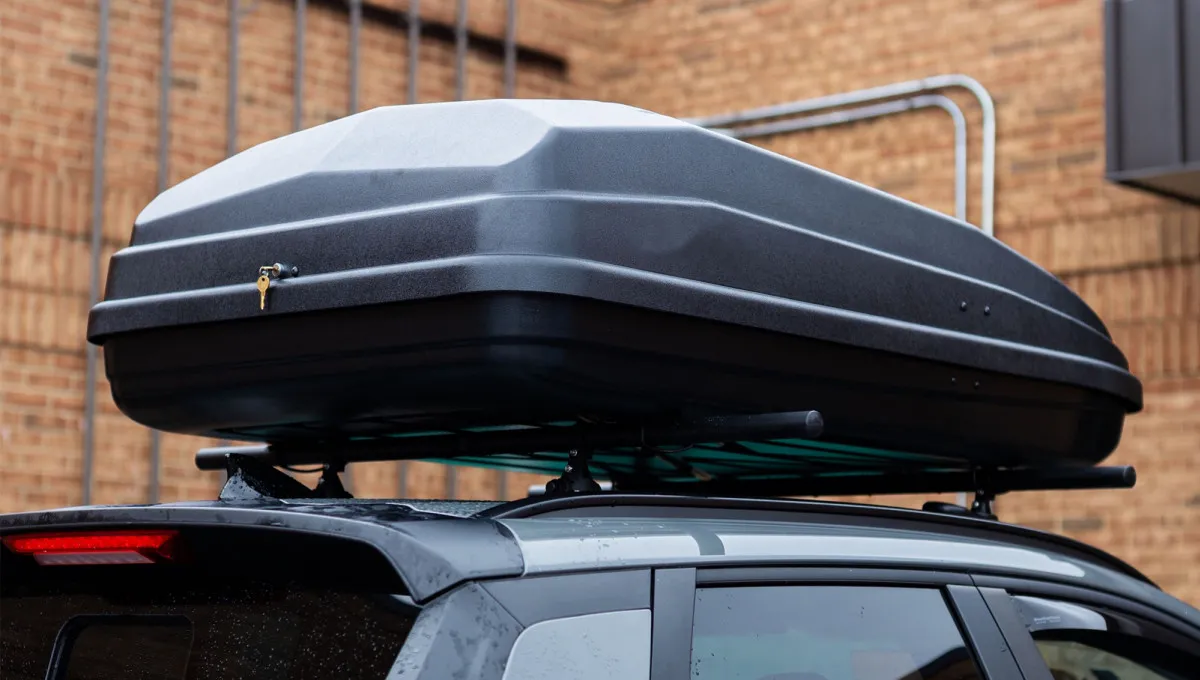
Auto Expert Warns Drivers About Common Mistakes When Installing a Roof Cargo Box
Roof cargo boxes have become increasingly popular with drivers looking for an easy way to carry more gear on road trips.
One Capful and Your Wipers Stop Squeaking: Experts Reveal a Simple Trick
We've all been there: windshield wipers start squeaking, smear grime across the glass and leave streaks behind instead of actually helping.