
What the ESP Button in Your Car Is and How It Works — A Simple Guide for Beginners
Most drivers only vaguely understand that ESP is the system that helps keep a car from skidding.
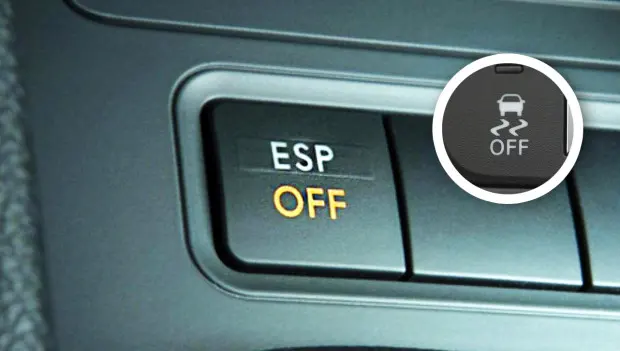
These days, almost everyone has heard of ESP, the electronic stability system found in modern cars. Most people know it’s some kind of feature that helps prevent a car from sliding out of control. But when it comes to how it actually works, that’s where confusion starts. So let’s break it down in simple terms.
A Little Theory First
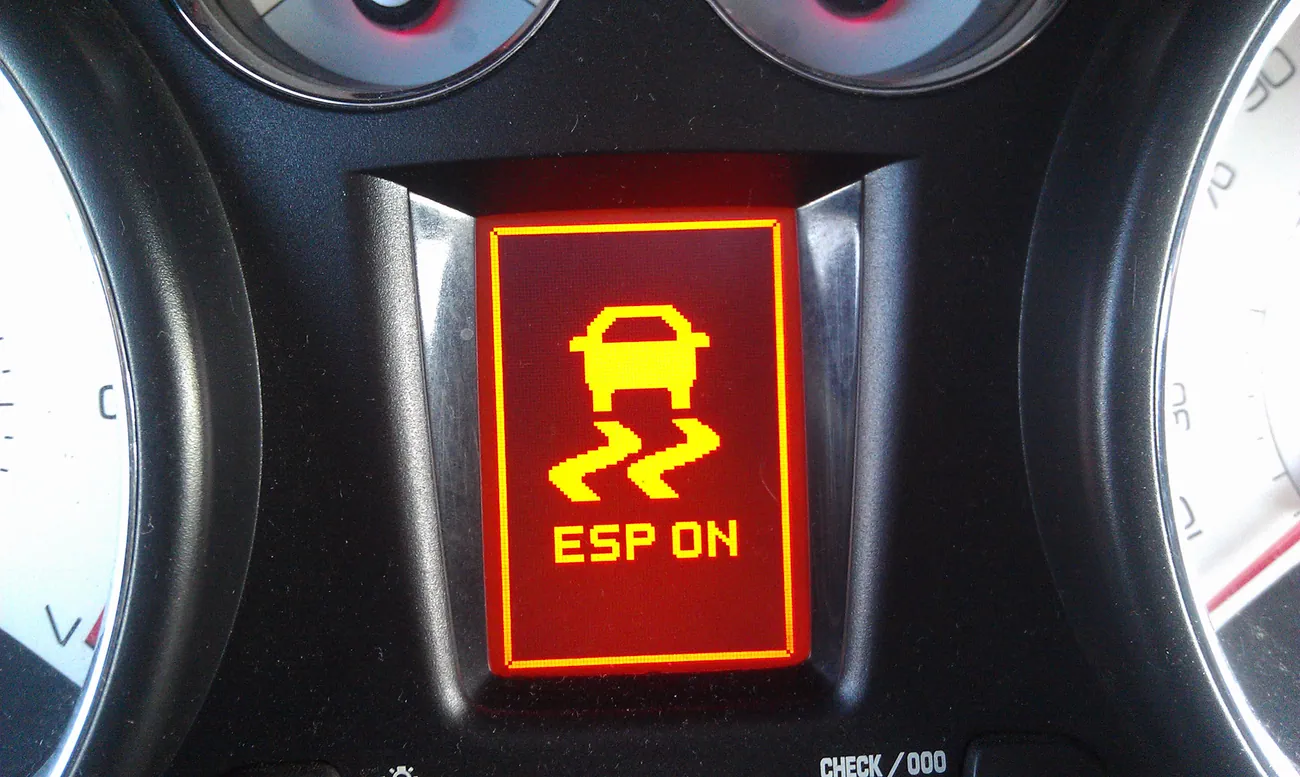
Yes, ESP (Electronic Stability Program) is basically an anti-skid system. In simple words, it’s an electronic system designed to help keep your car stable and pointed where you want it to go.
Its job is to reduce the chances of the car losing control and drifting away from the direction you intended. The key word here is reduce—it helps, but it doesn’t cancel the laws of physics.
How It Works in Real Life
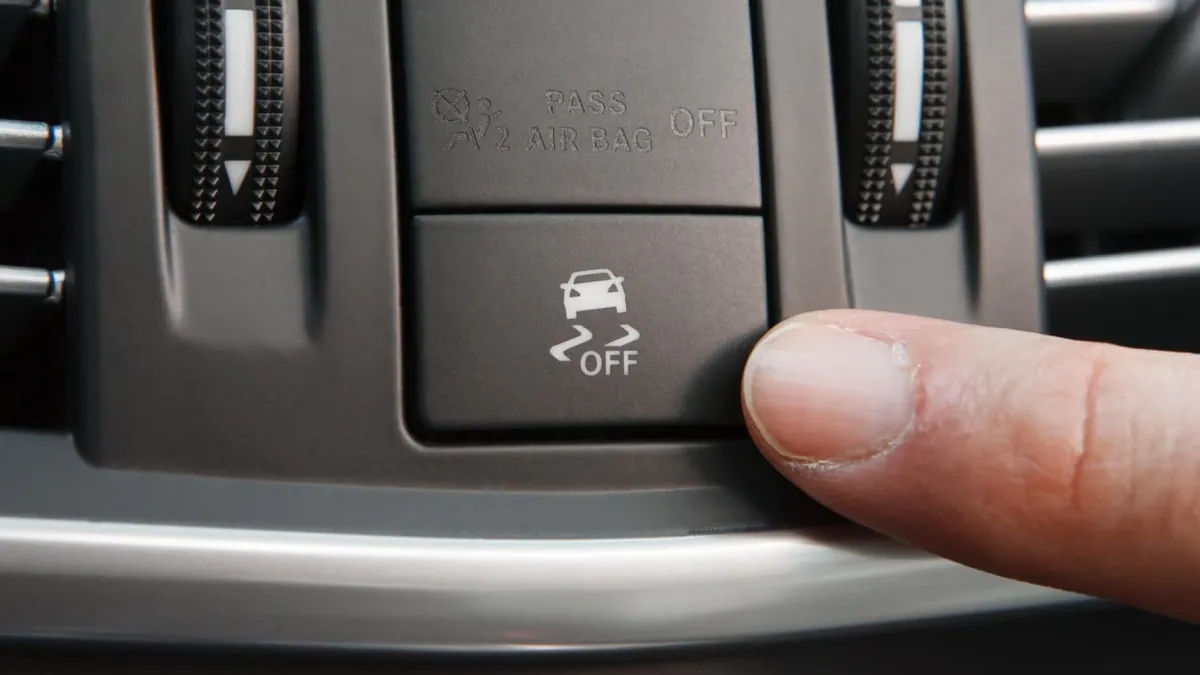
Imagine you’re driving straight down the road at a normal speed. Suddenly, an animal—or a person—runs out in front of you.
Your reaction? Most likely: slam the brakes and jerk the steering wheel to avoid the obstacle.
Sometimes that works perfectly—if your speed is low enough, the road has good traction, and there are no other hazards around.
But if conditions are worse—wet pavement, snow, ice, or just too much speed—the car can start to skid. In winter, sometimes it doesn’t even take an emergency. A simple turn can be enough to send the car sideways.
From there, things usually go one of three ways.
Scenario A: The Skilled Driver
An experienced driver reacts correctly and saves the situation manually.
Controlled braking, downshifting, quick steering input away from danger, then countersteering and throttle correction to regain control.
Of course, every reader thinks they’re this driver.
In reality, only a small number of people can actually do this well under pressure.
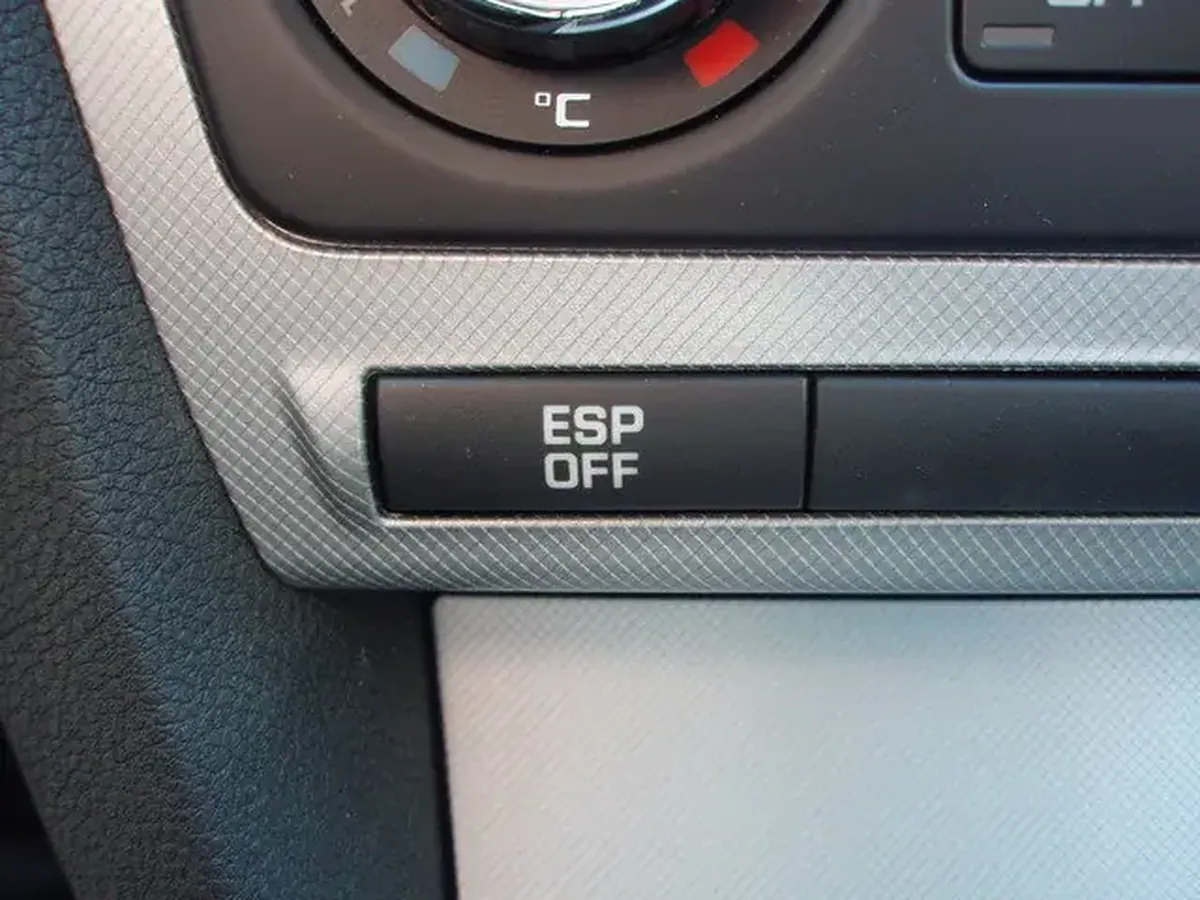
Scenario B: Panic Mode
The driver slams the brake pedal to the floor and turns the wheel all the way.
Then, after barely avoiding the obstacle, they yank the wheel back the other way—while still braking hard.
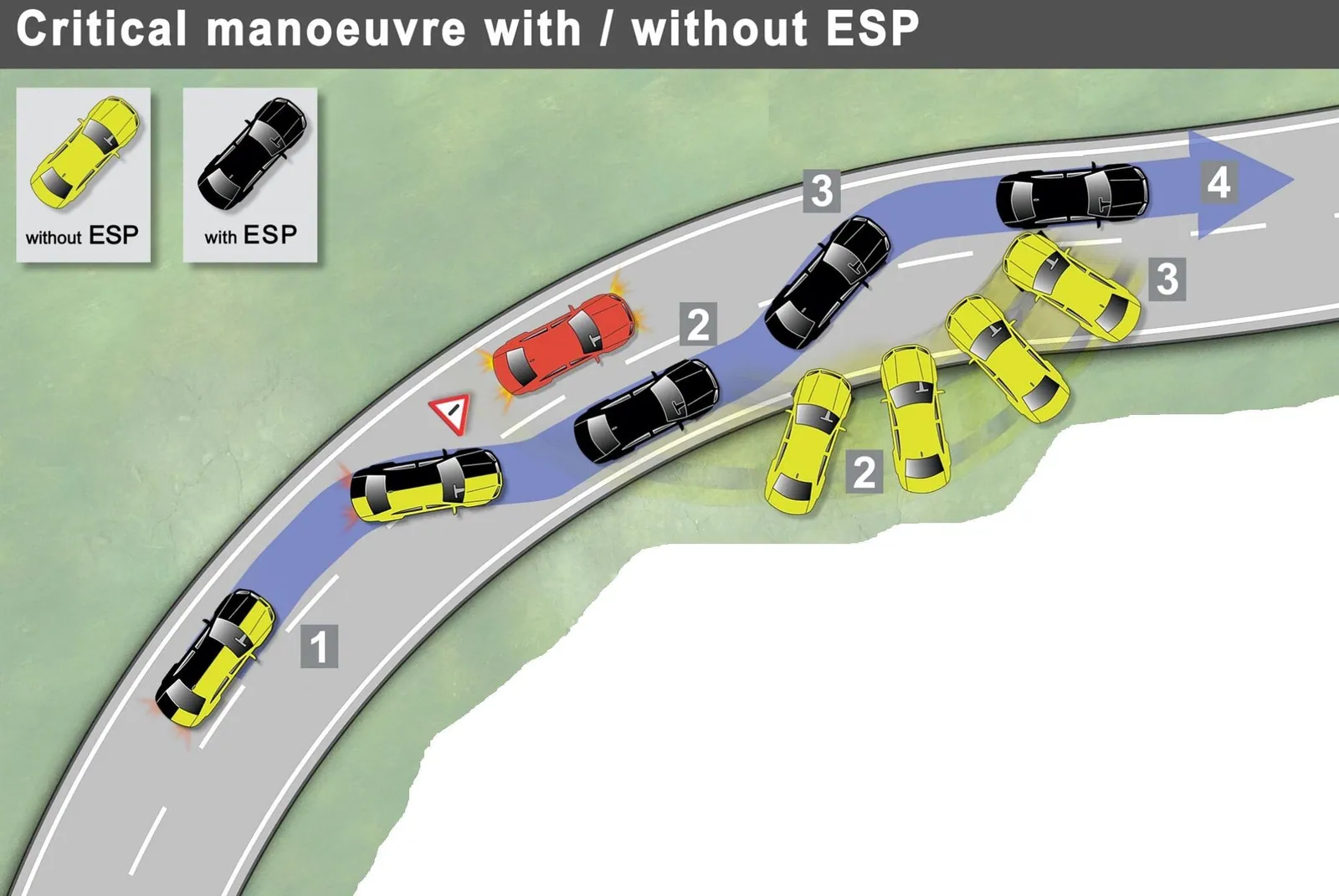
Without ESP, even a front-wheel-drive or all-wheel-drive car can easily go into a long skid or start swinging back and forth across the road. Sometimes that’s even worse than the original skid.
If you’ve ever watched crash videos online, you’ve seen this happen plenty of times.
Scenario C: Beginner Driver, But the Car Has ESP
Same inexperienced driver, but now the car is equipped with ESP.
No miracles happen—but losing control becomes much harder.
The system steps in fast enough to help keep the car stable, as long as there’s enough room to avoid the obstacle in the first place.
How ESP Actually Saves the Situation
It has several tools to work with.
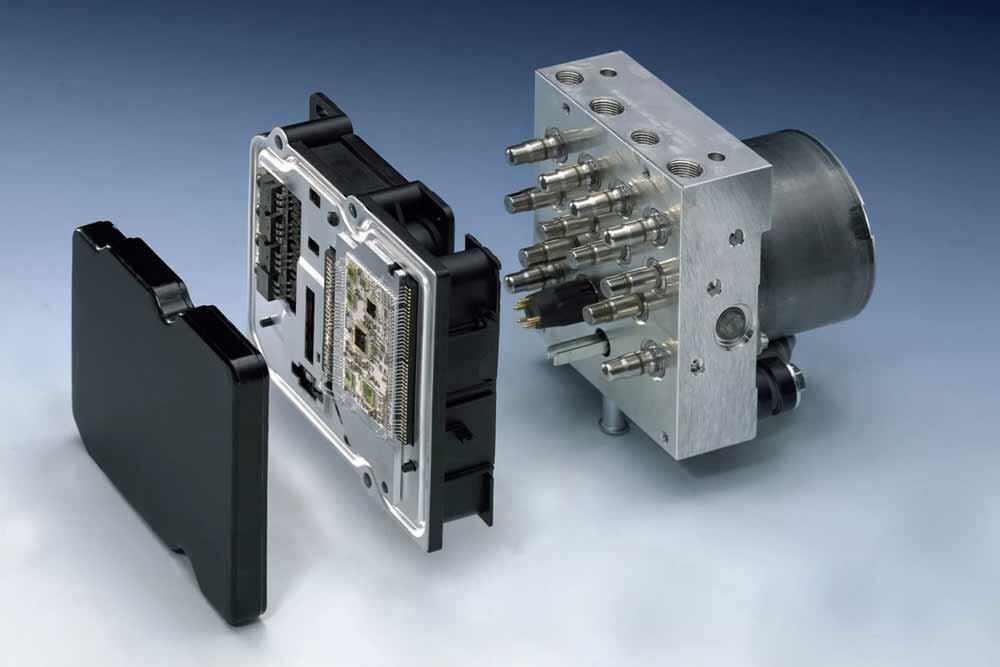
1. Selective Braking of Individual Wheels
The main tools of ESP are actually the regular brakes.
Yes—the same brake calipers your car uses every day.
ESP can apply braking force to specific wheels individually and with incredible precision. It might lightly brake one rear wheel, then briefly apply pressure to a front wheel—all in fractions of a second.
This helps prevent understeer or oversteer and keeps the car following the direction set by the steering wheel.
How Does It Know What to Do?
There’s a steering angle sensor on the steering column that tracks where you’re turning.
There are also accelerometers inside the car that monitor how the body is moving—sideways, forward, and rotationally.
All this information goes to the control unit.
If the system sees that at 75 mph, the steering wheel suddenly turns sharply left, brake pressure jumps to maximum, and the body starts sliding sideways—it knows trouble is starting.
It instantly calculates which wheel needs braking and for how long.
This happens in hundredths of a second, so fast that many drivers never even notice ESP working.
2. It Can Reduce Engine Power
Sometimes braking alone isn’t enough.
If the skid keeps developing, ESP can reduce throttle input automatically by partially closing the throttle body.
In simple terms: the system can cut engine power even if your foot is still pressing the gas pedal.
This also works together with traction control, which is part of the overall stability system.
3. Differential Control
More advanced systems can also manage how power is distributed between the wheels.
By controlling the differential lock, torque can be sent to whichever wheel has the best grip at that moment.
This becomes extremely useful during emergency maneuvers or slippery-road situations.
Of course, this requires electronically controlled differentials, so it’s usually found on more advanced vehicles.
4. Steering Assistance
Some systems can even help the driver keep the steering wheel steady.
For example, if deep snow grooves try to pull the wheel back unexpectedly, the system can assist and help maintain direction.
This became more common with the spread of electric power steering.
5. Rear-Wheel Steering
On premium vehicles with active suspension and rear-wheel steering, ESP can also control the rear wheels themselves.
Yes—some cars can actually steer slightly with the rear wheels to improve stability.
That adds another layer of control during sudden maneuvers.
ESP Has Become Much More Than Anti-Skid Protection
This list is far from complete. The exact features depend on the class and complexity of the vehicle.
But the main point is clear: ESP has evolved from a simple anti-skid system into one of the most important parts of active vehicle safety.
Different automakers call it different names—ESC, VSC, ASC, VSA, and plenty of other abbreviations.
But the idea is always the same.
It’s a complex electronic safety system with sensors and controls spread throughout the car, constantly working to help keep you safe.
Some people complain that “cars aren’t what they used to be.”
But considering how many unpredictable drivers are on the road today, systems like ESP are probably one of the best things modern cars have added.
You may also be interested in the news:
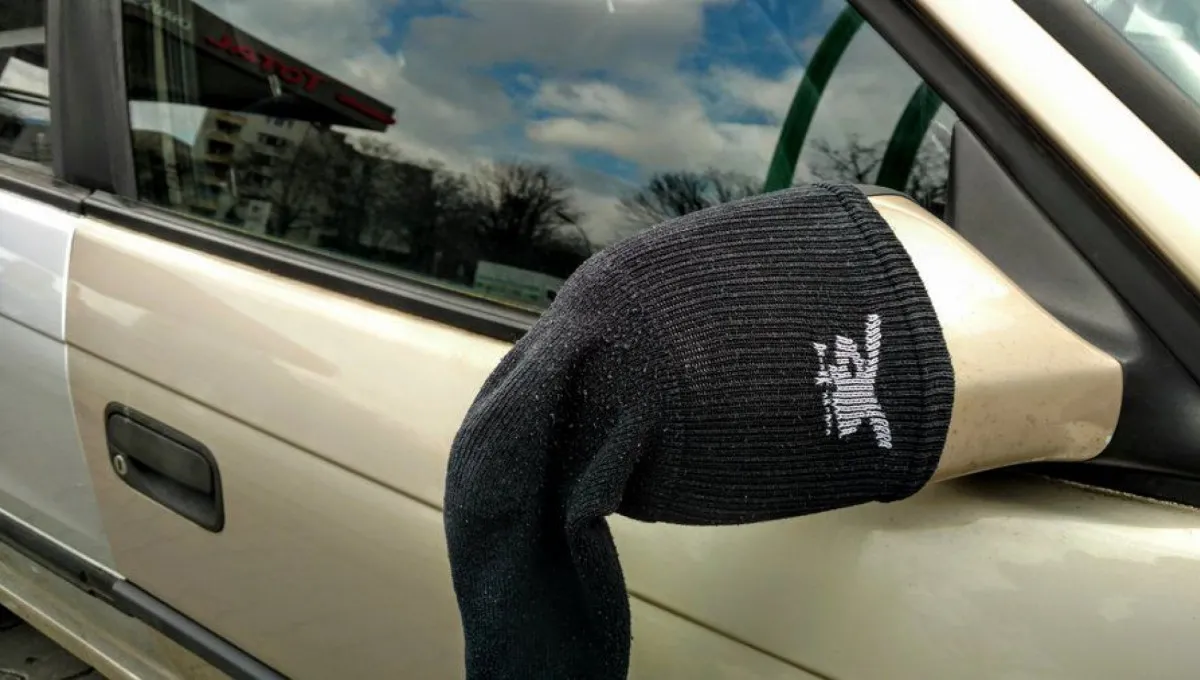
Why Experienced Drivers Put Socks on Their Car Mirrors in Fall: The Clever Trick Explained
An old pair of socks can help reduce frost buildup on your side mirrors overnight, saving time on cold mornings when every minute counts.
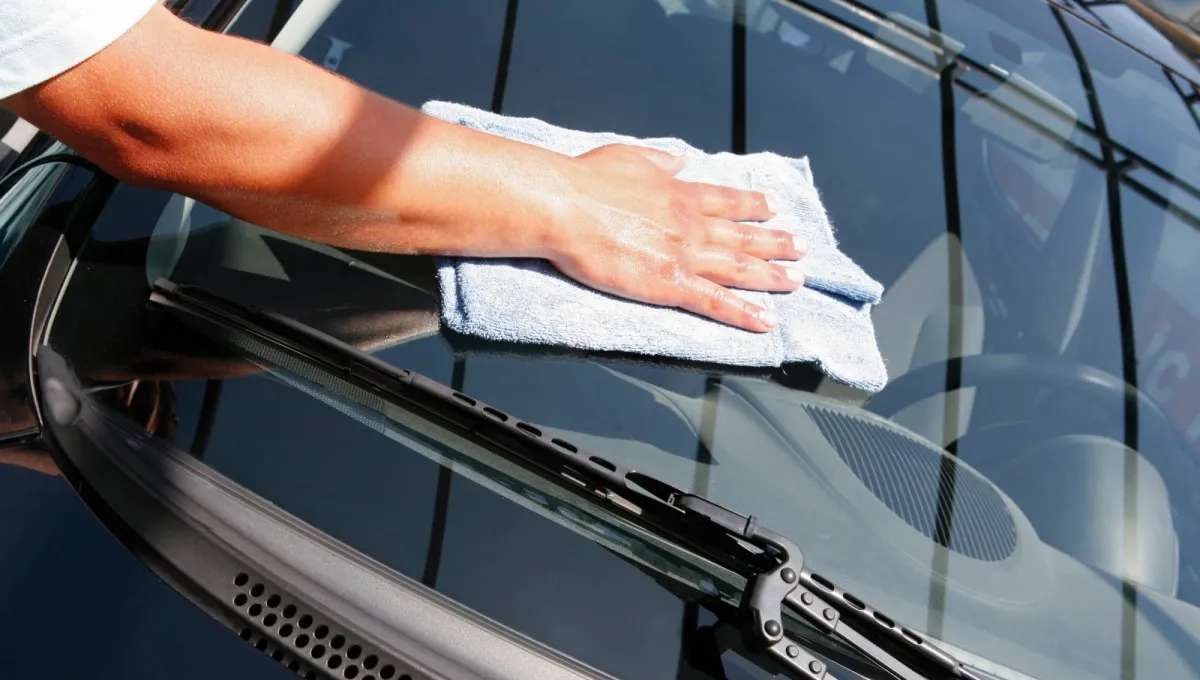
How to Clean Your Windshield Without Streaks: Experts Recommend This Simple DIY Mix
The secret to a streak-free windshield comes down to the right cleaning solution, two microfiber cloths, and the proper drying technique.

Why Some Drivers Keep Bay Leaves in Their Cars — It’s Not Just About Superstition
Can a common kitchen spice help repel bugs, freshen your car’s interior, or even help you relax behind the wheel?
Cold Weather Can Leave You Stranded — 5 Things Every Driver Should Have in Their Car
The first hard freeze can catch drivers off guard. Here's what to keep in your vehicle and how to prepare your battery, tires, and fluids for colder weather.
Your Speedometer Says 65 MPH, but Your GPS Says 62 — Here’s Why Your Car Does That
Your speedometer reads 65 mph, but your GPS says 62 mph. Here’s why the numbers rarely match.