
Military Tech in Your Car: 9 Systems That Came Straight From Defense
Many groundbreaking human inventions were originally developed for weapons and military technology before being adapted for civilian use.

It’s no coincidence that some of the most revolutionary technologies in history were first created for the military. Over time, these innovations found their way into everyday cars. Here are nine military-derived technologies now integral to modern vehicles.
Window Films

First used during World War I, laminated glass helped protect soldiers from shattered gas mask lenses. The technology later migrated to automotive glass, providing safety and durability in civilian vehicles.
Anti-lock Braking System (ABS)

By the late 1920s, military aircraft were becoming faster and heavier, leading to wheel lock-ups on landing. French aviation engineer Gabriel Voisin developed one of the earliest mechanical anti-lock systems, which automatically released brake pressure to prevent wheel lock-up. Today, no modern car can be certified for road use without ABS.
Parking Sensors

The concept of detecting objects via reflected sound originated in World War II. British forces used acoustic sonar to locate German submarines. Modern automotive parking sensors work on the same principle.
Radar and Lidar
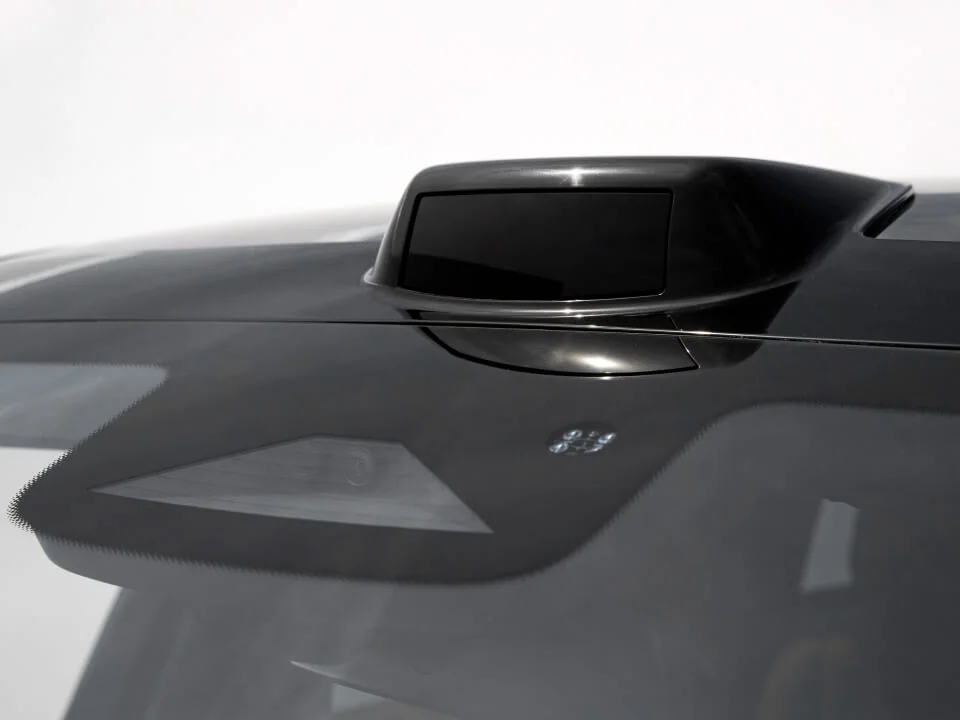
Today, radar and lidar are key components in driver-assist systems such as collision avoidance and adaptive cruise control. Militaries first used radar extensively before and during World War II to detect aircraft and ships.
Heads-Up Display (HUD)

Originally developed for military aviation, HUDs projected critical flight information onto fighter jet windshields. Modern cars now use the same technology to display navigation and safety info directly on the windshield.
Navigation Systems (GPS)

GPS was initially a network of military satellites for guiding planes, missiles, and artillery. Civilian navigation systems only became widely available in the early 1990s, though today similar satellite networks exist globally.
Fuel Injection
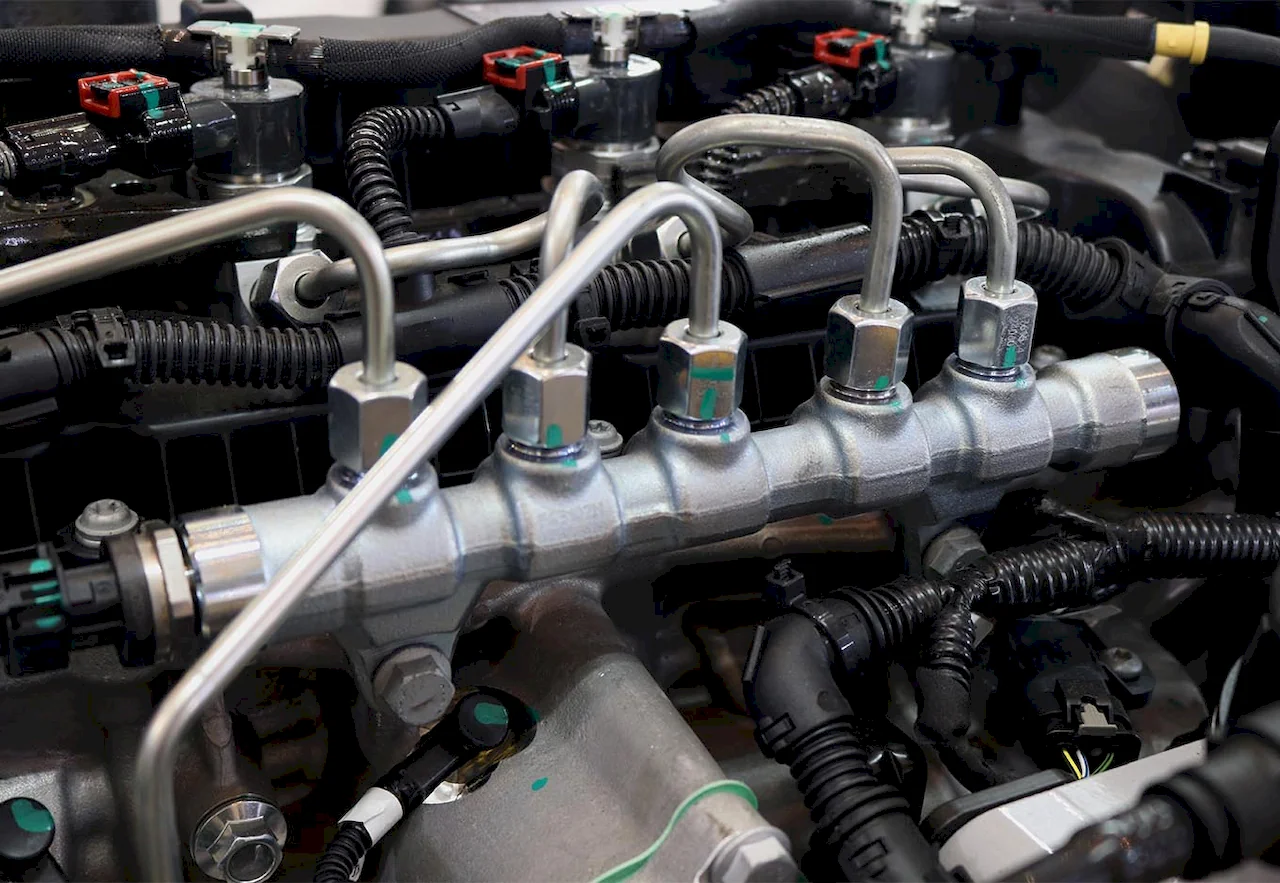
Direct fuel injection first appeared in aircraft engines in the 1930s. Faster, higher-flying planes required precise fuel delivery that carburetors couldn’t provide. Automakers later adopted injection systems for reliability, performance, and fuel efficiency.
Composite Materials
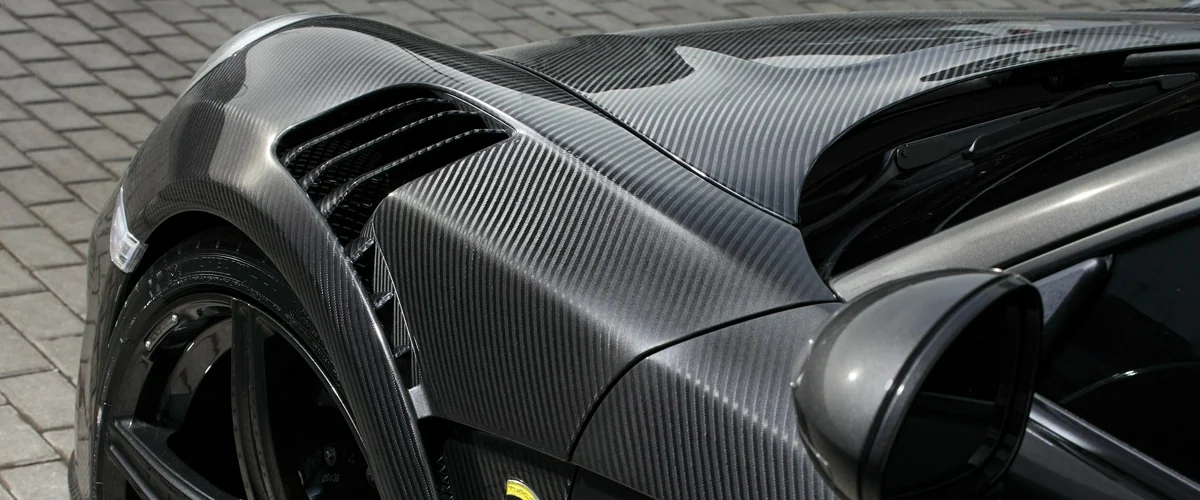
Carbon fiber composites were first developed for military aircraft in the 1960s, valued for their strength and light weight. Motorsports adopted the technology, with the McLaren MP4/1 debuting a carbon fiber monocoque in 1981. Mass-market cars, like the BMW i3, began using carbon fiber in the 2000s for body panels, structural components, and even brake systems.
Synthetic Motor Oil

The development of synthetic oils was driven by jet engine demands in the 1950s and 1960s. High-performance engines required lubrication that could withstand extreme temperatures. The technology quickly migrated to cars, improving cold starts and overall engine performance.
From laminated glass to synthetic oil, these military-born innovations now make your daily drive safer, smoother, and more efficient.
You may also be interested in the news:
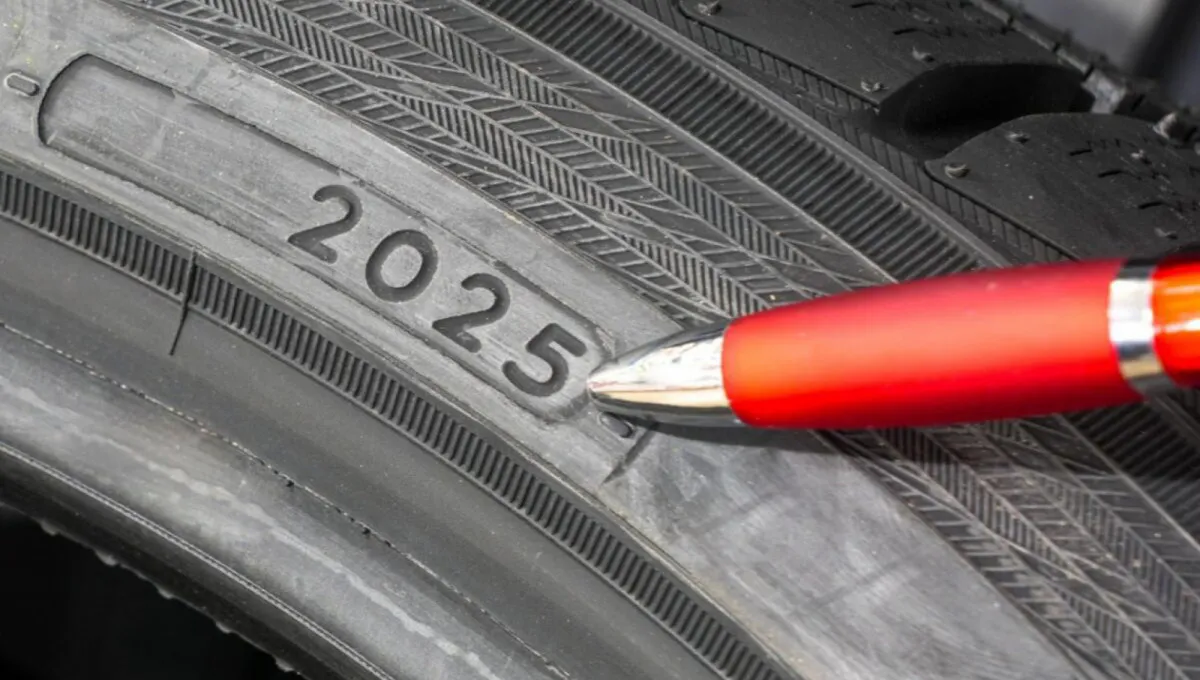
Why You Should Check a Tire’s Manufacturing Date Before Buying
Tire buyers should check more than size, tread, and brand because rubber changes with age, even without visible wear.

Your Car Sat for a Few Days and Won’t Start: What Could Be Draining the Battery
Your car can sit for days and still drain its battery, even when everything appears switched off.

Four Car Features Modern Drivers Are Starting to Miss
New cars keep adding technology, but some simple features that drivers once relied on are disappearing.

The Sheriff Knew She Was Speeding—Then This Blonde Driver Turned the Ticket Against Him
A sheriff pulls over a Ferrari for speeding, but the driver's bizarre logic quickly turns the traffic stop against him.
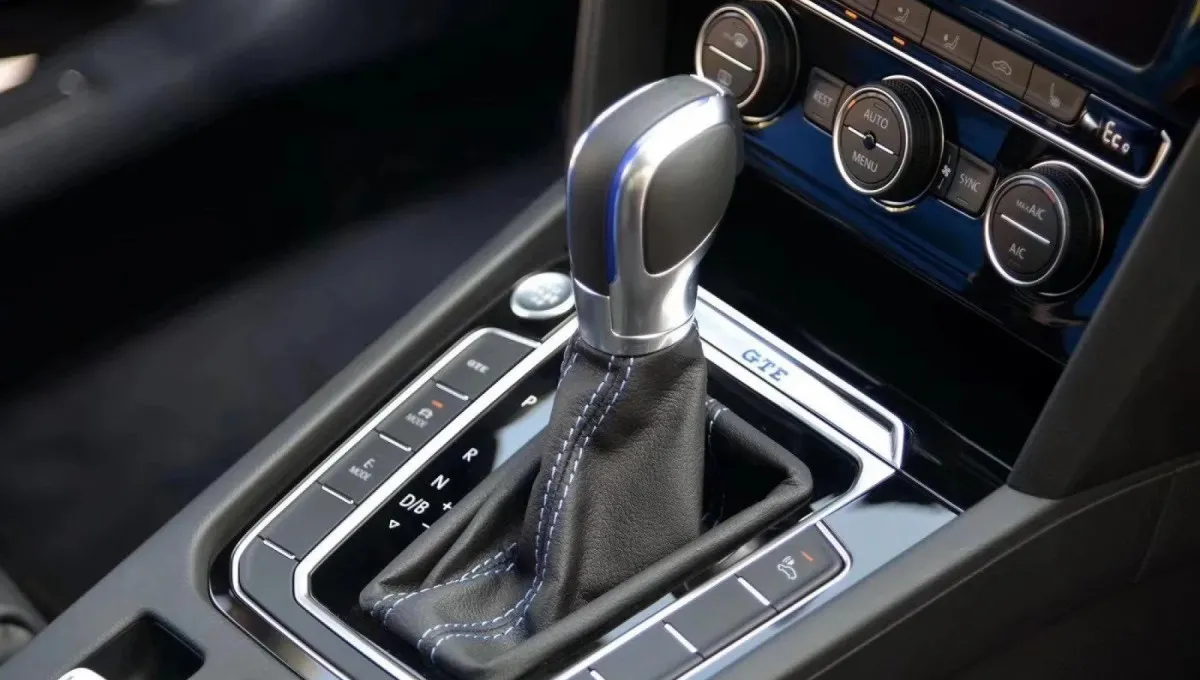
One Driving Habit Slowly Wears Out an Automatic Transmission: What Drivers Should Avoid
Seven-speed DSG gearboxes with dry clutches are among the most vulnerable and expensive to repair.