
What the Mysterious “Overdrive” Button Was For — and Why It Disappeared From Cars
Older automatic transmissions featured a mysterious Overdrive button that once played a surprisingly important role in everyday driving.
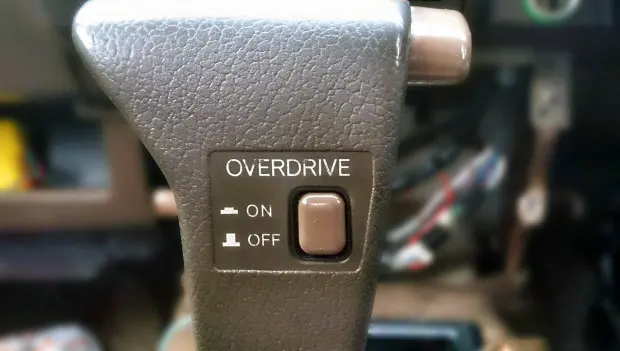
If you owned a car with an automatic transmission in the 1980s, 1990s, or early 2000s, chances are you noticed a small button sitting near the gear selector. It usually carried a label reading “Overdrive OFF,” though most drivers simply called it the “overdrive button.” These days, however, that once-common feature has almost completely disappeared from modern vehicles. So what exactly did it do, and why did automakers stop using it?
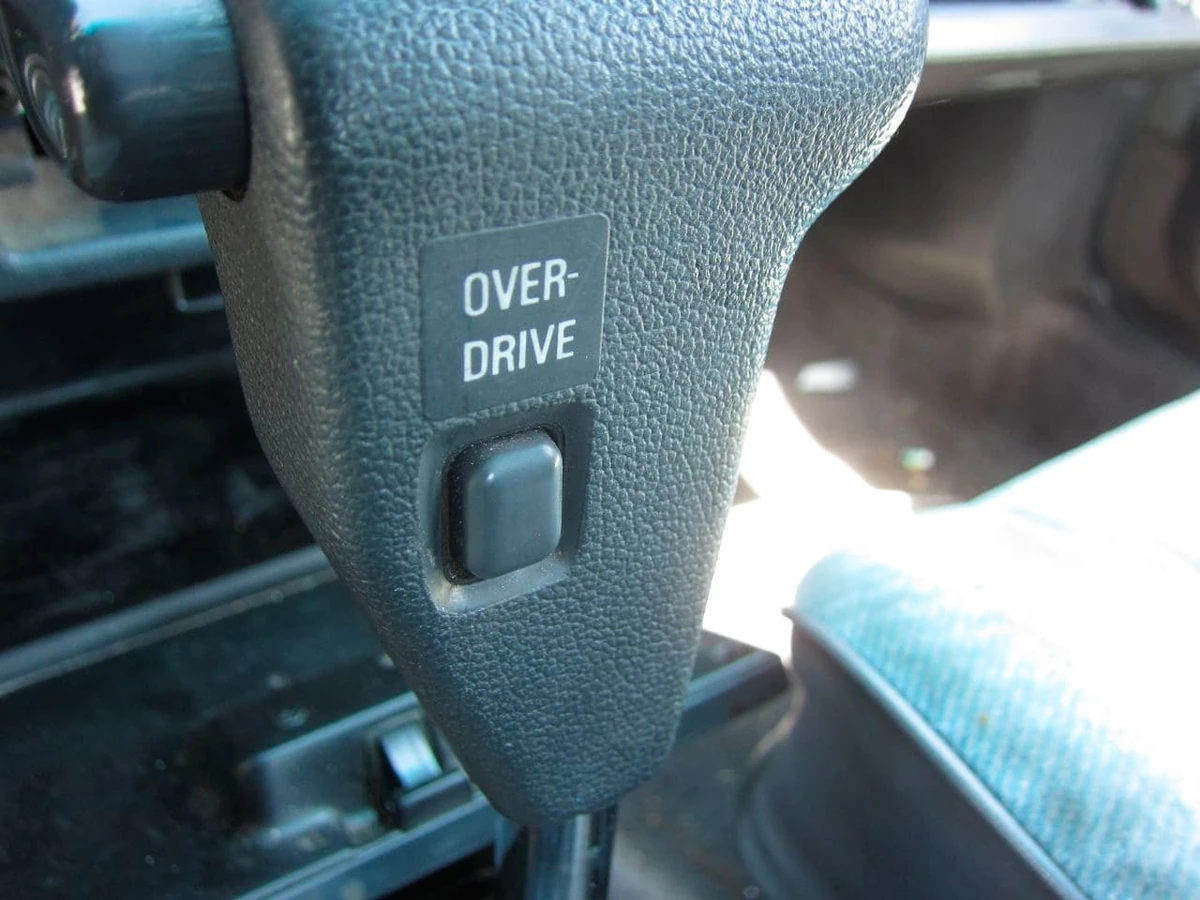
In automotive terms, “overdrive” refers to a special high gear inside an automatic transmission. Technically, it’s a gear ratio lower than 1:1, meaning the transmission’s output shaft spins faster than the engine itself. In simple terms, the engine can maintain highway speed while turning at lower RPMs. That setup improves fuel economy, reduces engine noise, and makes long-distance driving more comfortable.
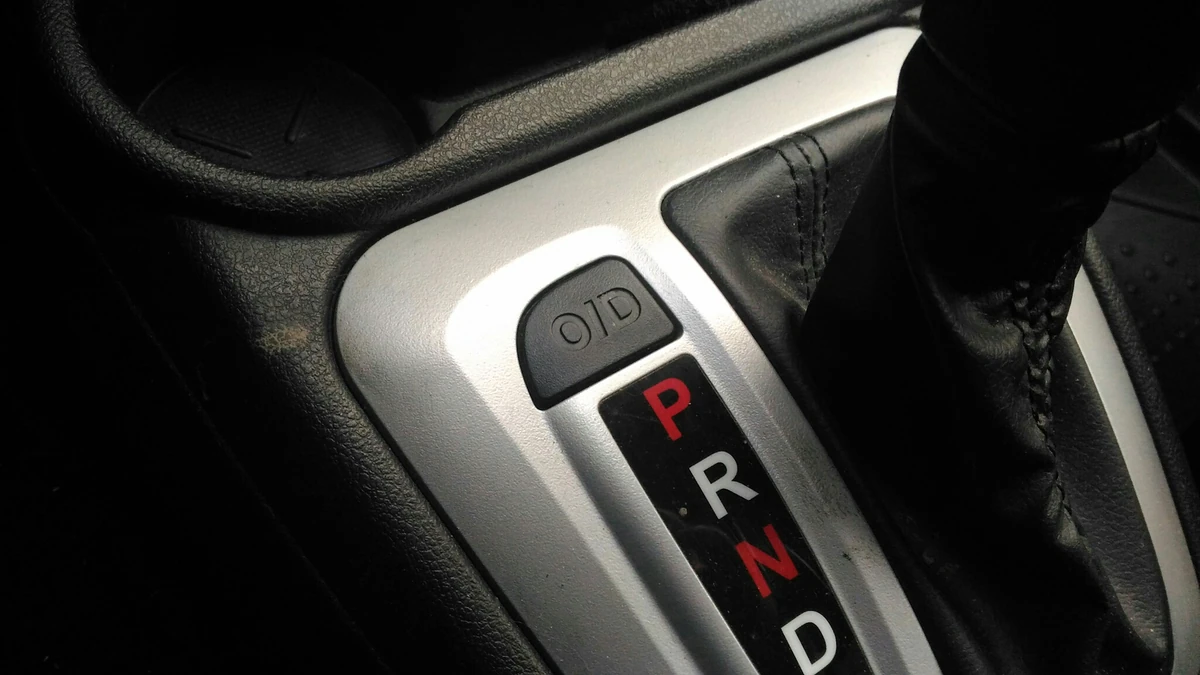
Because of that, overdrive essentially acted as the highest cruising gear in older automatic transmissions. It worked especially well during steady highway driving, where minimizing engine speed helped save gas and reduced wear on mechanical components. But there was a downside: overdrive wasn’t ideal in situations requiring maximum torque or constant power delivery.
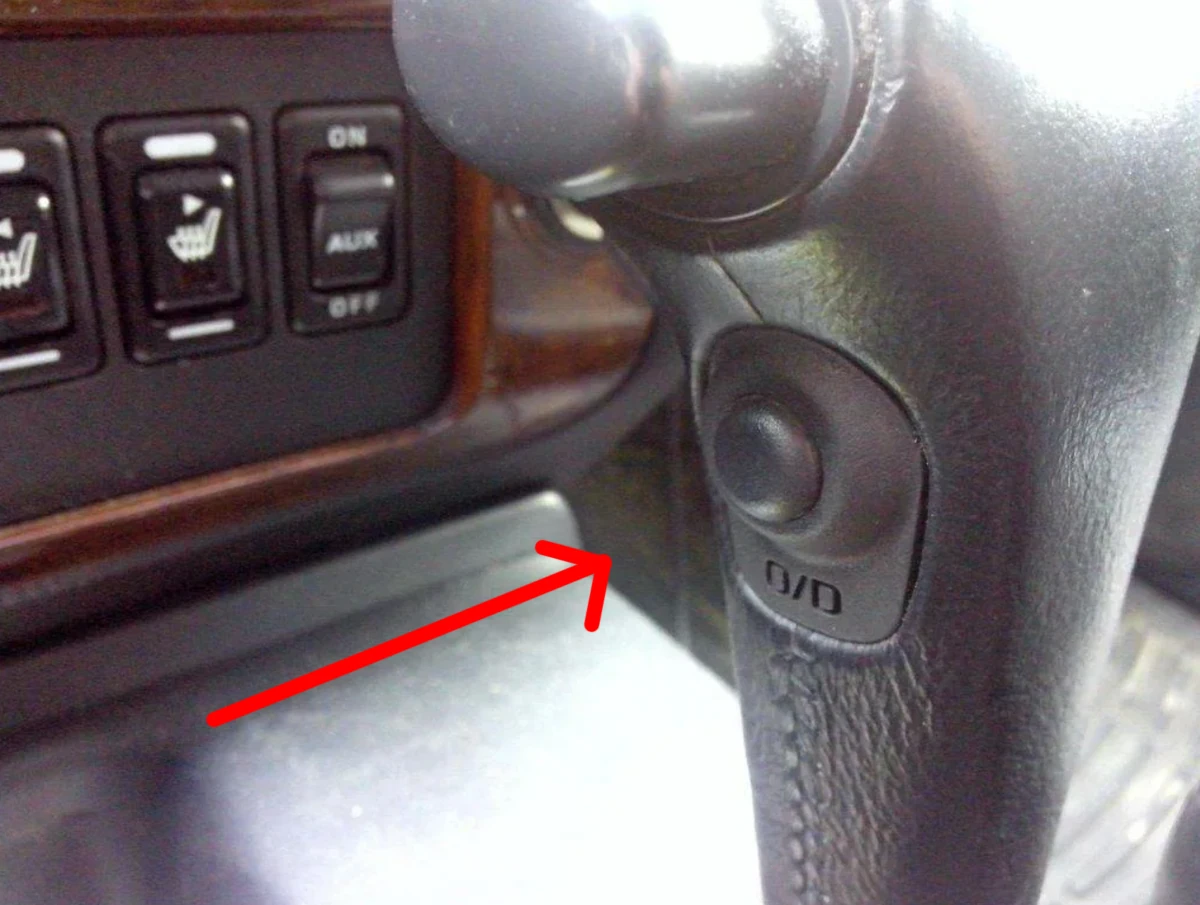
For example, drivers were often advised to disable overdrive while climbing steep grades, towing trailers, hauling heavy cargo, or driving on winding roads. In those conditions, keeping the transmission in lower gears improved throttle response and prevented constant gear hunting between ratios.
The reason the button existed in the first place comes down to limitations in older automatic transmissions. Early automatics lacked the advanced electronics and adaptive software found in today’s vehicles, so they couldn’t always decide which gear worked best under changing conditions. That’s where the “Overdrive OFF” button came in.

When activated, the system locked out the highest gear and forced the transmission to operate using only the lower gears — usually the first three in a four-speed automatic. This allowed the engine to stay in a stronger torque range, which proved useful during demanding driving situations.
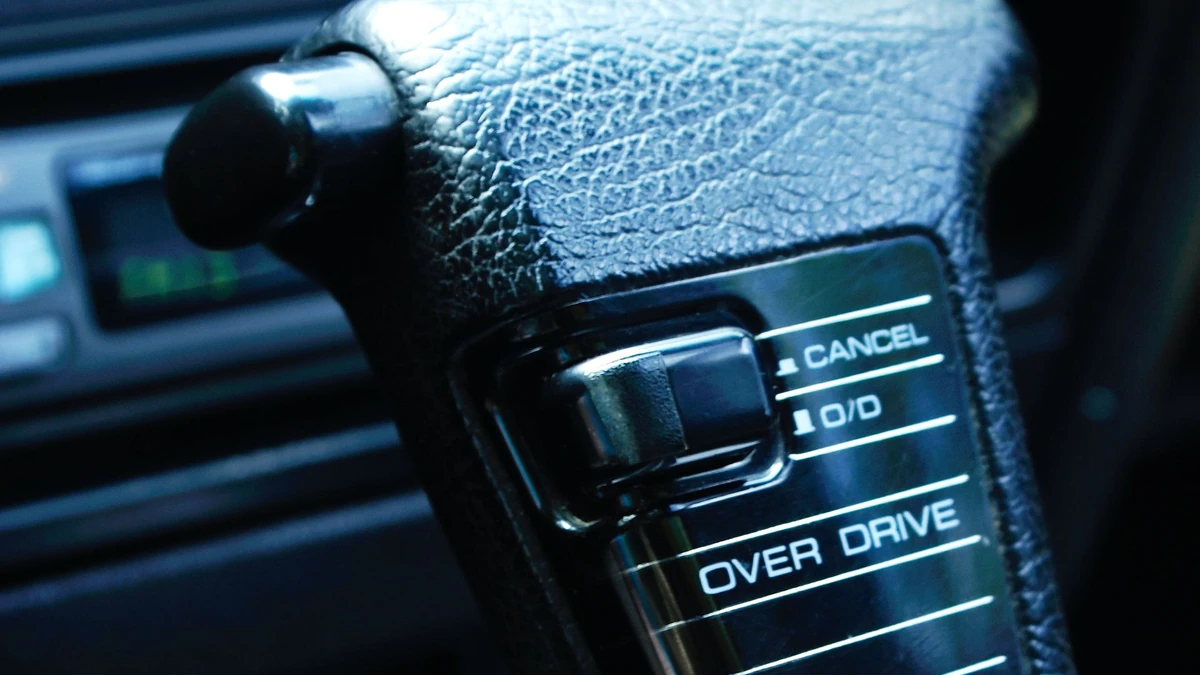
Modern transmissions, however, are dramatically more advanced than the old four- and five-speed automatics of the past. Today’s vehicles commonly use seven-, eight-, nine-, or even ten-speed transmissions controlled by highly sophisticated software. These systems constantly analyze throttle input, vehicle speed, load, road angle, and driving behavior to choose the most efficient gear automatically.
As a result, modern automatics can seamlessly manage overdrive functions on their own without requiring any driver intervention. In many newer vehicles, several gears may technically function as overdrive ratios, depending on the transmission design.
Because electronic controls became so effective, the old Overdrive OFF button slowly disappeared from dashboards and center consoles. What once served as a necessary workaround simply became unnecessary as transmission technology evolved.
You may also be interested in the news:
Your Engine Could Be Warning You: 6 Problems That Can Make a Car Run Rough
Engine problems rarely happen without a reason, and six common issues can cause a car to run poorly.
Changing Your Car’s Filters: How to Do Basic Maintenance Yourself Without Damaging the Engine
Changing the oil, engine air filter and cabin air filter yourself can save money, but small mistakes can cause expensive problems.
That Stuff in Your Trunk Is Costing You More Than You Think—Here’s What to Take Out
Carrying unnecessary cargo can quietly increase fuel use, accelerate wear and create an avoidable safety hazard for drivers and passengers.
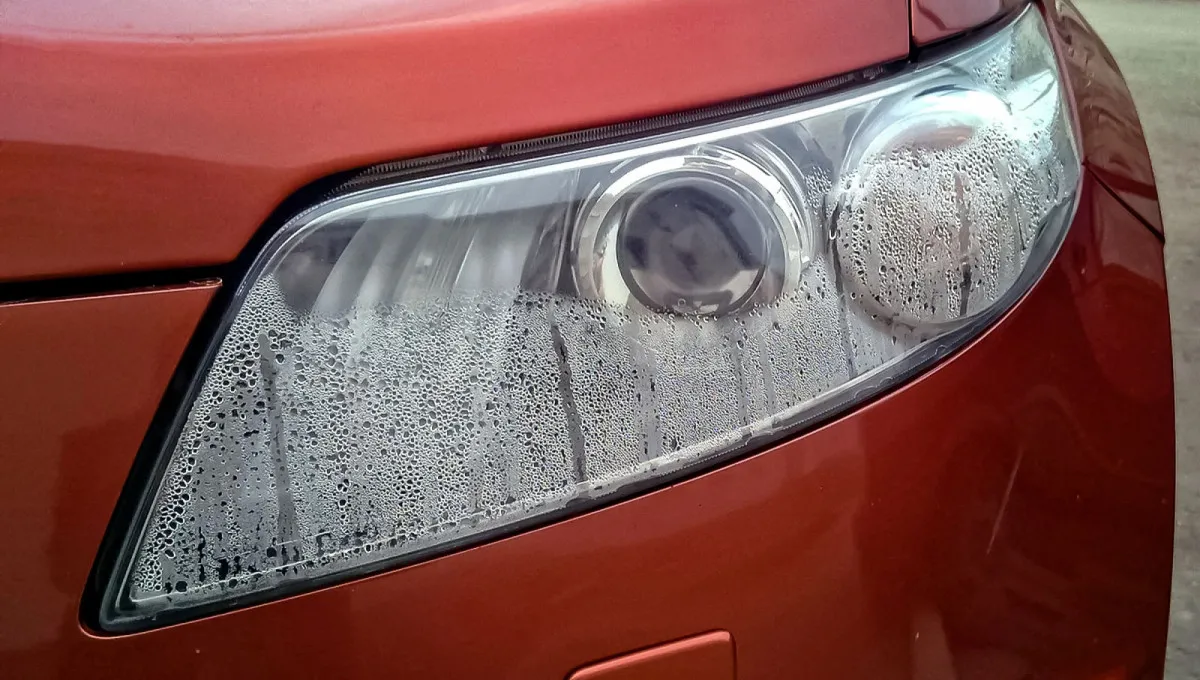
Your Headlights Are Fogging Up for a Reason: 4 Causes and 5 Steps to Fix Them
Foggy headlights are not always a sign of damage, but persistent condensation can point to a problem that needs attention.
Why Is Your Car’s Suspension Making a Knocking Noise? 5 Symptoms Every Driver Should Know
Five common suspension noises can point to specific problems, helping drivers narrow the cause before inspection.