
Why Brake Rotors Rust—and How to Prevent It
What should you do if your brake rotors start to rust?
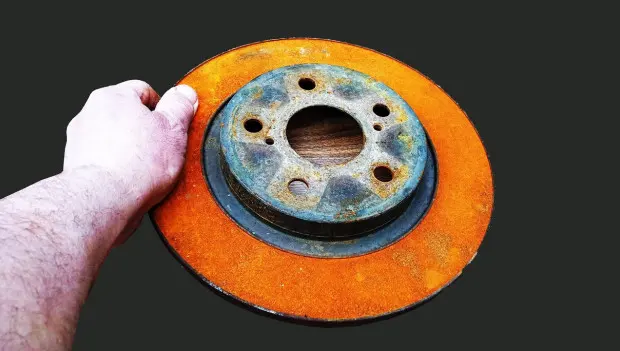
Corrosion on various components and parts is every driver's nightmare. Anyone who has owned a vehicle for any length of time has probably had to deal with rust on the rocker panels, fenders or underbody. Unfortunately, those aren't the only parts that can corrode. Some of the most important components can develop rust too, including parts of the vehicle's braking system.
1. Why Do Brake Rotors Rust?
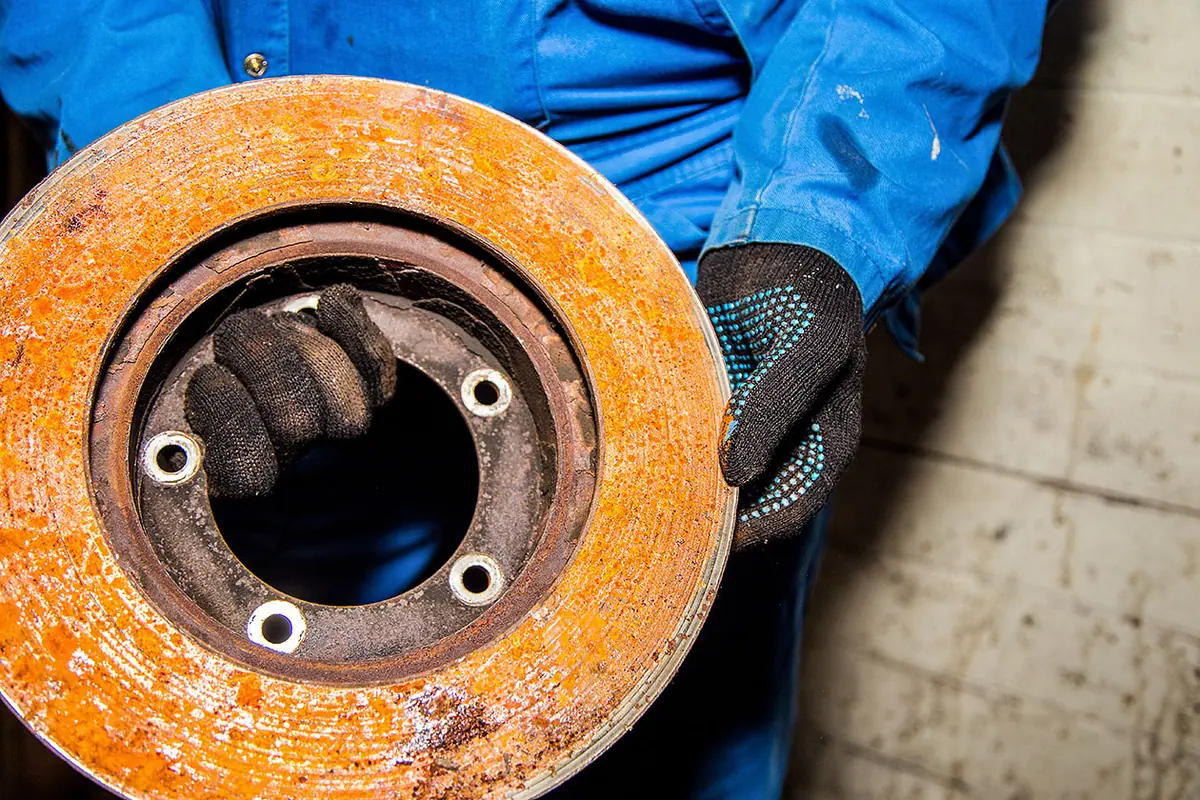
Like virtually any other metal component on a vehicle, brake rotors usually don't rust because of a single factor. Instead, corrosion develops as a result of several conditions working together.
For starters, brake rotors are typically made from cast iron. That material is used for a good reason: It can withstand extremely high temperatures while also dissipating heat effectively. Both properties are essential for a braking system that can become extremely hot during hard use.
Cast iron generally resists corrosion better than many types of steel, but it still oxidizes when exposed to moisture and oxygen. And because of how brake rotors work, their friction surfaces cannot be covered with paint or another protective coating. Any coating on the area where the brake pads make contact would interfere with braking performance. It would quickly wear away anyway.
As a result, brake rotors are constantly exposed to moisture and condensation. Winter road salt and de-icing chemicals can make the problem worse by landing directly on exposed metal. During warmer months, overnight condensation and morning dew can also leave moisture on the rotors.
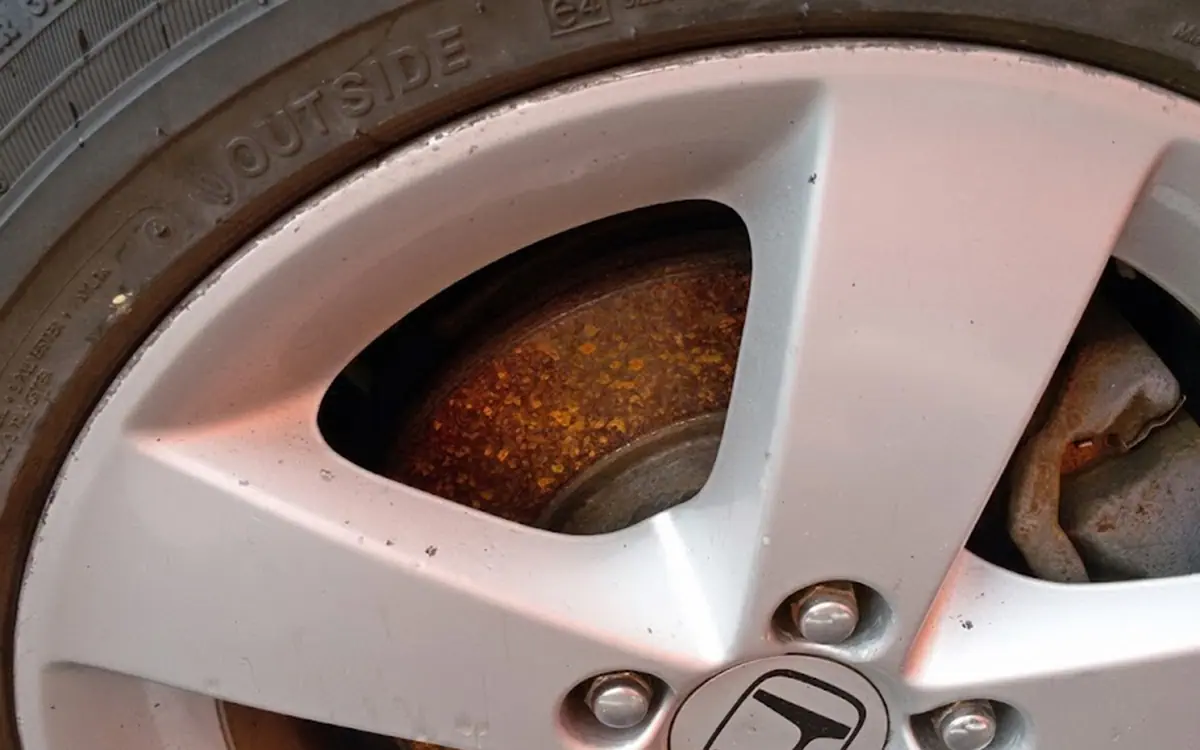
Wheel and brake design can influence how quickly corrosion develops as well. A thin layer of orange surface rust can appear after just a few days of sitting. Leave a vehicle parked for a week or two, and all four rotors may show visible rust.
So, is there anything you need to do about it?
2. Is Brake Rotor Rust Really a Problem?
The more important question isn't whether you can do something about surface rust—it's whether you actually need to.
In most everyday situations, the answer is no.
As noted above, the friction surfaces of brake rotors aren't designed to have a protective coating. The brake pads repeatedly contact the rotors and remove material from their surfaces—including the thin layer of rust that develops while the vehicle is parked.
Surface rust on brake rotors is generally not considered a manufacturing defect or a serious problem by automakers or brake engineers. Cast iron will naturally oxidize, but under normal operating conditions, that corrosion is removed through regular braking long before it can become a serious safety concern.
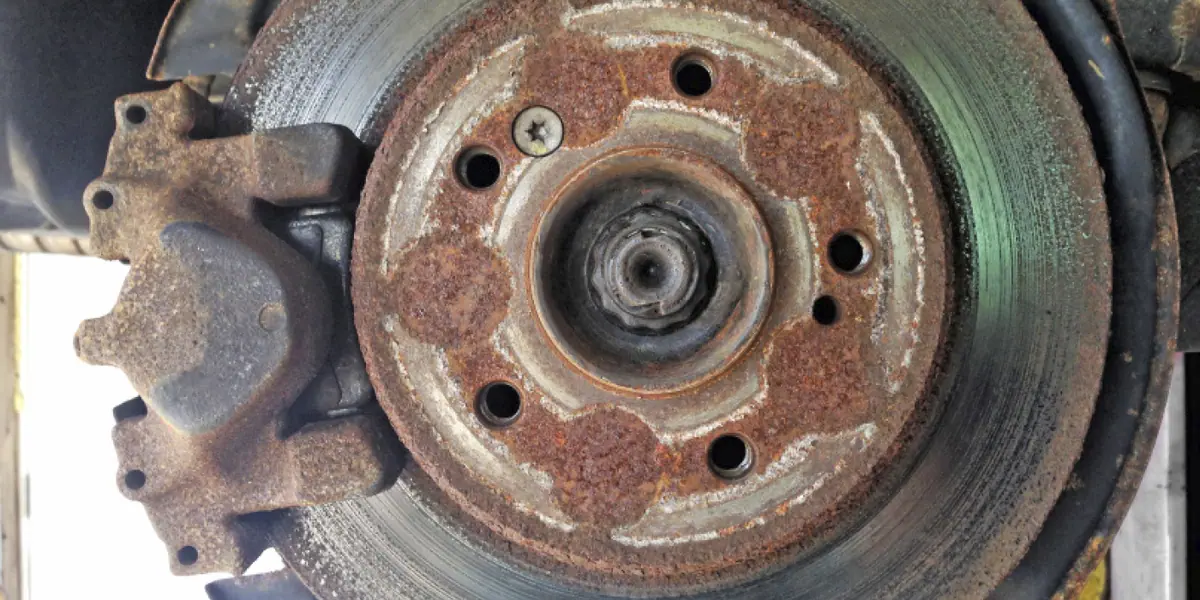
In fact, it would take an extremely long period of inactivity for surface corrosion alone to seriously compromise a brake rotor. Other components of a neglected vehicle would likely develop major problems long before the rotors became structurally unsafe.
Even after a relatively long period of sitting, a light layer of surface rust is usually harmless. A few normal applications of the brakes will typically remove most of it.
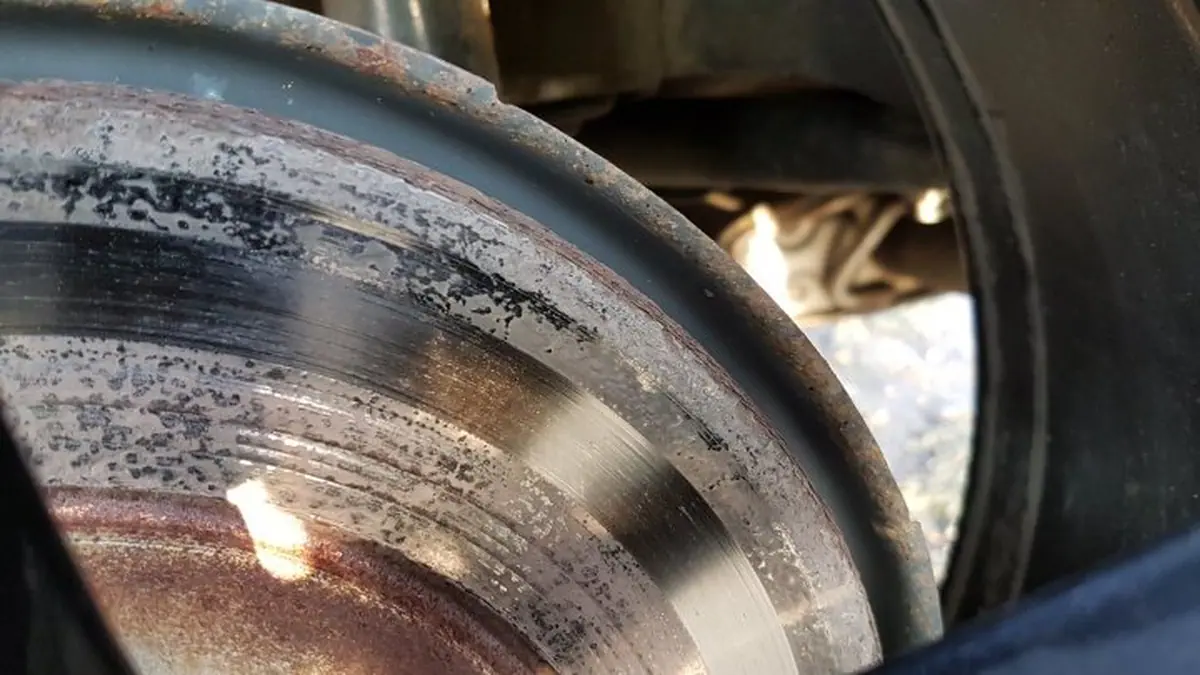
Rust becomes a genuine concern when a vehicle has been left unused for an extended period—potentially for a year or more—or when corrosion has become severe enough to damage the rotor's surface. In those cases, drivers may experience brake pulsation, vibrations or uneven braking, followed by accelerated and uneven pad and rotor wear.
For the friction surfaces, regular driving remains the simplest and most effective way to prevent rust from accumulating. A vehicle that is driven regularly will normally keep its brake rotors clean through ordinary braking.
3. What About the Parts of the Rotors That Don't Contact the Pads?
There is an important distinction between the friction surfaces of a brake rotor and the areas that don't come into contact with the brake pads.
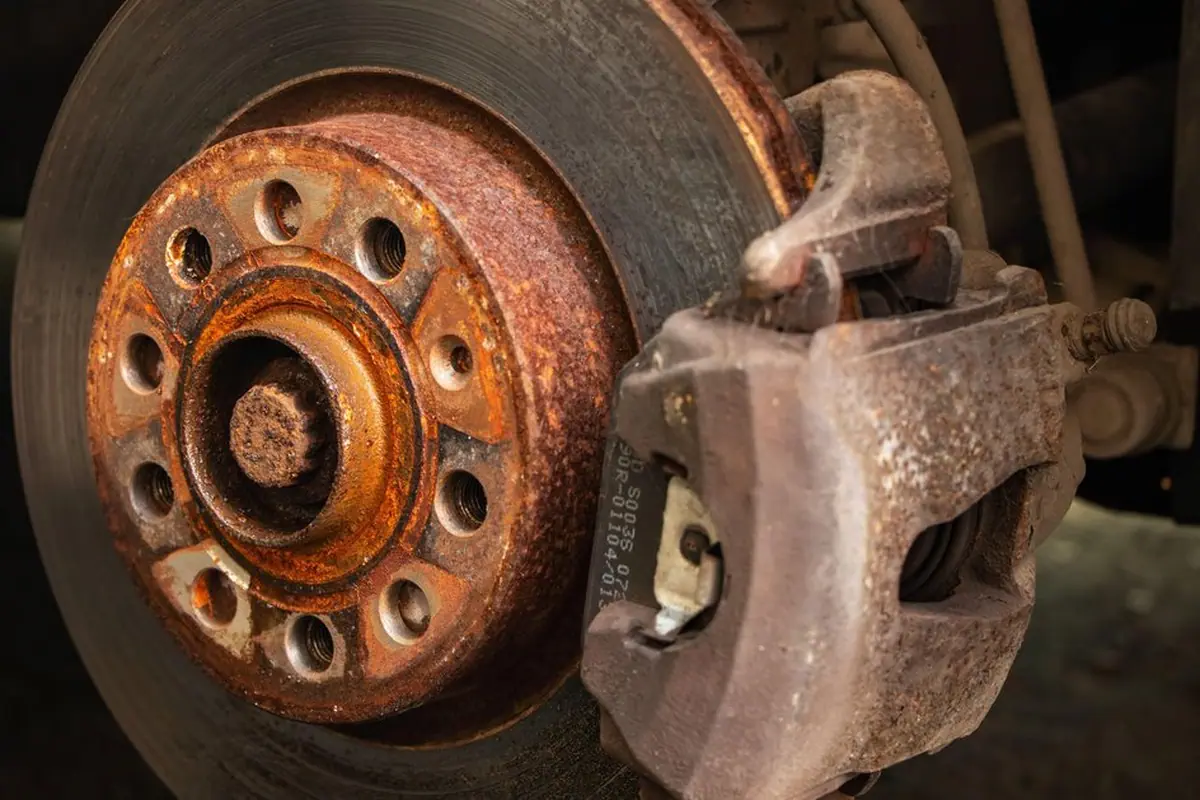
The non-friction areas can rust too, and under the right conditions, corrosion can become significant. Unlike surface rust on the braking surface, corrosion in these areas can eventually cause practical problems, including making it difficult to remove a wheel during service.
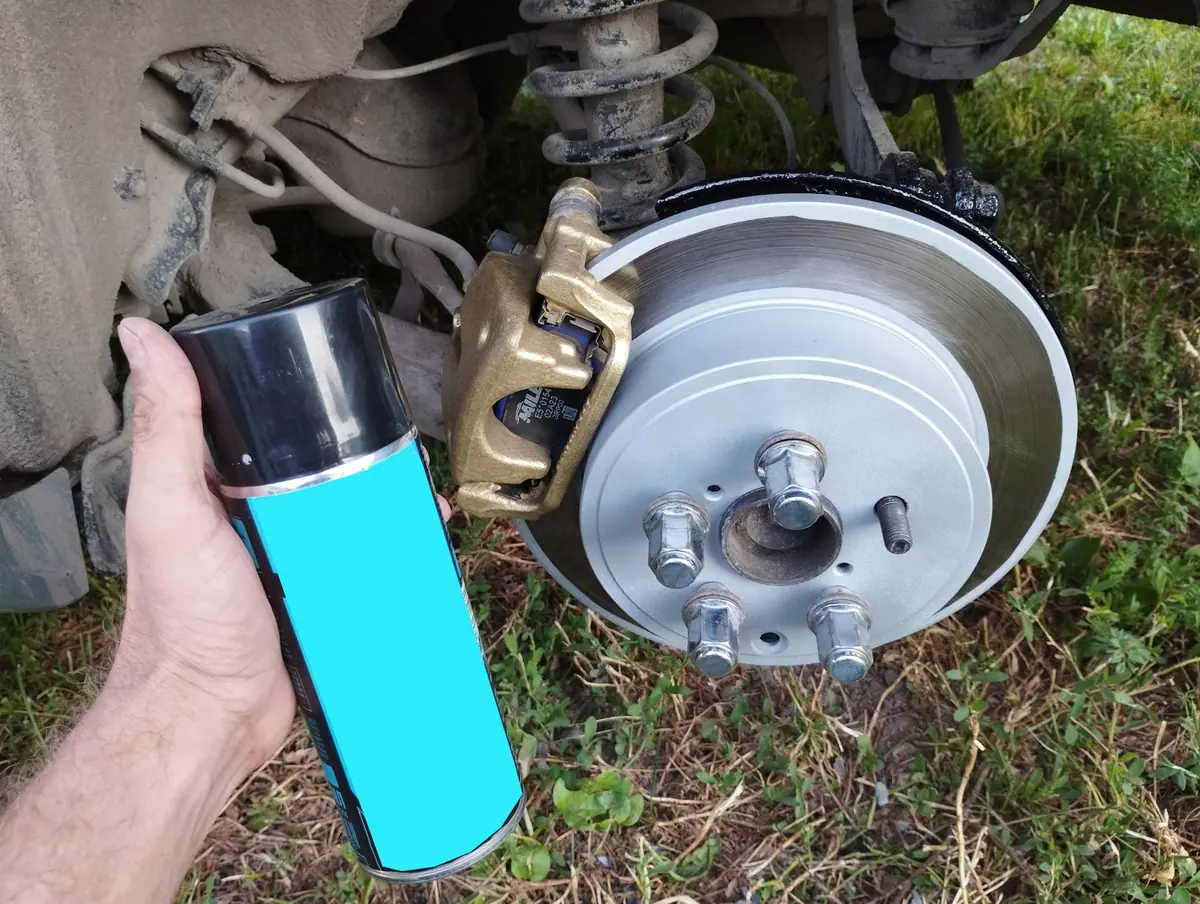
Fortunately, these exposed sections can be protected much like other bare-metal components. Automakers may use polymer, ceramic or zinc-based protective coatings on areas such as the rotor edges, internal cooling vanes and hub-mounting surfaces.
These coatings are typically applied during manufacturing. Depending on the type of protection and how the vehicle is used, they can last anywhere from one to five years.
Once that protection has deteriorated, it can be renewed at a reputable repair shop. Protecting the non-friction areas of the rotor can help slow corrosion without interfering with the surfaces responsible for stopping the vehicle.
You may also be interested in the news:
Your Old Car Can Feel New Again With These 7 Upgrades That Actually Make a Difference
Modernizing an Older Car: Better Audio, Navigation, Safety and Everyday Tech. An older car does not have to feel outdated when a few smart upgrades can transform everyday driving.
Expert Cautions: Spraying This on These 10 Car Parts Could Make the Problem Worse
WD-40 solves many automotive problems, but using it on the wrong parts can cause expensive damage.
These 7 Dashboard Warning Lights Could Leave You Stranded—Here’s What They Really Mean
These dashboard warning lights can signal serious problems, from low oil pressure to overheating or brake trouble.

These 5 Mercedes-Benz Models Can Look Like Bargains — Until the Repair Bills Arrive
These five used Mercedes-Benz models have reported issues that could turn an attractive bargain into an expensive ownership headache.
These 10 Used Family Cars Could Save You From Buying the Wrong SUV or Minivan
Shopping for a used family vehicle? These 10 SUVs and minivans offer the practicality American families need every day.