
Start-Stop Technology Can Save Fuel, but Some Drivers Still Prefer to Turn It Off
Start-stop technology can reduce fuel use in traffic, but frequent engine restarts can affect components and change the driving experience.
Start-stop systems have become a common feature in modern vehicles, from compact city cars to luxury models. The technology automatically shuts off the engine when the vehicle is stopped and restarts it when the driver is ready to move again. The main goal is to eliminate unnecessary fuel consumption while the engine is idling.
Typical situations include waiting at a traffic light, sitting in traffic, or making a brief stop. The driver does not need to perform any additional action because the process is controlled automatically by the vehicle's electronics.
The system is designed to determine when shutting off the engine is appropriate. An electronic control unit continuously monitors vehicle conditions before making the decision to stop the engine.
When the System Shuts Off the Engine
Start-stop technology takes several factors into account before turning the engine off. These include:
- Engine temperature
- Battery condition
- Electrical-system load
- Outside temperature
- Climate-control operation
- Steering-wheel position
- Braking conditions
If one of these parameters falls outside the acceptable range, the system may keep the engine running. For example, the engine may remain on if it has not reached the required operating temperature or if the electrical load is too high.
The system also works differently depending on the transmission. In vehicles with a manual transmission, the engine can shut off after the vehicle comes to a complete stop when the driver releases the clutch pedal. The engine restarts when the clutch is pressed again.
With an automatic transmission, the process is different. The engine may shut off while the vehicle is held with the brake pedal and restart when the driver releases the pedal. In both cases, the system monitors the driver's actions and attempts to minimize its effect on normal vehicle operation.
Components Designed for Frequent Restarts
Start-stop technology requires several vehicle components to handle significantly more engine cycles than those found in a conventional setup.
The starter is one of the most important components. A start-stop vehicle uses a reinforced starter designed to withstand substantially more starts than a traditional unit. Some models use a starter-generator that combines engine-starting and electricity-generation functions.
The battery is also designed for this type of operation. Vehicles equipped with start-stop systems commonly use batteries with greater resistance to repeated charge and discharge cycles, including AGM and EFB technology. An energy-management system monitors the battery and controls how electrical power is distributed while helping prevent excessive discharge.
Even with these specialized components, repeated starting places additional demands on the starter and battery. As a result, these parts can wear faster than they would in a vehicle without start-stop technology, and replacement costs can be higher because of their specialized construction.
The Effect on Fuel Economy
Fuel savings are one of the main reasons automakers use start-stop technology. In city driving, a vehicle can spend a significant amount of time sitting still with the engine running. Turning the engine off during those periods can reduce fuel consumption.
The effect depends heavily on driving conditions. The more frequently a vehicle stops, the greater the potential fuel savings. On the highway, the system has little effect on fuel economy because the engine is rarely shut off.
Restarting the engine also requires energy, but modern start-stop systems use control algorithms designed to keep the overall effect positive.
The potential savings can be especially relevant in heavy urban traffic, where vehicles may spend considerable amounts of time stopped at lights or in congestion.
Emissions and Engine Wear
Start-stop technology can also reduce vehicle emissions. When the engine is off, it is not producing exhaust gases. This makes the system particularly relevant in areas with heavy traffic and high vehicle density.
At the same time, frequent engine restarts remain one of the most debated aspects of the technology. Some drivers believe repeated starts can accelerate engine wear.
Modern engines designed to work with start-stop systems use improved materials, optimized lubrication systems and specific control strategies intended to reduce the load during startup. The system also avoids shutting down the engine when operating conditions are unfavorable.
However, each restart still places additional demands on certain components, particularly the starter and battery. Drivers who intend to keep a vehicle for many years may therefore consider the potential maintenance requirements when deciding whether to use the feature.
Why Some Drivers Turn It Off
Although modern start-stop systems generally operate smoothly, they are not completely invisible to the driver. A restart can sometimes be felt as a slight vibration. Newer vehicles have reduced this effect through changes to the vehicle's hardware and software.
The system can also affect climate control. When the engine is off, the climate-control system relies on the battery, which can limit its effectiveness during a longer stop.
Heavy traffic is another situation in which some drivers may find the system inconvenient. In stop-and-go conditions with very short pauses, the engine can shut off and restart repeatedly within a short period. The behavior follows the system's operating logic but can feel unnecessarily active to the driver.
Parking and low-speed maneuvering can create another concern. During precise maneuvers, drivers may want the powertrain to remain continuously available, making an automatic engine shutdown feel like an unnecessary interruption.
The system can also raise questions on surfaces with limited traction, where maintaining consistent powertrain operation may be important.
Should Drivers Disable Start-Stop?
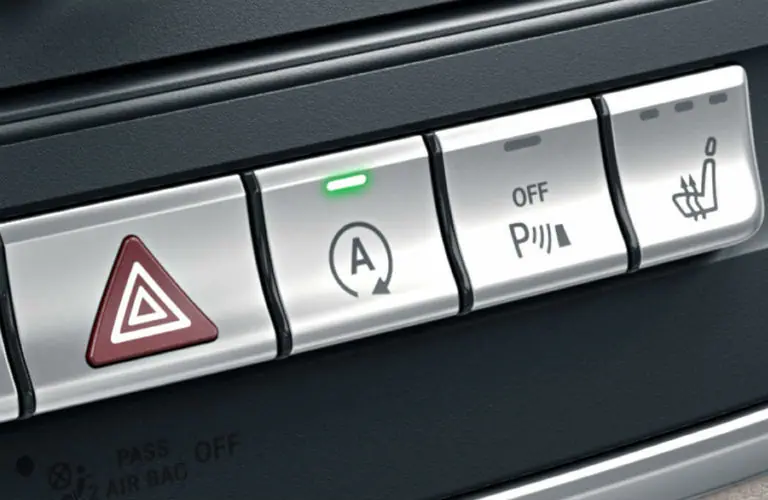
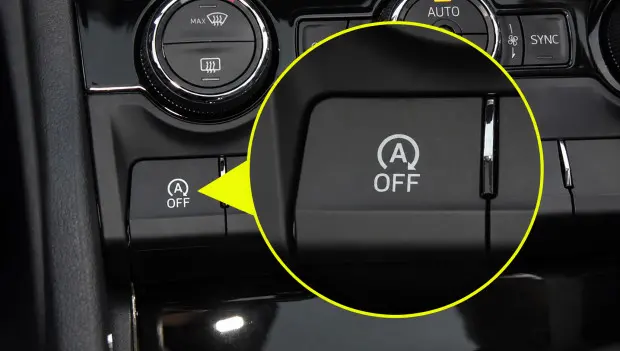
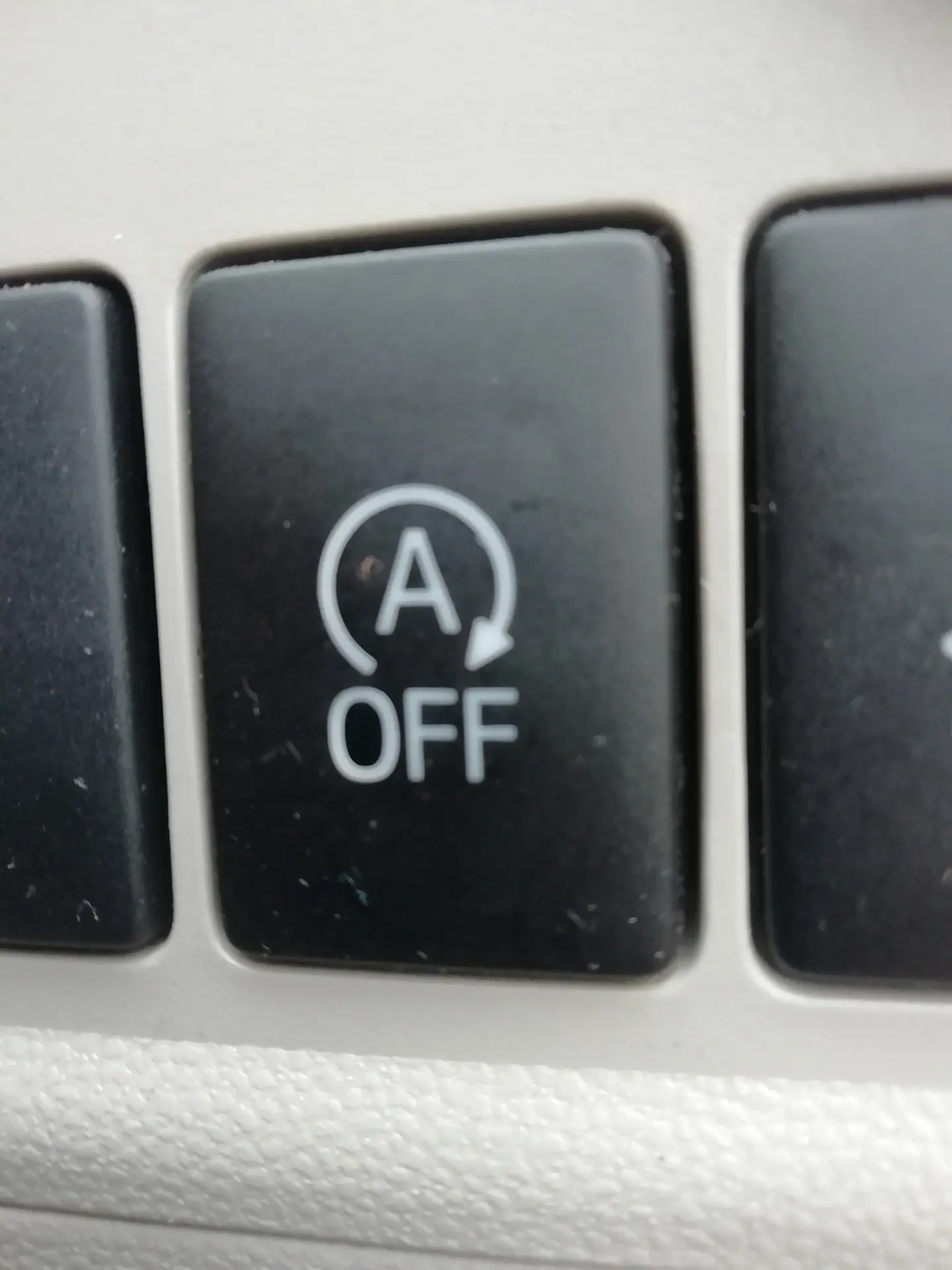
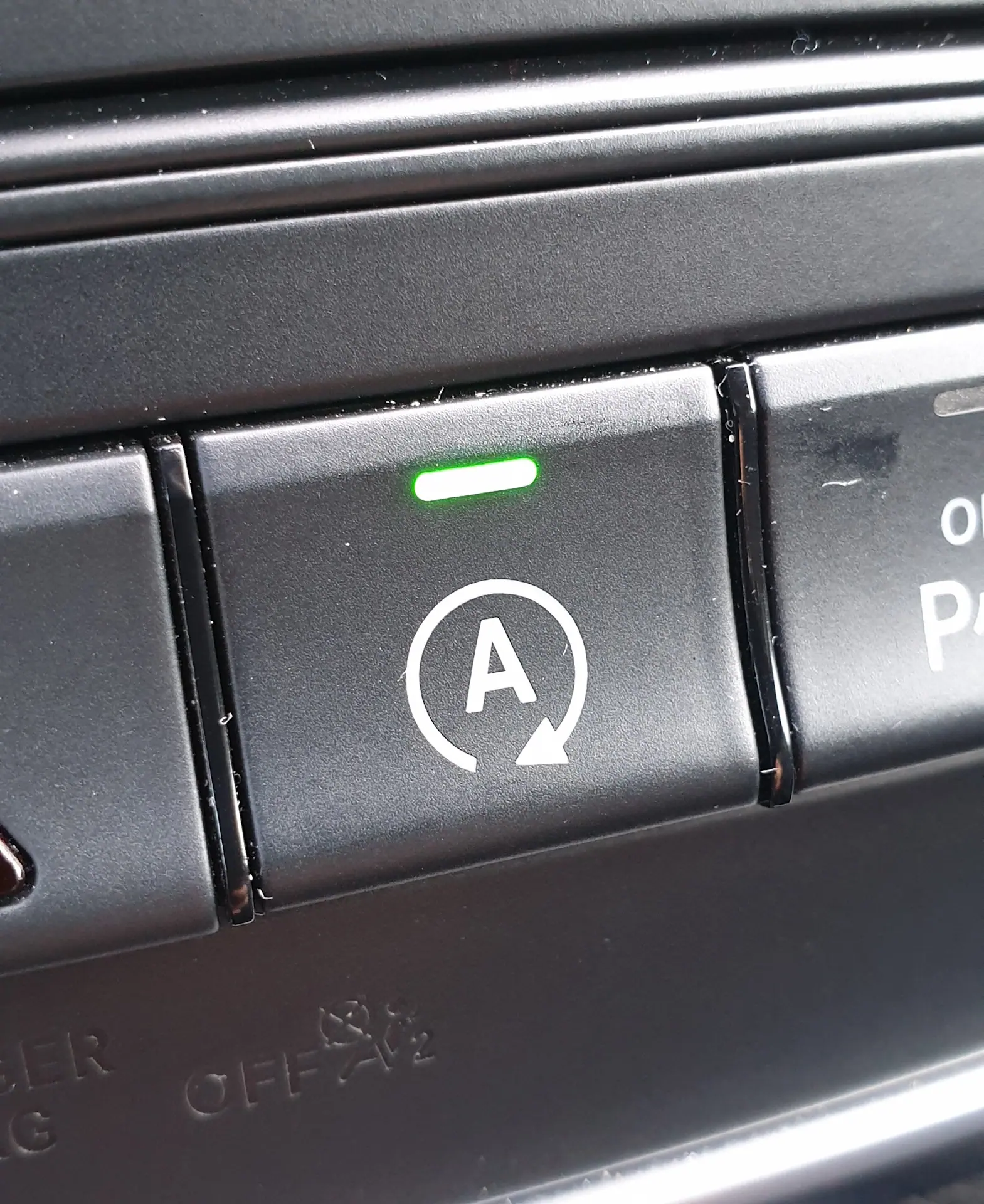
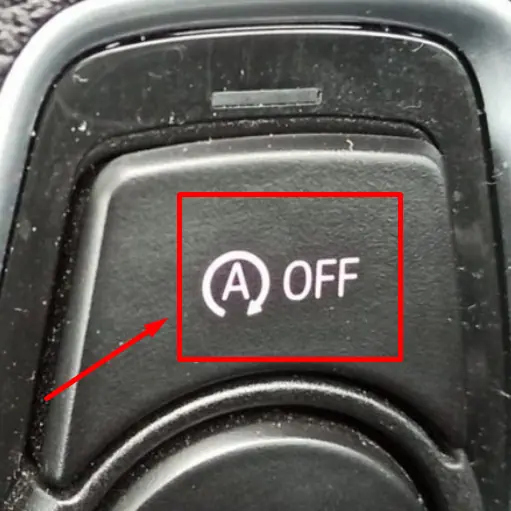
Automakers generally provide a way to temporarily disable the system for drivers who prefer not to use it. On many vehicles, this is done with a dedicated button marked with an “A” and an off symbol.
After the system is deactivated, the engine will no longer shut off automatically at every stop. In most vehicles, however, the system becomes active again the next time the vehicle is started.
This approach allows drivers to choose how the system operates in different situations while retaining the fuel-efficiency and emissions benefits for which the technology was designed.
Start-stop technology can reduce fuel consumption during frequent stops and lower exhaust emissions, but it also increases the number of operating cycles for components such as the starter and battery. For drivers who prioritize long-term vehicle ownership, the potential benefits and maintenance requirements are factors worth considering.
You may also be interested in the news:

Steering Wheel Vibrating at Highway Speed? What to Check First
A vibrating steering wheel is often most noticeable at highway speeds, but the cause isn’t always immediately obvious.
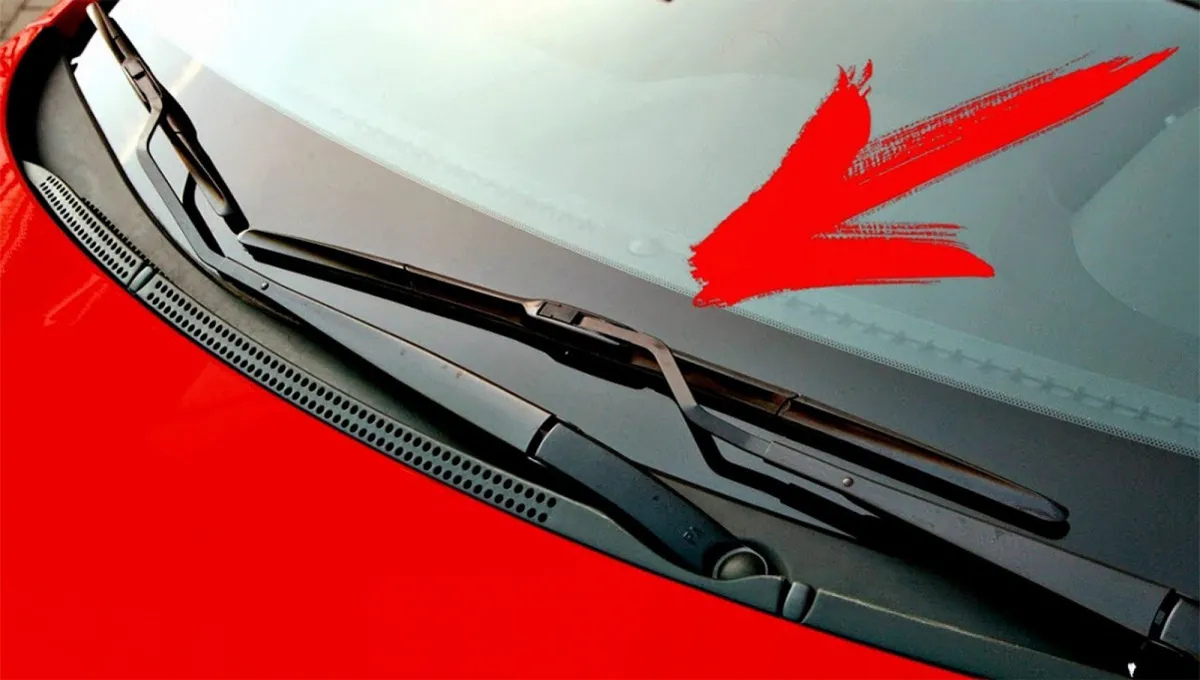
Windshield Wipers Aren’t Cleaning Properly? Here’s What Could Be Wrong
Why do windshield wipers sometimes fail to do their job?
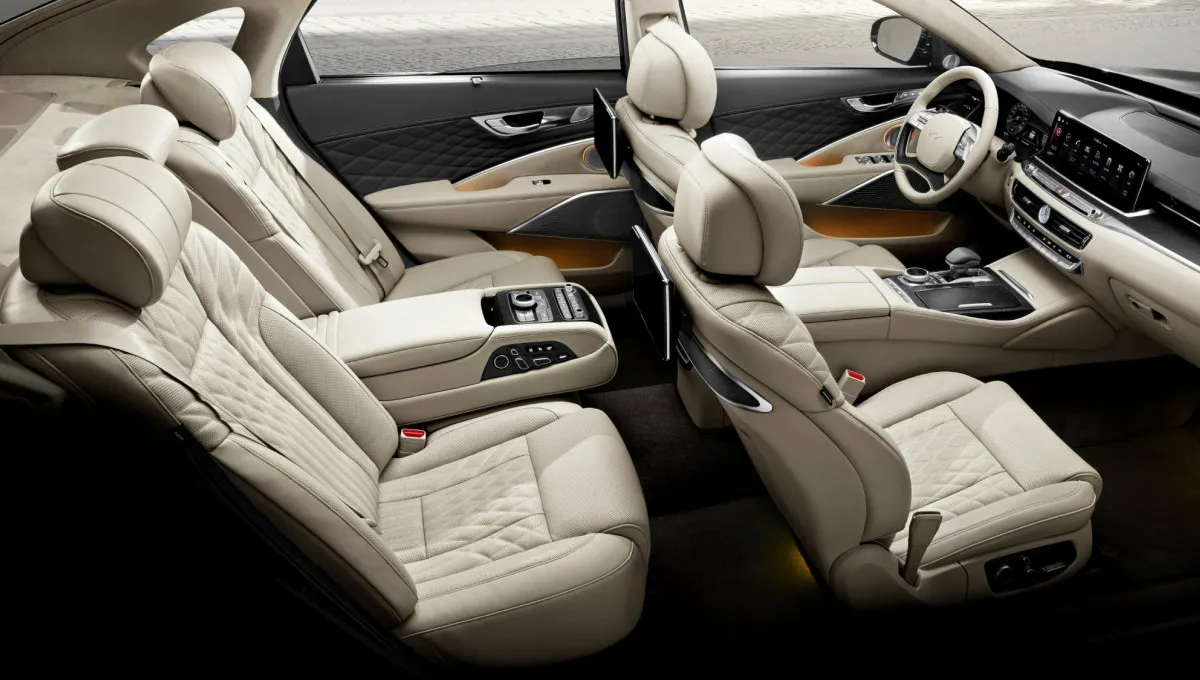
Best Sedans for Interior Space: The Roomiest Cars of 2026
These six sedans offer generous legroom and shoulder room, giving families a comfortable alternative to larger SUVs for long trips.

Best Cars for Teen Drivers: Affordable and Safe Picks
These affordable used and new vehicles combine strong safety ratings, reliability, and reasonable prices for young drivers and their families.
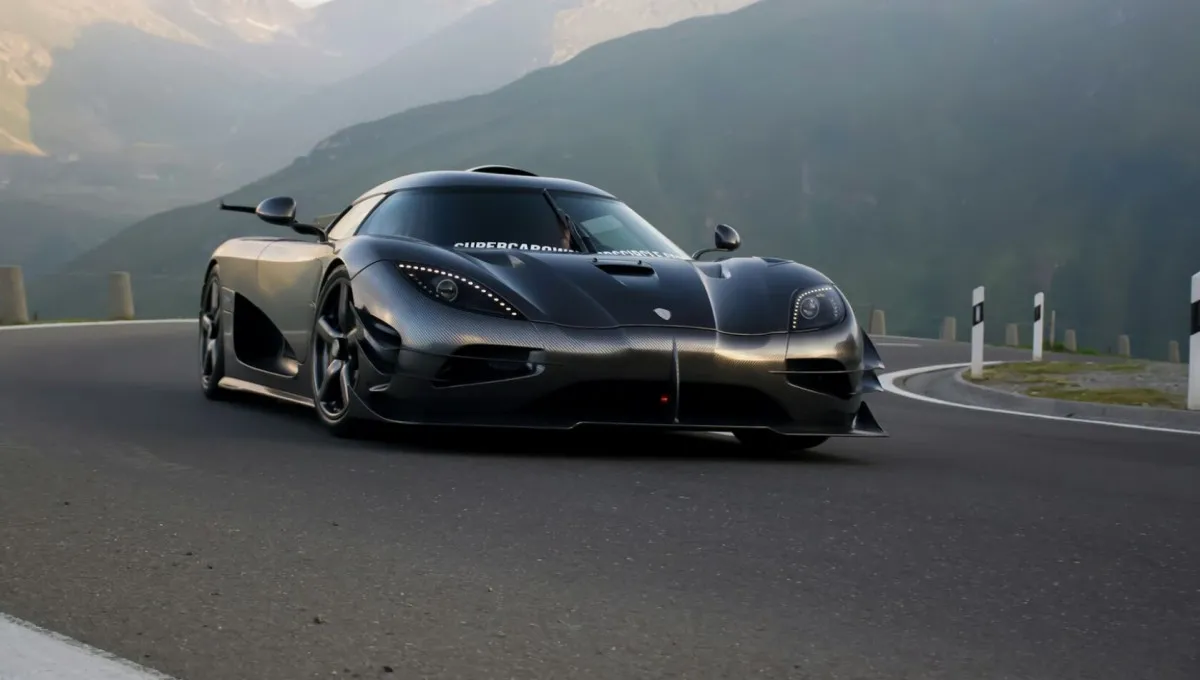
These 5 Automakers Still Refuse to Build an SUV
SUVs and crossovers now account for roughly 61% of new-vehicle sales in the U.S., yet these five automakers continue to avoid the segment.