
6 Common Car-Washing Mistakes That Can Ruin Your Paint
These common car-washing mistakes can do more than leave your vehicle looking dirty—they can damage its paint.
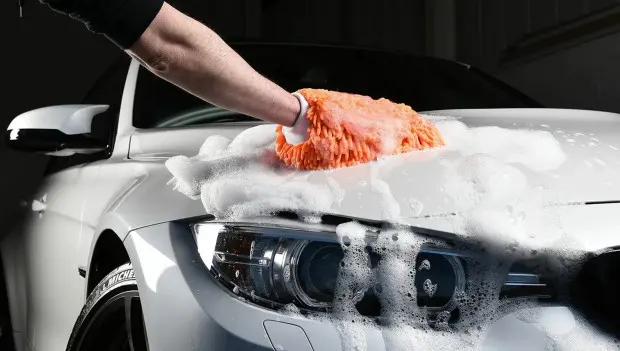
Washing a car isn't nearly as simple as it might seem. What could be easier? Spray it down, work in some soap, rinse it off and call it a day. Unfortunately, there's a lot more to it than that. Some of the most common mistakes can leave behind more than an unattractive finish. Done often enough, they can actually damage your car's paint and clear coat.
1. Washing a Hot Car in Direct Sunlight
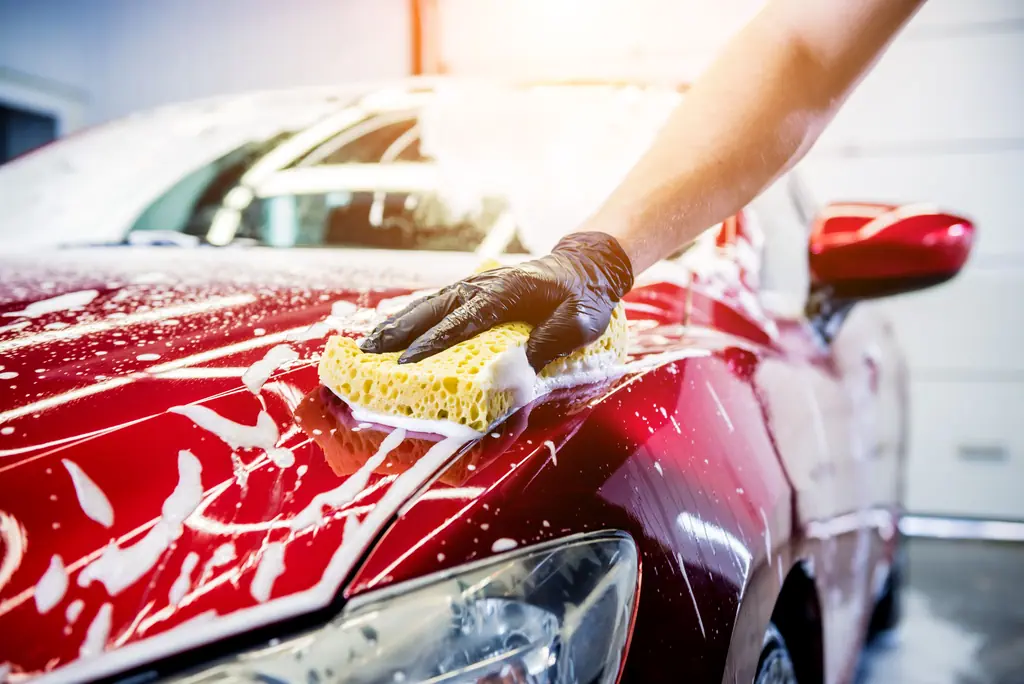
If you're washing your car by hand, avoid doing it under direct sunlight during the summer. At the very least, the heat will cause water and soap to dry too quickly, leaving annoying streaks and spots on the bodywork.
There's also a more serious concern: sudden temperature changes aren't good for automotive paint. During hot weather, it's better to wash the car in the shade after allowing the body to cool down, or do it early in the morning or later in the evening.
Another common mistake is skipping the initial rinse. Before you start scrubbing anything, thoroughly rinse the vehicle with clean water to remove loose dirt and dust.
Skip this step, and the dirt and sand left on the surface can get trapped in your wash mitt or sponge. What started as a soft cleaning tool can quickly become an abrasive surface that scratches the clear coat and paint.
2. Using One Sponge and Household Cleaners
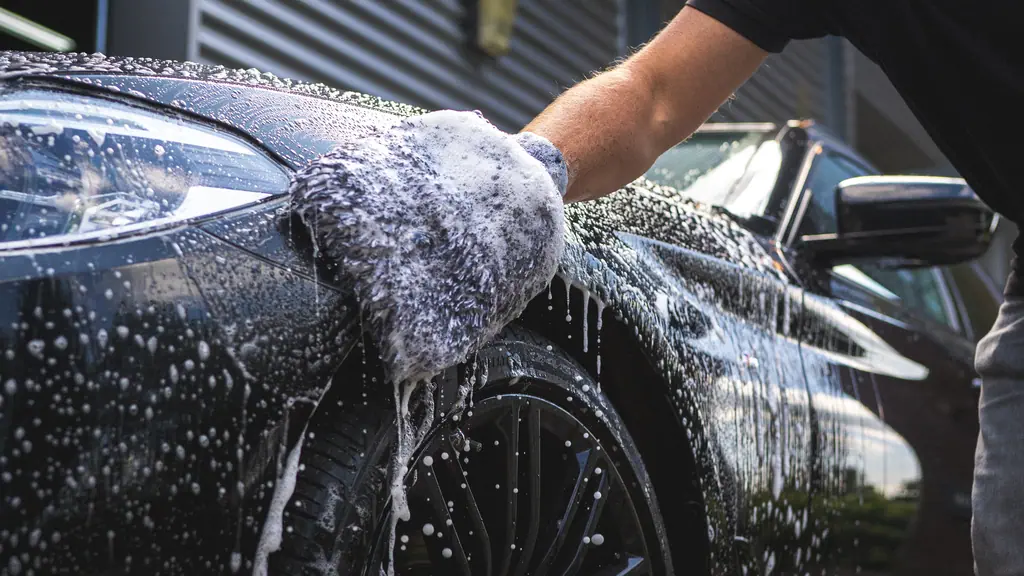
One of the most common mistakes when washing a car by hand is using the wrong cleaning products. Dish soap, household cleaners and other general-purpose products aren't designed for automotive paint and can be too harsh for the finish.
Whenever possible, use a dedicated automotive car wash soap. If you're stuck with limited options, at least make sure the product has a neutral pH, ideally around 7 to 7.5.
Using the same sponge or wash mitt on the entire vehicle is another bad habit. Just like skipping the initial rinse, it allows dirt and sand to accumulate in the cleaning material. Eventually, that supposedly soft sponge can turn into a mobile collection of paint-scratching debris.
Ideally, use at least two wash mitts or sponges: one for the upper portions of the vehicle and another for the dirtier lower sections. Wheel arches, bumpers and other areas close to the road tend to collect significantly more grime.
3. Scrubbing Too Hard
A car's paint and clear coat are more delicate than they may appear. There's no reason to put a lot of pressure on a sponge or wash mitt while cleaning the vehicle.
Even with multiple cleaning tools, tiny particles of sand and dirt can still find their way into the material. Apply too much pressure, and the risk of scratching the finish increases significantly.
Instead, wash the vehicle gently with light pressure and controlled, overlapping motions. The same rule applies when drying the car with a towel or cloth.
And, of course, that towel needs to be clean. Better yet, use a proper microfiber drying towel rather than an old piece of household fabric.
4. Rinsing Off the Soap Too Soon—and Skipping the Drying Step
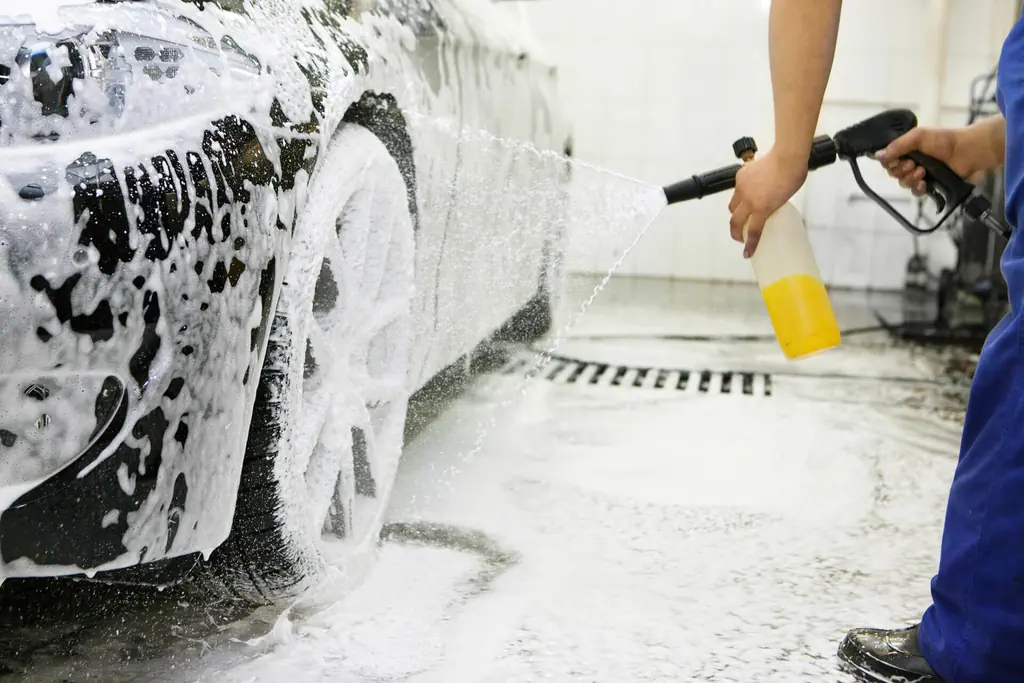
Once you've covered the vehicle with plenty of soap, don't immediately rinse it away. Give the cleaning solution and foam enough time to work.
This is another reason to use a product specifically formulated for cars. Follow the manufacturer's instructions for how long the soap should remain on the surface before rinsing. Just don't leave it there too long, either. Allowing soap to dry on the paint can create its own set of problems.
Drying the car after a wash is just as important. Don't simply leave the vehicle outside and let the weather take care of it. Use a clean microfiber towel to dry the body thoroughly.
This helps prevent water spots, including mineral deposits that can remain on the paint after water evaporates. In areas with hard water, those spots can become especially noticeable and difficult to remove.
5. Getting Too Close With a Pressure Washer
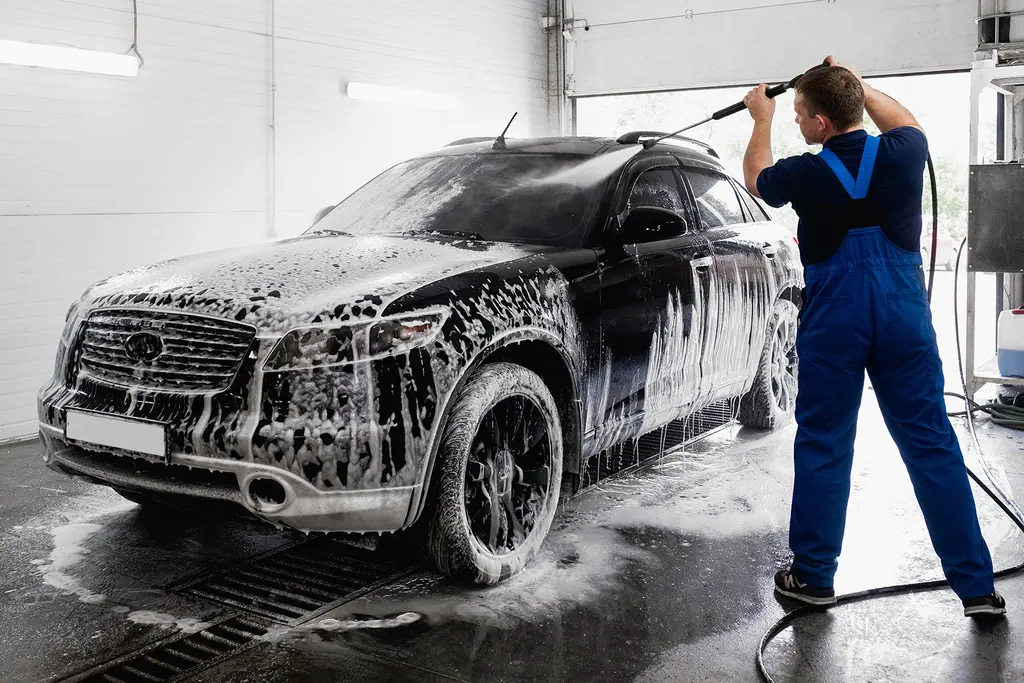
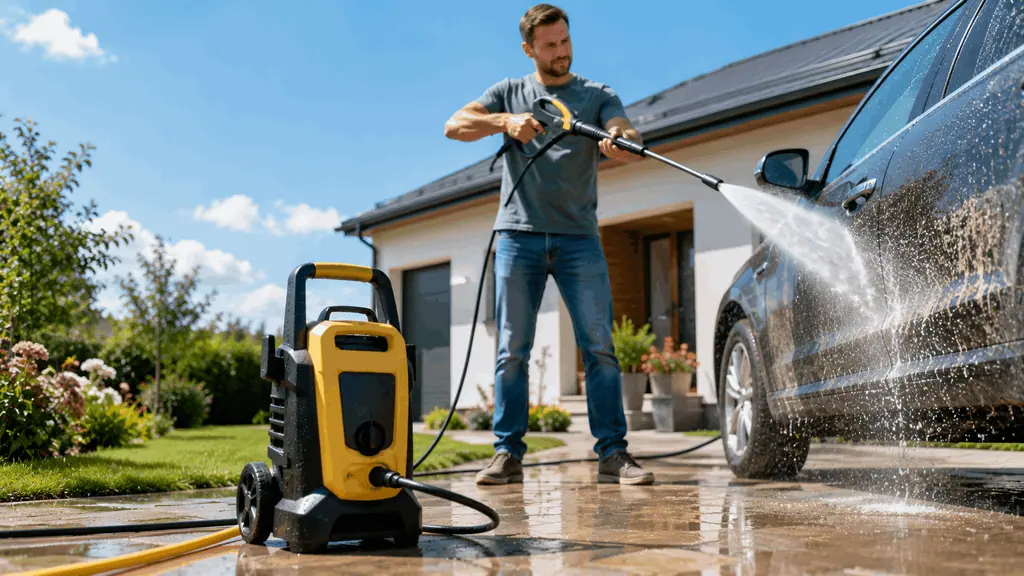
Touchless car washing has become increasingly popular, especially with pressure washers. But a high-pressure water stream isn't automatically harmless to your paint.
A pressure washer can generate enough force to damage the clear coat or paint if the nozzle is held too close to the vehicle. As a general rule, keeping the nozzle roughly 12 to 20 inches away from the body is a safer approach.
The angle of the water stream matters, too. Avoid blasting high-pressure water directly into body seams, weatherstripping or other areas with seals at a sharp angle.
Otherwise, water can be forced into places where it doesn't belong, potentially contributing to moisture-related problems and corrosion over time.
6. Washing the Car Too Infrequently
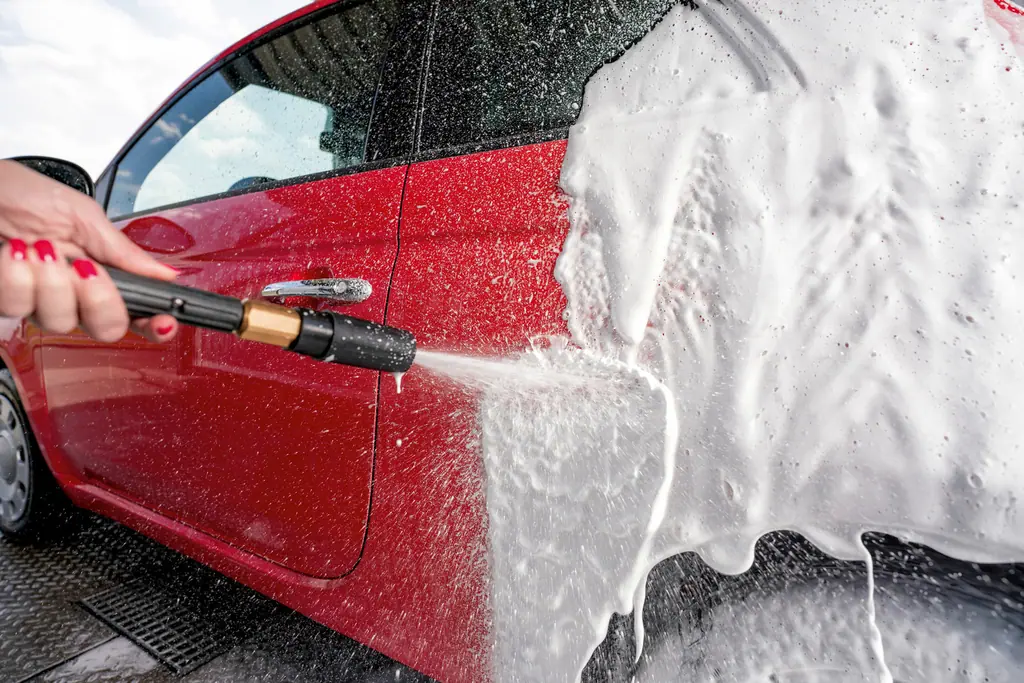
The final mistake on the list is also one of the easiest to overlook: simply not washing your car often enough.
A vehicle should be cleaned regularly. Dust, dirt, road grime, tar, road salt and other contaminants can all take a toll on the paint and clear coat if they're allowed to sit on the surface for extended periods.
That doesn't mean washing the car constantly is a good idea, either. A wash is only part of proper paint care. The vehicle should also be dried thoroughly afterward, particularly during periods of extreme summer heat or winter cold.
The bottom line is simple: regular washing is important, but the way you wash and dry your car matters just as much.
You may also be interested in the news:

Your Steering Wheel Starts Shaking at 60 MPH? Don’t Ignore These Warning Signs
A vibrating steering wheel is often most noticeable at highway speeds, but the cause isn’t always immediately obvious.
Windshield Wipers Aren’t Cleaning Properly? Here’s What Could Be Wrong
Why do windshield wipers sometimes fail to do their job?

Best Sedans for Interior Space: The Roomiest Cars of 2026
These six sedans offer generous legroom and shoulder room, giving families a comfortable alternative to larger SUVs for long trips.

Best Cars for Teen Drivers: Affordable and Safe Picks
These affordable used and new vehicles combine strong safety ratings, reliability, and reasonable prices for young drivers and their families.
12 Used Cars Retirees Should Know About—These Models Put Safety, Comfort and Reliability First
Great for Retirees: These Used Cars Stand Out for Safety, Reliability and Comfort