
Road to Nowhere: American 8x8 Heavy Trucks During World War II
During World War II, America developed massive experimental 8x8 military trucks designed to haul the heaviest artillery on the battlefield.
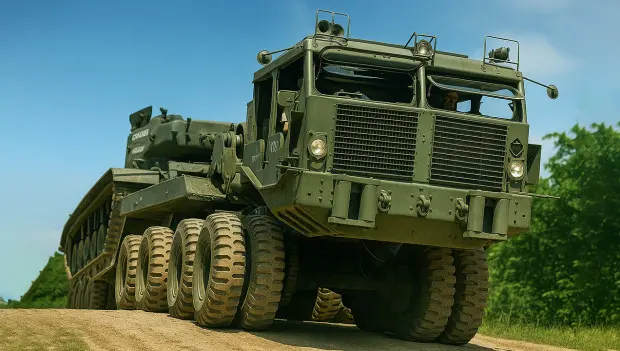
During World War II, the American auto industry became one of the key suppliers for the Allied war effort. Alongside the massive production of Jeeps and three-axle military trucks, U.S. manufacturers were also developing much larger and more powerful vehicles built for specialized battlefield roles. Some of the most unusual among them were experimental 8x8 heavy tractors created to move oversized artillery pieces.
By 1943, American wartime production had reached staggering numbers. More than 320,000 Willys MB light utility vehicles had already been built, while production of the famous GMC CCKW exceeded 270,000 units.
Heavy-duty transport duties were handled by the 7.5-ton Mack NO 6x6 truck, which was capable of towing 155 mm artillery guns. But once larger 8-inch guns and 240 mm howitzers entered service, the Army needed even heavier vehicles with eight driven wheels.
Sterling T26
The first company to tackle the challenge was Sterling Motors of Milwaukee, which received a contract to develop the experimental T26 heavy tractor.
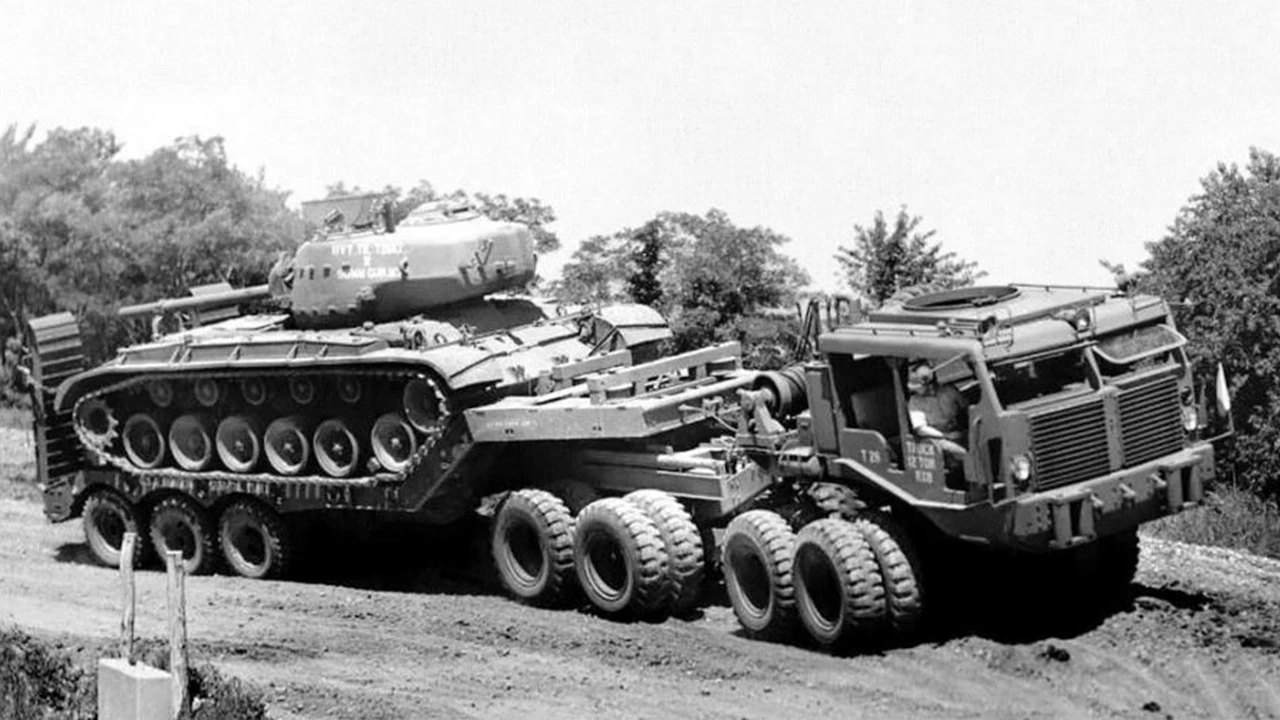
Its engineers took an unusual route by using chain-driven axles — a setup already considered outdated by the mid-1940s. Still, the design dramatically simplified construction and reduced manufacturing costs. Since steering powered wheels through chains proved difficult, the front axles were mounted together on a rotating bogie assembly.
To lower cargo height, engineers used a specially curved frame design that dropped toward the rear. Suspension came from traditional leaf springs, while power was supplied by a V12 engine producing 275 horsepower.
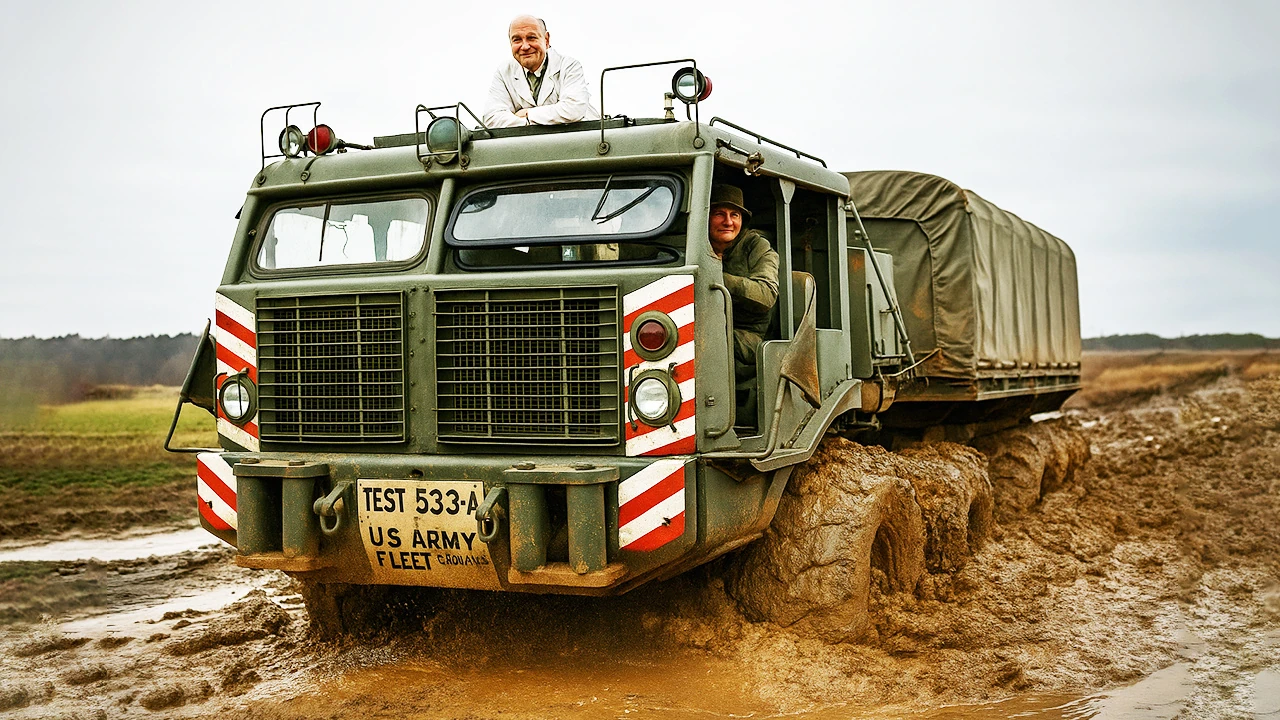
The T26 looked enormous even by military standards. Measuring nearly 29.5 feet long, 10.5 feet wide, and 11 feet tall, the truck featured an open-style cab and massive dual 12.00-20 tires. Behind the cab sat a giant winch capable of pulling almost 60,000 pounds.
Testing showed promising results, but the T26 arrived too late for wartime deployment. In 1948, Sterling built an updated version with a redesigned layout and a far more powerful 525-horsepower engine. By then, however, chain-driven military trucks were already viewed as a dead-end concept.
Corbitt T33
At the same time, North Carolina-based Corbitt Company approached the same challenge very differently.
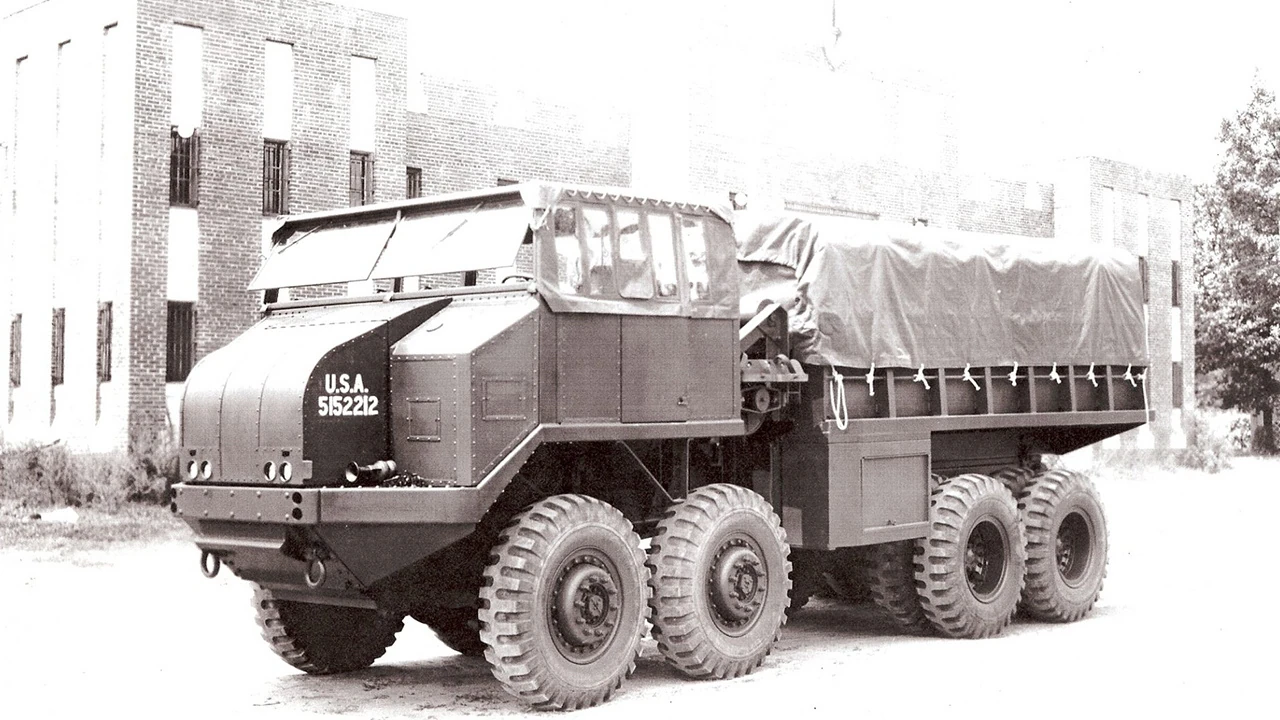
Instead of chains, Corbitt engineers used conventional driveshafts and Rzeppa-style constant velocity joints to power the front axles. The setup significantly improved speed and maneuverability compared to Sterling’s design.
In June 1944, Corbitt began construction of two experimental T33 8x8 tractors. One of the vehicle’s most interesting features was its 450-horsepower radial gasoline engine — the same basic type used in M4 Sherman tanks.
Despite the advanced engineering, the T33 project also failed to move beyond the prototype stage.
Cook Bros T20
While work continued on giant 12-ton tractors, engineers were simultaneously developing smaller 8-ton alternatives.
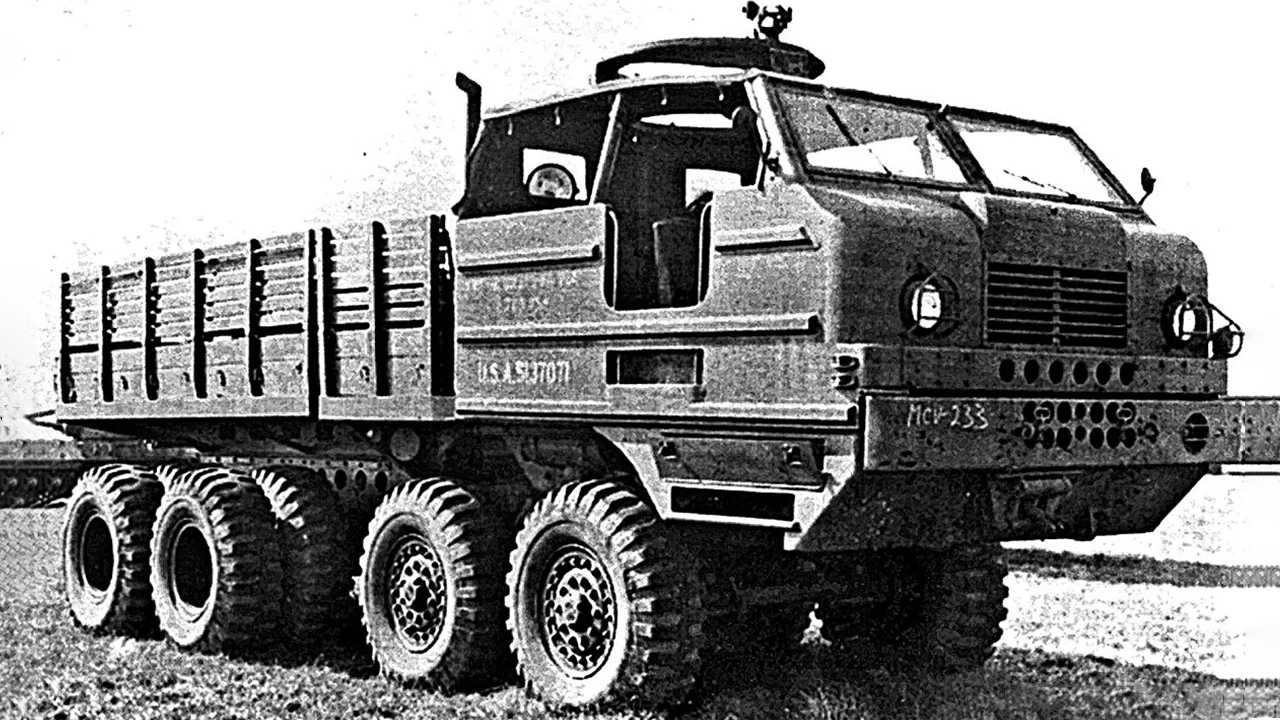
California-based Cook Bros. Equipment created the T20, an unusual truck built around two identical two-axle chain-driven bogies. The vehicle used a curved ladder frame, leaf-spring suspension, and a 240-horsepower Continental inline-six engine.
Despite belonging to the lighter 8-ton class, the only prototype demonstrated impressive capability. It could tow trailers weighing up to 20 tons, while the total combined weight of the truck and trailer reached nearly 100,000 pounds.
Even more impressive, the T20 could still hit speeds of about 37 mph while averaging roughly 2.3 mpg — respectable figures for a machine of its size and era.
In the end, the war ended before any of these massive 8x8 trucks could enter full production.
After 1945, military strategy shifted toward more versatile 5-ton and 10-ton three-axle trucks. The experimental four-axle prototypes were eventually scrapped, and the U.S. military wouldn’t seriously revisit heavy 8x8 tactical trucks until the late 1970s.
Large-scale deployment finally arrived in the 1980s with vehicles like the Oshkosh HEMTT , which became the spiritual successor to these forgotten wartime giants.
You may also be interested in the news:
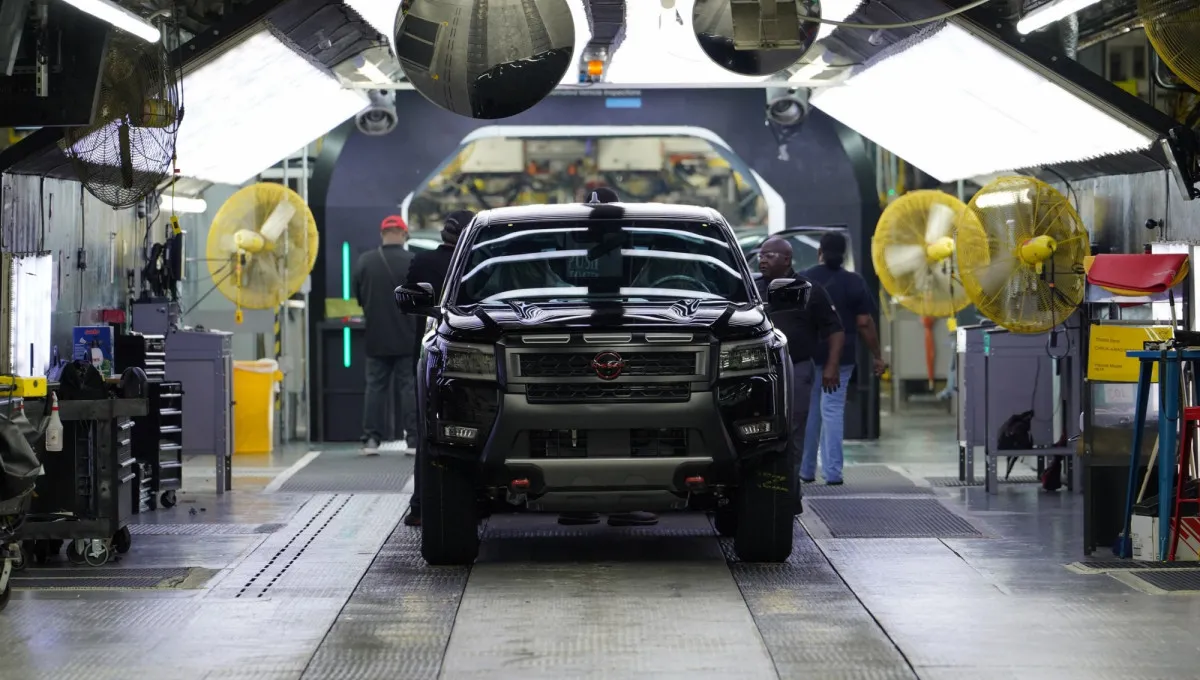
Nissan Restarts US-Made Murano, Pathfinder, Frontier Sales in Canada
Nissan resumed Canadian sales of three U.S.-built models, but tariffs keep supply below earlier levels.
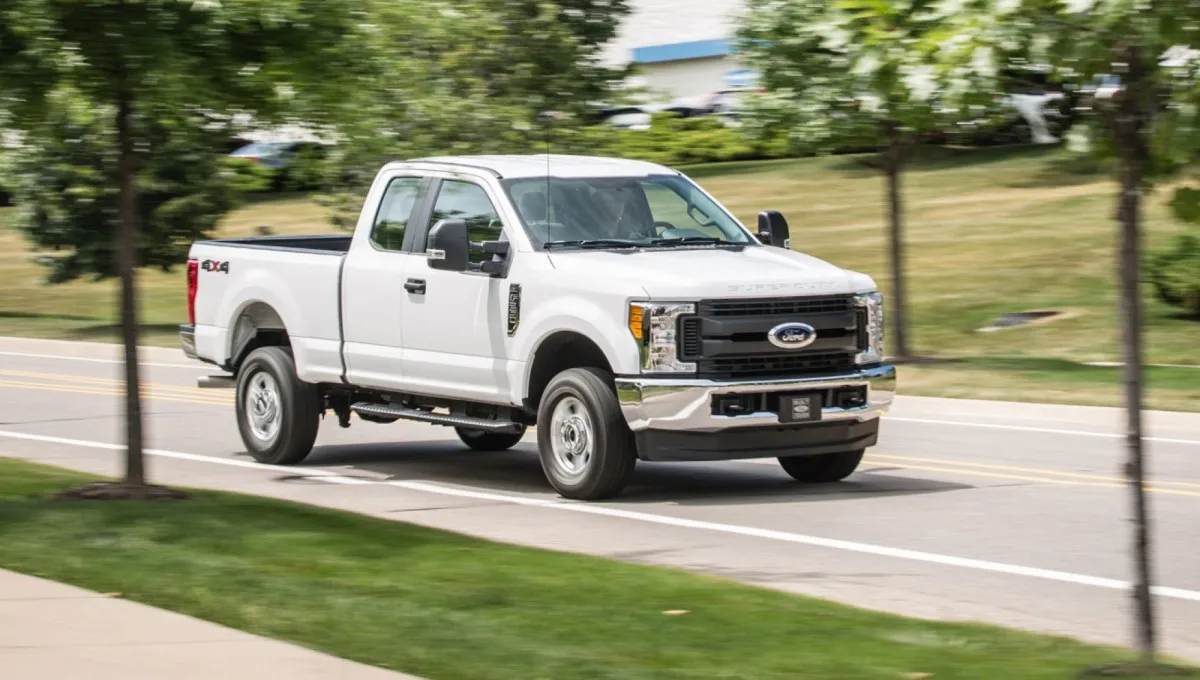
41,748 Ford SUVs and Trucks Recalled—Your Headlights Could Suddenly Stop Working
Ford recalls 41,748 vehicles after contaminated LED chips threaten required headlight performance on newer models.
The Sheriff Knew She Was Speeding—Then This Blonde Driver Turned the Ticket Against Him
A sheriff pulls over a Ferrari for speeding, but the driver's bizarre logic quickly turns the traffic stop against him.
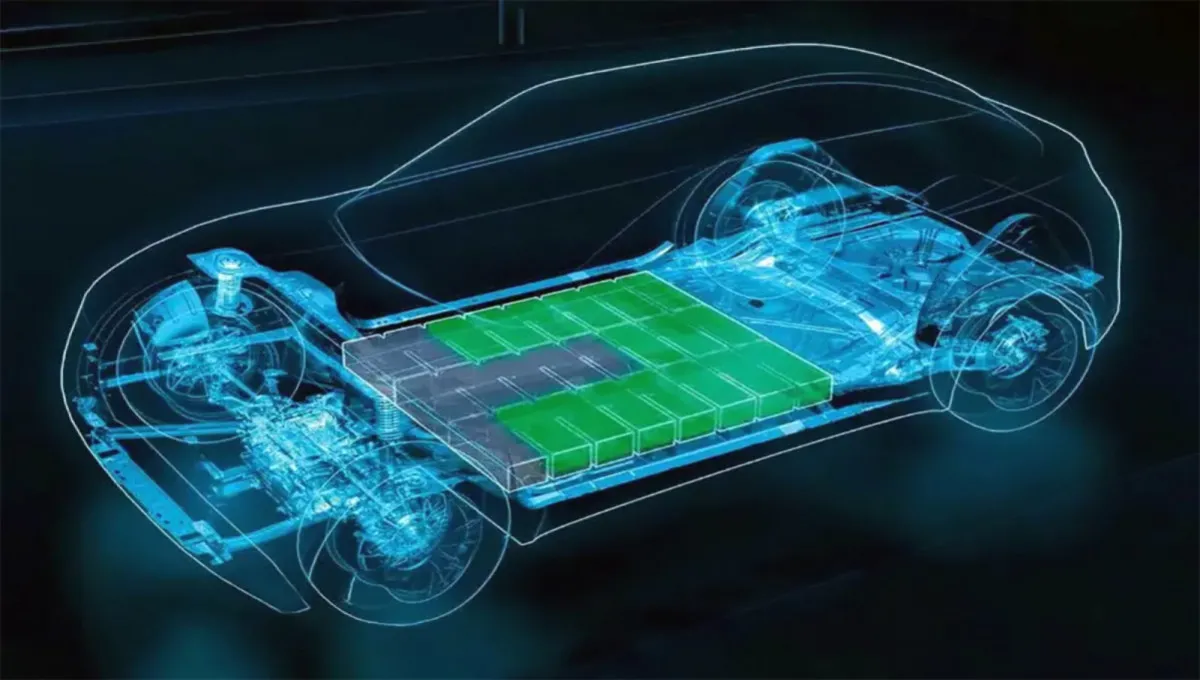
Stellantis Patents System That Lets an EV Drop Its Battery and Drive Away
A new patent details an emergency system that could let an EV disconnect its high-voltage battery and move away from danger.
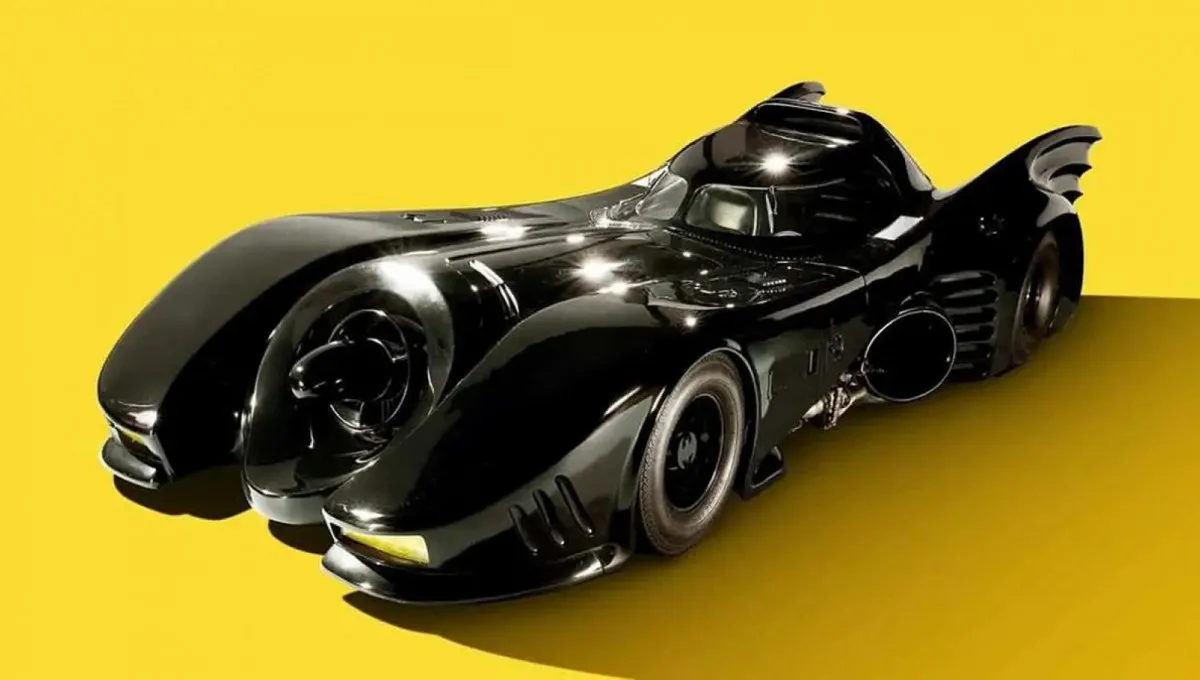
The Original Batmobile From Batman Returns Could Sell for $7 Million
The original 1992 Batmobile from Batman Returns is heading to a Los Angeles auction with a $7 million estimate.