
U.S. Students Build Ultra-Efficient Car That Gets Nearly 2,150 MPG
A lightweight student-built prototype shocked engineers by achieving fuel economy figures that seem impossible even for modern hybrid vehicles.
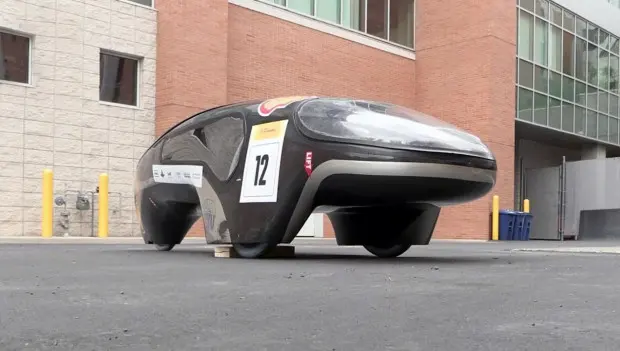
While major automakers continue pouring billions into electric vehicles, a group of engineering students in the United States has shown that internal combustion engines still have untapped potential.
The vehicle, called Supermileage, was created by students at Brigham Young University in Utah for the annual Shell Eco-marathon competition, where teams attempt to travel the farthest distance using the least amount of fuel possible.
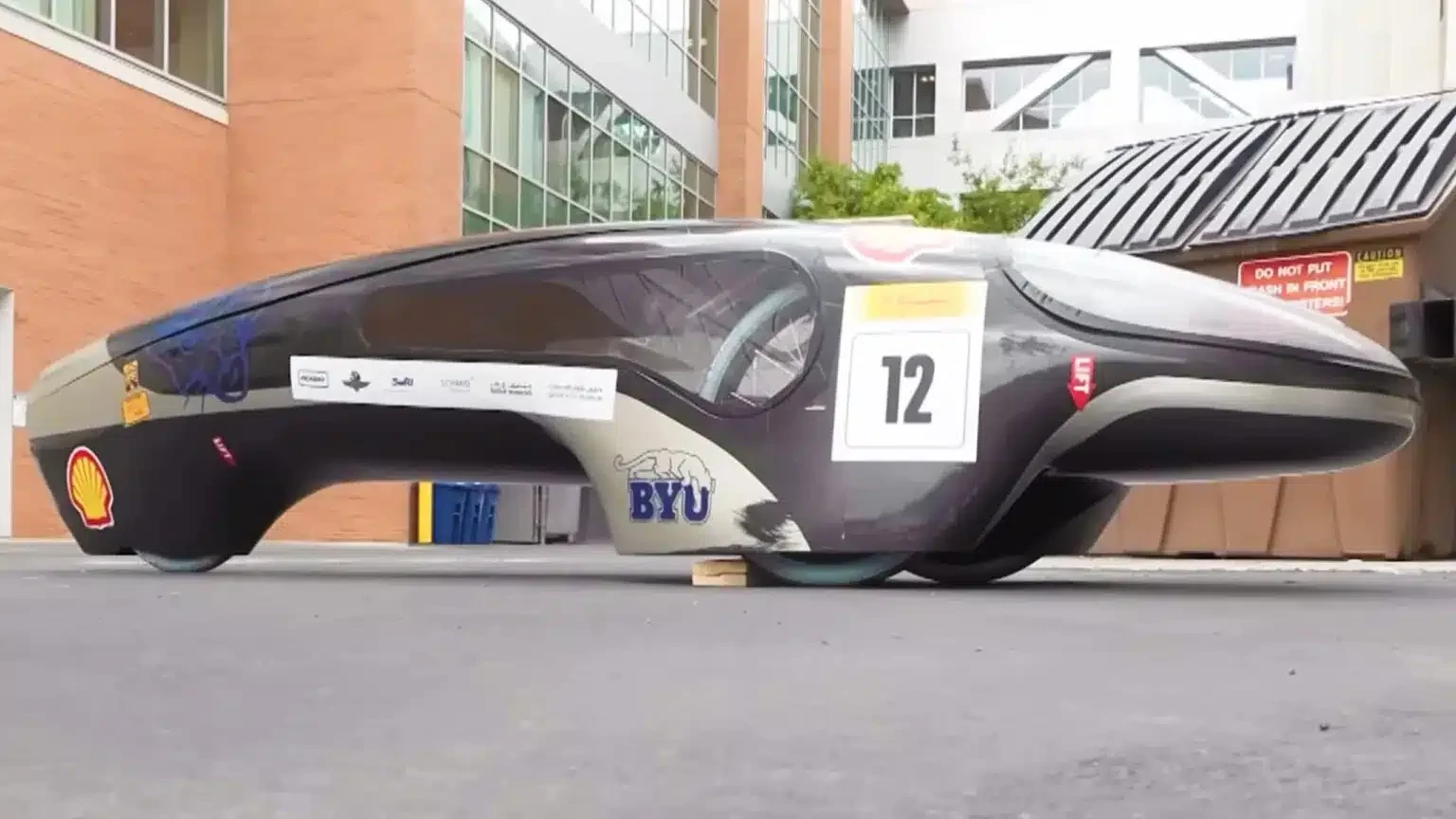
At first glance, the machine barely resembles a traditional car. Supermileage is an extremely lightweight three-wheeled prototype with a long, narrow aerodynamic body designed to cut through the air with minimal resistance. Much of the structure is made from carbon fiber, helping keep total vehicle weight at only about 108 pounds.
The cockpit is tiny, fitting just one driver. According to the development team, the ideal driver can’t be taller than about 5 feet 4 inches and should weigh under 120 pounds.
Instead of a conventional fuel tank, the students installed an incredibly small 1-ounce fuel container feeding a compact engine capable of running on either gasoline or ethanol. The car was tested at the famous Indianapolis Motor Speedway during Shell competition events.
The official fuel economy figure reached an astonishing 2,145 miles per gallon.
In theory, the students calculated the vehicle could travel from Provo, Utah, to New York City using roughly a single gallon of fuel. That equals approximately 0.11 liters per 100 kilometers — a number that sounds almost unreal compared to even today’s most efficient hybrids.

There is, however, one major tradeoff: speed.
Supermileage tops out at only about 23 mph, meaning that cross-country road trip would take a very long time. Efficiency is also highly sensitive to weather conditions. Even moderate crosswinds or headwinds can significantly reduce the vehicle’s range and overall performance.
Still, the project highlights an important point at a time when several automakers are rethinking aggressive EV strategies and shifting attention back toward hybrids and alternative powertrain technologies.
The students behind Supermileage demonstrated that dramatic improvements in efficiency are still possible when engineers aggressively reduce weight, minimize aerodynamic drag, and rethink traditional vehicle design. Their tiny prototype may look unusual, but it proves that the potential of combustion engines is far from exhausted.
You may also be interested in the news:
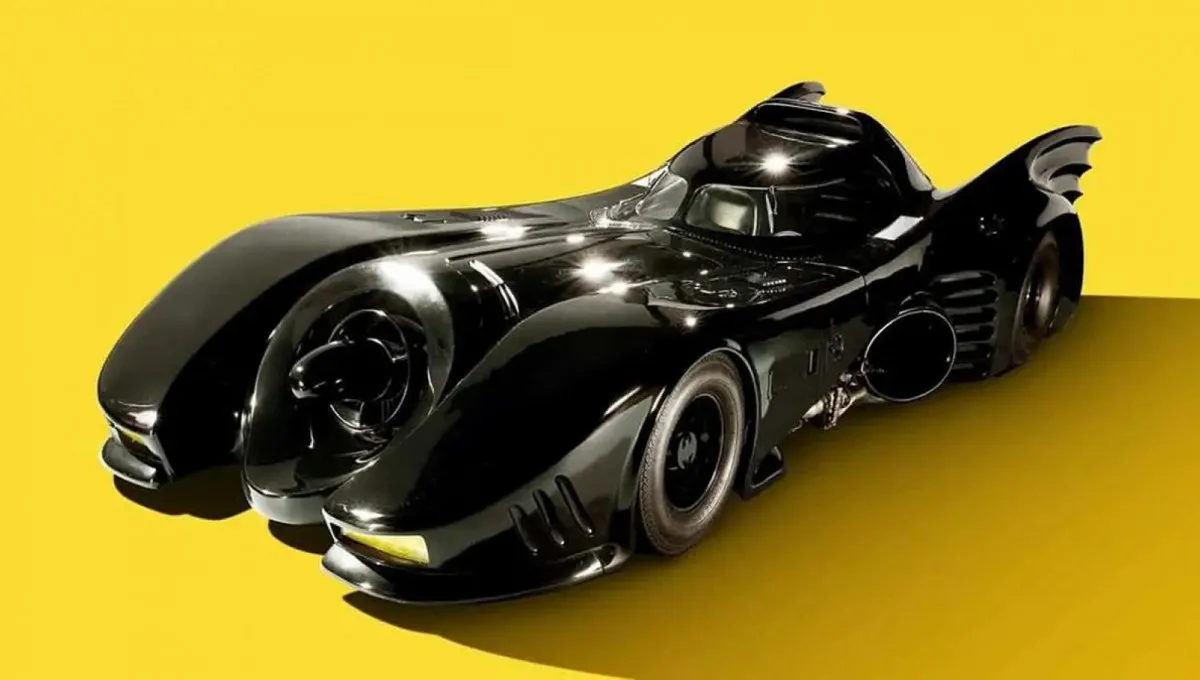
The Original Batmobile From Batman Returns Could Sell for $7 Million
The original 1992 Batmobile from Batman Returns is heading to a Los Angeles auction with a $7 million estimate.

Watch Your Fingers: Cadillac Recalls Nearly 30,000 New Optiq EVs Over Power Window Problem
General Motors is recalling 29,347 new Cadillac Optiq electric crossovers because of a potentially dangerous power-window malfunction.

The 10-Step Guide to Driving a Car When Absolutely Everything Goes Wrong
Driving an unfamiliar car through an unfamiliar city is easy when absolutely nothing makes sense.

No Roads, No Map, No Car: The $50 Bet That Sent a Doctor Across America
In 1903, one doctor bet $50 he could drive from San Francisco to New York.