
Toyota Built a Robot That Might Actually Belong in the NBA
Toyota’s latest basketball-playing robot can sink shots, move like a human, and already holds world records.
Most people know Toyota Motor Corporation as the world’s largest and most efficient car manufacturer. But the company’s history stretches far beyond automobiles.
Toyota originally started in the textile industry, producing weaving machines in the early 1920s before shifting its focus toward cars in the 1930s. Now, nearly a century later, the company is investing heavily in something completely different: robotics.
And judging by its newest creation, things are getting pretty interesting.
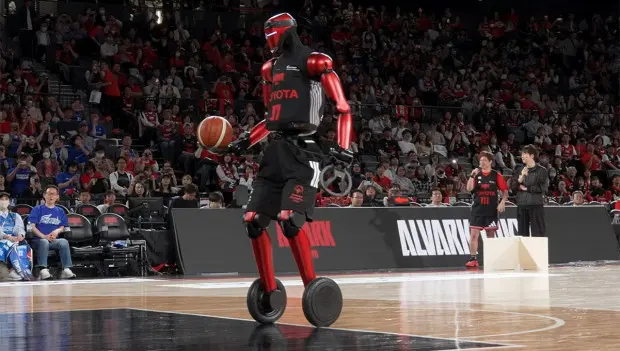
Toyota recently unveiled the latest version of its basketball-playing humanoid robot, called CUE7, at the home arena of the Alvark Tokyo — Toyota Arena.
The CUE project first launched in 2017 as a volunteer-driven effort by Toyota engineers experimenting with artificial intelligence and robotics development from scratch. What began as an internal engineering challenge quickly evolved into one of the strangest and coolest side projects in the automotive world.
By 2019, an earlier version of the robot had already earned a Guinness World Records title for the most consecutive free throws made by a humanoid robot. The total wasn’t ten shots. Or twenty. Or even a hundred.
It made 2,020 free throws in a row.
Then in 2024, the robot grabbed another world record by making the longest basketball shot ever completed by a humanoid robot — launching the ball an astonishing 80.5 feet.
Now comes CUE7, the newest evolution of the project.
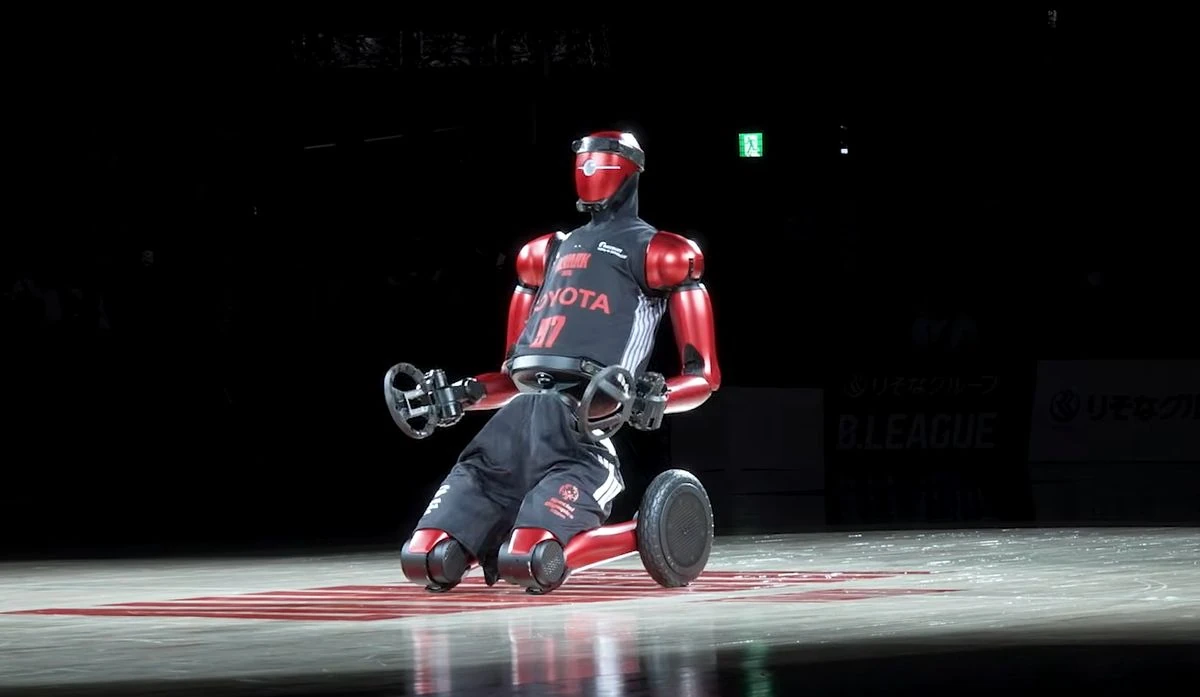
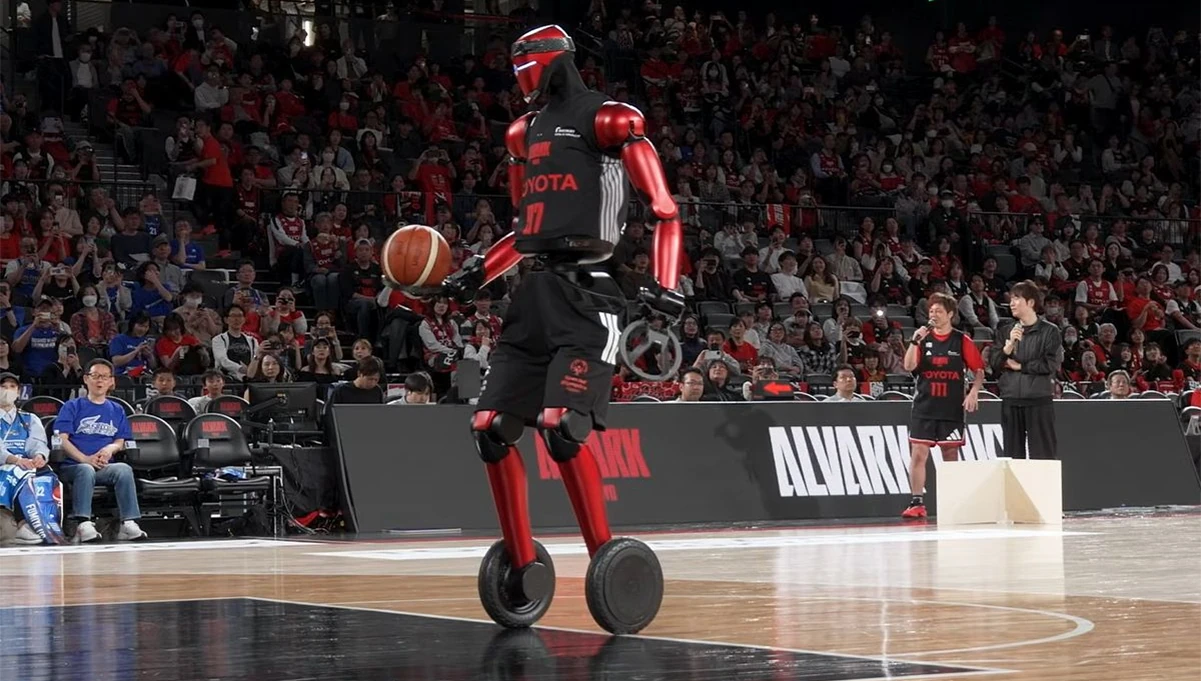
The updated robot can dribble, shoot, and move around the court while imitating human body movements. And honestly, it looks surprisingly futuristic doing it. CUE7 wears a black Toyota jersey and balances on two wheels instead of legs, giving it a style that feels halfway between a basketball player and a sci-fi assistant.
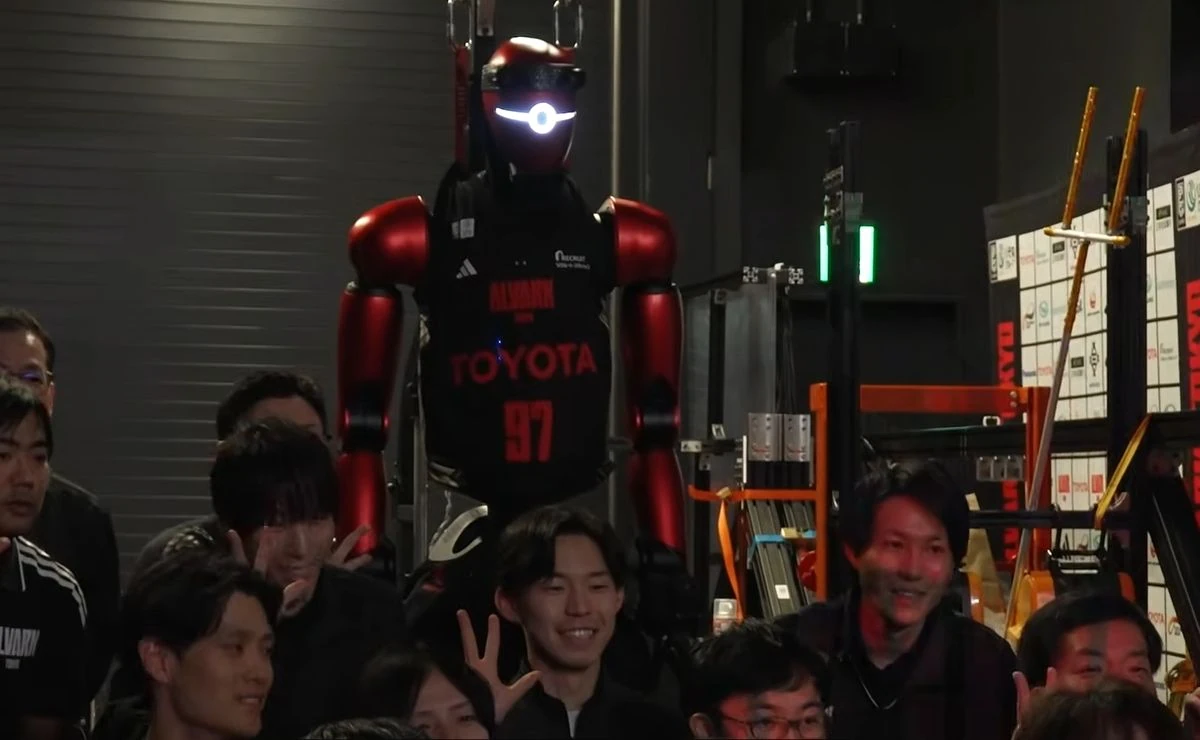
The robot stands roughly 7 feet 2 inches tall and weighs about 163 pounds. Some estimates place its development cost around $150,000.
CUE7 is packed with cameras and sensors from top to bottom, allowing it to constantly analyze its surroundings, calculate shooting angles, and determine exactly how much force is needed for each shot.
Of course, it’s still not perfect — and weirdly, that might be what makes it feel more human.
Sometimes the robot hesitates. Sometimes movements look awkward. But watching a machine learn basketball in real time somehow makes the whole project feel less cold and mechanical than you’d expect.
Toyota says the project isn’t about building sports superstars or replacing athletes. Instead, CUE serves as a research platform for artificial intelligence, precision movement, and machine learning technologies that could eventually influence future robotics and mobility systems.
Still, if CUE7 keeps improving at this pace, don’t be surprised if it starts getting invited to NBA halftime shows someday.
You may also be interested in the news:
Test Yourself: Toyota’s Famous “Oh, What a …” Slogan — Can You Finish It?
Can You Finish Toyota’s Most Famous Slogan? Millions of Americans Heard This One Growing Up
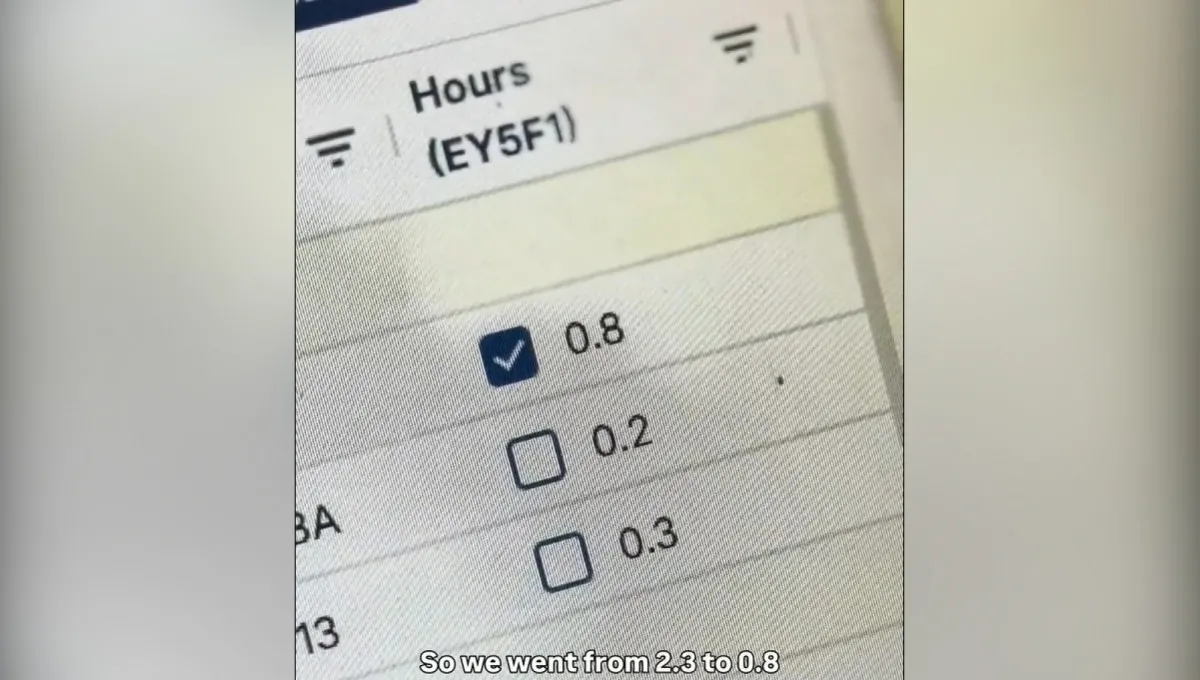
Toyota Technician Walks Away After Viral TikTok Exposes a Nearly 3x Pay Cut on One Repair
A Toyota technician with 11 years of experience quit after a viral TikTok sparked a dispute over repair pay.
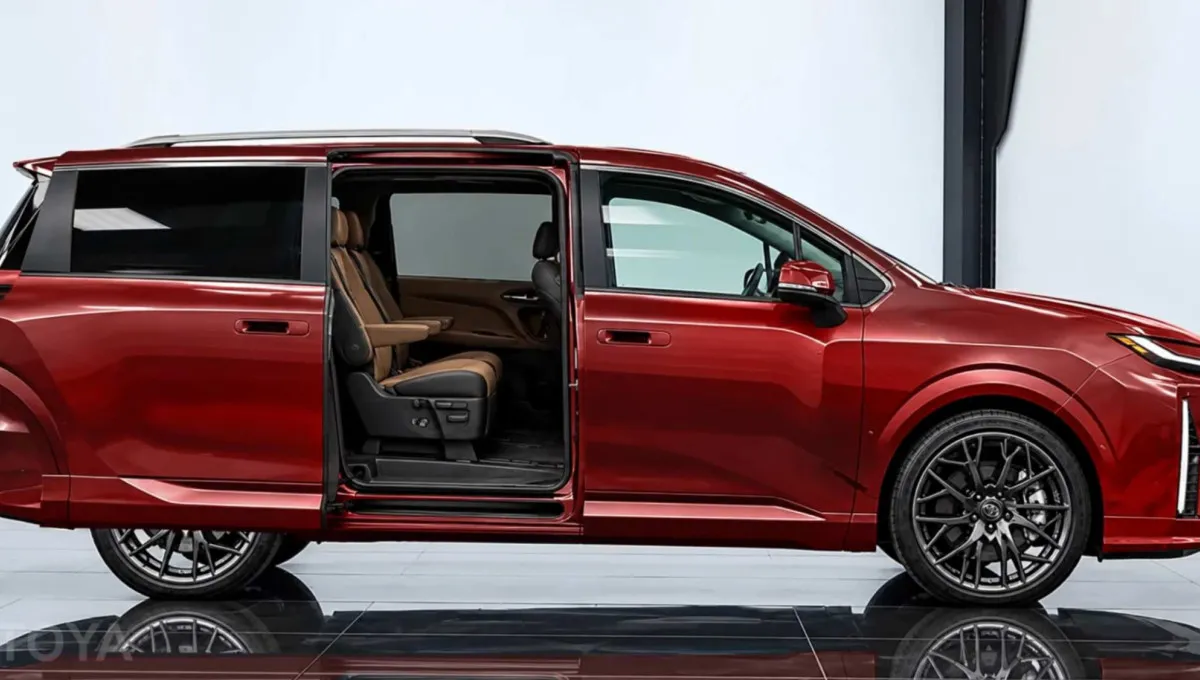
Toyota Sienna Gets a Radical New Look in First Renders of the 2028 Minivan
Next-Gen Toyota Sienna Gets Camry, Prius and RAV4-Inspired Design in New Renders.
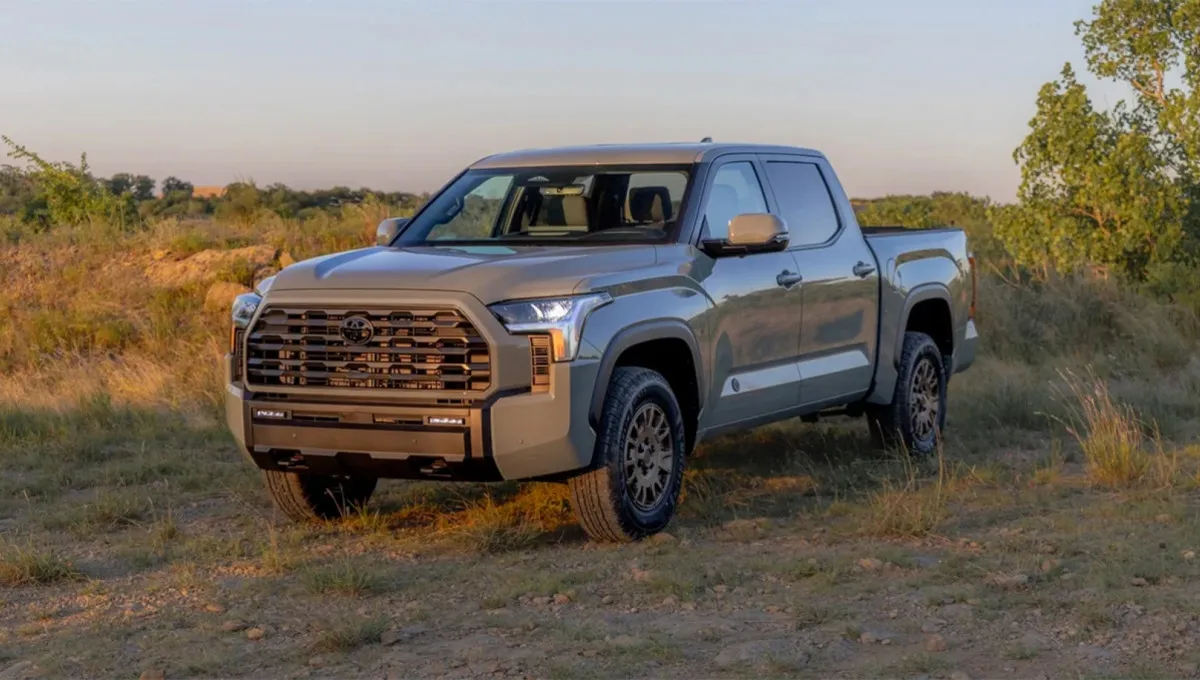
A Lifelong Ford Family Is Ready to Walk Away From F-150s for This $79K Toyota Tundra
A longtime Ford family is considering a $79,000 2026 Toyota Tundra 1794 i-FORCE MAX after questioning loaded F-150 prices.
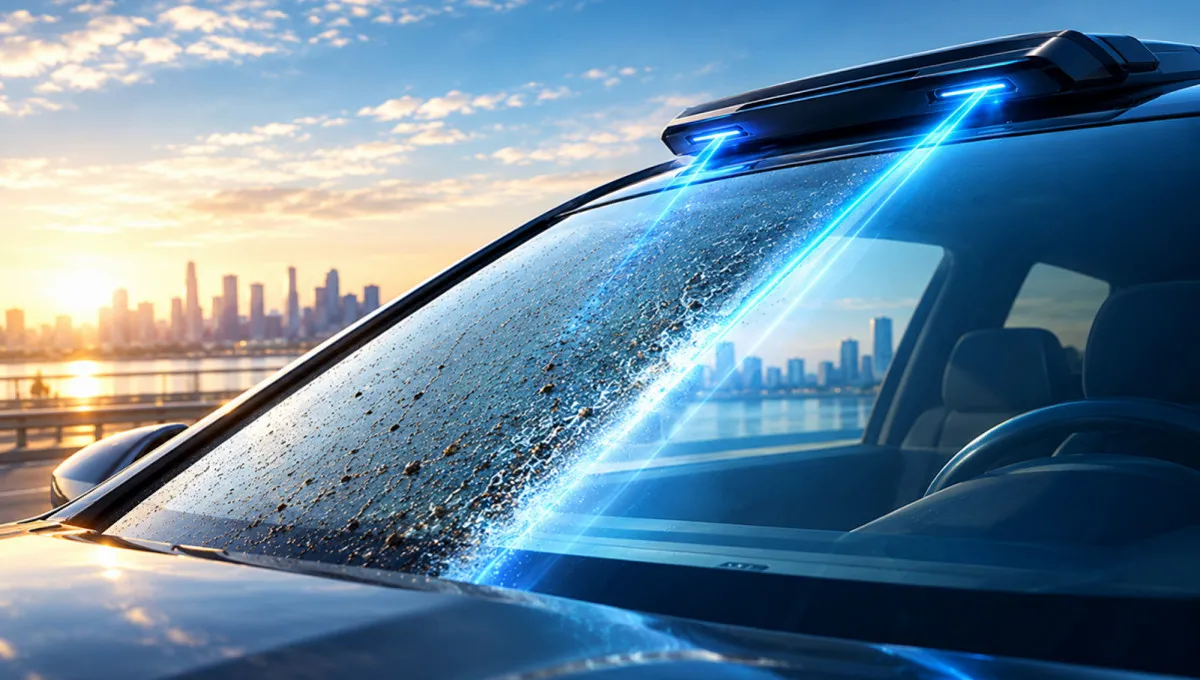
Tesla Patents Laser Windshield Wipers Again in 2026
Tesla is once again pursuing laser windshield cleaning, but the technology raises serious questions about cost, reliability and safety.