
Why Factory Car Batteries Last Longer Than Store-Bought Ones
Factory-installed car batteries often last longer than replacements, leaving many drivers wondering what makes them different.
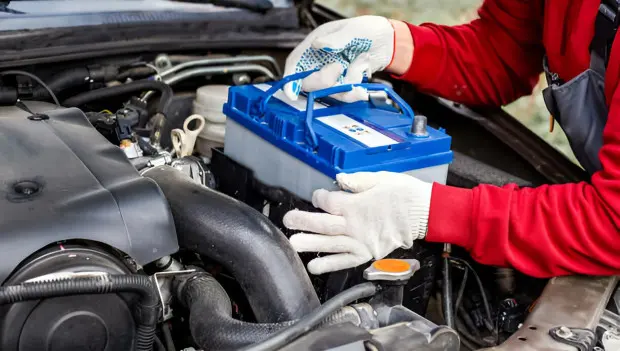
Many drivers notice the same pattern: the battery that comes with the car from the factory often works reliably for years, but the replacement bought at a store seems to lose charge much sooner. Over time the difference becomes obvious, and it raises a reasonable question—why does that happen?
The explanation is fairly straightforward. Batteries installed during vehicle assembly typically go through stricter quality checks. Automakers test entire production batches and select only units that demonstrate stable performance. If a supplier’s batteries fail to meet the standards, the manufacturer can reject the shipment or switch suppliers entirely. As a result, the battery that originally goes into the vehicle is often among the most reliable from that batch.
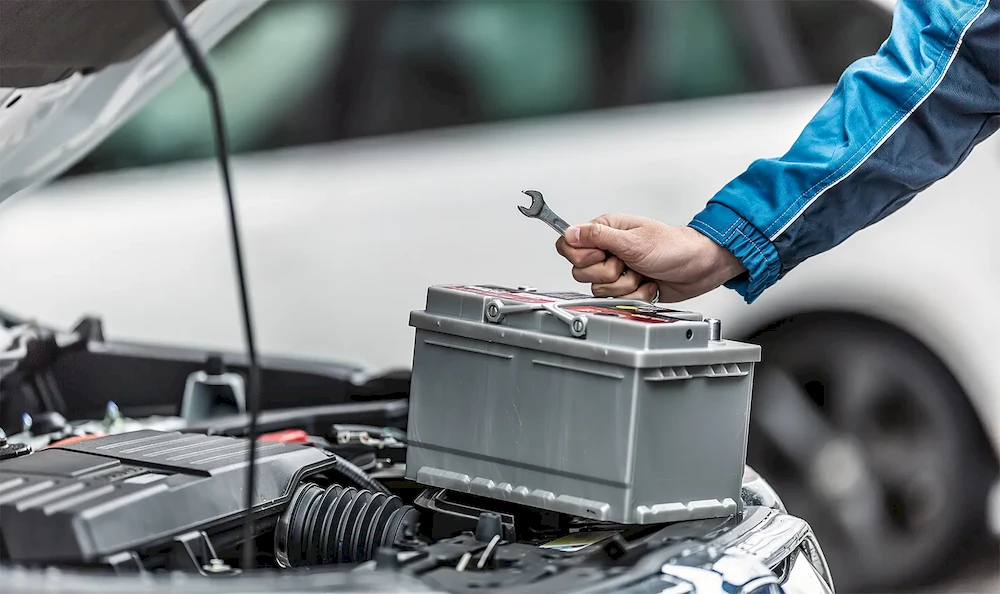
The situation is different with batteries sold through retail channels. The selection is wide, but the filtering process is not nearly as strict. Because of that, two batteries with nearly identical specifications may behave very differently in real life. One might last for years, while another could begin losing its capacity much earlier.
Electrical demand inside modern vehicles also plays a role. Today’s cars are packed with electronics that continue to draw small amounts of power even when the engine is off—things like security systems, onboard computers, and remote connectivity features. Over time, this constant drain gradually weakens the battery. Simpler vehicles with fewer electronics typically put less strain on the battery, allowing it to last longer.
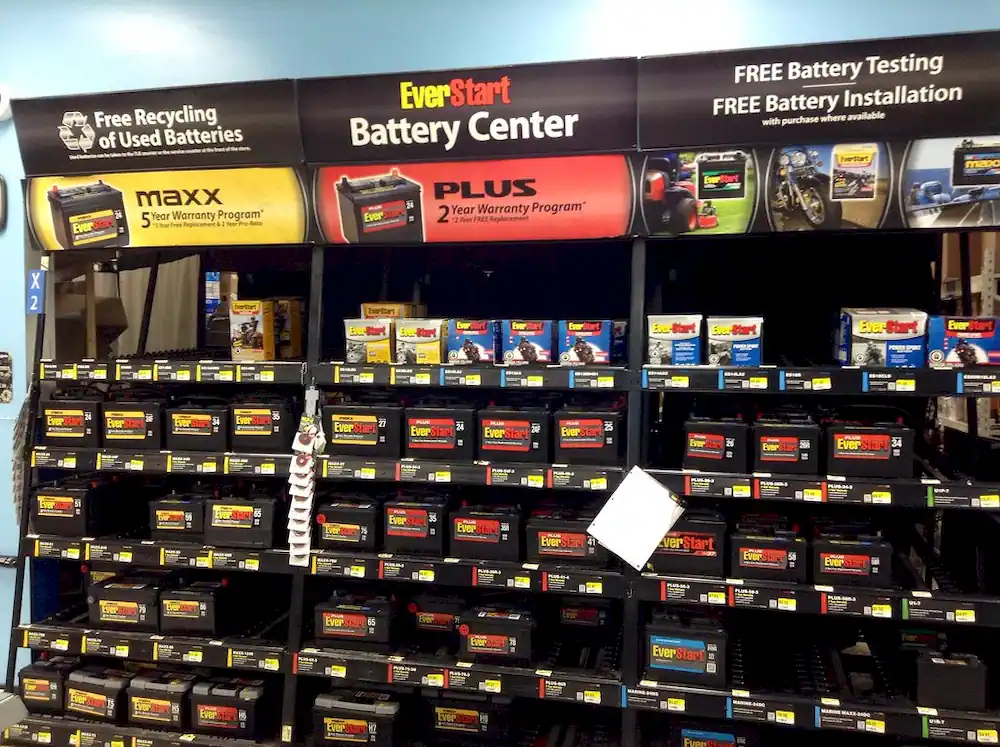
Another factor is what happens to the battery before it even reaches the buyer. If it sits in storage for too long without being recharged, or if it’s transported improperly, its performance can start to decline before it’s ever installed in a car. The damage isn’t visible from the outside, but once in service the battery may lose charge more quickly.
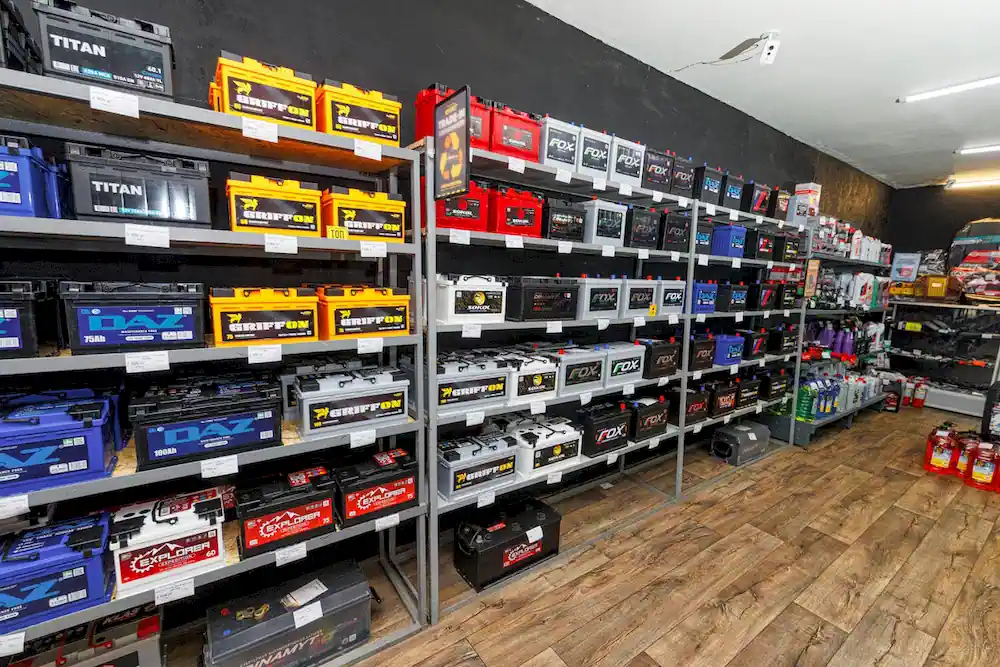
There’s also an economic reality behind battery design. Manufacturers rarely aim for the absolute maximum lifespan. Instead, they often engineer batteries to match the average ownership cycle of a vehicle—roughly four to five years. Longer-lasting batteries are possible, but they would cost significantly more, which could reduce demand. For that reason, most products strike a balance between durability and affordability.
Technology also influences longevity. EFB (Enhanced Flooded Battery) units typically last around four to five years, while AGM (Absorbent Glass Mat) batteries can operate for six to eight years, though they usually come with a higher price tag. In the end, battery lifespan depends on several factors at once: quality selection at the factory, storage conditions, the technology used, and the pricing strategies of manufacturers.
You may also be interested in the news:
YouTube Has a New Problem: AI Is Creating Fake Mechanics Who Look Completely Real
Artificial intelligence is now being used to create convincing fake auto mechanics on YouTube, raising concerns about misleading advice.
Your Brakes Squeal Every Morning? Here’s When That Noise Is Normal—and When It Could Mean Trouble
That sharp brake squeal first thing in the morning is often harmless—but persistent noise can point to worn or damaged brake components.
7 Car Repairs Mechanics Secretly Hate Taking on — Here’s Why Shops Say “No”
A mechanic explains why some seemingly routine repairs can become expensive nightmares for both shops and car owners.
Your Car May Be Burning More Gas This Fall — Here’s the Surprising Reason Why
Colder temperatures, longer warm-up times and denser air can all cause your car to use more fuel in the fall.
The “Gas-Saving” Tricks That Could Destroy Your Car — And What Drivers Should Do Instead
Some fuel-saving tricks can backfire, costing drivers far more in repairs than they ever save at the gas pump.