
Hyundai Recalls More Than 421,000 Vehicles Over Sudden Phantom Braking Issue
Hyundai owners report unexpected braking incidents involving Tucson and Santa Cruz models equipped with collision-avoidance technology systems.
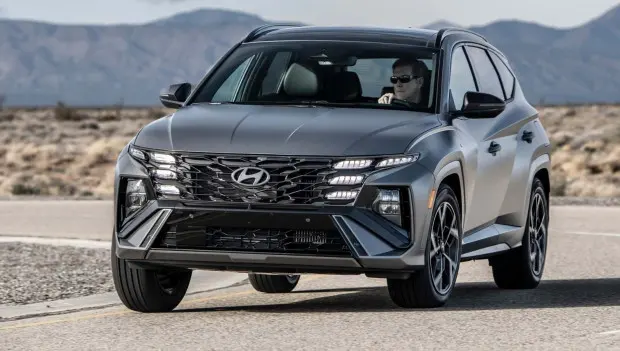
Hyundai Motor Company is recalling 421,078 vehicles in the U.S. after discovering that the Forward Collision Avoidance system may trigger the brakes earlier than drivers expect, creating a potential crash hazard.
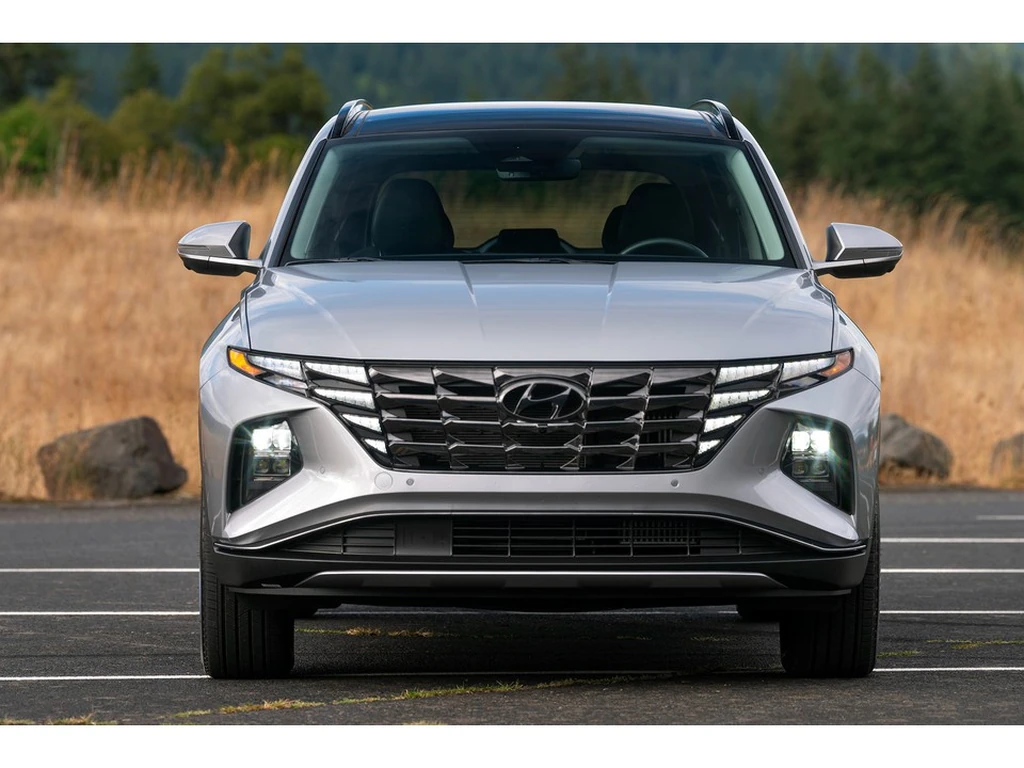
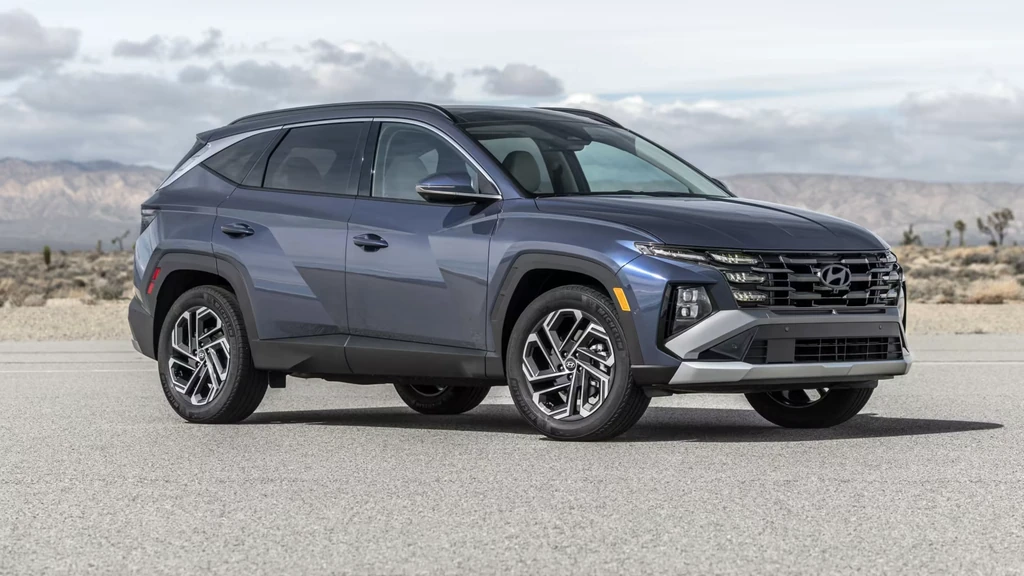
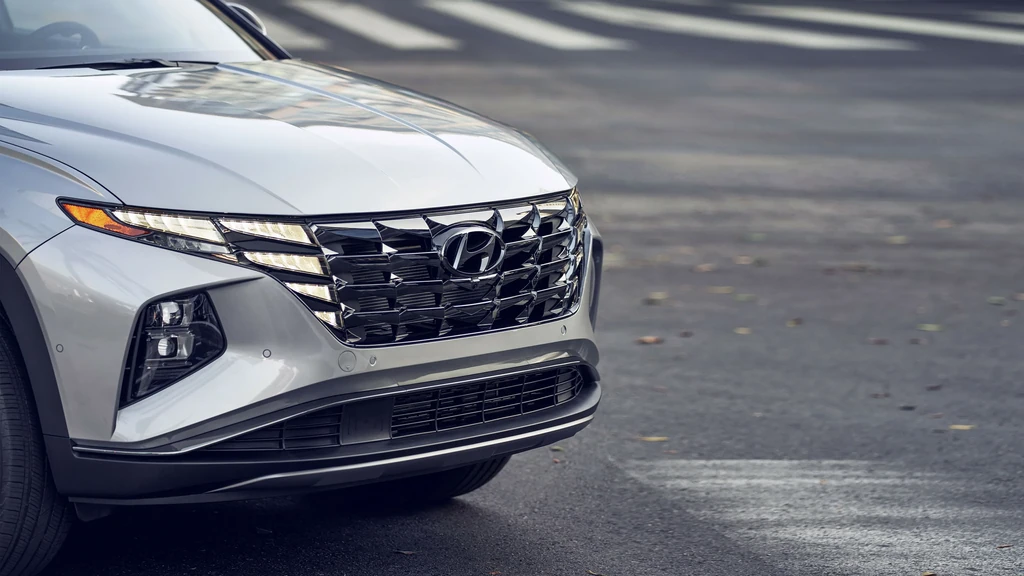
The recall covers certain 2025 and 2026 model-year versions of the Hyundai Tucson, Hyundai Tucson Hybrid, Hyundai Tucson Plug-In Hybrid, and Hyundai Santa Cruz.
According to documents filed with National Highway Traffic Safety Administration, software inside the front-facing multifunction camera may be overly sensitive when detecting vehicles or objects ahead. In some situations, the system can apply the brakes unexpectedly, increasing the risk of a rear-end collision if another car is following too closely.
Hyundai estimates roughly one percent of the recalled vehicles may have the defect. The campaign is listed as NHTSA recall number 26V316 and Hyundai internal recall 302.
The affected vehicles were assembled at plants in Alabama, South Korea, and Mexico. Most of the recalled units are Tucson models, accounting for nearly 293,000 vehicles. Another 110,844 Tucson Hybrids are included, along with 13,082 Santa Cruz pickups and 4,347 Tucson Plug-In Hybrids.
The Forward Collision Avoidance system uses a front-view camera to monitor traffic conditions and calculate possible crash risks based on speed, distance, and driver input. Hyundai says the software calibration in affected vehicles was tuned too conservatively, causing the system to react sooner than drivers would normally expect.
That can lead to sudden braking without warning — even when drivers may not feel immediate danger exists. Hyundai says the camera hardware was supplied by Mobis, a major South Korean automotive parts manufacturer.
The automaker’s North American Safety Office launched an investigation in January 2025 after receiving complaints from owners describing unintended braking incidents. Engineers later recreated the condition during fleet testing in June 2025 and continued reviewing data with suppliers and company engineers throughout the year.
Federal regulators also became involved after owners filed additional complaints regarding Tucson braking behavior. Hyundai and NHTSA officials met in late September 2025 to discuss the issue, followed by joint testing sessions and software evaluations at proving grounds in California and South Korea.
After months of validation and software tuning, Hyundai decided to move forward with the recall in May 2026.
As of the recall decisoin date, Hyundai had logged 376 field reports connected to the FCA system between October 2024 and April 2026. Four of those incidents involved crashes where Hyundai vehicles were reportedly rear-ended after sudden braking events. The company also acknowledged four alleged injuries linked to the problem, although no fires or deaths have been confirmed in the United States.
Dealers will install updated front-camera software free of charge regardless of vehicle warranty status. Hyundai also says owners who already paid for repairs related to the issue may qualify for reimbursement.
The revised software is designed to better match braking activation timing with normal driver expectations and traffic conditions.
The recall affects five separate front-camera part numbers, including 99211-N7050 and 99211-CW500 among othr variants.
Vehicle identification numbers became searchable through NHTSA’s website on May 20, 2026. Hyundai plans to begin mailing owner notification letters on July 17 as part of a phased rollout.
The recall arrives only weeks after a class-action lawsuit filed in federal court in California accused Hyundai of selling 2025 Tucson and Tucson Hybrid models with a phantom braking defect. The allegations in that lawsuit closely mirror the behavior described in Hyundai’s official recall filing, where vehicles may suddenly decelerate because of overly sensitive collision-avoidance software.
For many drivrs, the concern isn’t simply an annoying safety feature — it’s the fear that a vehicle could unexpectedly slam on the brakes in fast-moving traffic.
You may also be interested in the news:

No Roads, No Map, No Car: The $50 Bet That Sent a Doctor Across America
In 1903, one doctor bet $50 he could drive from San Francisco to New York.

Stellantis Just Revealed Nine New Cars Under $40,000 — And Two Could Cost Less Than $30K
Stellantis plans nine cheaper vehicles as high prices leave American shoppers with fewer affordable new-car choices.

This Tiny Home on Wheels Sleeps 5 — And It's Far More Spacious Inside Than It Looks
A tiny home on wheels turns limited space into a surprisingly comfortable setup for family road trips.
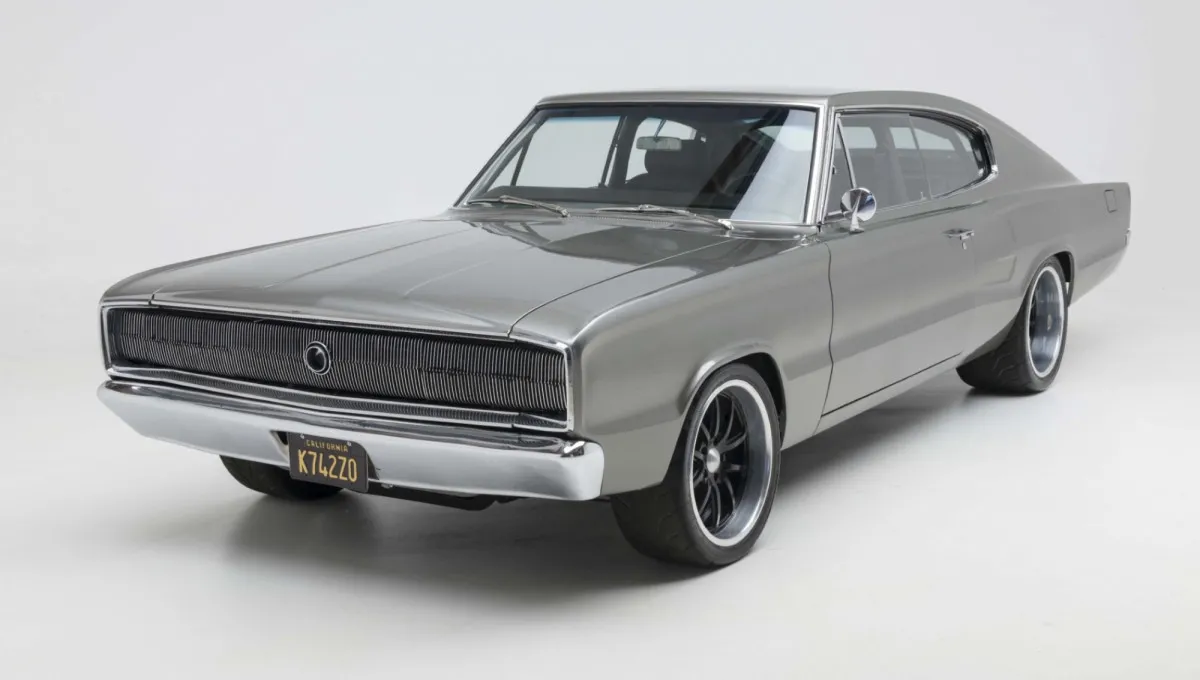
The “Leader of the Dodge Rebellion”: The 1966 Dodge Charger
The Dodge Charger has endured for 60 years, but its story began with an unlikely 1966 debut.
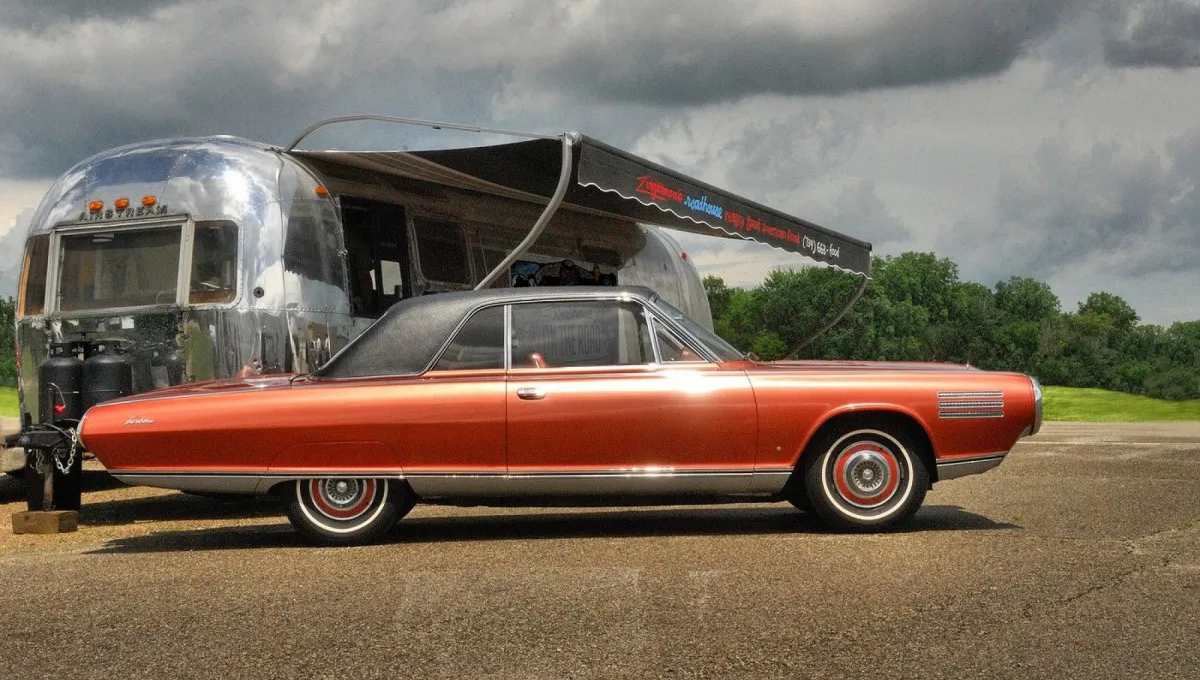
The Gas Turbine Chrysler Drove a Million Miles Across the U.S., Ran on Perfume, but Never Went Into Production
In late 1963, a strange new car hit American roads, turning heads with the unmistakable sound of a jet engine.