
The Greatest Prewar Supercars Ever Built: The Legendary Machines That Ruled the Roads Before WWII
Between World War I and World War II, Europe and America produced some of history’s most extravagant, advanced, and unforgettable luxury automobiles.
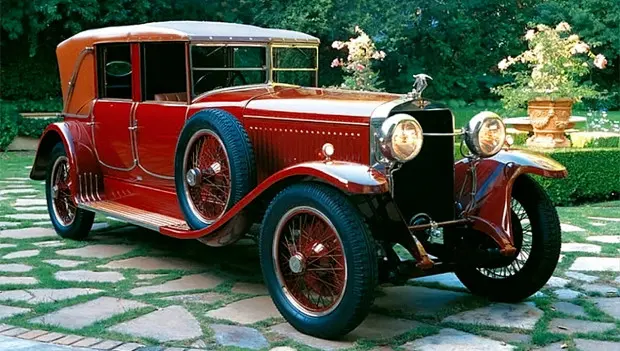
The period between World War I and World War II remains one of the most fascinating eras in automotive history. It was a time when legendary marques such as Hispano-Suiza, Packard, Duesenberg, Rolls-Royce, Bugatti, and Pierce-Arrow dominated the automotive world with machines that combined engineering brilliance, unmatched craftsmanship, and staggering prices. Some of those brands survived into the modern era, while others disappeared amid the upheavals of the 20th century, leaving behind only a handful of breathtaking automobiles.
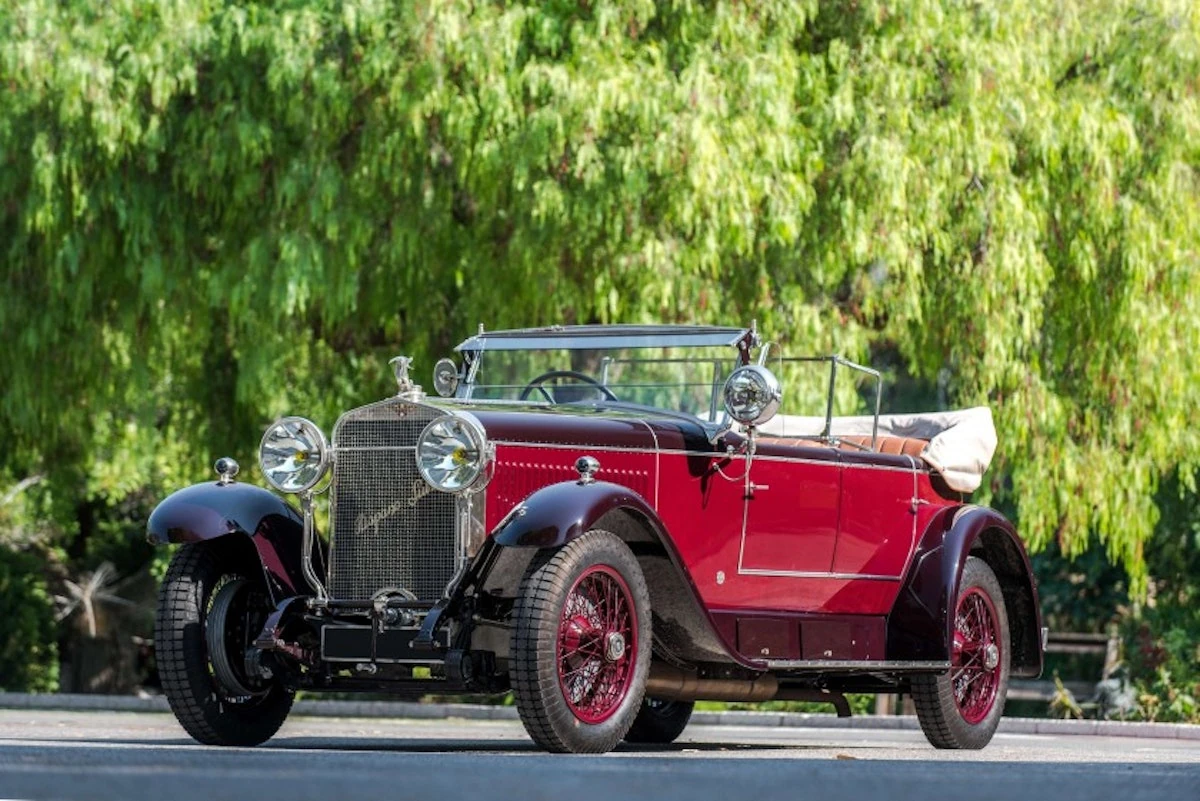
Founded at the dawn of the 20th century, Hispano-Suiza reached its peak in 1922 with the introduction of the legendary Hispano-Suiza H6B. Large, luxurious, and enormously expensive, the H6B featured technology years ahead of its time. Power came from a 6.6-liter inline-six producing between 100 and 135 horsepower. Essentially derived from half of a V12 aircraft engine, the powerplant used an overhead camshaft design, a lightweight aluminum block, a balanced crankshaft, and dual ignition.
The H6B also featured ventilated drum brakes and leaf-spring suspension with friction dampers. Buyers typically ordered custom coachbuilt bodies from Europe’s finest body manufacturers, with handcrafted interiors trimmed in premium materials.
Pricing reflected the car’s elite status. Hispano-Suiza charged around $8,000 for the bare chassis alone — equivalent to roughly $145,000 today. Fully customized examples could cost far more. One Hispano-Suiza fitted with a body by Saoutchik reportedly sold for $20,000 in 1930, equal to nearly $370,000 in today’s money.
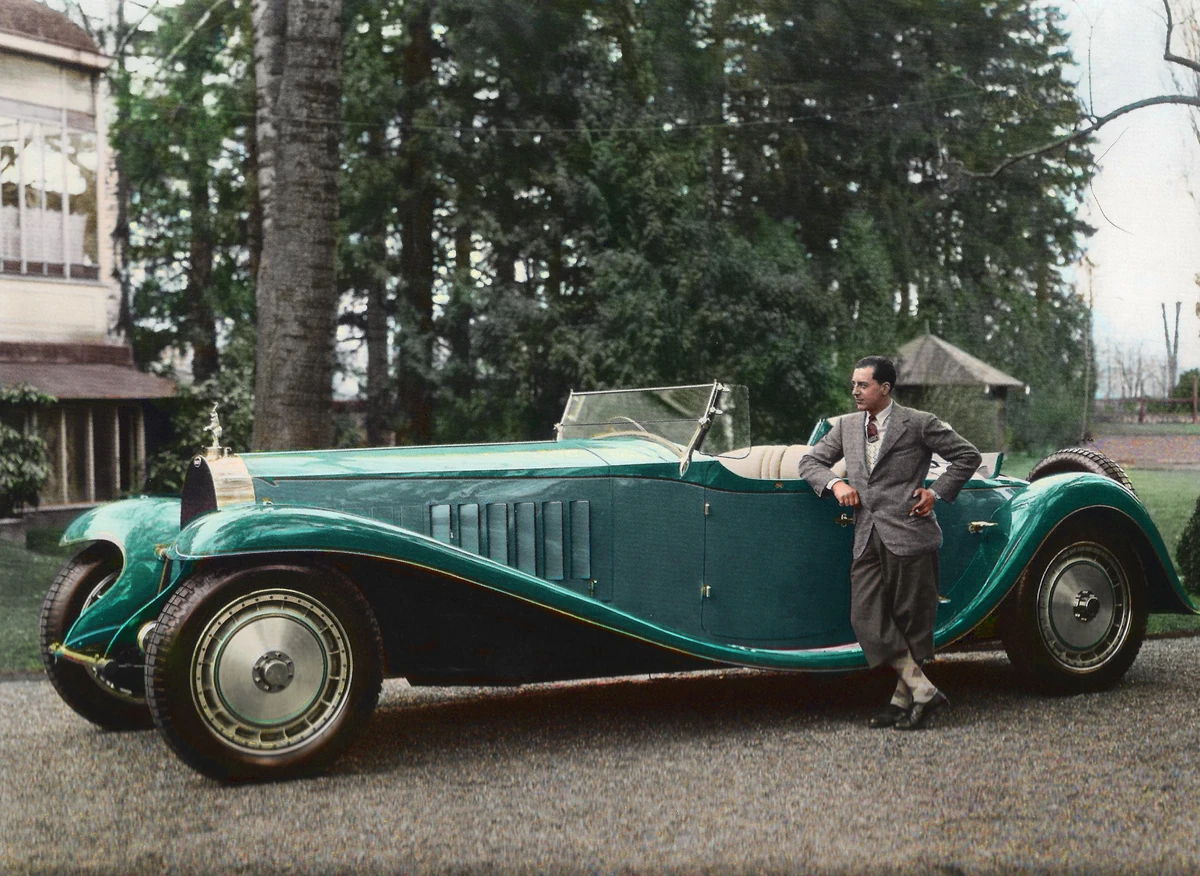
Few automotive visionaries were as uncompromising as Ettore Bugatti. Determined to create the ultimate luxury automobile, he poured his engineering expertise into what became one of the greatest cars of the era: the Bugatti Type 41 Royale.
Built on a massive ladder-frame chassis, the Royale featured an enormous 179.9-inch wheelbase. Mounted behind the front axle sat a gigantic 12.7-liter inline-eight producing 250 horsepower. Inspired by aircraft-engine design, the engine employed overhead camshafts, dual ignition with two spark plugs per cylinder, a dry-sump lubrication system, and a nine-bearing crankshaft.
Despite weighing nearly 6,600 pounds, the Bugatti Royale could reach approximately 106 mph. To slow such a massive machine, Bugatti adapted racing-derived drum brakes integrated into lightweight alloy wheels.
The Royale was built strictly to order, with only six examples produced between 1926 and 1932. Prices ranged from $20,000 to $25,000 — astronomical sums during the Great Depression.
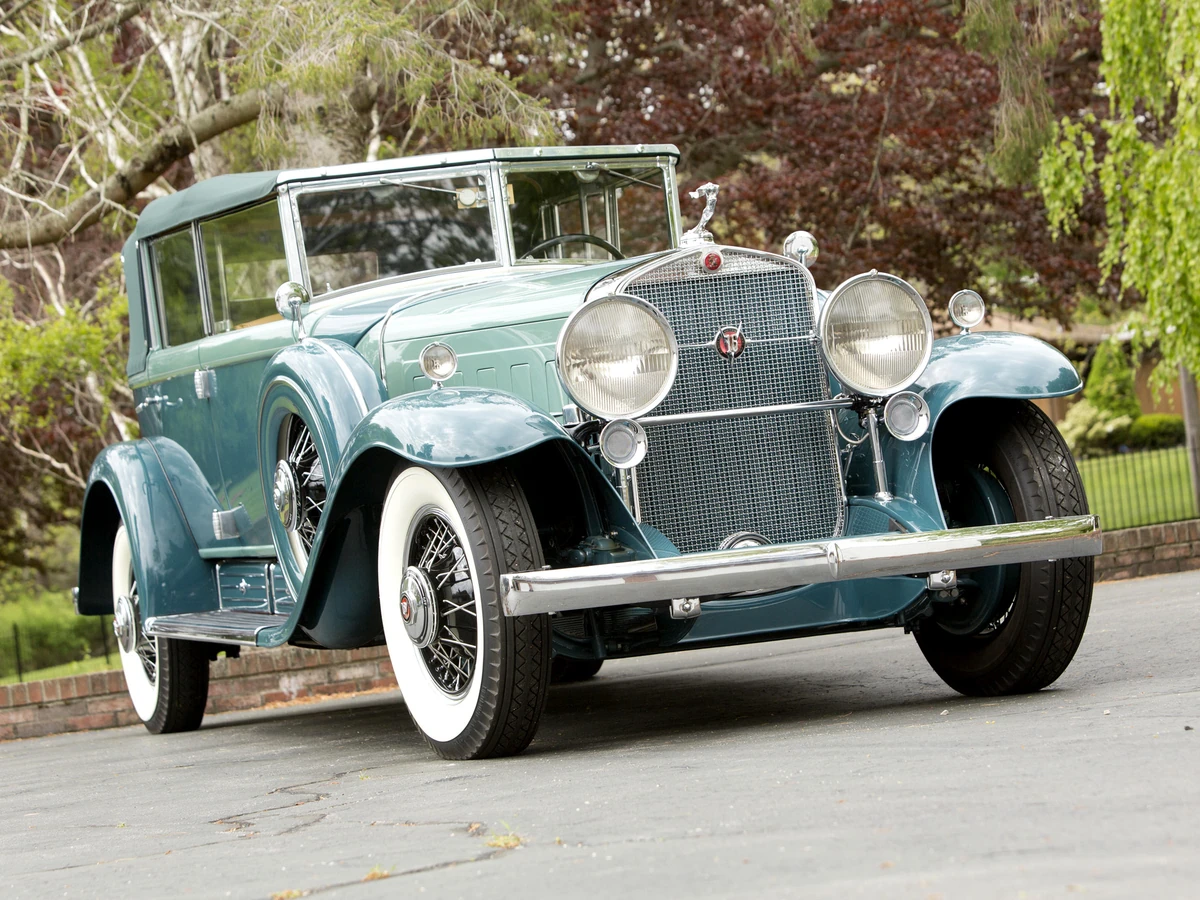
By the late 1920s, Cadillac was aggressively pursuing dominance in the ultra-luxury market. In 1929, the company stunned the industry by unveiling the world’s first production 16-cylinder passenger car: the Cadillac V16.
Beneath its long hood sat a 165-horsepower V16 engine effectively formed from two inline-eight engines sharing a common crankshaft. Each bank featured its own camshafts, overhead valves with hydraulic lifters, and magneto ignition. The engine was paired with a synchronized three-speed transmission and mounted to a traditional body-on-frame chassis with leaf-spring suspension and vacuum-assisted mechanical drum brakes.
The V16 instantly elevated Cadillac into direct competition with Packard and Rolls-Royce. Roughly 4,000 first-generation cars were built before Cadillac introduced a revised version featuring an entirely new 185-horsepower V16. Production continued until the outbreak of World War II, though only about 500 of the updated models were produced.
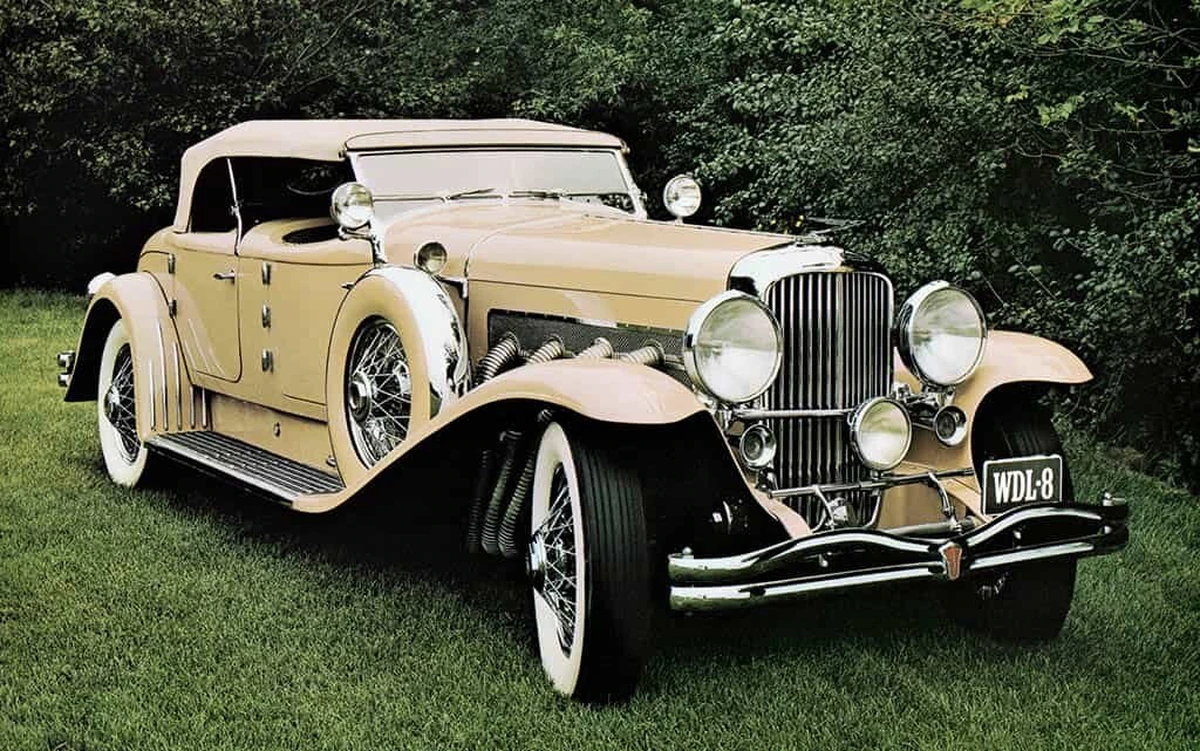
For Duesenberg, the 1930s represented the pinnacle of achievement after the company became part of the Cord automotive empire. Entrepreneur E. L. Cord provided generous funding and challenged Duesenberg engineers to create the world’s finest, fastest, and most advanced automobile.
The result debuted in December 1928 as the legendary Duesenberg Model J.
At the heart of the Model J was a remarkable inline-eight engine featuring hemispherical combustion chambers and an advanced dual-overhead-cam cylinder head with four valves per cylinder. Output reached an astonishing 265 horsepower — an extraordinary figure for the era. Despite weighing around 4,400 pounds, the Model J could exceed 115 mph.
The car’s engineering was equally impressive, with a heavy-duty frame, leaf-spring suspension, and hydraulic drum brakes.
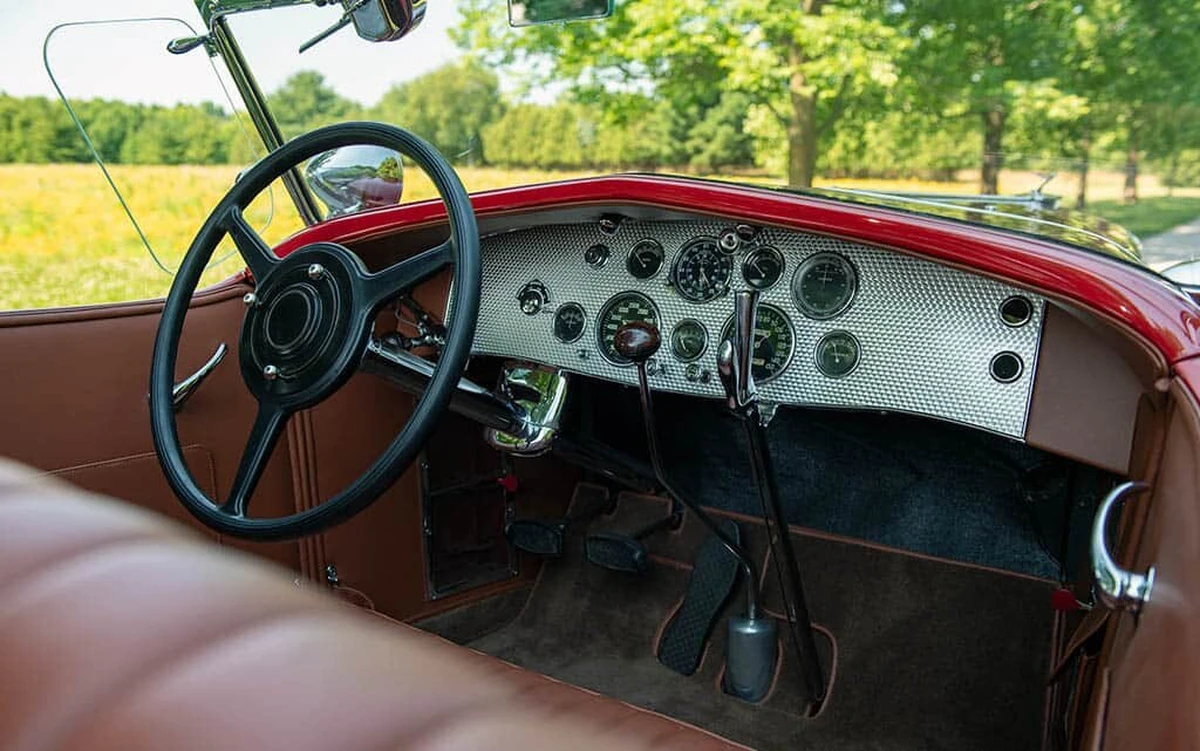
In 1932, Duesenberg introduced the even more potent Duesenberg SJ. Equipped with a supercharger, the SJ’s engine produced a staggering 320 horsepower, allowing the massive luxury car to surpass 125 mph.
Its price was equally shocking. The SJ chassis alone started at $10,000, while a custom body could easily double the final cost. At the time, that amount could buy a luxurious home — or roughly 30 Ford V8s.
You may also be interested in the news:
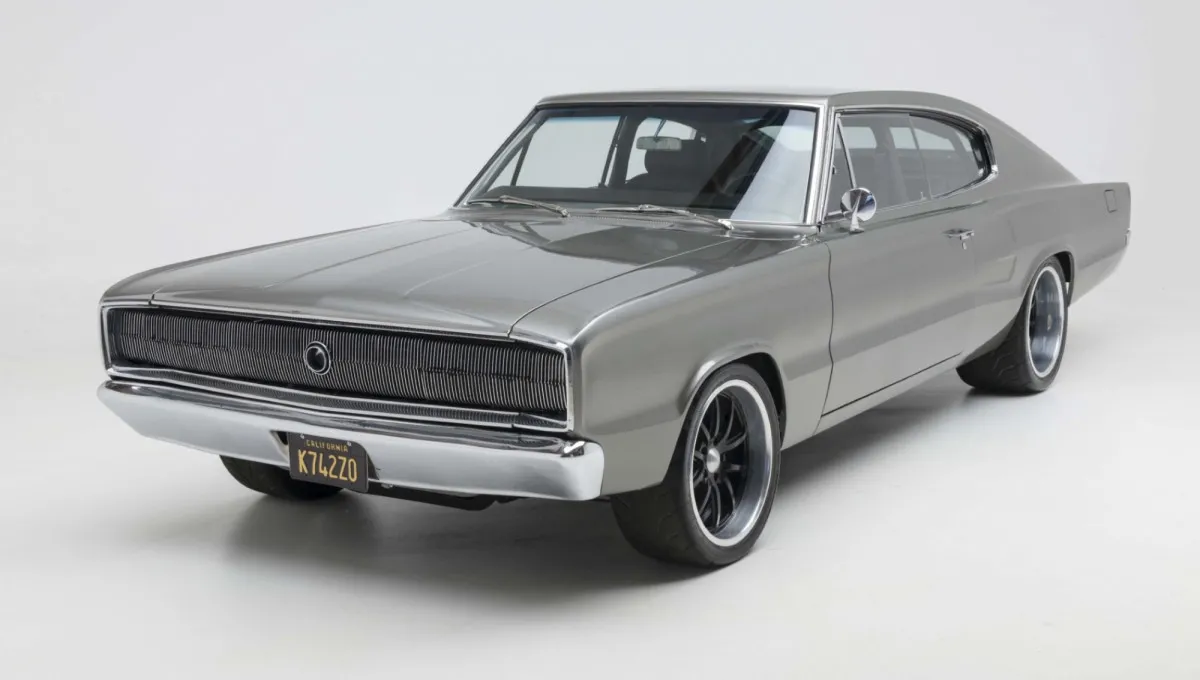
The “Leader of the Dodge Rebellion”: The 1966 Dodge Charger
The Dodge Charger has endured for 60 years, but its story began with an unlikely 1966 debut.
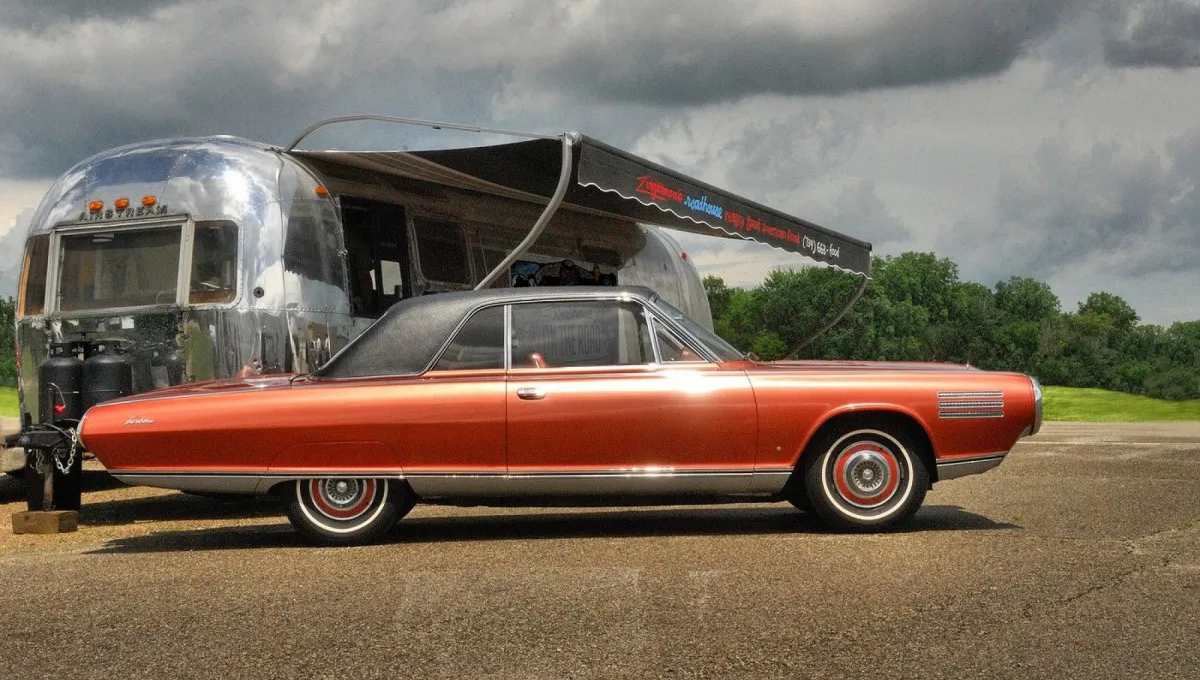
The Gas Turbine Chrysler Drove a Million Miles Across the U.S., Ran on Perfume, but Never Went Into Production
In late 1963, a strange new car hit American roads, turning heads with the unmistakable sound of a jet engine.
His Passenger Left a Bag With a Passport Inside—What This Uber Driver Did Next Touched Millions
An Uber driver drove back to return a forgotten bag, turning a ride into kindness.
A Little Boy Spotted a Bearded Biker at the Store—What Happened Next Felt Like a Christmas Miracle
A biker with a white beard turned an ordinary grocery run into a Christmas memory one little boy won't forget.
He Sold His House to Buy 20 Teslas—Then Sold 213 of Them in One Year
A car dealer admitted he briefly questioned his decision after betting his property money on a fleet of Teslas.