
When the Lincoln Continental Came With a BMW Diesel Engine
Lincoln briefly offered a BMW-built diesel engine, creating one of its most unusual American luxury cars ever.
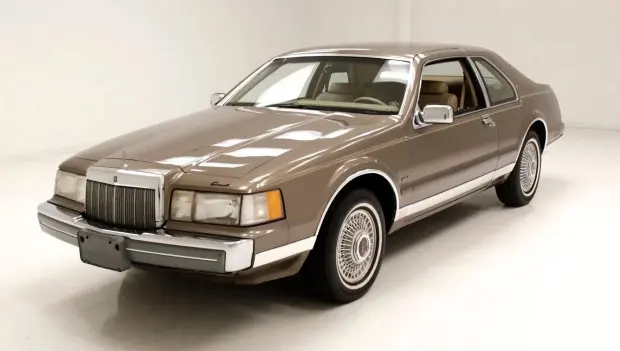
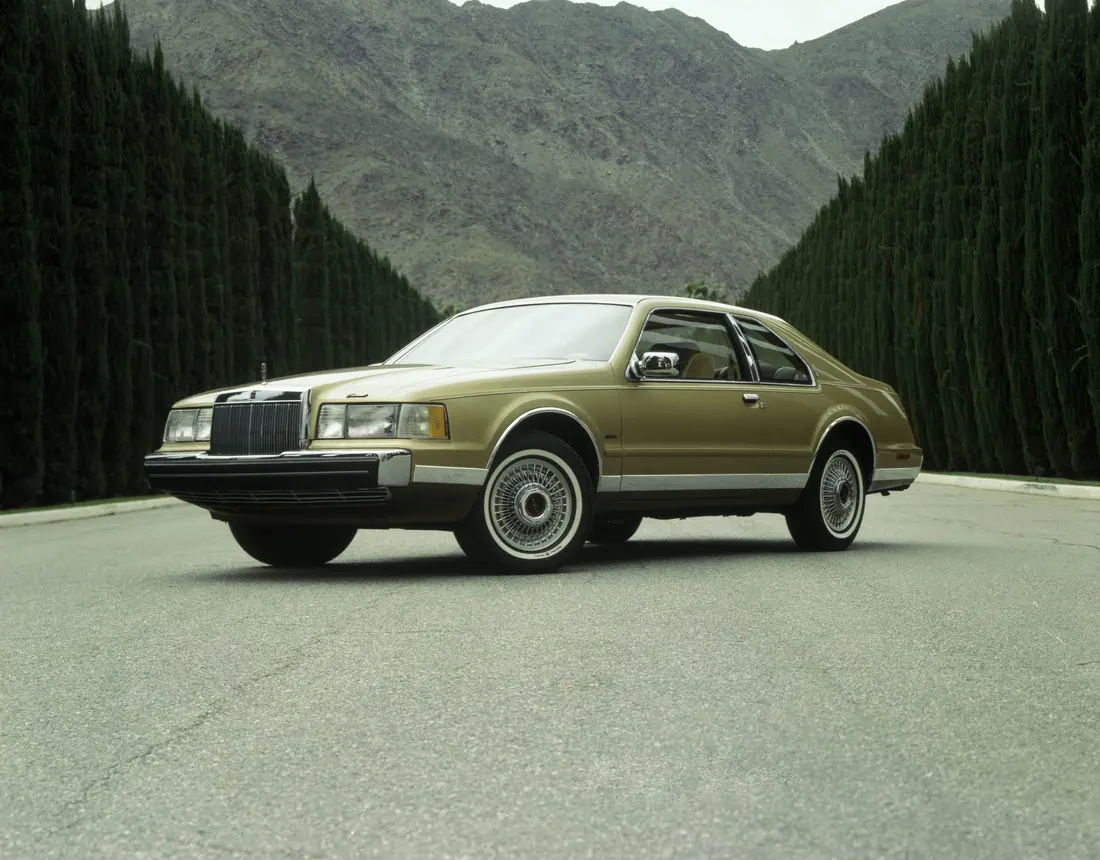
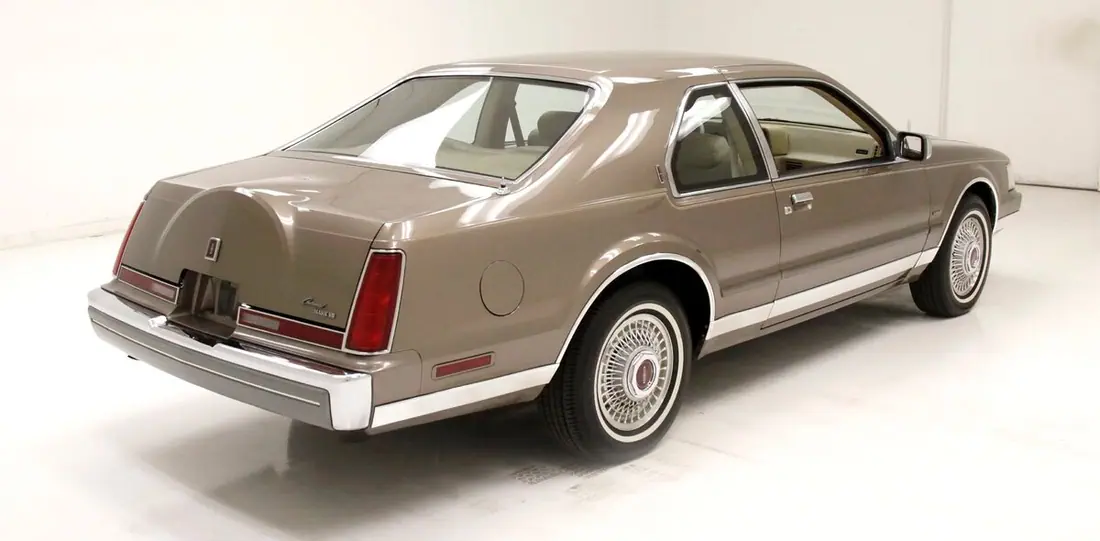
It's hard to imagine today, but there was a time when you could buy a Lincoln powered by a BMW diesel engine. For the 1984 and 1985 model years, the Lincoln Continental and Lincoln Mark VII were available with a German-built 2.4-liter inline-six turbodiesel, making them some of the most unconventional luxury cars Ford ever sold in the United States.
During the early 1980s, automakers were searching for ways to improve fuel economy. While General Motors pursued an in-house diesel program based on its small-block V8 architecture—an effort that ultimately struggled with reliability—Ford looked overseas for a proven solution. At the time, European manufacturers were widely regarded as leaders in passenger-car diesel technology.
The answer came from BMW. Under the hood of the 1984 Lincoln Continental and Mark VII was a 2.4-liter inline-six diesel producing 115 horsepower. By comparison, gasoline-powered Lincoln models of the era came standard with a 5.0-liter V8 rated between 150 and 180 horsepower.
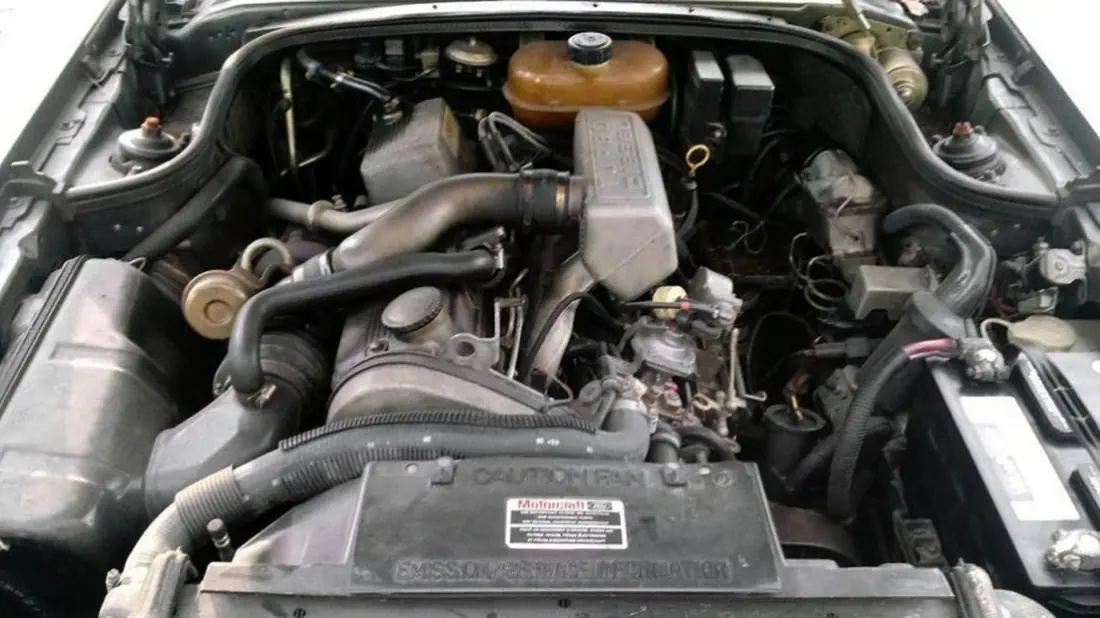
The diesel's main advantage wasn't speed—it was fuel economy. EPA-era efficiency was a major selling point, even though buyers had to accept a noticeable drop in performance.
With a four-speed ZF automatic transmission, the diesel-powered Continental accelerated from 0 to 60 mph in 13.9 seconds. V8-equipped versions completed the same sprint in well under 10 seconds, making them considerably quicker.
The Lincoln Continental was one of America's flagship luxury sedans for decades, competing with premium models from Cadillac while emphasizing comfort, quietness, and traditional American styling.
Lincoln's advertising for the Mark VII boldly compared the car with Mercedes-Benz, claiming, "Now Mercedes-Benz has something it didn't have before. Competition." The message was ambitious, although the comparison seemed ironic considering the Lincoln used a BMW-built inline-six diesel. At the time, buyers cross-shopping European luxury coupes were more likely to consider the BMW 633CSi, BMW 635CSi, or Mercedes-Benz 380SEC.
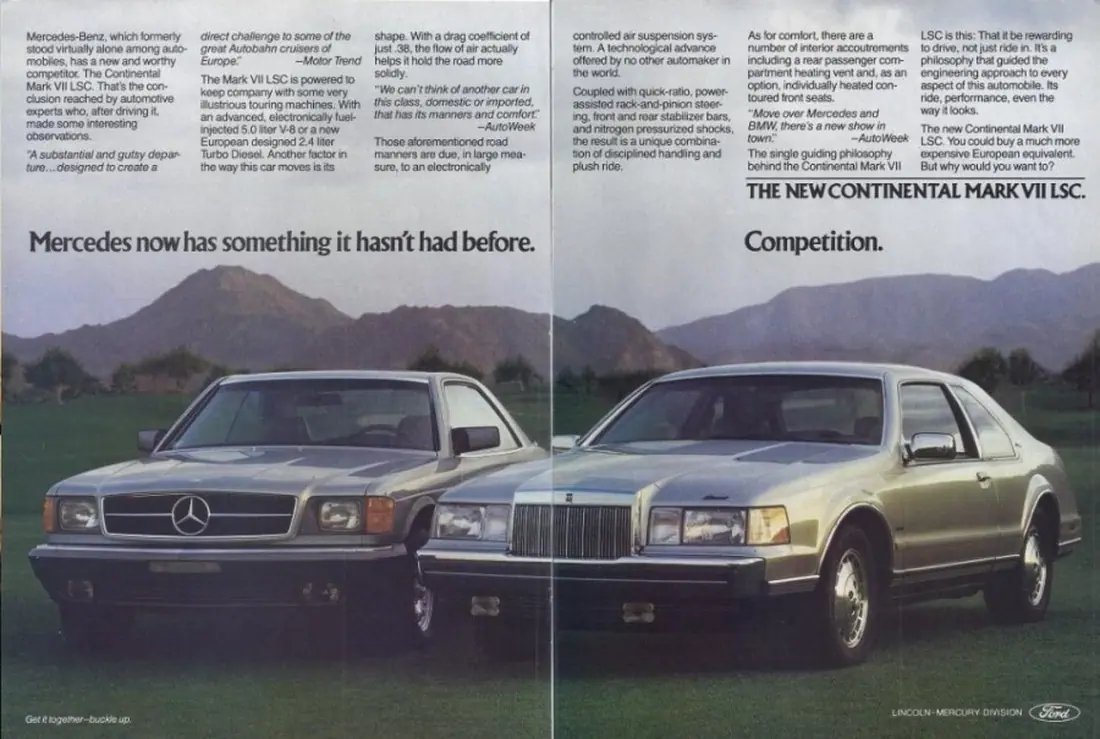
The Lincoln Mark VII introduced advanced technology for its era, including standard four-wheel air suspension and optional ABS, features that helped distinguish it from many domestic rivals.
Choosing the diesel engine wasn't inexpensive. It added approximately $1,235 to the sticker price, a significant premium in the mid-1980s.
Lincoln discontinued the BMW diesel option after the 1985 model year. Production is believed to have totaled somewhere between 500 and 1,500 vehicles, making these cars exceptionally rare today.
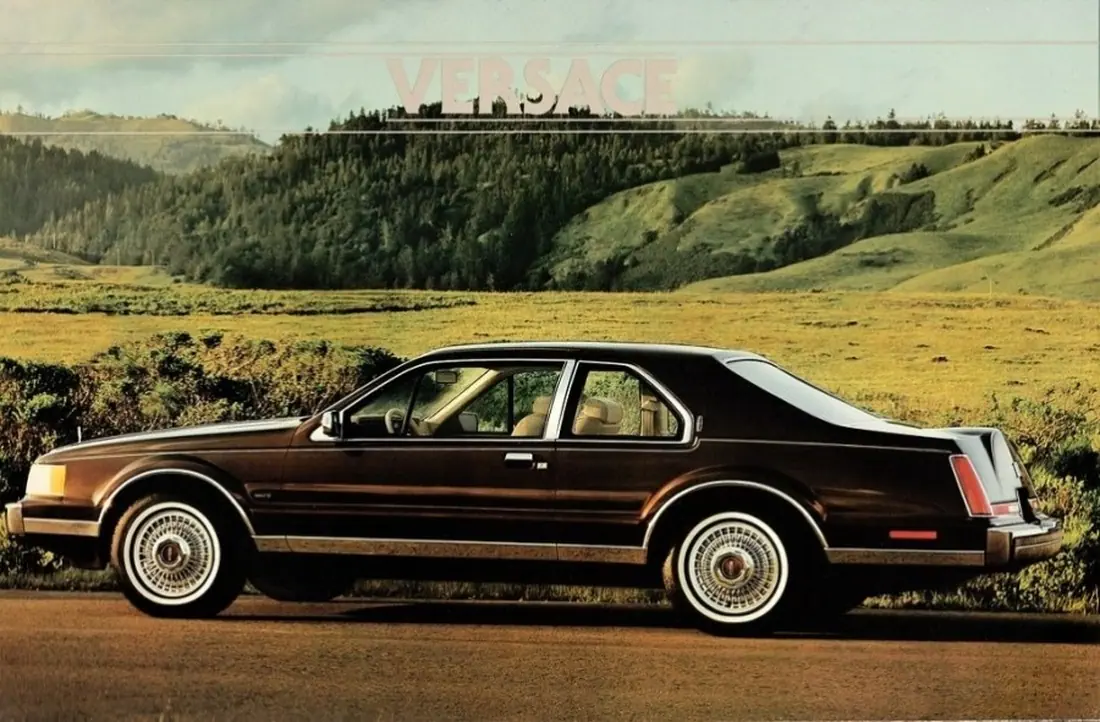
Despite their rarity, diesel-powered Continental and Mark VII models haven't become blue-chip collectibles. Depending on condition, they typically trade for roughly $2,000 to $13,000 in today's collector market, making them an affordable curiosity for enthusiasts interested in unusual chapters of American automotive history.
You may also be interested in the news:
Toyota Built It to Survive 300,000 Miles. Tuners Turned It Into a 2,000-HP Beast
Toyota engineers may have gone too far with durability — and accidentally created the ultimate engine for hot-rodding.
How Much Did American Cars Cost in the 1950s, and Who Could Afford Them?
American cars of the 1950s were large, powerful, and heavily chromed, but how much did they actually cost, and who could afford them?
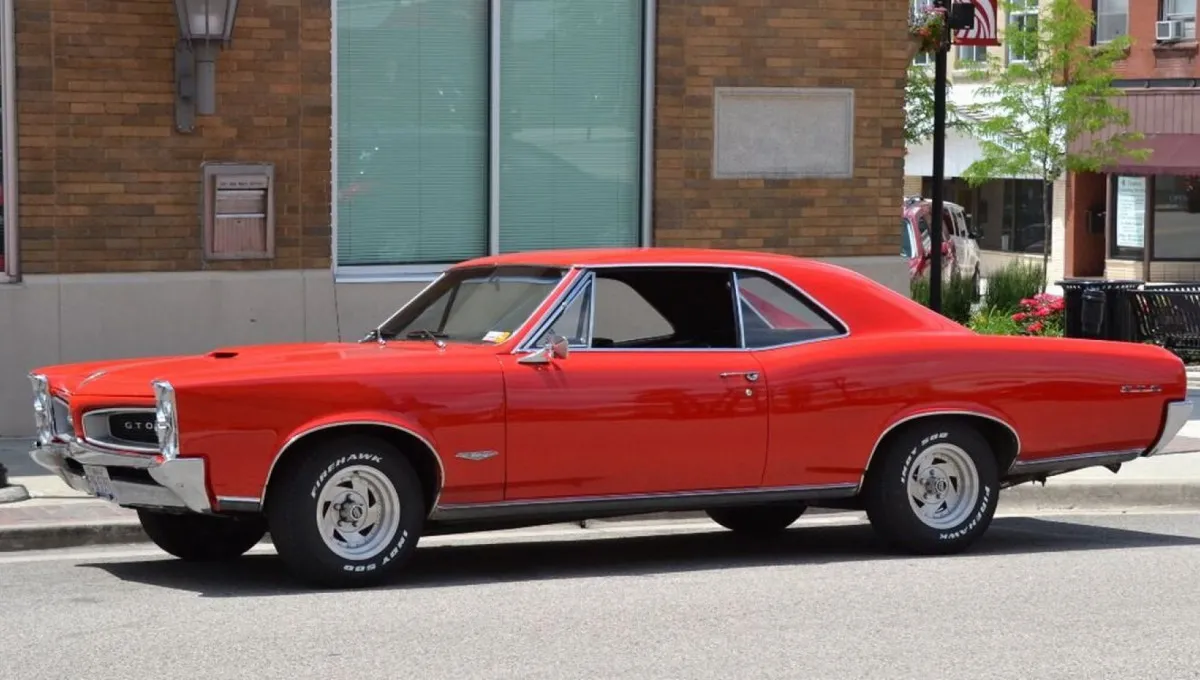
Pontiac GTO — Every American Teenager’s Dream in the 1960s
In 1964, Pontiac created a new kind of American performance car by putting a big-block V8 into the Tempest and launching the muscle car era.

The Worst Cars in the World: A History of Automotive Failures and Disappointments
The auto industry has produced countless groundbreaking models, but some cars became infamous for all the wrong reasons.
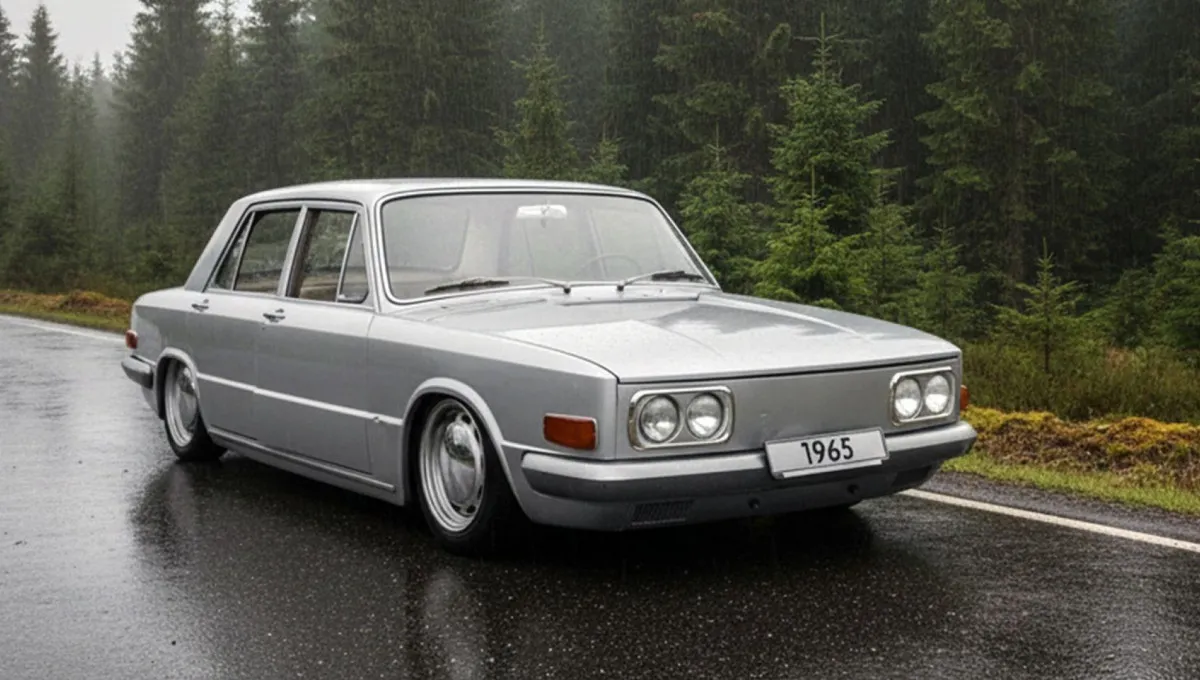
“VW on the Outside, Porsche Underneath”: The Story of the Failed EA-128 Sedan
A little-known Volkswagen prototype combined a large sedan body with Porsche 911 hardware in an attempt to enter the upscale market.