
Chevrolet ZL1 Engine: The True American V8
Few engines have earned as much respect from American racers and everyday enthusiasts as Chevrolet's legendary ZL1 big-block V8.
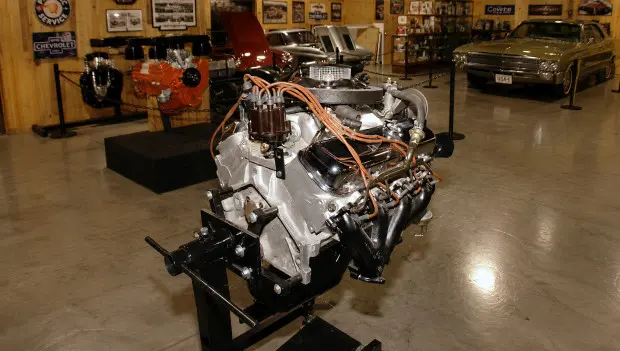
Few engines have earned as much respect from American racers and everyday enthusiasts as the ZL1. Created by a small group of power-obsessed engineers working within General Motors, it became one of the finest examples of cutting-edge engineering of its era.
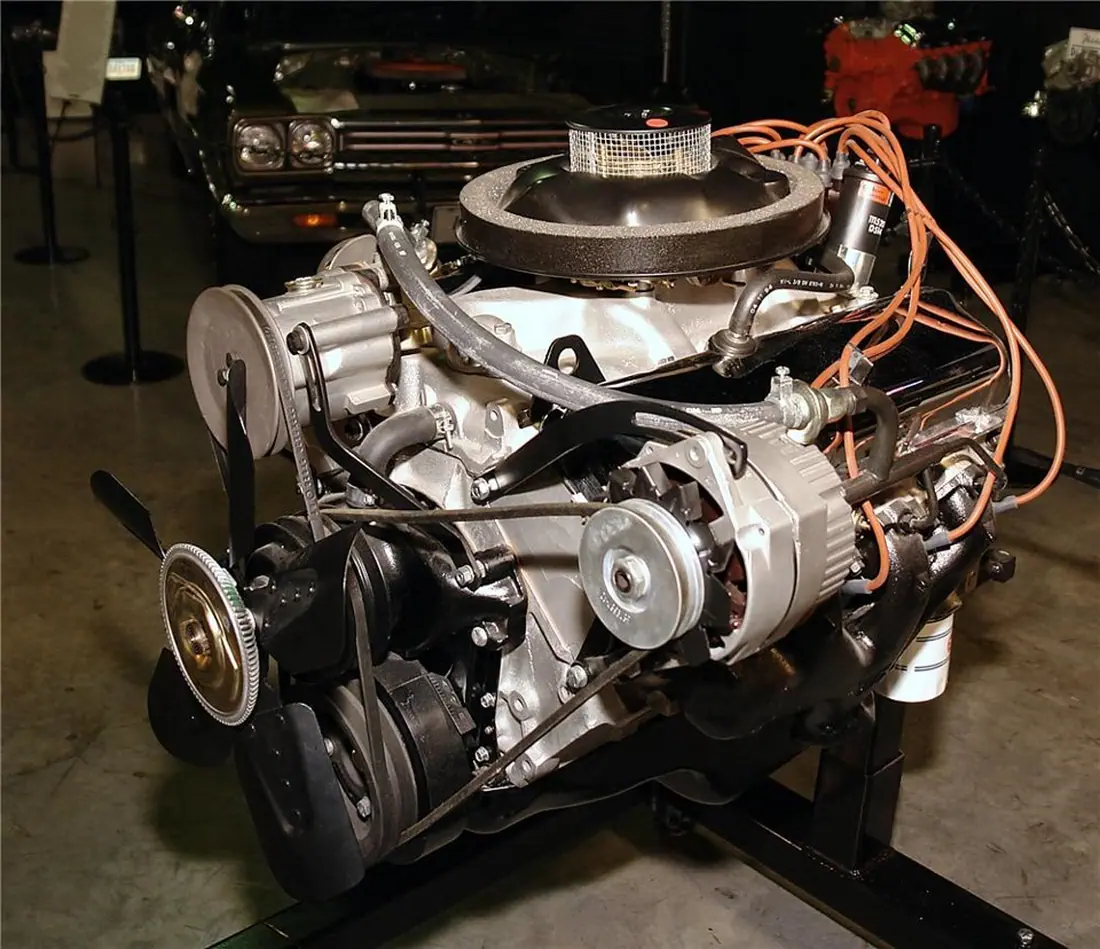
The ZL1 was never originally intended for production Corvettes or Camaros. It was built for racing. In 1966, Chevrolet lost its competitive edge in the Can-Am Championship, and reclaiming the top spot required a powerful V8 engine. An extremely powerful one. The block also had to deliver exceptional durability. Engineers faced another challenge, however: cast-iron blocks were strong but heavy, hurting the handling of sports prototypes. The solution was to use aluminum for the engine block, cylinder heads, intake manifold, and most other major components. In 1967, the new 427-cubic-inch engine made its successful debut in the Chaparral 2F prototype.
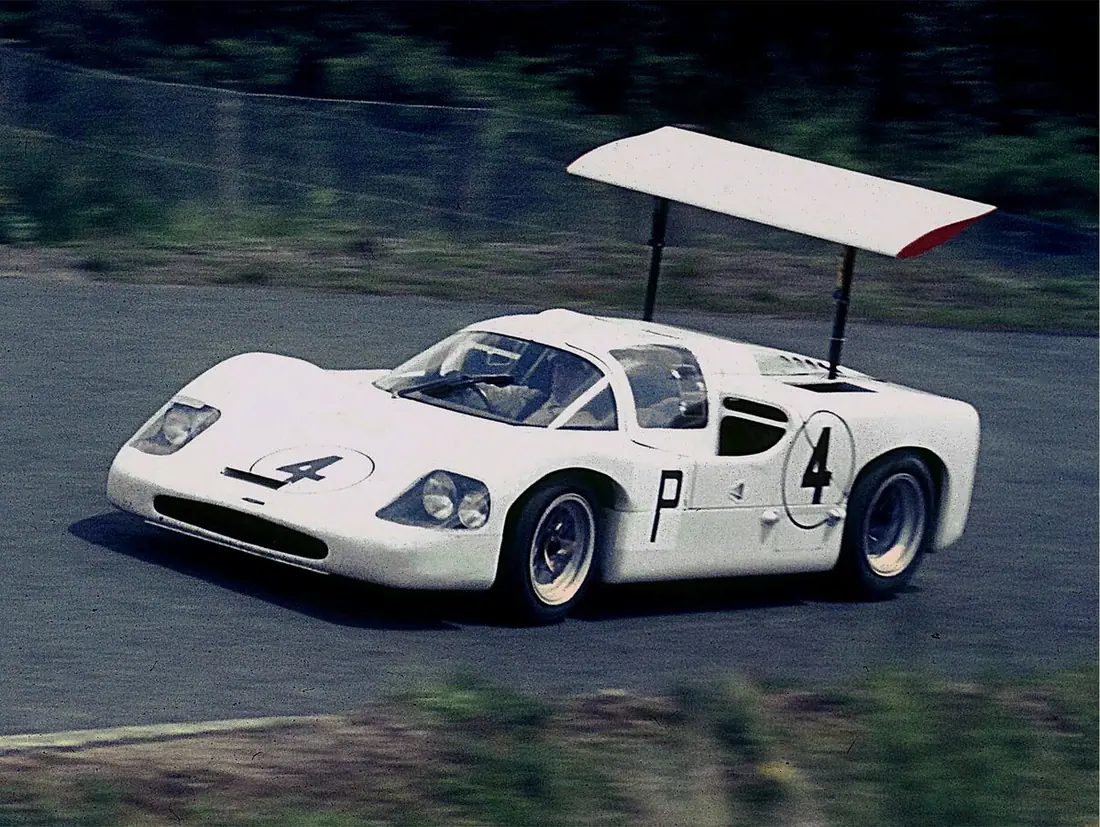
The engine set a lap record in its very first race, and Chevrolet's factory racing department immediately began receiving orders from other teams. Looking ahead, the ZL1 became the standard powerplant for Can-Am prototypes for several seasons. It also served as the foundation for remarkable racing engines with displacements of up to 519 cubic inches and outputs approaching 930 horsepower. Naturally, the ZL1 had to be homologated for street use. In 1969, it found its way under the hood of the Camaro and Corvette.
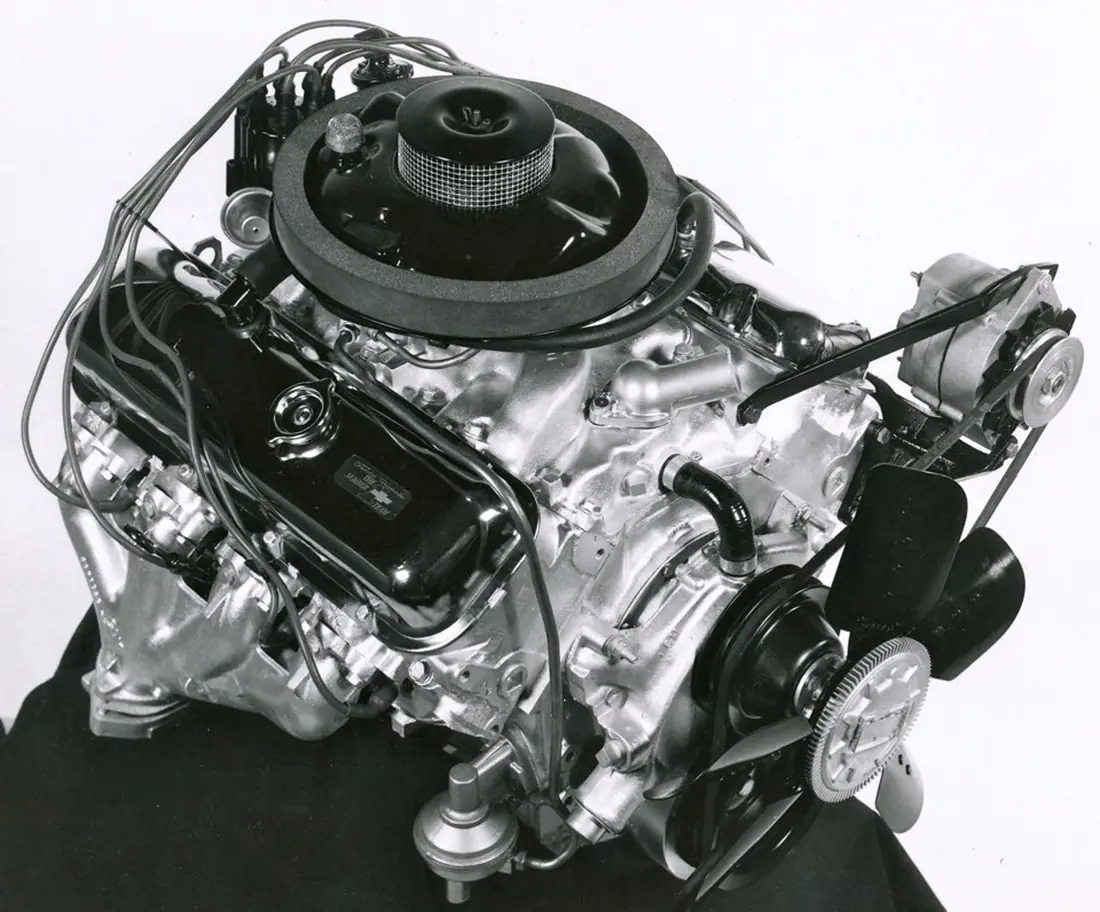
At that point, GM headquarters had issued a policy prohibiting production cars from using engines larger than 400 cubic inches. But there was a loophole. Buyers could order the engine through the Central Office Production Order, or COPO, program, which was intended for special-purpose vehicles such as taxis, trucks, and vehicles with non-standard wheelbases. Hot rodders quickly discovered that the program could bypass the Camaro restriction. Anyone wanting a ZL1 simply ordered COPO 9560 with either the AA code for the four-speed manual transmission or the BA code for the automatic.
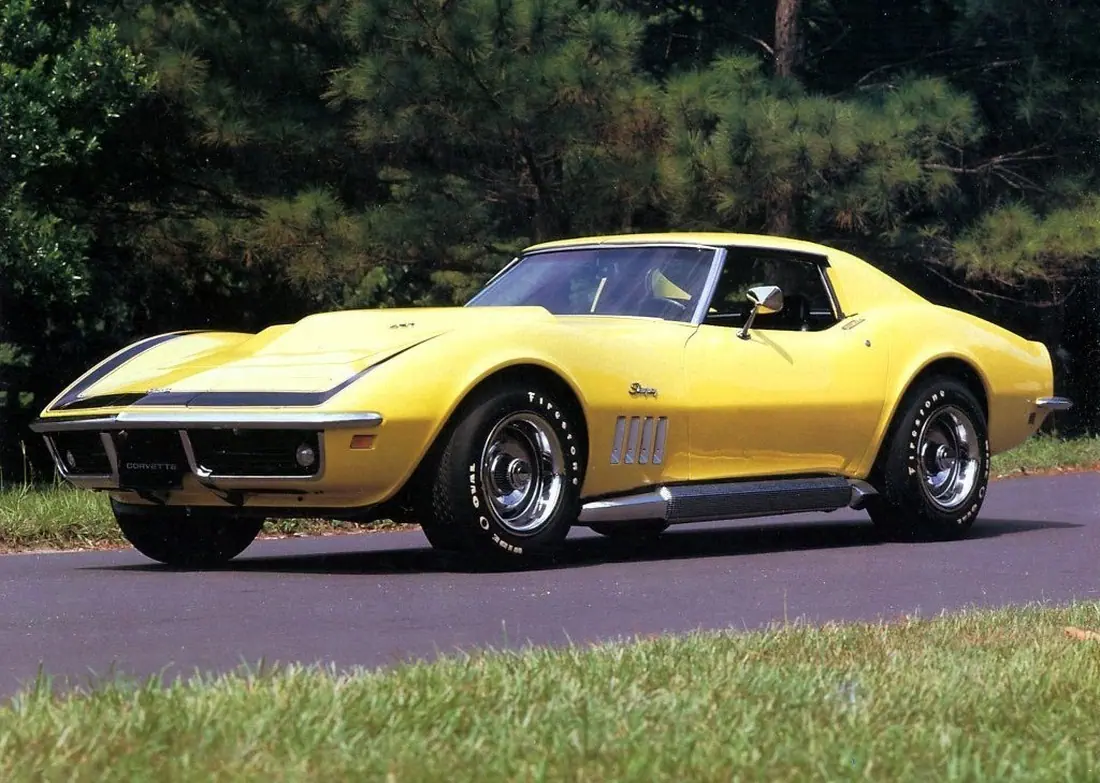
Before the ZL1 reached the street, several changes were made compared with the racing version. The dry-sump lubrication system was replaced with a conventional wet-sump setup using a mechanically driven oil pump. The camshaft received timing better suited for everyday driving, while the production exhaust system significantly reduced noise. In total, 90 factory-built engines were produced. Of those, 69 were installed in the famous COPO Camaros, two went into Corvettes—a C3 ZL1 coupe and convertible—two remained in the 9567 prototypes, and 17 were shipped as crate engines. The challenge was finding enough buyers. NHRA Stock class rules required at least 50 engines to be produced. Chevrolet instructed its dealers to help meet that requirement. Racer and successful Chevrolet dealer Fred Gibb ordered the necessary quantity. Confident he could sell them all, and backed by his friendship with GM Vice President Pete Estes, Gibb paid $5,200 for each engine—an enormous amount of money even by today's standards. He succeeded, and before long the aluminum big-blocks had found homes across the country.
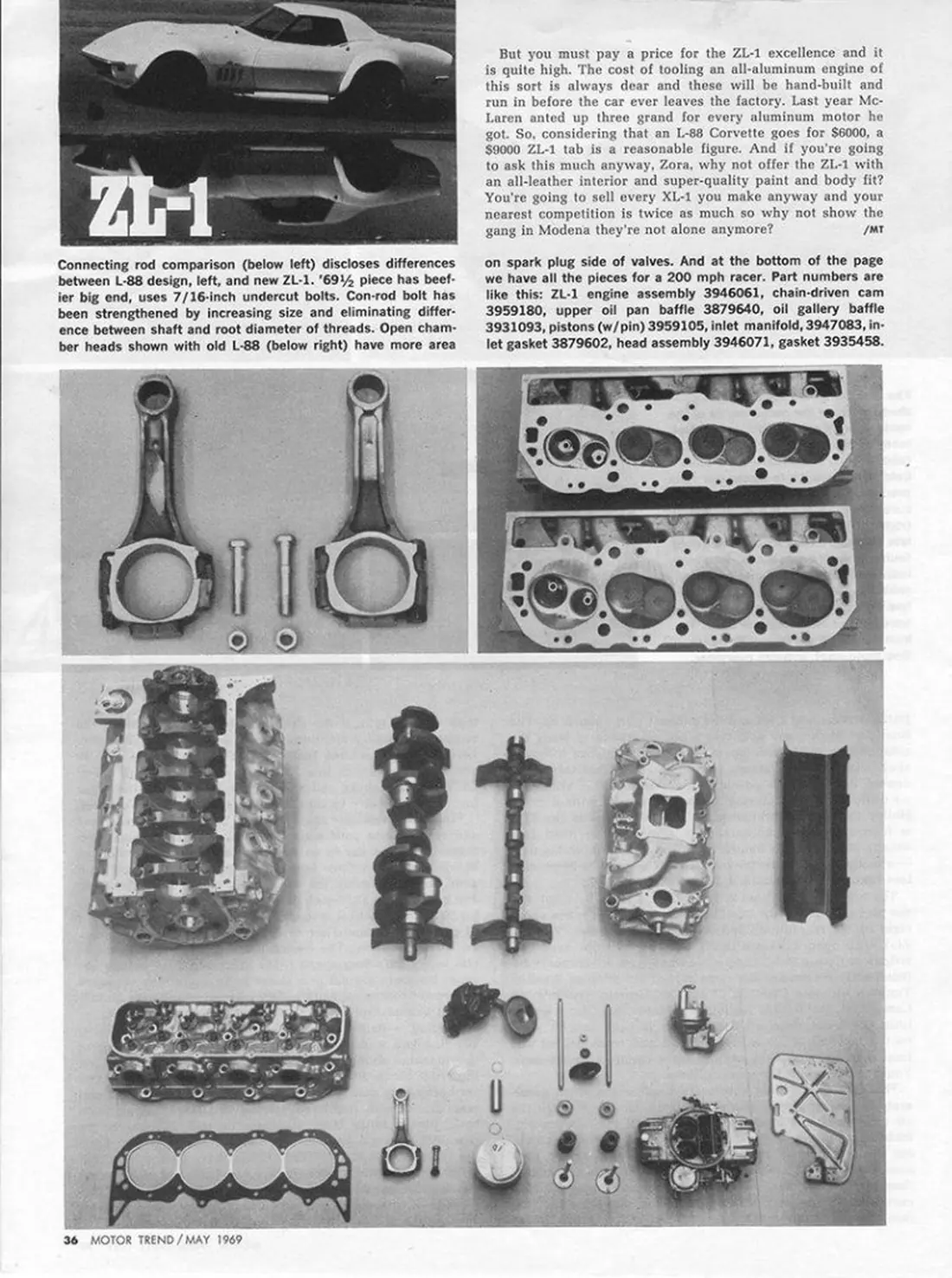
What made the ZL1 so special? Its advanced design combined an all-aluminum block and cylinder heads, a single high-performance carburetor, a 12.5:1 compression ratio, and 427 cubic inches of displacement. Chevrolet officially rated the street engine at 430 horsepower, but that figure was widely believed to be understated. The engine's racing heritage could not be hidden simply by installing a quieter exhaust system. Independent dyno testing reported by several automotive magazines suggested that the engine produced as much as 585 horsepower at the rear wheels. That brings us to several third-generation Chevrolet Corvettes equipped with ZL1 engines for private buyers. One white example was personally modified by Zora Arkus-Duntov, while a red car was prepared by engineer Gib Hufstader. A third racing Corvette belonged to John Greenwood. In 1973, Greenwood's ZL1-powered Corvette, producing 750 horsepower at 6,500 rpm, reached 215 mph on the Mulsanne Straight, setting a new GT-class speed record. The two street cars were later sold. It is interesting to imagine what driving a 585-horsepower Corvette must have been like, considering that even second-generation Corvettes equipped with the racing-derived L88 engine, rated between 450 and 500 horsepower in street trim, could exceed 162 mph.
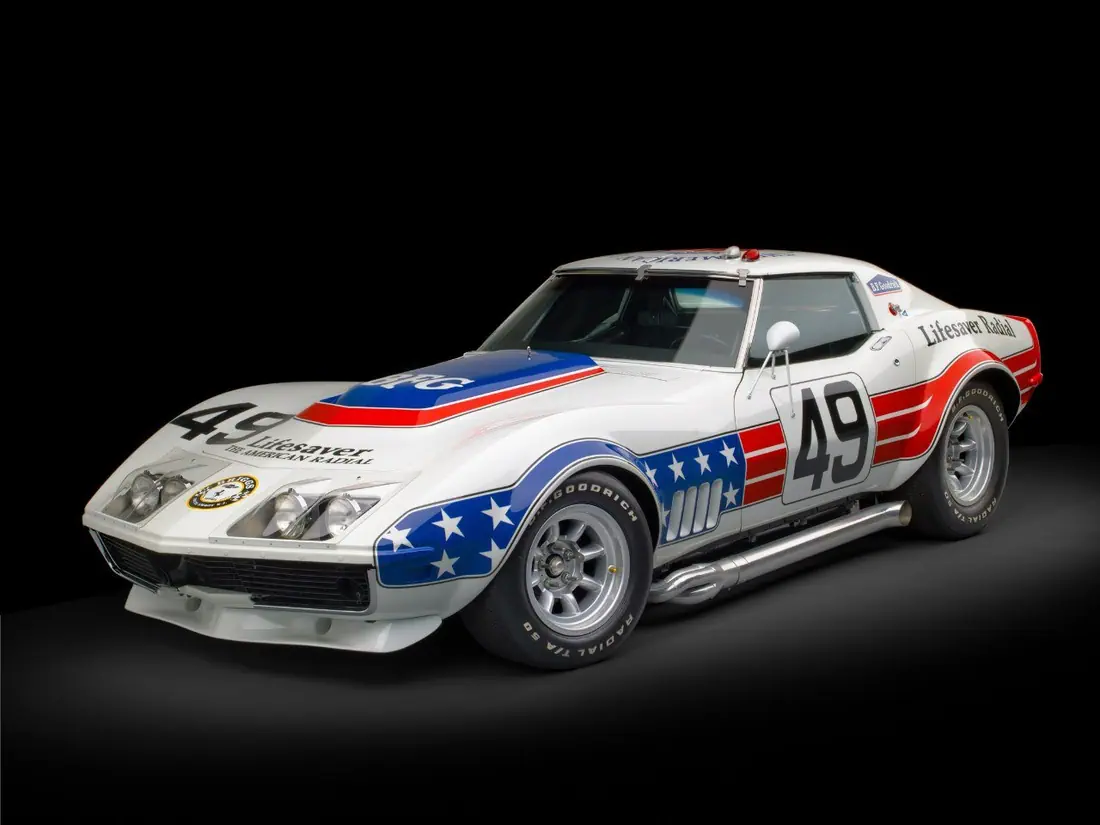
In 1967, a California Chevrolet dealership entered Corvette Sting Ray C2 No. 9 with a ZL1 engine in the 24 Hours of Le Mans GT class. On the Mulsanne Straight, the Corvette reached 171 mph—22 mph faster than the Ferrari 275 GTB/C despite being considerably heavier. With the improved aerodynamics of the C3, even greater speeds seemed possible. A single ZL1 engine was so expensive that buyers could instead purchase a fully loaded Corvette with a less powerful engine for roughly the same money. Even so, the ZL1 was never meant to be judged as an ordinary production engine. It was comparable to Porsche taking the engine from the 935 "Moby Dick," building a handful of slightly detuned versions, and installing them in regular 911 coupes. This was a true racing engine. It dominated the Can-Am Series until the arrival of Porsche's turbocharged flat-12-powered 917/10 and 917/30.
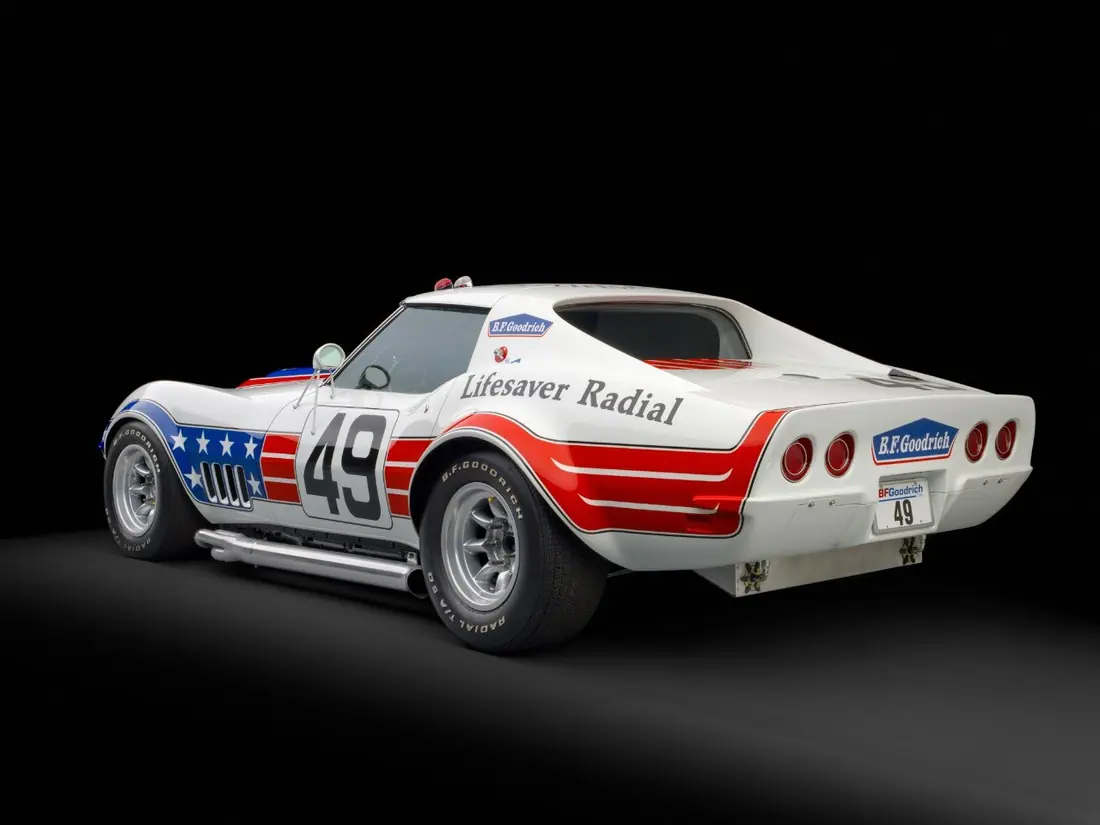
It is also impossible to overlook John Greenwood's astonishing "Spirit of Le Mans," which competed in the 1976 race. Powered by a 598-cubic-inch ZL1 producing 1,000 horsepower, it reached a top speed of 217 mph before retiring with a tire failure. It is unfortunate Chevrolet did not continue developing the program or expand into additional racing series. Still, the ZL1 accomplished its primary goal by demonstrating the company's engineering potential. Today, original ZL1 engines are valued at well over several hundred thousand dollars. Many continue competing in historic Can-Am events and land-speed competitions, while enthusiasts still build faithful replicas of original C3 Corvettes powered by this legendary engine.
American facts
Chevrolet Camaro ZL1 COPO
Only 69 COPO Camaro ZL1s were factory-built for 1969, making them among the rarest and most valuable production Camaros ever sold in the United States.
Chevrolet Corvette C3 ZL1
Only two production C3 Corvettes received factory-installed ZL1 engines, making them among the rarest Corvettes ever built.
Chevrolet Corvette Sting Ray C2
The second-generation Corvette introduced independent rear suspension, dramatically improving handling and establishing the Sting Ray as a world-class American sports car.
You may also be interested in the news:
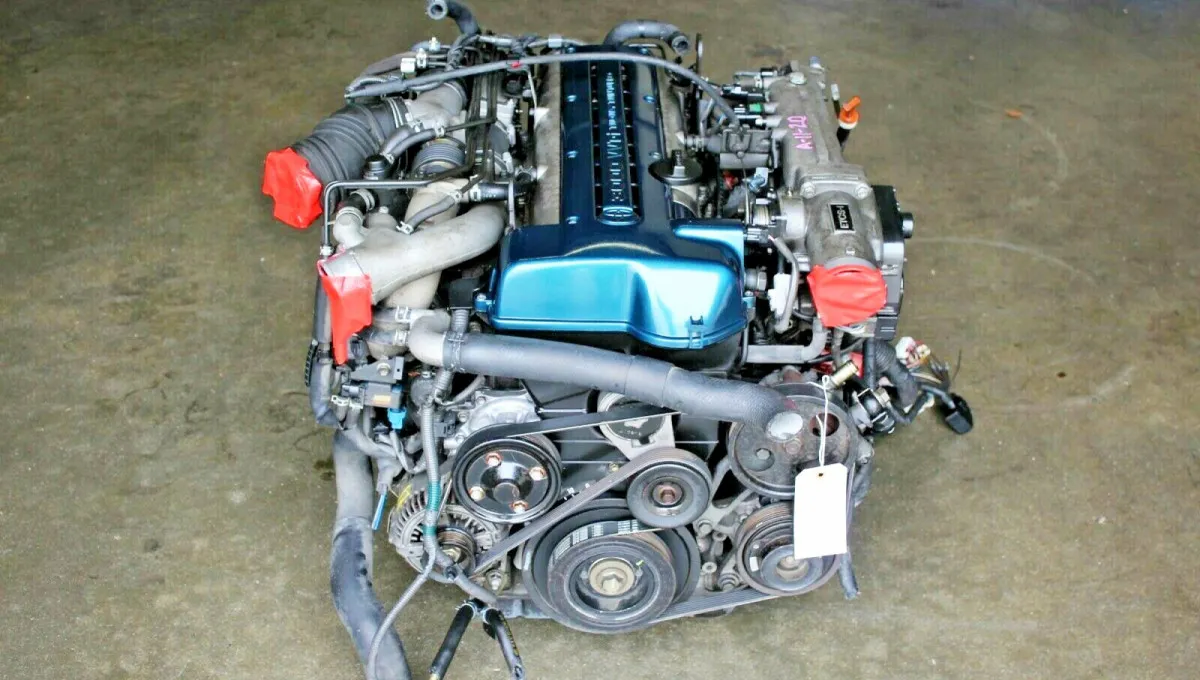
Toyota Built It to Survive 300,000 Miles. Tuners Turned It Into a 2,000-HP Beast
Toyota engineers may have gone too far with durability — and accidentally created the ultimate engine for hot-rodding.
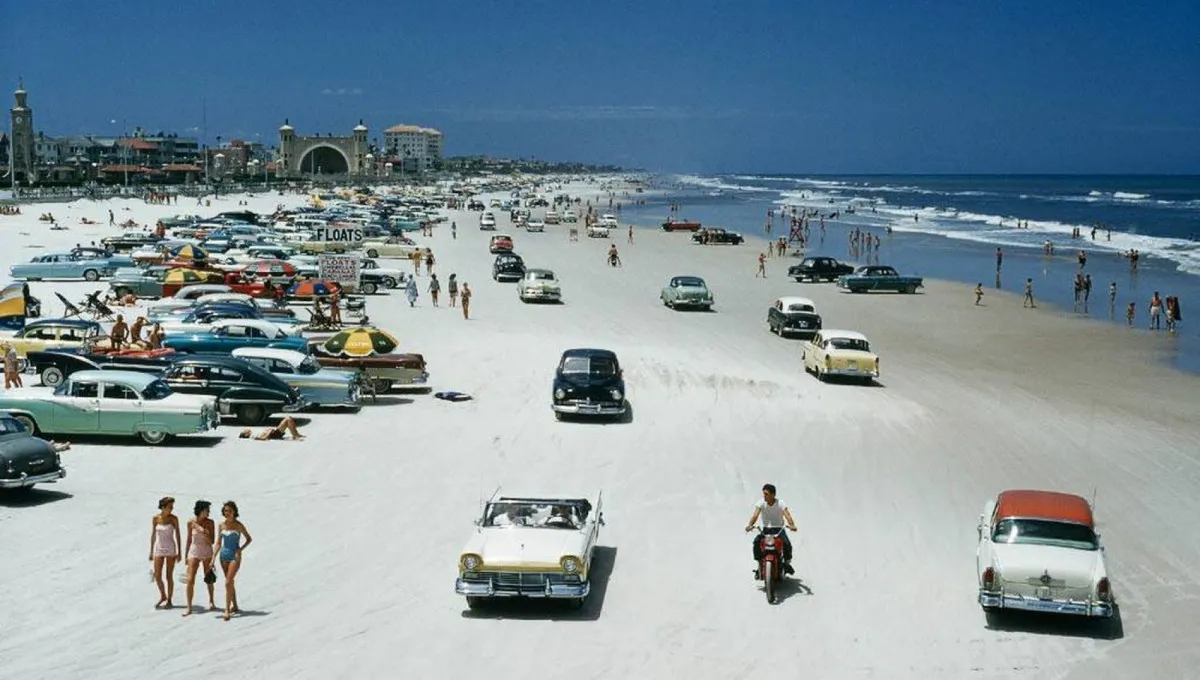
How Much Did American Cars Cost in the 1950s, and Who Could Afford Them?
American cars of the 1950s were large, powerful, and heavily chromed, but how much did they actually cost, and who could afford them?
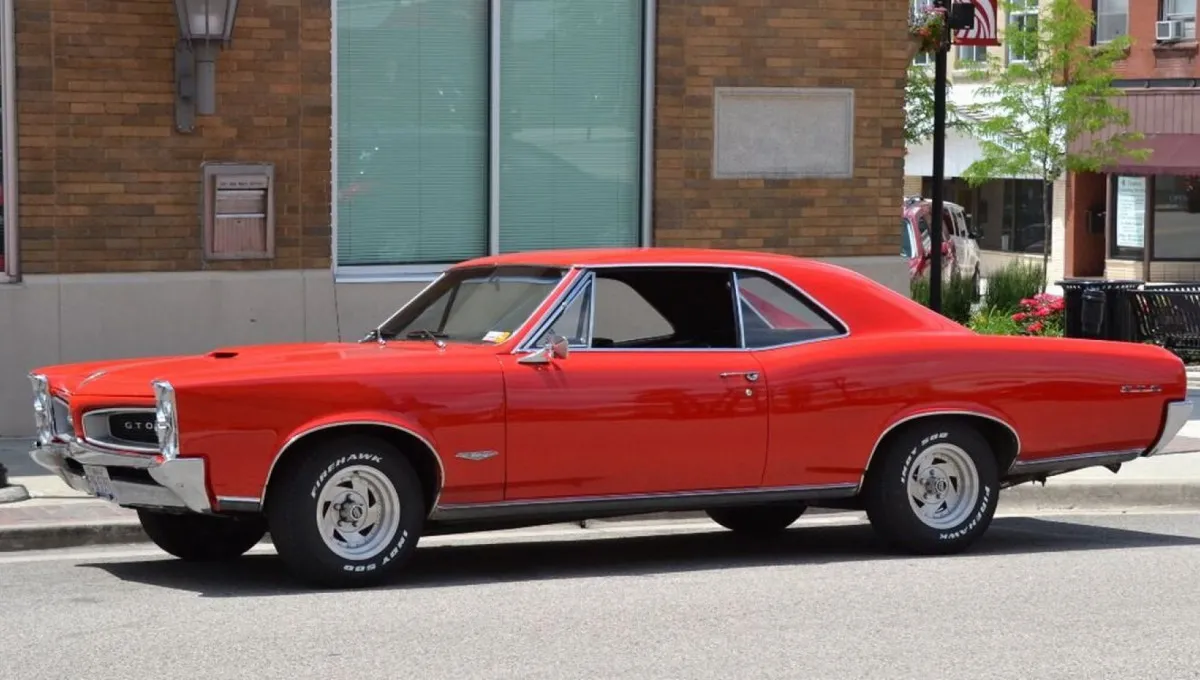
Pontiac GTO — Every American Teenager’s Dream in the 1960s
In 1964, Pontiac created a new kind of American performance car by putting a big-block V8 into the Tempest and launching the muscle car era.

The Worst Cars in the World: A History of Automotive Failures and Disappointments
The auto industry has produced countless groundbreaking models, but some cars became infamous for all the wrong reasons.
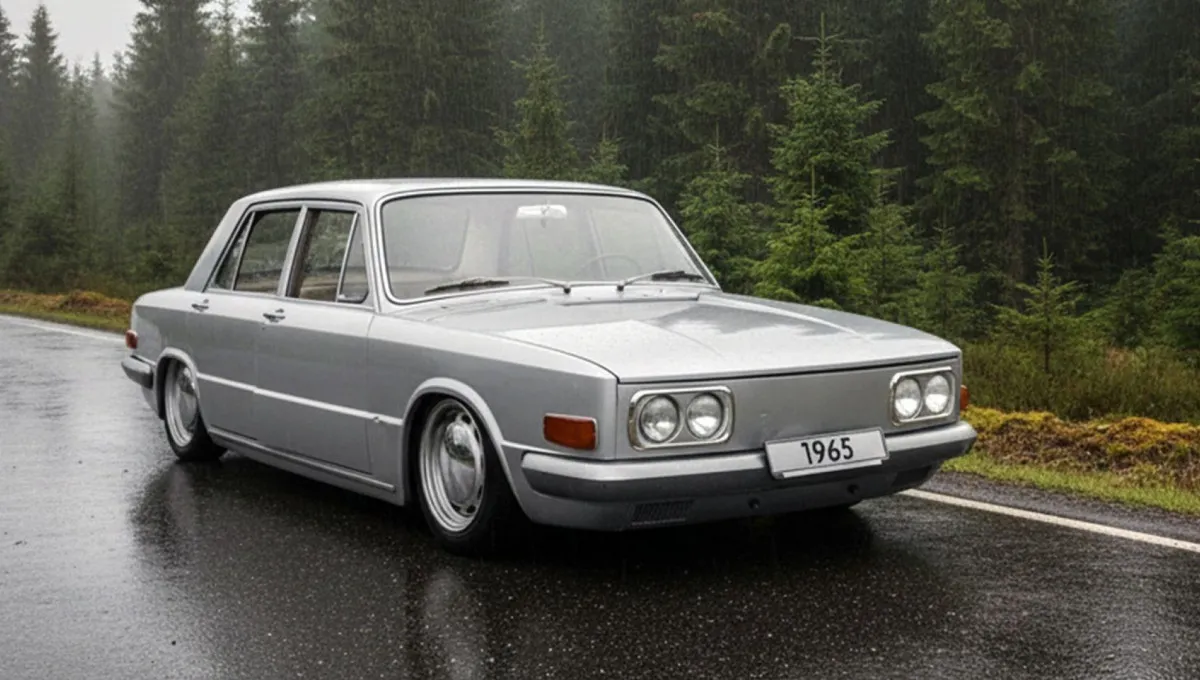
“VW on the Outside, Porsche Underneath”: The Story of the Failed EA-128 Sedan
A little-known Volkswagen prototype combined a large sedan body with Porsche 911 hardware in an attempt to enter the upscale market.