
What AWD Really Means and How It Differs From Traditional 4WD Systems
Modern AWD systems promise extra traction and easier driving, but they work very differently from traditional off-road four-wheel drive setups.
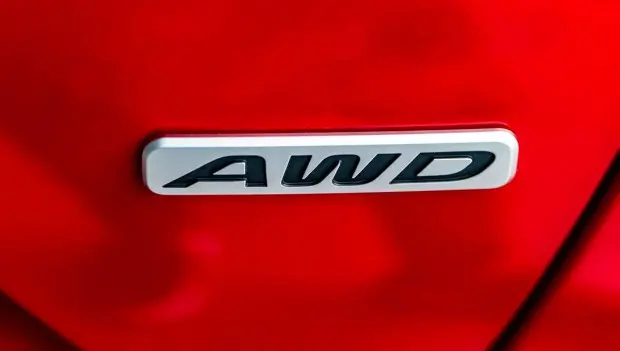
All-wheel drive has become one of the most popular features on modern crossovers and SUVs. For many drivers, AWD means extra confidence in snow, rain, and light off-road conditions. But not every four-wheel-drive system works the same way, and the differences matter more than most buyers realize.
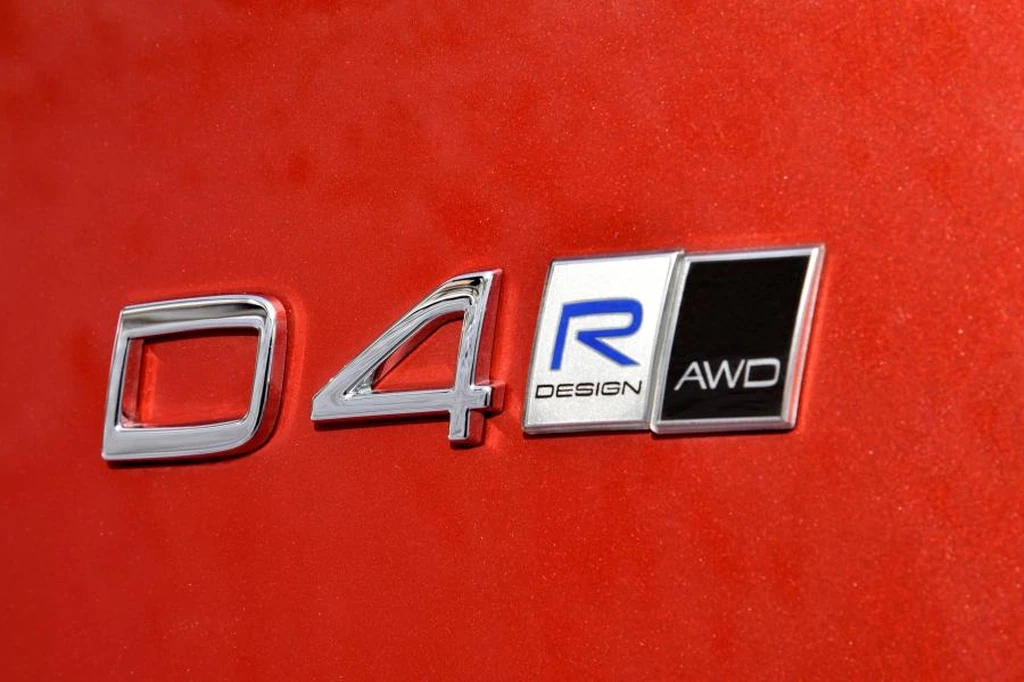
The AWD badge found on many vehicles stands for “All-Wheel Drive,” though today the term is more closely associated with automatic all-wheel-drive systems controlled by onboard computers.
Unlike traditional 4WD setups, AWD systems constantly monitor traction and automatically decide when power needs to be sent to all four wheels. Drivers don’t usually have to push buttons or manually switch modes.
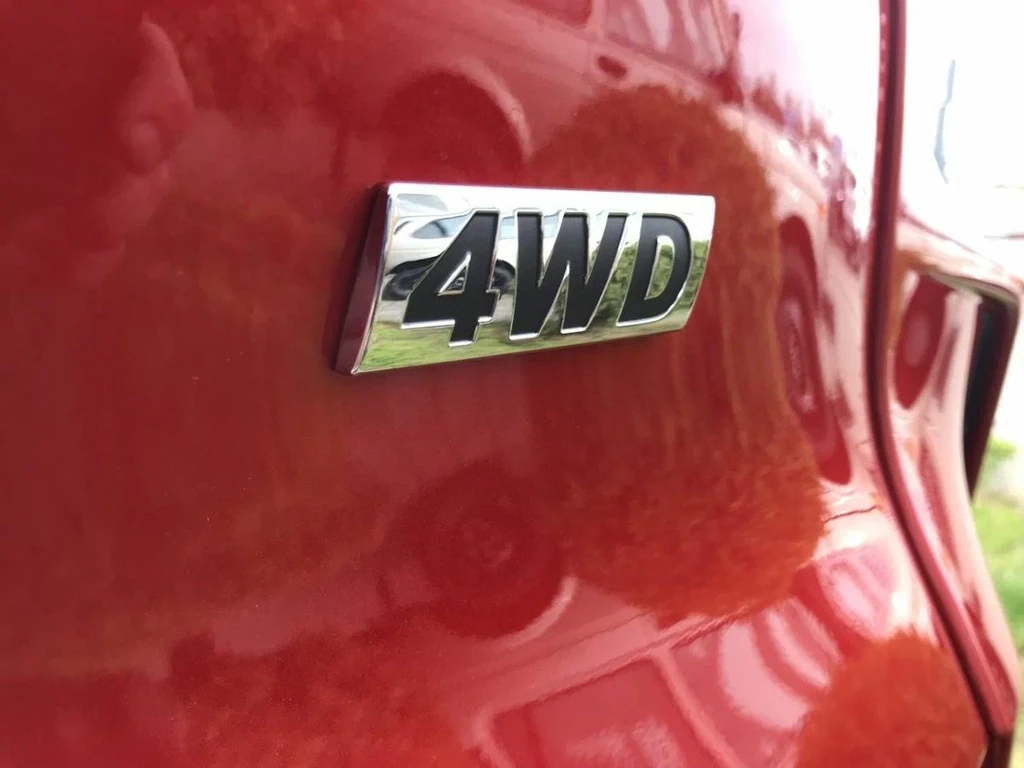
There are three main types of four-wheel-drive systems used in modern vehicles: Full-time 4WD, Part-time 4WD, and AWD.
Full-time 4WD is the classic setup found in serious off-road SUVs like the Toyota Land Cruiser and Land Rover Defender. In these systems, power is always distributed to all four wheels. A center differential manages torque between the front and rear axles, helping the vehicle maintain traction on everything from dry pavement to snow and mud.
These systems are excellent off-road and provide strong stability on highways, but they’re expensive, heavy, and usually less fuel-efficient because all four wheels remain driven full-time.
Part-time 4WD is simpler and more common on traditional trucks and older SUVs. Under normal driving, power goes to either the front or rear axle only. Drivers manually engage four-wheel drive when extra traction is needed.
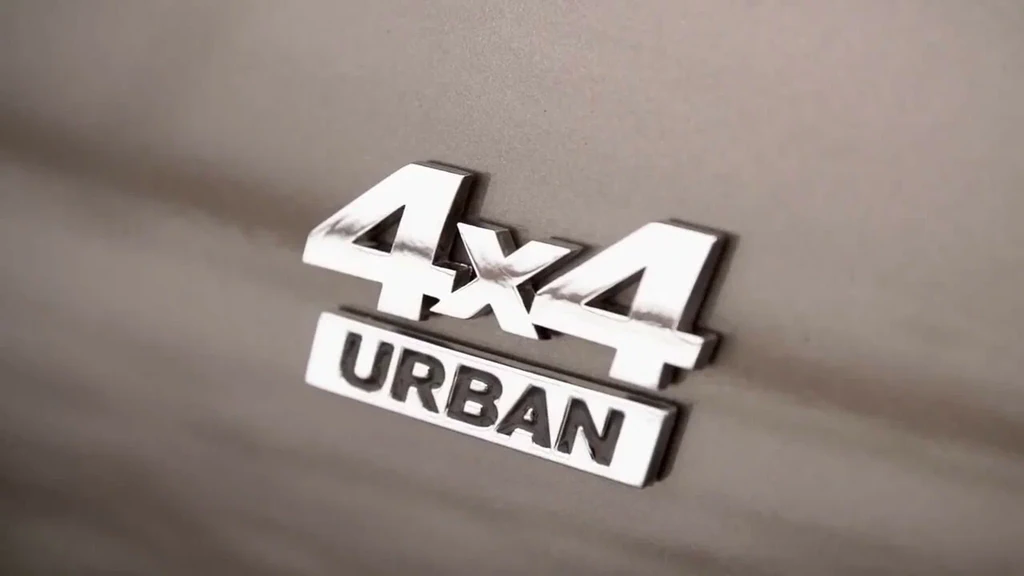
Because these systems typically lack a center differential, front and rear axles lock together in a fixed 50/50 power split. That works well in mud, dirt, or deep snow, but prolonged use on dry pavement can damage drivetrain components.
That’s one reason many automakers have shifted toward AWD systems in recent years.
AWD acts as a middle ground between hardcore 4WD hardware and everyday practicality. Most AWD vehicles operate primarily as front-wheel-drive models during normal driving to save fuel. If wheel slip is detected, a computer-controlled clutch quickly transfers power to the wheels with the most grip.
The system reacts almost instantly, helping drivers maintain control on slippery roads without needing special driving skills.
Modern AWD systems are also lighter and cheaper to maintain than traditional full-time 4WD setups. They work with gasoline engines, hybrids, diesel vehicles, and EVs alike.
Still, AWD has limits. Most crossovers equipped with AWD are designed for snow-covered roads, gravel, and mild trails — not extreme rock crawling or deep mud. Some cheaper AWD systems can overheat if forced to operate continuously in difficult terrain.
Another drawback is that many AWD systems rely heavily on electronics rather than heavy-duty mechanical hardware. Software tuning and brake-based traction controls can imitate locking differentials surprisingly well, but they aren’t always as effective as dedicated off-road equipment.
For most American drivrs, though, AWD delivers the balance they actually need: better traction, safer winter handling, lower fuel costs, and none of the hassle assocated with traditional truck-style 4WD systems.
You may also be interested in the news:
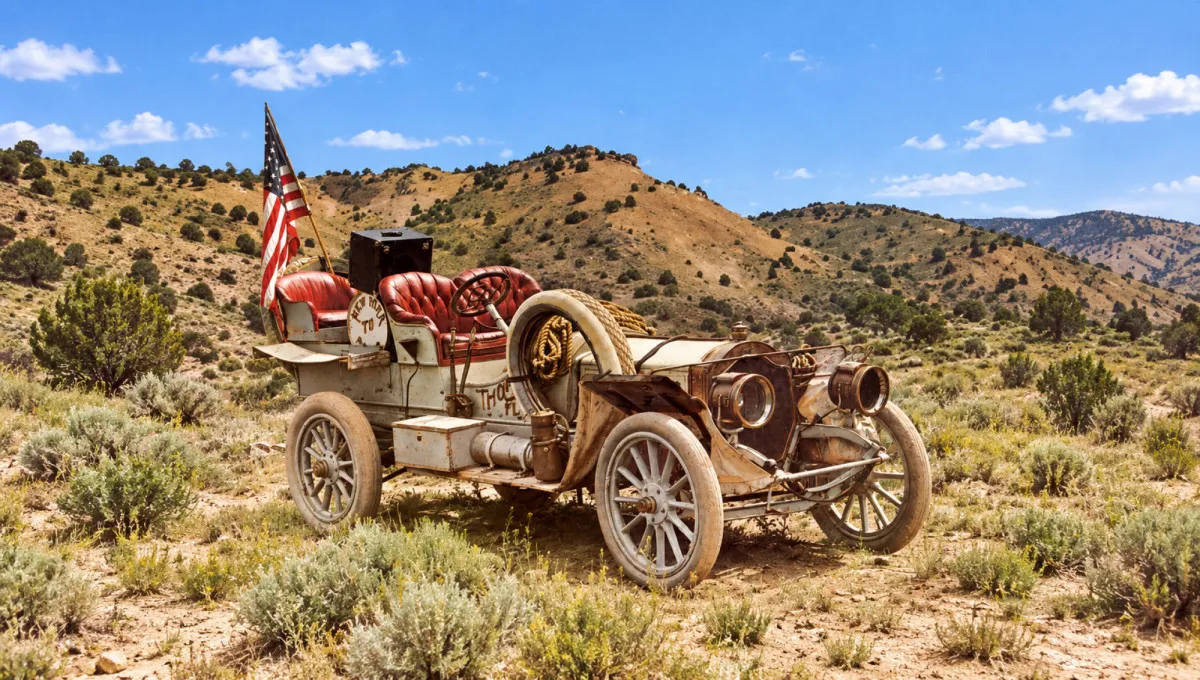
No Roads, No Map, No Car: The $50 Bet That Sent a Doctor Across America
In 1903, one doctor bet $50 he could drive from San Francisco to New York.
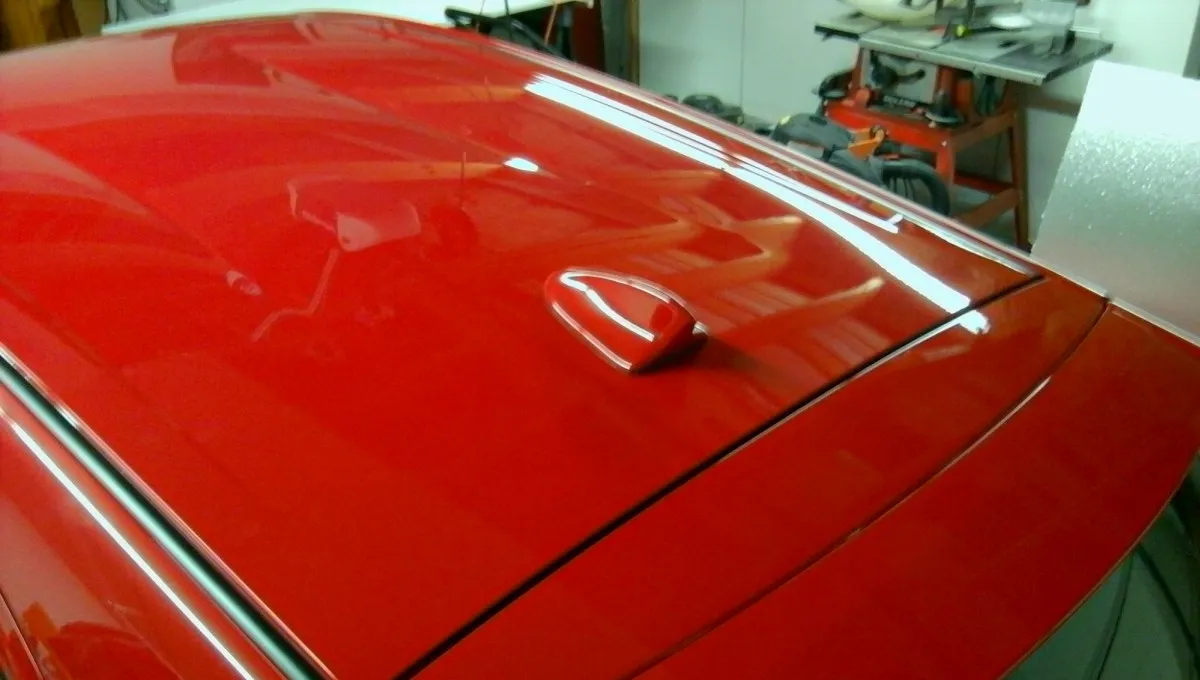
Small Fin, Big Job: Why Your Car’s Shark Fin Is More Than Just a Styling Trick
The small fin on your car's roof may look decorative, but it actually serves several important technical purposes.

Test Yourself: Toyota’s Famous “Oh, What a …” Slogan — Can You Finish It?
Can You Finish Toyota’s Most Famous Slogan? Millions of Americans Heard This One Growing Up
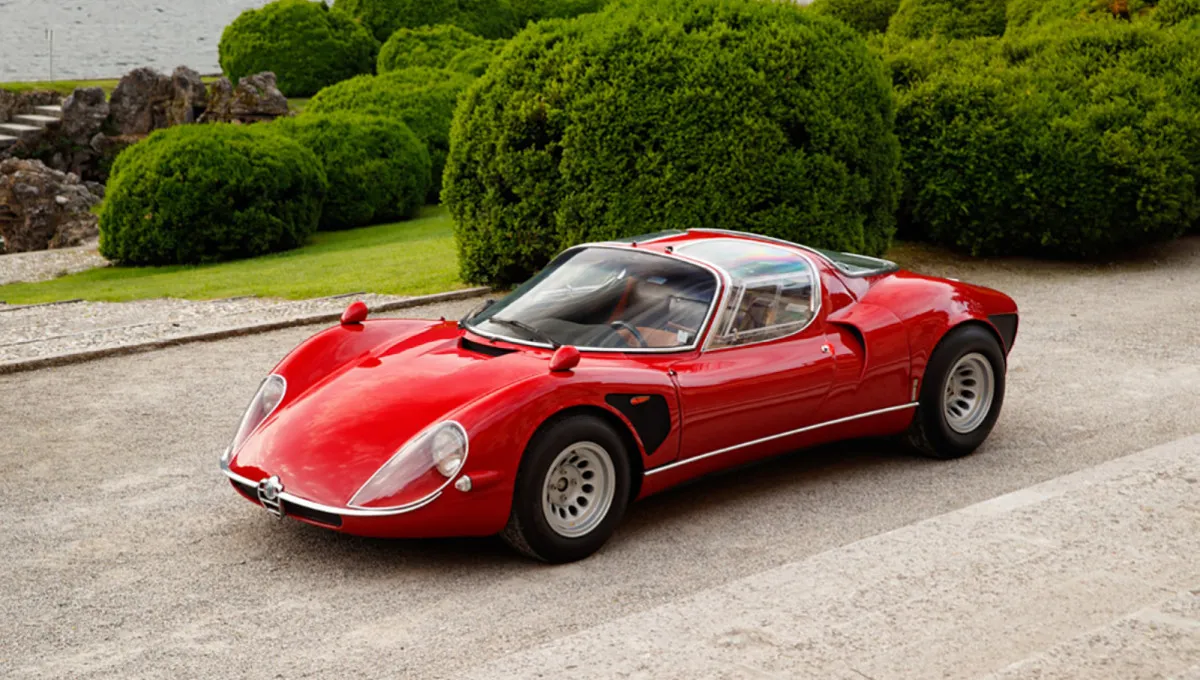
10 Rare Cars From Famous Brands You Probably Never Knew Existed
Some automakers built rare models that vanished into history, leaving collectors chasing them decades later.
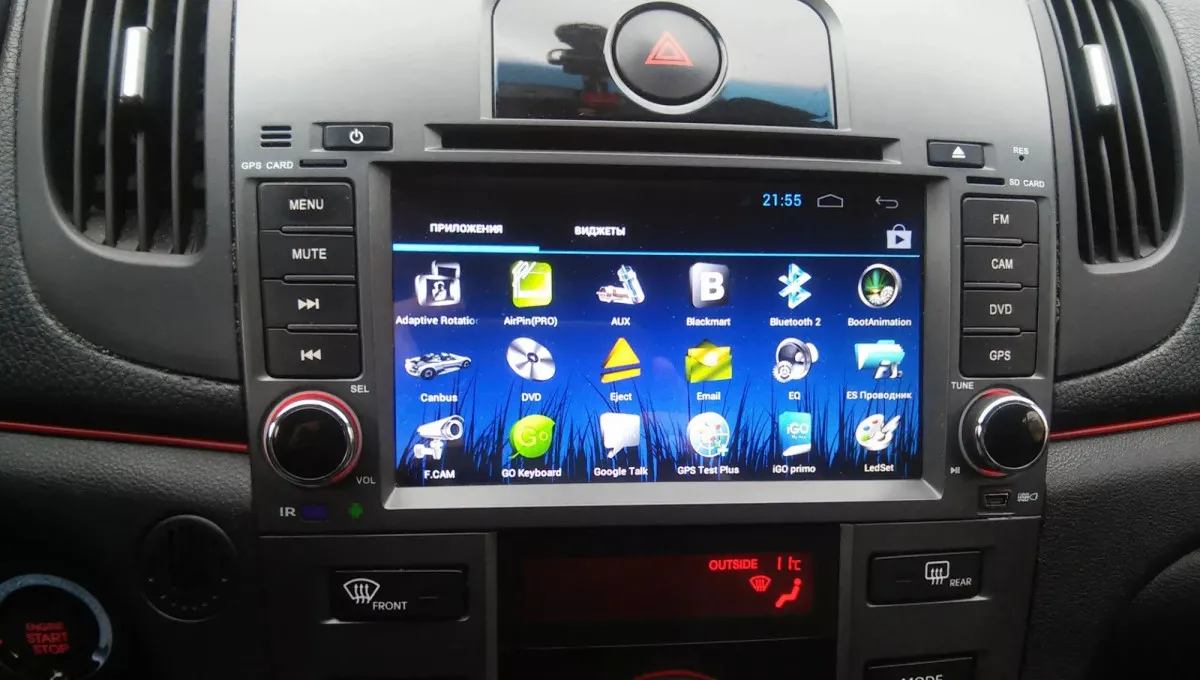
Your Old Car Can Feel New Again With These 7 Upgrades That Actually Make a Difference
Modernizing an Older Car: Better Audio, Navigation, Safety and Everyday Tech. An older car does not have to feel outdated when a few smart upgrades can transform everyday driving.