
Geely Solid-State Batteries With 500 Wh/kg Density Will Hit the Road in 2027
Geely plans to begin pilot testing solid-state batteries in vehicles from Zeekr, Volvo, and Polestar in 2027.
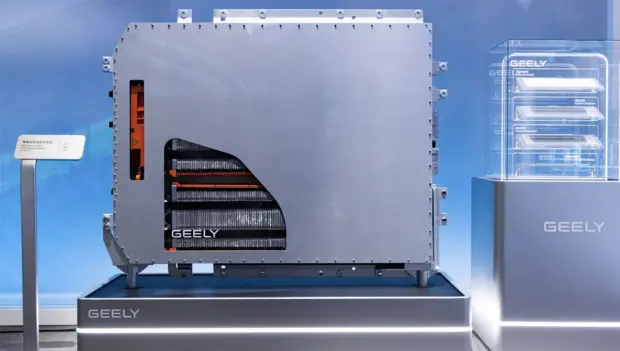
Geely Holding plans to begin pilot deployment of solid-state batteries across vehicles from its various brands in 2027, following real-world testing. The batteries are expected to reach an energy density of 500 Wh/kg, potentially giving electric vehicles a driving range comparable to that of conventional diesel-powered cars.
Following announcements from BYD and CATL about plans to begin trial production of solid-state batteries in 2027, Geely has now outlined its own timeline. According to the company, solid-state batteries will eventually make their way into vehicles across the Geely Holding ecosystem, which includes Geely, Zeekr, Lynk & Co, Volvo, Polestar, Lotus, Smart, Proton, Farizon, and other brands.
Geely Solid-State Battery Specs
The new Geely batteries will be offered with several different energy-density ratings. The top version is expected to reach 500 Wh/kg at the battery-pack level, meaning the individual cells would have an even higher energy density. By comparison, Geely's current liquid-electrolyte Golden Brick batteries have a cell-level energy density of around 250 Wh/kg.
Geely says an electric vehicle equipped with a 500-Wh/kg solid-state battery could deliver a range comparable to diesel-powered vehicles. That could allow EVs to travel more than 620 miles on a single charge.
The automaker began testing the technology under real-world conditions in 2026, with pilot deployment in vehicles from its portfolio brands scheduled for 2027.
Partnership With Dow and Growing Competition
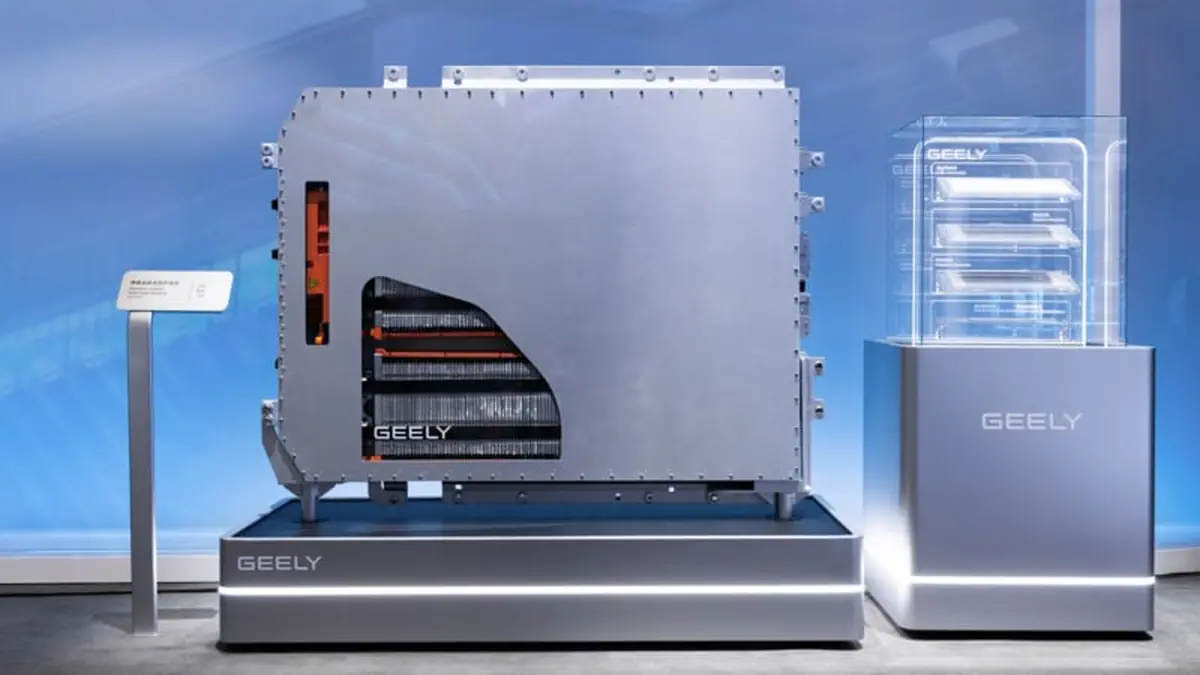
Geely is also working with chemical giant Dow on materials for its solid-state batteries. According to Bo Tong, Dow's technical leader for key customers, the company has developed a specialized adhesive for solid-state battery cells that remains stable across an extremely wide temperature range, from -40 to 248 degrees Fahrenheit.
Industry leaders have previously been skeptical about how quickly solid-state batteries could reach mass production. CATL Chairman Robin Zeng said the company's technology is currently at Level 4 on the nine-stage Technology Readiness Level scale. The world's largest battery maker has yet to complete full-scale prototypes of its solid-state battery.
However, CATL Chief Scientist Wu Kai said the company is targeting TRL 7, which represents a full-scale prototype demonstrated in an operational environment, or TRL 8, meaning the technology has reached the stage of a qualified commercial system.
BYD is also preparing to begin trial production of solid-state batteries, setting up a race among China's largest battery and automotive companies to bring the technology into production vehicles.
You may also be interested in the news:
3 Signs Your Car Battery Is About to Die — And the Warning Signs Drivers Often Miss
A failing car battery rarely dies without warning, and these three signs can give drivers time to act before getting stranded.
Americans Are Finding Out How Much It Costs to Replace a Hybrid Battery in a Modern Toyota
A Toyota hybrid battery can cost as much as $4,500 to replace, depending on the model and battery type.
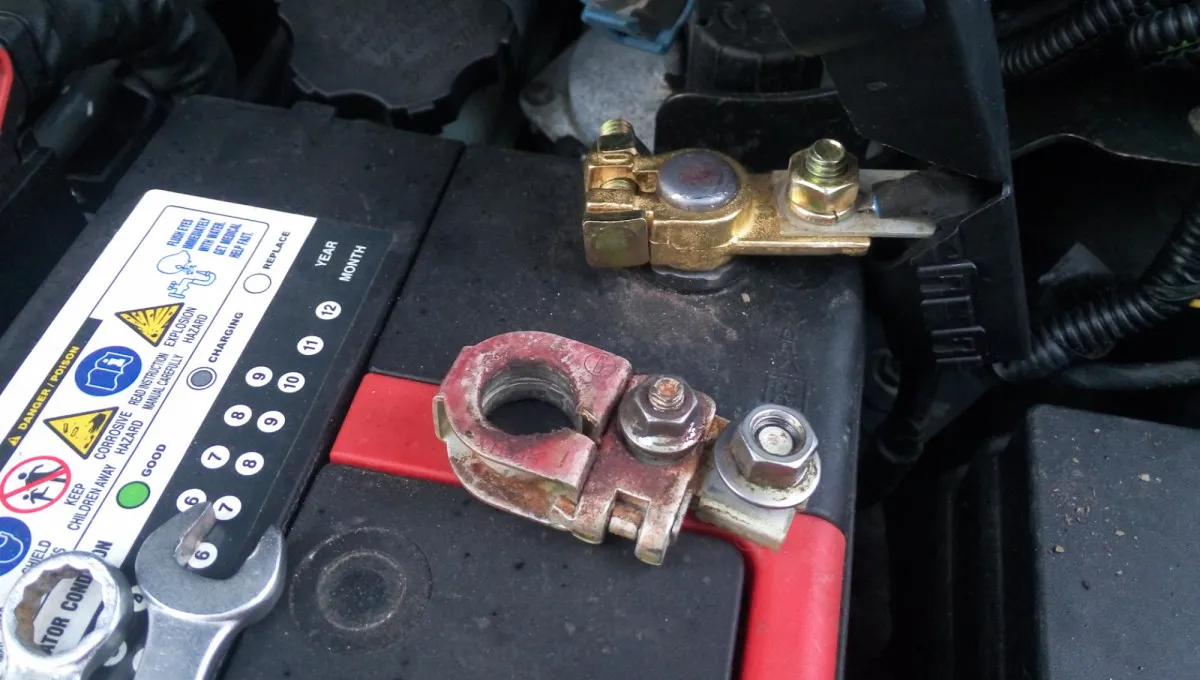
Most Drivers Ignore This When Buying a Car Battery—and It Can Cause Problems
Choosing a replacement car battery requires attention to detail, because even one incorrect specification can cause major installation problems.
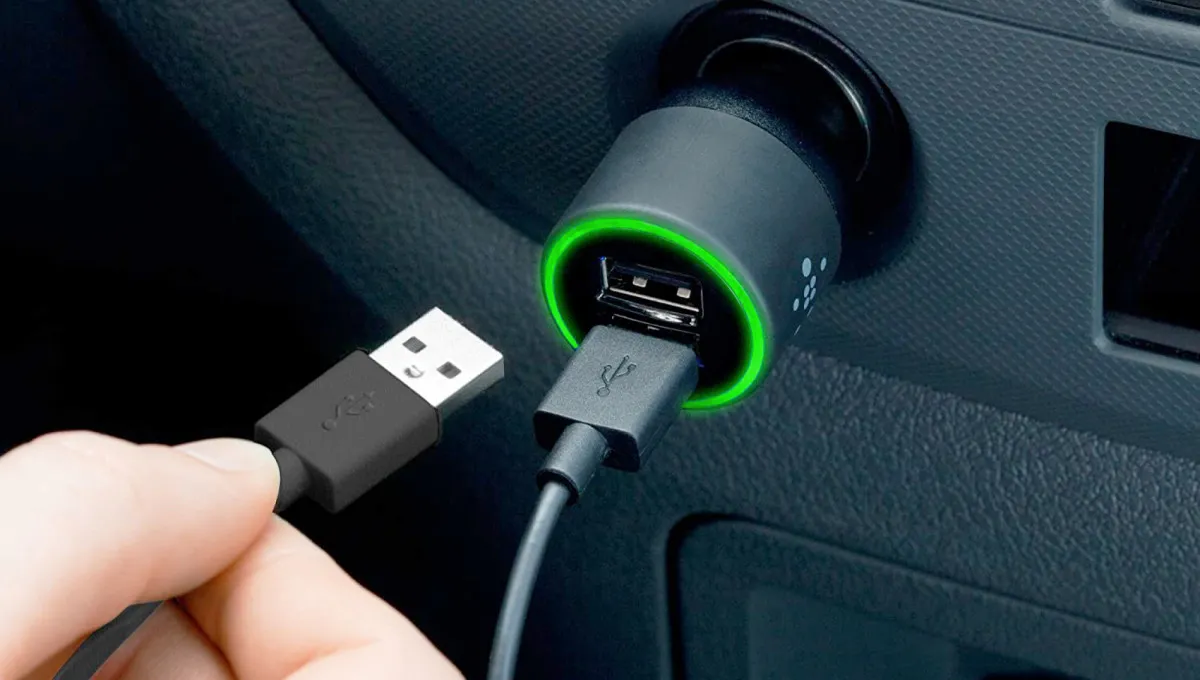
Can Charging Your Phone in the Car Really Kill the Battery
Charging your phone the wrong way can affect more than just your smartphone—it can also put a strain on your car.
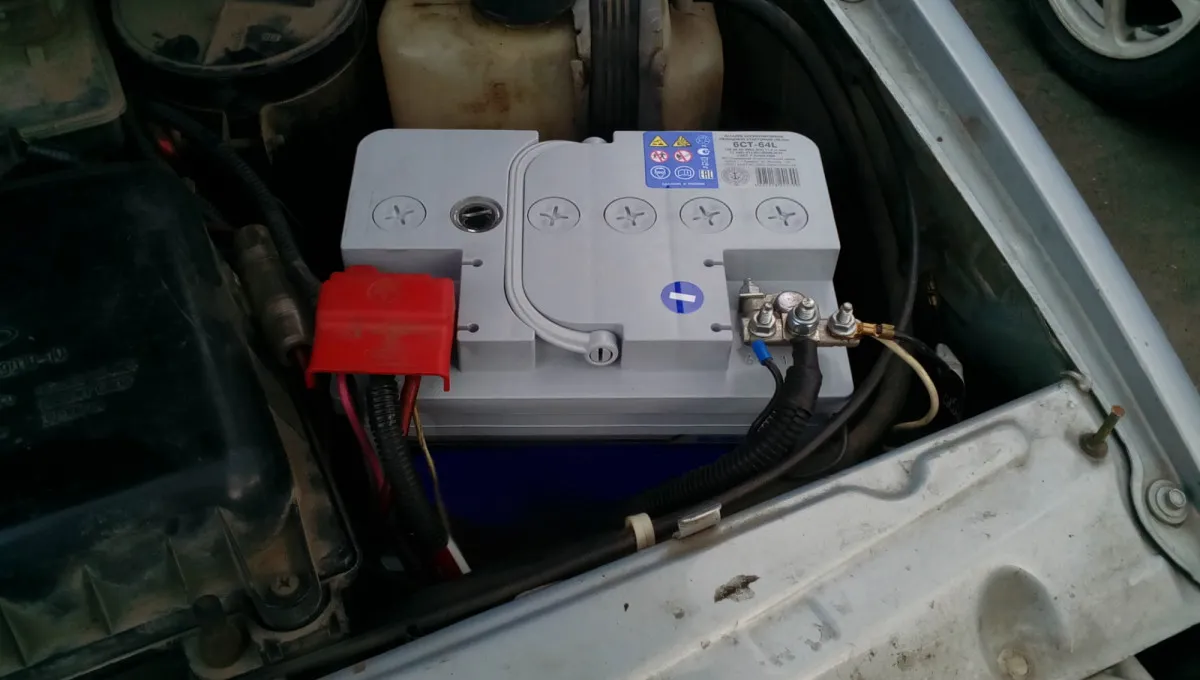
Can You Restore a Car Battery? Here's What Actually Works—and What Doesn't
When a car battery starts failing, many drivers wonder if it can be brought back to life instead of replaced.