
Can You Restore a Car Battery? Here's What Actually Works—and What Doesn't
When a car battery starts failing, many drivers wonder if it can be brought back to life instead of replaced.
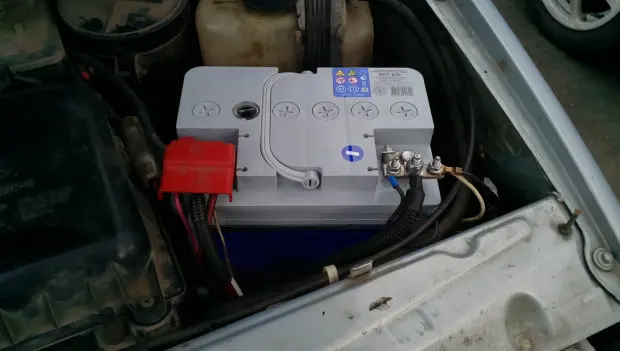
When a vehicle refuses to start because of a weak battery, it's natural to ask whether the battery can be revived instead of replaced. After all, no one enjoys spending money on a new one.
The reality, however, is that a car's 12-volt starting battery is a wear item, just like brake pads, wiper blades, spark plugs, or air filters. It has a finite lifespan, and eventually every battery reaches the end of the road.
Still, there are a few situations where a battery can be restored—or at least temporarily brought back into service. The key is understanding what's actually wrong.
Corroded battery terminals
One of the most common reasons a battery appears to be "dead" has nothing to do with the battery itself.
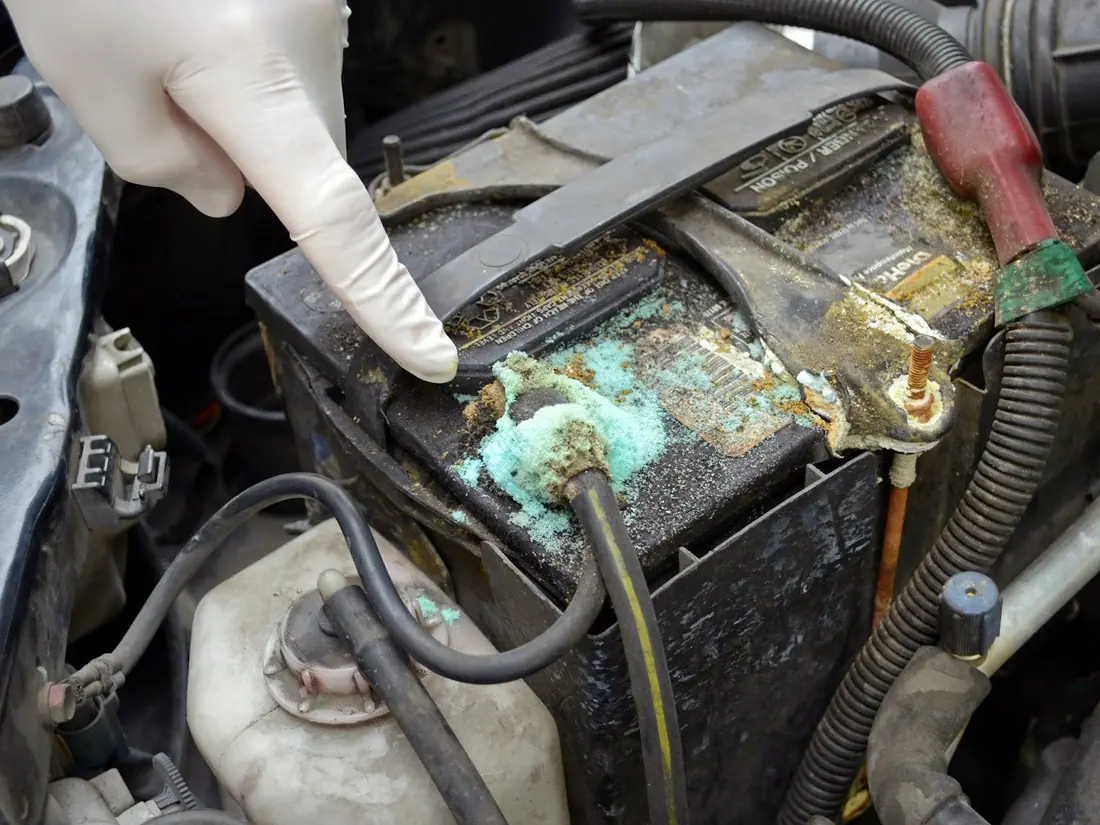
Heavy corrosion on the battery terminals increases electrical resistance, making it difficult both to charge the battery and deliver enough current to start the engine.
Fortunately, this is one of the easiest problems to fix. Disconnect the battery cables, clean the terminals with sandpaper or a battery terminal brush, then reconnect everything after applying dielectric or battery terminal grease to help prevent future corrosion.
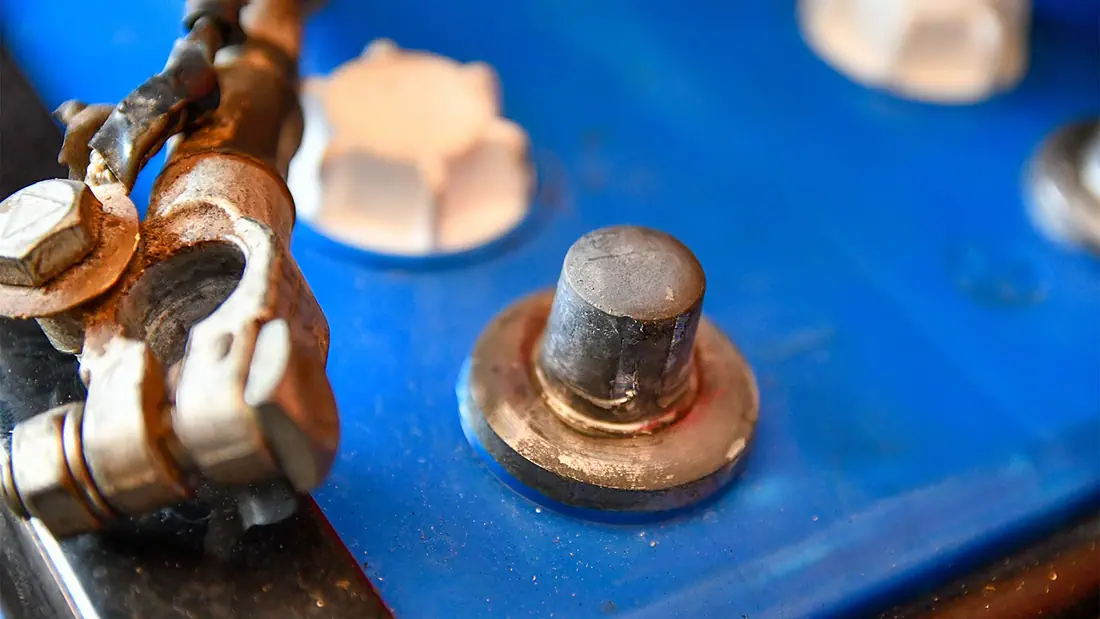
In many cases, the battery will seem to have come back to life simply because the electrical connection has been restored.
Low electrolyte level
On serviceable flooded lead-acid batteries, poor performance can sometimes be caused by a low electrolyte level.
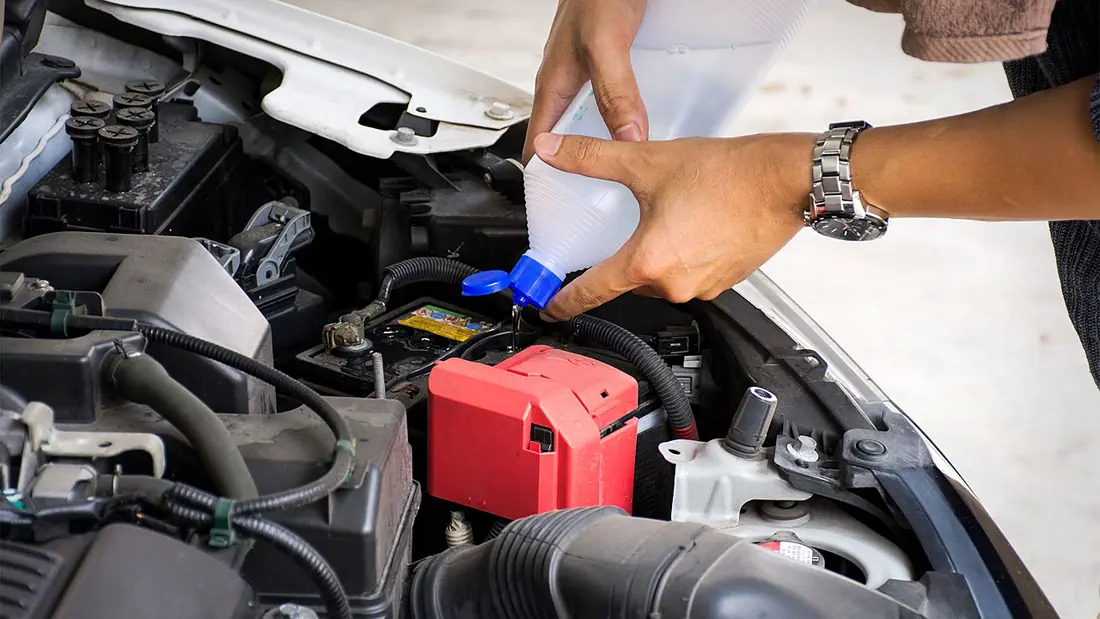
If the battery case is cracked or leaking, replacement is the only sensible solution. But if the battery is intact and the electrolyte has simply evaporated over time, topping off the cells with distilled water may restore normal operation.
The water should cover the lead plates by roughly 3/8 inch (about 10 mm). After refilling, recharge the battery before putting it back into service.
Keep in mind that most modern automotive batteries sold today are sealed and maintenance-free, making this procedure impossible.
Internal plate damage
Repeated deep discharges, excessive vibration, or electrical system problems can cause the active material inside the battery to break away from the plates.
Once this debris settles inside the cells, it can create internal short circuits. At that point, the battery cannot realistically be repaired and should be recycled.
Frozen electrolyte
A discharged battery is much more likely to freeze during extremely cold weather.
When that happens, the expanding ice can crack the case, warp the plates, and permanently damage the battery's internal structure.
A battery that has frozen solid is generally beyond repair.
Sulfation: the battery's biggest enemy
The most common cause of battery aging is sulfation.
As a lead-acid battery discharges, lead sulfate naturally forms on the plates. Under normal conditions, this process reverses during charging. However, if the battery remains discharged for long periods or is repeatedly run flat, hard sulfate crystals develop.
These crystals reduce the battery's ability to accept and store energy, gradually lowering capacity until the battery eventually fails.
Can sulfation be reversed?
In theory, yes.
Historically, two methods have been used:
- Chemical desulfation
- Electrical desulfation
Chemical desulfation
Chemical restoration involves filling the battery with a cleaning solution that dissolves lead sulfate deposits before flushing the cells and replacing the electrolyte.
While this process may remove sulfate buildup, it also strips away part of the battery's active material, permanently reducing capacity.
Even more importantly, sealed maintenance-free batteries aren't designed to be opened. Attempting to disassemble them often causes irreversible damage, making chemical restoration impractical for most modern batteries.
Electrical desulfation
Electrical desulfation is a safer approach because the battery remains sealed.
Professional battery restoration equipment sends carefully controlled low-current pulses through the battery over many hours, gradually breaking down sulfate crystals.
Some smart battery chargers now include a desulfation or reconditioning mode that attempts to accomplish the same task.
A traditional reconditioning cycle usually consists of:
- Slowly charging the battery at approximately 1 amp and around 14 volts for several hours.
- Letting the battery rest.
- Charging it again at a slightly higher current.
- Discharging it under a light load.
- Repeating the process several times.
Another method replaces the electrolyte with distilled water temporarily and charges the battery using an extremely low current—roughly 1% of the battery's amp-hour rating. For example, a 60 Ah battery would be charged at approximately 0.6 amps before repeating several charge-discharge cycles.
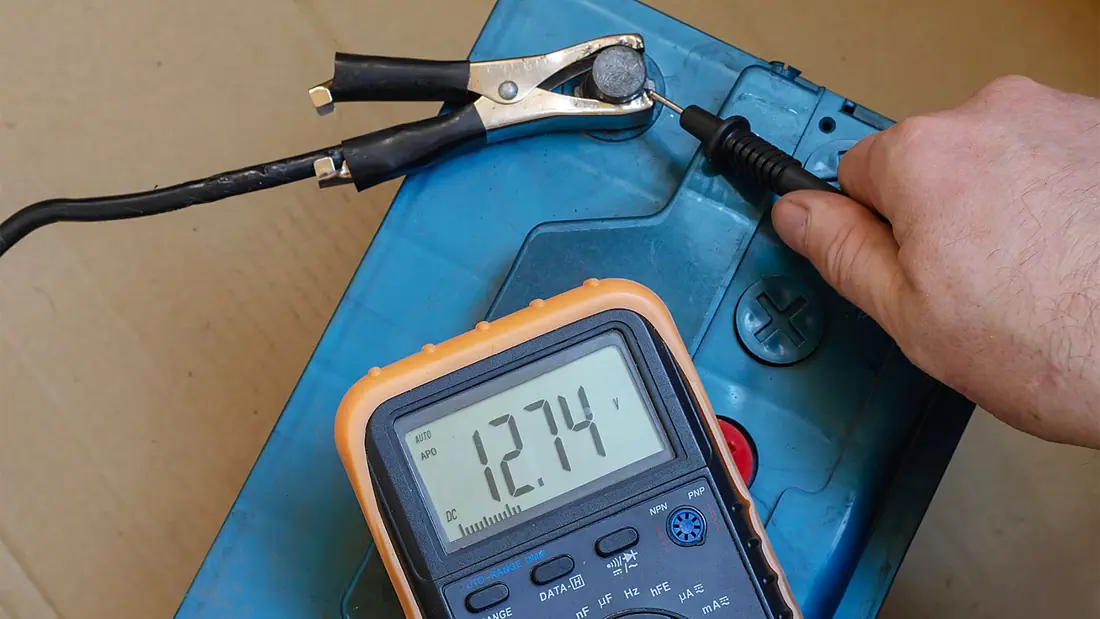
These techniques were once reasonably effective on older serviceable lead-acid batteries.
Why modern batteries rarely recover
Today's automotive batteries are very different from those built 30 or 40 years ago.
Modern lead plates are significantly thinner, allowing manufacturers to increase surface area and overall capacity. Many batteries also use calcium-alloy technology to improve durability while reducing weight.
The downside is that these thinner plates are much less tolerant of aggressive charging and repeated restoration cycles.
Electrical desulfation can accelerate calcium loss from the plates, weakening their structure and increasing the risk of internal shorts. The process also generates significant gas pressure inside sealed batteries, which they are not designed to vent repeatedly.
As a result, restoration efforts often shorten the remaining life of a modern maintenance-free battery rather than extending it.
When restoration isn't necessary
A quality battery installed in a vehicle with a healthy charging system can easily last five years or longer, provided it isn't repeatedly deep-discharged.
Over the course of owning a vehicle for a decade, most drivers will replace the battery only once. Under those circumstances, spending hours attempting to revive an aging battery rarely makes financial sense.
Some budget batteries, on the other hand, last only two years before failing. Even then, replacement is generally quicker, safer, and more reliable than trying to restore them.
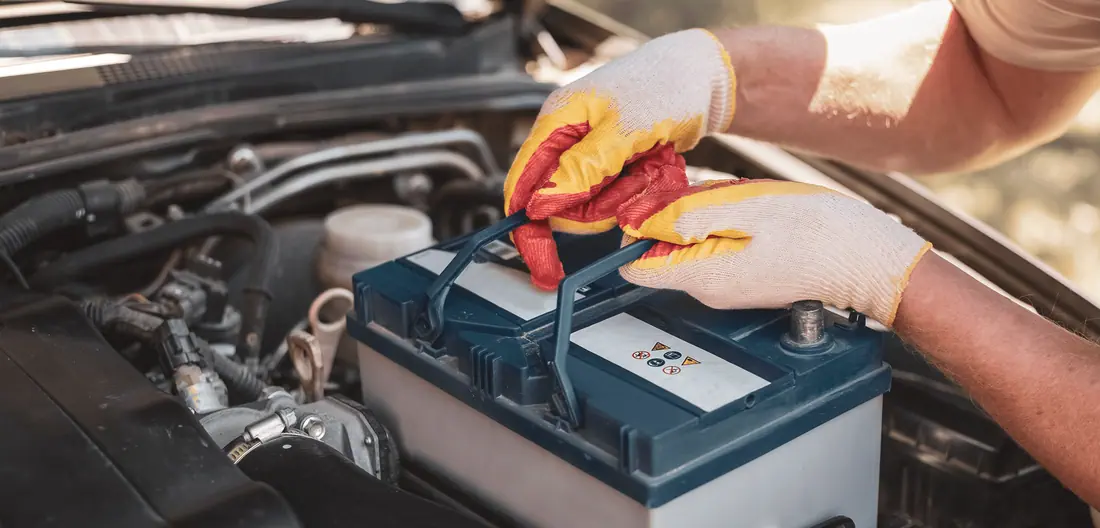
For the vast majority of today's maintenance-free automotive batteries, restoration simply isn't a practical long-term solution.
If your battery shows signs of failure, start with the basics:
- Clean any corrosion from the battery terminals.
- Check the charging system.
- Verify the electrolyte level if the battery is serviceable.
If those steps don't solve the problem, replacing the battery is almost always the better investment.
Our advice: Skip the complicated revival methods and buy a new battery. Modern batteries are designed as consumable components, and in most cases replacement is faster, more reliable, and ultimately less expensive than trying to bring an old one back to life.
You may also be interested in the news:
How to Protect Your Car Mirrors From Rain: A Simple Home Hack
A simple household product can help keep your car’s side mirrors clearer when rain makes visibility a challenge.
Bottle Under the Tire: The New Roadside Scam Targeting Drivers
A new roadside scam is gaining traction, using a simple plastic bottle to trick unsuspecting drivers.

Why Your Neighbor Always Parks With the Wheels Turned: An Auto Expert Explains Three Reasons
Straight wheels aren’t always the smartest choice: experienced drivers turn them for three practical reasons you may not expect.
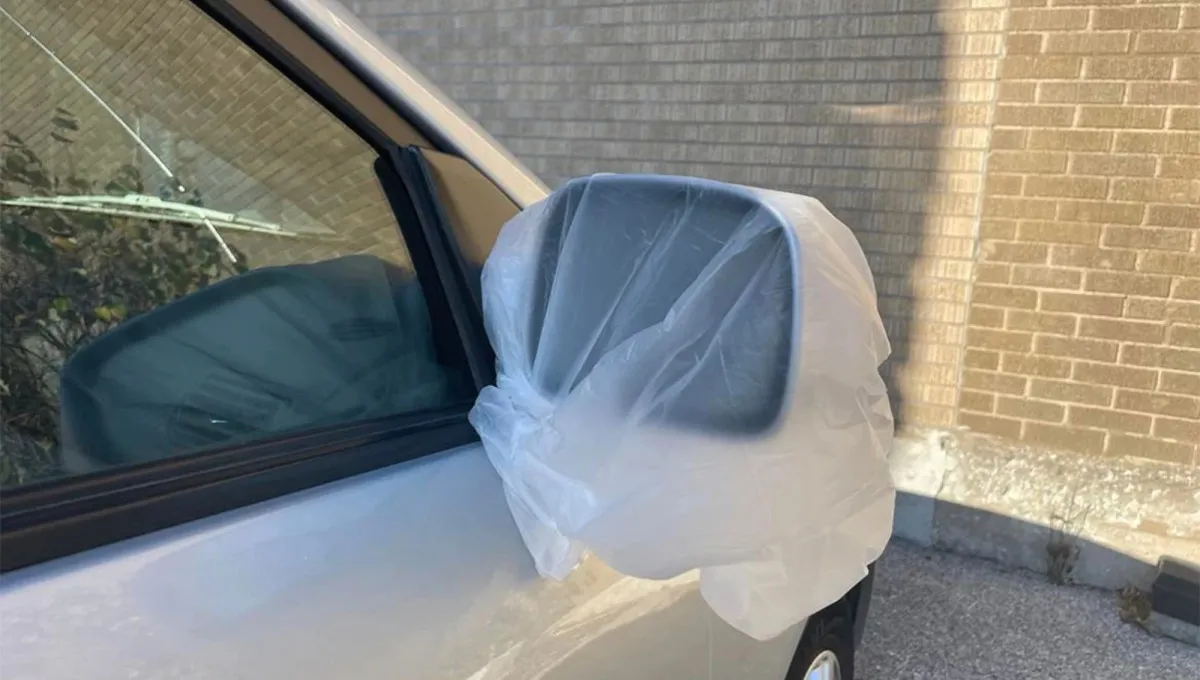
Why You Should Never Ignore a Plastic Bag on Your Car Mirror
You park your car, head inside, and return a short time later to find an ordinary plastic bag hanging from the side mirror.

Auto Expert Warns Drivers About Common Mistakes When Installing a Roof Cargo Box
Roof cargo boxes have become increasingly popular with drivers looking for an easy way to carry more gear on road trips.