
How to Double Your Car Battery Life: 4 Tips That Actually Work
Most car batteries die within four years, but simple habits can stretch that to eight. Here’s what experienced drivers do differently.
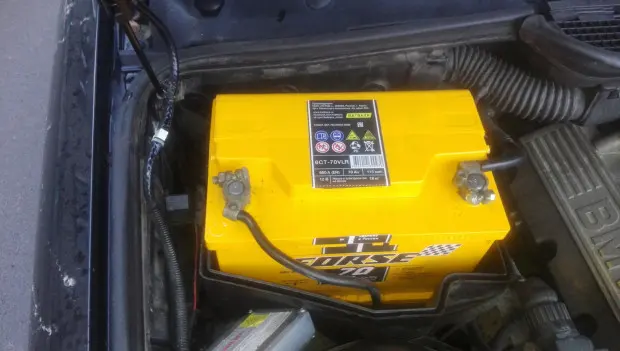
As a rule, car batteries last somewhere between two and four years. A bunch of things affect that — even the temperature outside — but almost any owner can squeeze way more life out of a battery that isn’t exactly cheap. Drivers who’ve been around the block know a few dead-simple secrets that keep their batteries going a whole lot longer. Here’s the breakdown.
1. Hit the highway more often

Auto pros will tell you that a bunch of short trips around town is basically a slow death sentence for your battery. The thing actually charges properly on longer drives — we’re talking a full charge taking somewhere around eight hours. No, that doesn’t mean you need to drive eight hours a day, but it does mean you should be smart about how you use power on those quick errands. Headlights, the blower fan, the radio — they all pull a surprising amount of juice, so don’t run everything at once if you’re only going two miles.
2. Park it in a “neutral” temperature zone
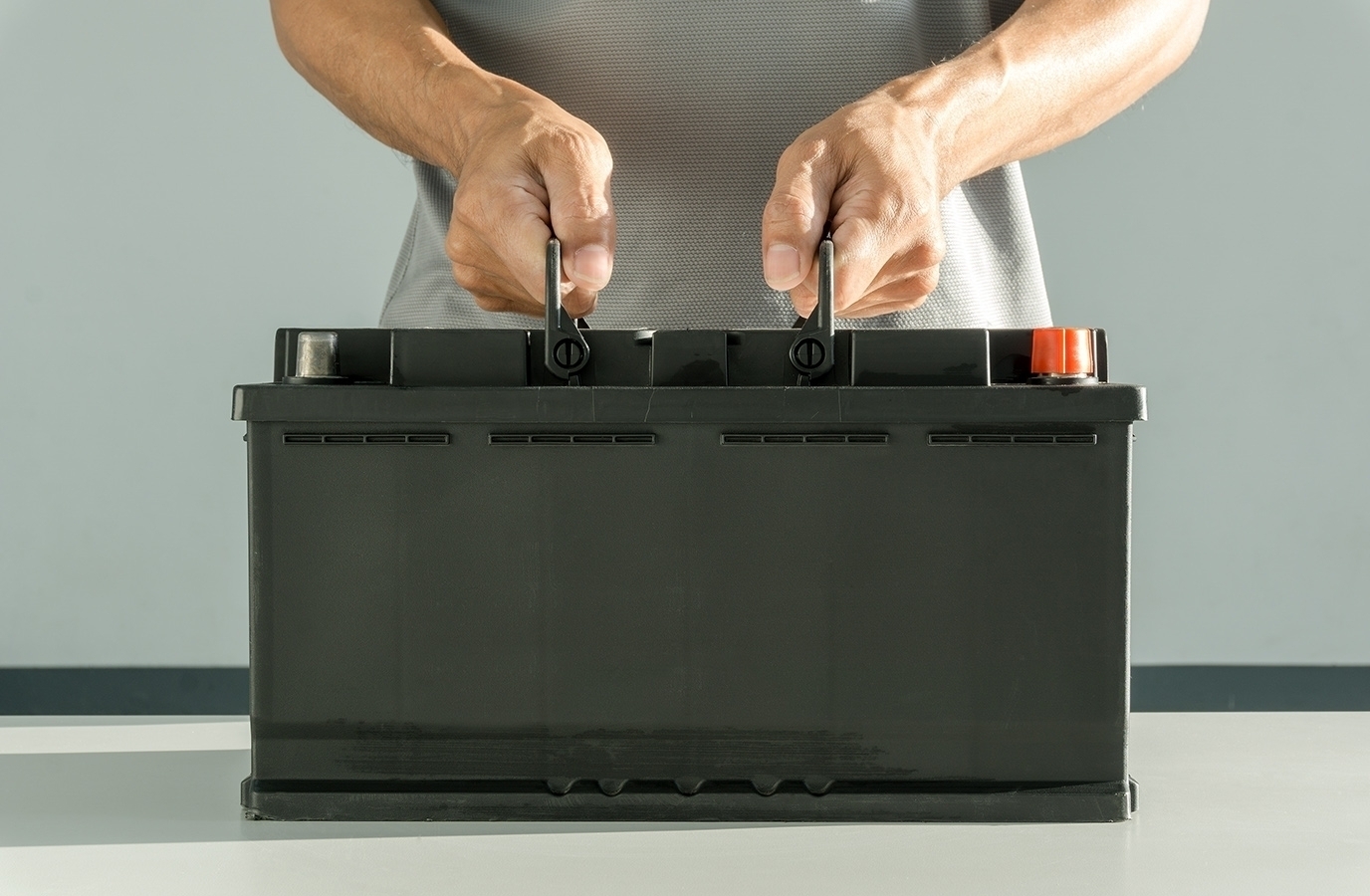
Car batteries can handle blistering under-hood heat in July and that brutal cold snap in January. But honestly? Both extremes beat the snot out of the battery and lead to real headaches down the road. High heat can cook the fluid right out of it, which messes with recharging and quietly shortens its lifespan. On the flip side, serious cold triggers self-discharge, and before you know it the battery is flat dead. In deep freezes, the electrolyte inside can actually freeze solid and crack the case wide open. If you already know the car’s going to sit unused through winter, do yourself a favor and pull the battery out, then keep it at room temperature.
3. Use a battery charger — but don’t overdo it
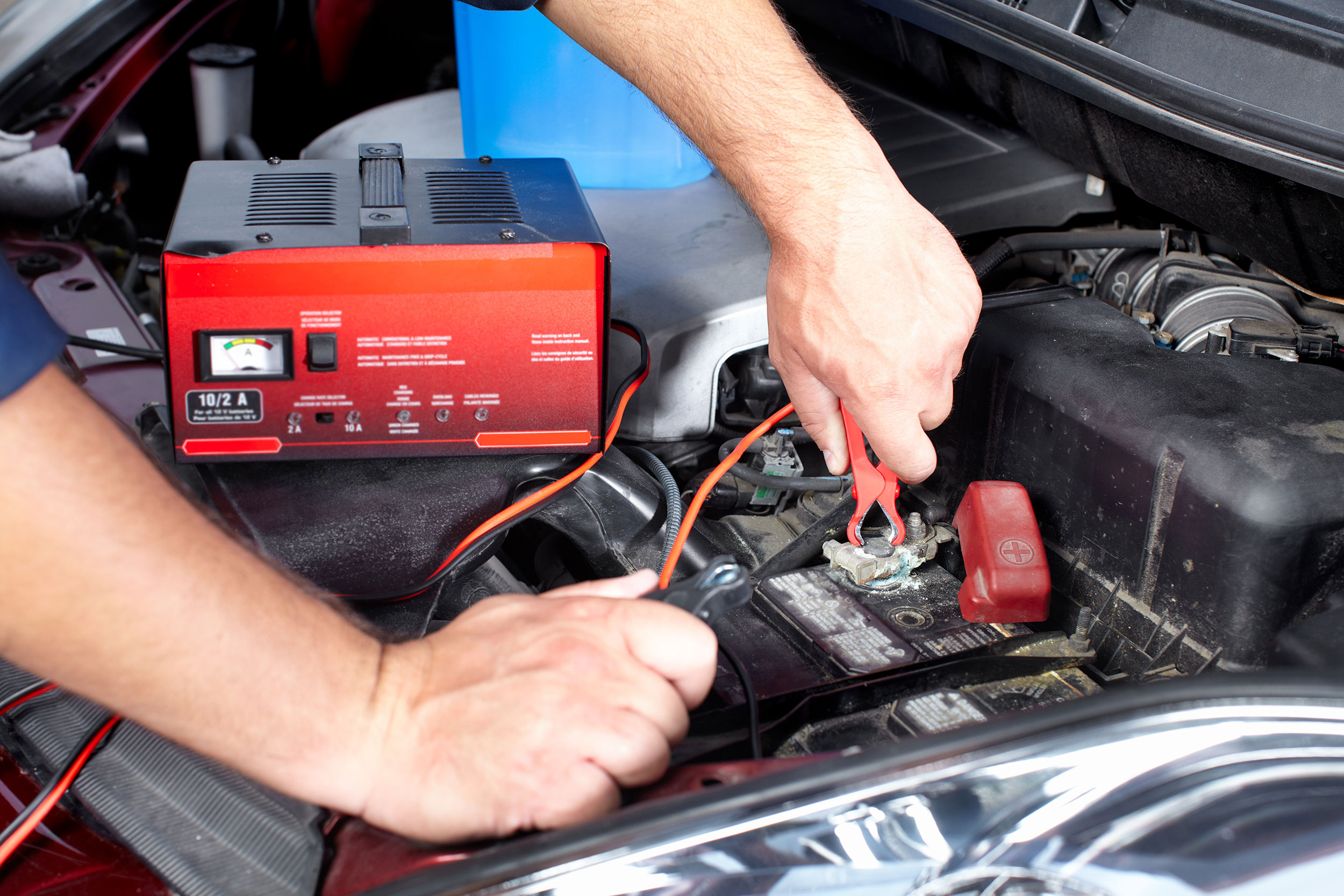
Leave any car sitting for a month and there’s a decent chance it won’t start. An older battery loses its charge even faster, especially when it’s cold out. That’s why it pays to have a charger on hand. Every four to six weeks, pop the hood and check the voltage (you want to see 14.2 volts) and top it off if it’s low. Just don’t get carried away. If the battery is constantly plugged in, it’ll overcharge and you’ll wind up killing it way sooner than you’d expect.
4. Keep the battery clean
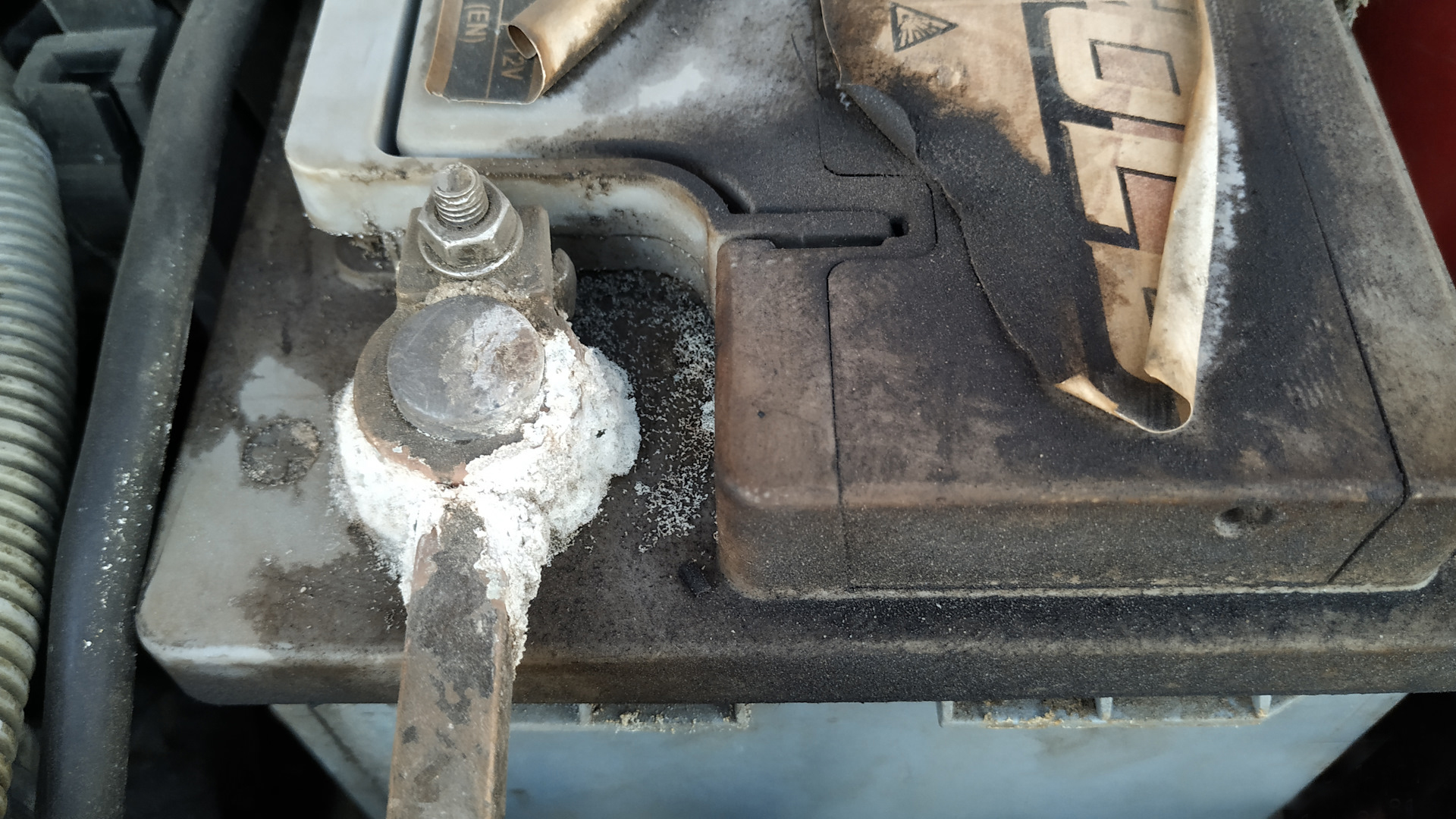
A car battery is a little chemistry lab full of messy physical reactions. Over time, the terminals corrode and get covered with a chalky white or bluish gunk — those oxides are a sign your electrical connection is going downhill. Once they show up, power delivery gets sketchy and most people think the battery is toast. But seasoned drivers don’t throw in the towel that easily. A mix of baking soda, water, and a non-metallic brush scrubs the terminals clean and often adds months or even years to the battery’s life.
You may also be interested in the news:

Your Steering Wheel Starts Shaking at 60 MPH? Don’t Ignore These Warning Signs
A vibrating steering wheel is often most noticeable at highway speeds, but the cause isn’t always immediately obvious.
Windshield Wipers Aren’t Cleaning Properly? Here’s What Could Be Wrong
Why do windshield wipers sometimes fail to do their job?

Best Sedans for Interior Space: The Roomiest Cars of 2026
These six sedans offer generous legroom and shoulder room, giving families a comfortable alternative to larger SUVs for long trips.

Best Cars for Teen Drivers: Affordable and Safe Picks
These affordable used and new vehicles combine strong safety ratings, reliability, and reasonable prices for young drivers and their families.

12 Used Cars Retirees Should Know About—These Models Put Safety, Comfort and Reliability First
Great for Retirees: These Used Cars Stand Out for Safety, Reliability and Comfort