
Many Americans Don't Know the Right Way to Charge a Car Battery at Home
A vehicle's battery is normally charged by the alternator, but in some situations it needs to be recharged at home.
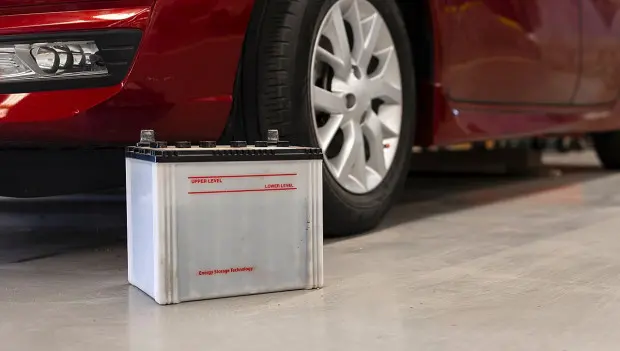
A vehicle's battery is normally charged by the alternator. However, there are times when it needs to be recharged indoors. This can happen if the vehicle has electrical system issues, has been sitting for an extended period, has lost capacity over time, or has been exposed to freezing weather. Here's how to properly charge a car battery at home.
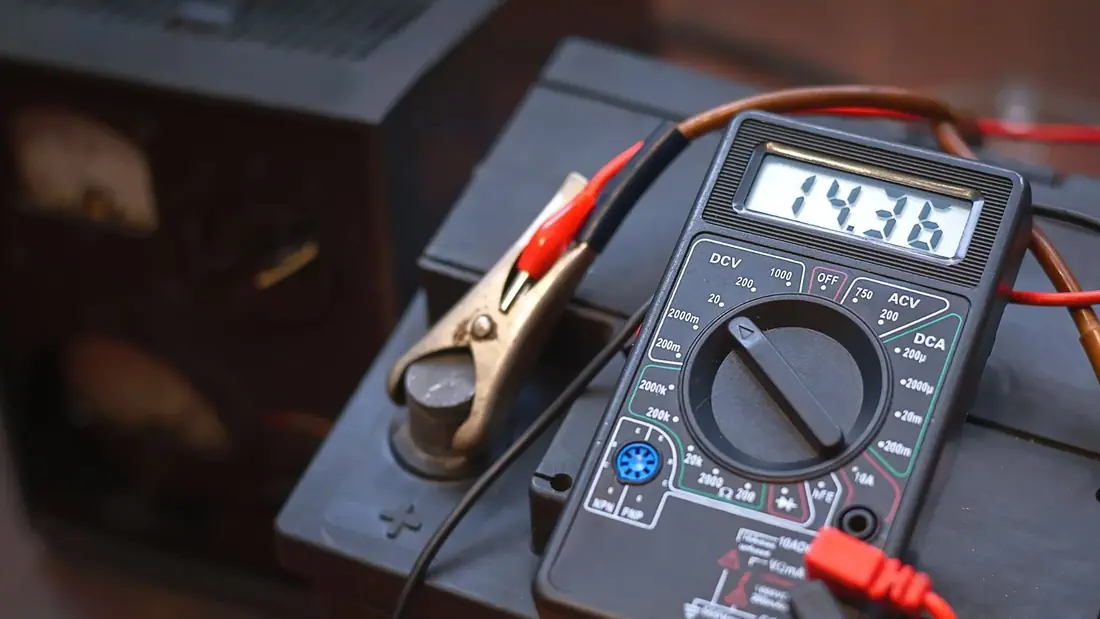
How to Tell if Your Battery Needs Charging
- The engine won't start.
- The starter turns over slowly. The engine cranks with noticeable resistance and noise.
- The electrolyte changes color. A dark or brown tint in the electrolyte of a serviceable battery indicates plate deterioration or a deep discharge.
- The battery warning light stays on while driving or flashes when you try to start the engine.
- Electronic systems malfunction. Headlights may flicker, or the infotainment system or power door locks may not work properly.
- A noticeable rotten egg smell indicates the electrolyte is boiling.
What You'll Need to Charge the Battery
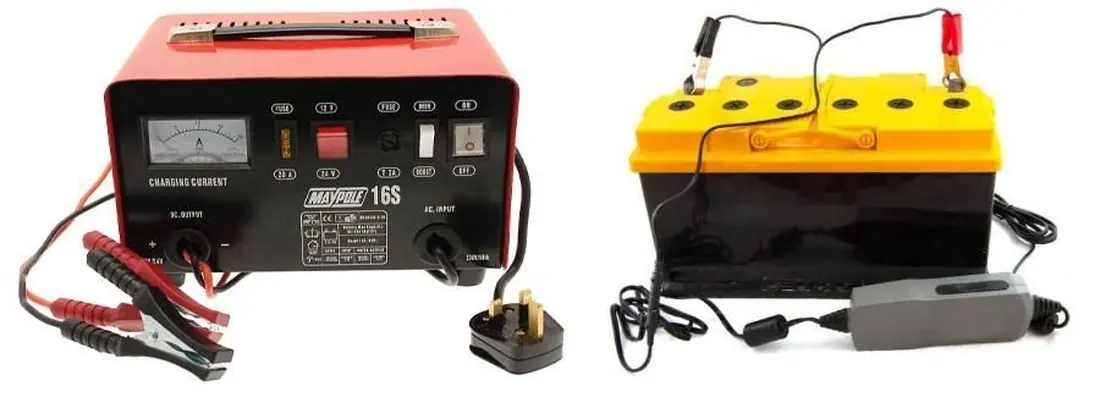
Battery Charger
Battery chargers vary by type and output. For automotive batteries, models with adjustable charging current are the best choice.
Transformer chargers. These are larger and heavier. They are rarely used today because of their outdated design but are valued for their simple, reliable construction without complex electronics.
Switch-mode chargers. These are smaller and lighter. They typically include protection against voltage spikes, overcharging, short circuits, and reverse polarity. Most modern automatic chargers fall into this category.
Charging Cables (Alligator Clips)
These are usually included with the charger. Make sure the cables are properly sized for the charger's output and that the clamps are well insulated.
Wrench for Removing Battery Terminals
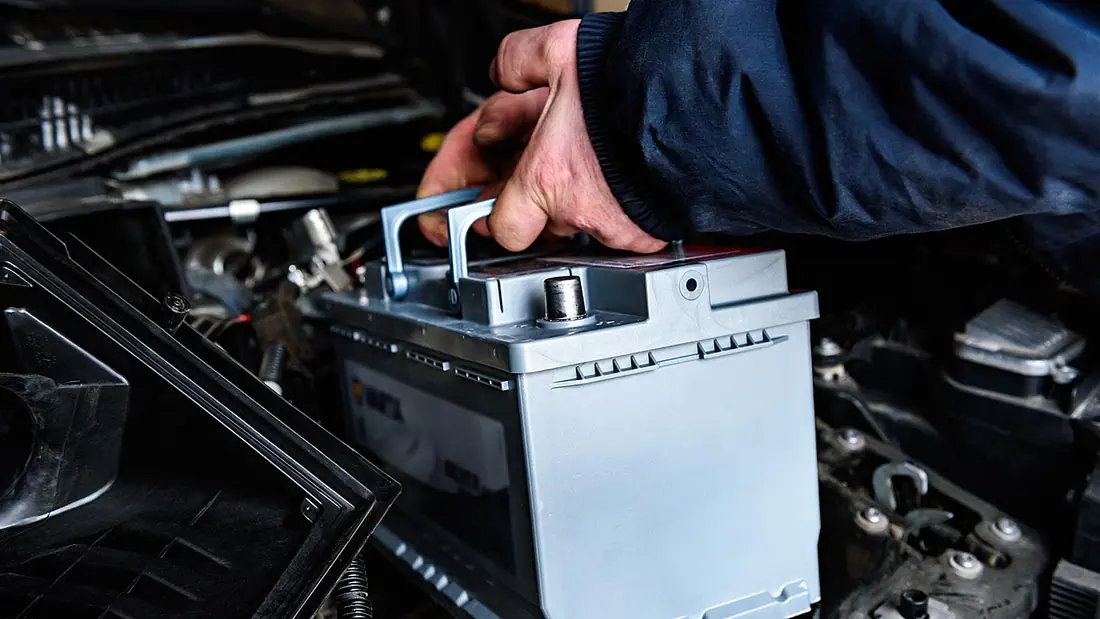
Before charging a car battery at home, it must be removed from the vehicle. You'll typically need an open-end wrench or socket, most commonly 10 mm, to loosen the battery terminals and hold-down bracket.
Preparing to Charge the Battery
Working with electricity and battery acid requires a properly prepared workspace. Choose a safe, well-ventilated area away from flammable materials. During the chemical reaction inside a lead-acid battery, hydrogen gas is released. Mixed with oxygen, it forms an explosive gas that can ignite from even a small spark. A well-ventilated garage or another non-residential space maintained at approximately 64–68°F is an ideal location.
Place the battery on a completely level, dry, nonflammable surface, such as a tile floor, to prevent it from tipping over and leaking electrolyte. Make sure the electrical outlet is properly grounded and protected by a ground-fault safety device.
The charging current depends on the battery's capacity. A commonly used guideline is to set the charging current to 10% of the battery's rated amp-hour capacity. For example, a 60 Ah battery should be charged at about 6 amps. Modern switch-mode chargers automatically adjust charging parameters based on the battery's condition.
Rules for Charging a Car Battery Yourself
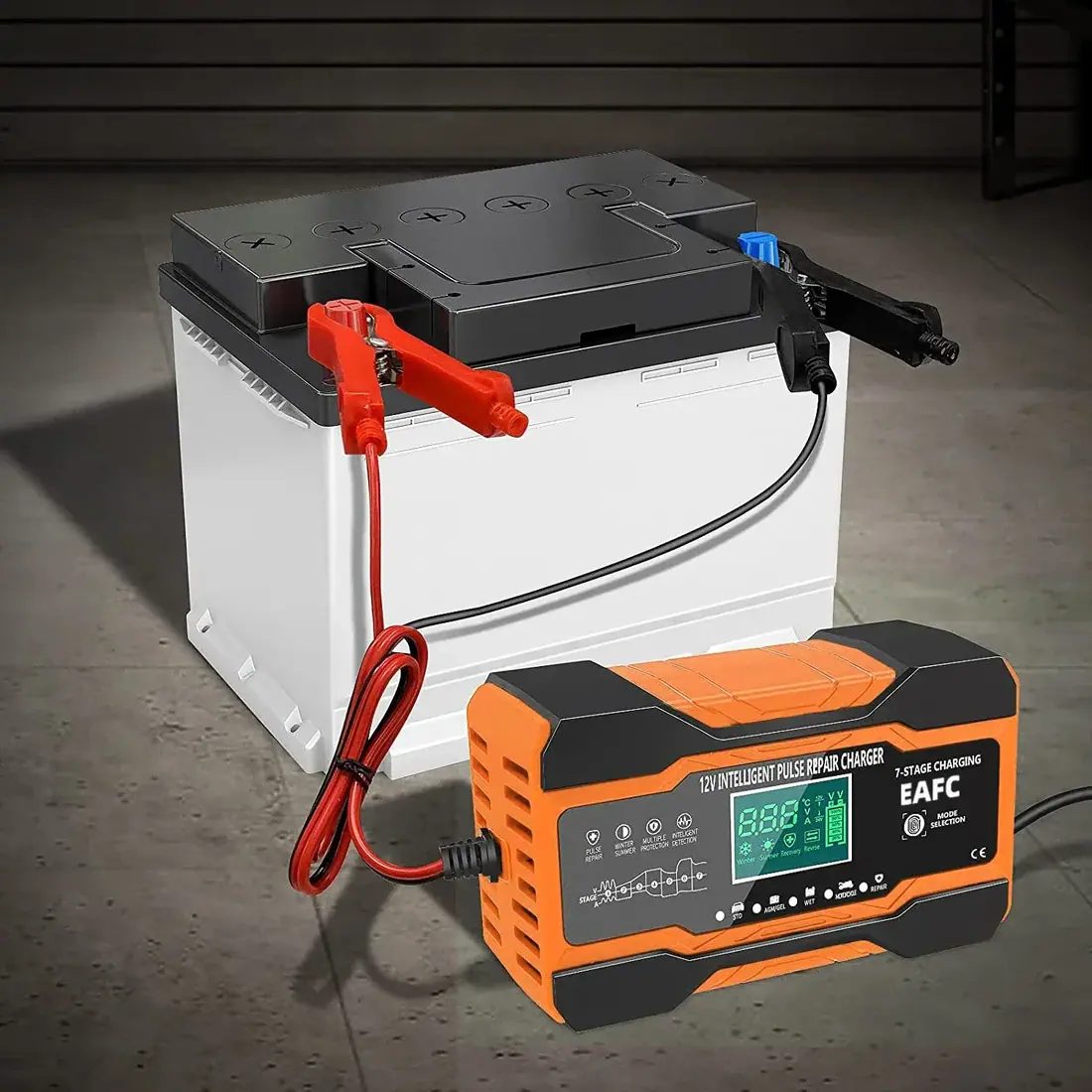
Disconnect the battery from the vehicle by removing the negative (black) terminal first, followed by the positive (red) terminal. Inspect the battery case for cracks, leaks, or swelling. A battery with these defects usually needs to be replaced rather than recharged.
If charging during winter, allow the battery to warm to room temperature before charging.
When connecting the charger, attach the positive charging lead to the battery's positive terminal (marked "+" and usually covered with a red cap) first. Then connect the negative charging lead to the negative terminal (marked "-" and typically black).
Connect the charger to the battery first, and only then plug the charger into a 120-volt household outlet.
Turn on the charger and select the appropriate charging mode. If you're using a charger with manual settings, follow the battery manufacturer's recommendations.
Do not leave the battery unattended while charging, especially if you're using an older transformer charger.
When charging is complete, the charger's automatic system will either switch to maintenance mode or shut off completely.
To disconnect the battery after charging, first unplug the charger from the electrical outlet. Then remove the negative charging lead, followed by the positive lead.
Do not put the battery back into service immediately after charging. It is recommended to wait at least one to two hours. This allows gas release to stop, the electrolyte to stop boiling if it had been boiling, and the battery voltage to stabilize.
Risks and Potential Problems When Charging a Car Battery at Home
Hydrogen released during charging can form an explosive mixture with air. Even a small spark can trigger an explosion.
An incorrect charging current or a faulty charger can cause the electrolyte to boil and evaporate, leading to damage to the battery plates and case.
Ignoring basic safety precautions, including allowing water to contact electrical connections or using damaged cables, can cause a short circuit, sparks, and potentially a fire.
Charging a car battery at home is a straightforward procedure, but it requires careful attention and adherence to basic safety precautions.
You may also be interested in the news:

Windshield Washer Fluid Frozen in the Reservoir? Here’s How to Thaw It
A frozen washer system can catch drivers off guard, especially when a cold morning reveals that yesterday’s windshield washer suddenly stopped working.

Three Zodiac Signs That Avoid Driving in the Rain to Keep Their Cars Clean
For these three signs, a car is more than transportation—it's almost a museum piece. Virgo, Taurus, and Capricorn may cancel plans at the first sign of rain.
One Car Button Can Make Your Windows Fog Up Faster: What Not to Do in the Rain
Moisture brought into the cabin by drivers and passengers can linger in the air and settle on cold windows, reducing visibility.
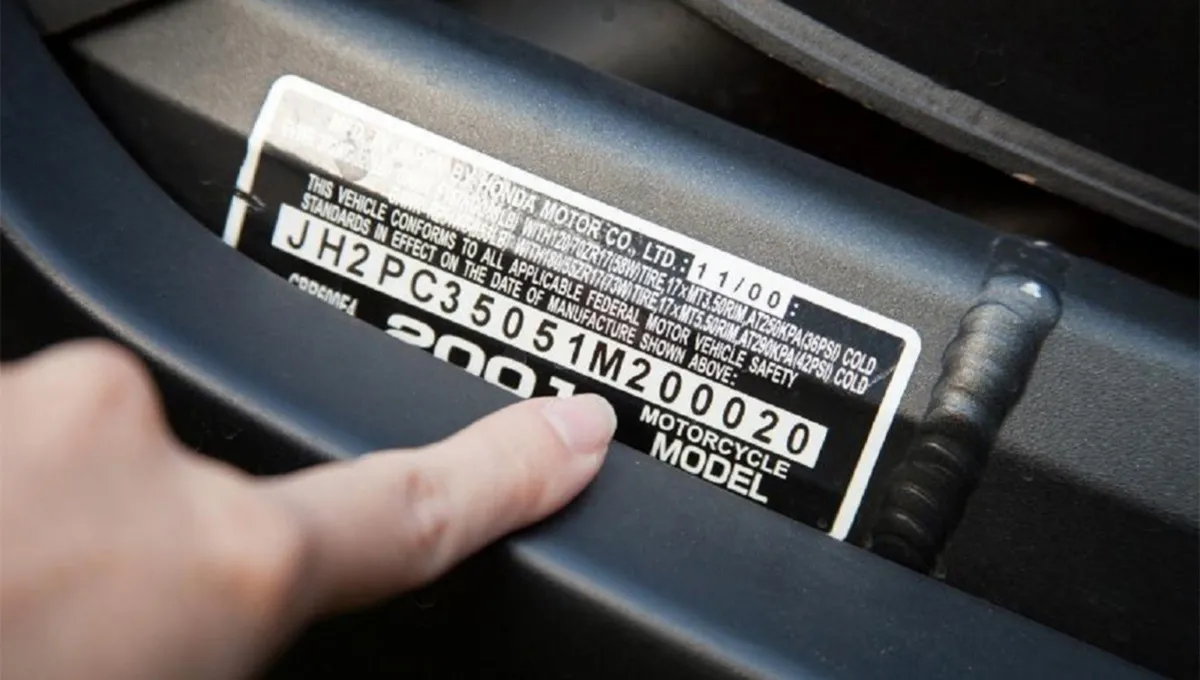
VIN-Based Auto Parts Lookup: Where Buyers Make the Most Mistakes
A VIN helps identify the right replacement part for your vehicle, but it cannot account for every change. Here’s what sellers need to know.
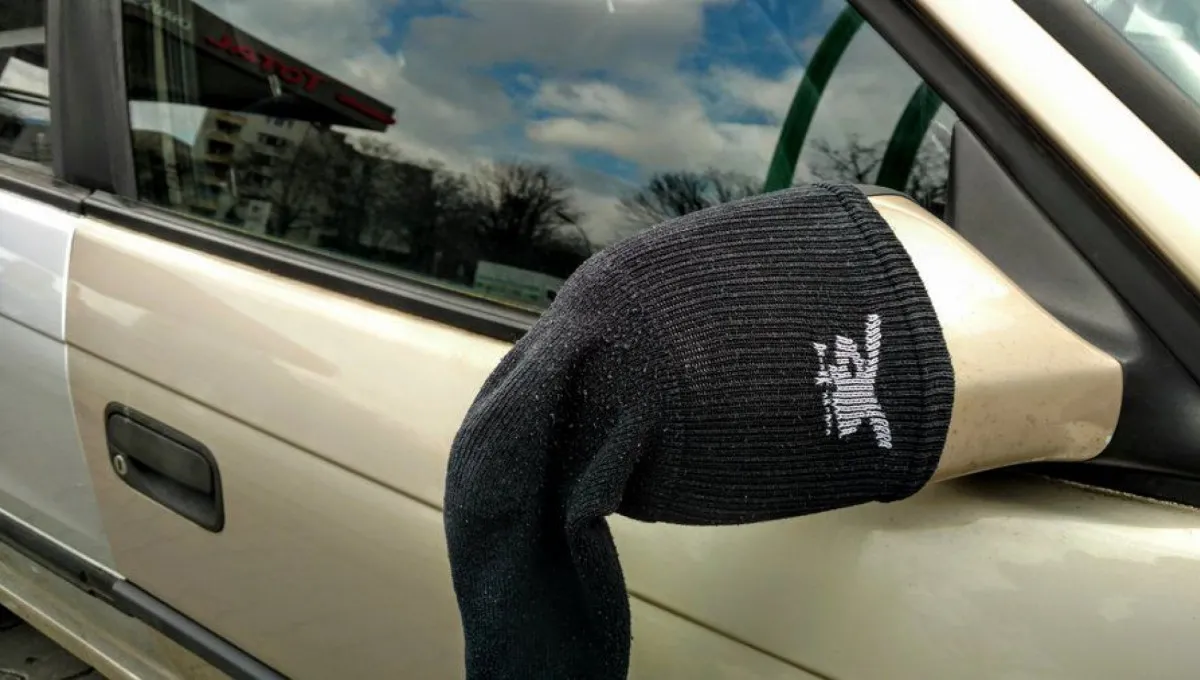
Why Experienced Drivers Put Socks on Their Car Mirrors in Fall: The Clever Trick Explained
An old pair of socks can help reduce frost buildup on your side mirrors overnight, saving time on cold mornings when every minute counts.