
Auto Electrician Explains Why You Should Only Use the Battery Recommended by Your Vehicle's Manufacturer
Choosing the wrong replacement battery can shorten its lifespan and create electrical problems that may not appear immediately.
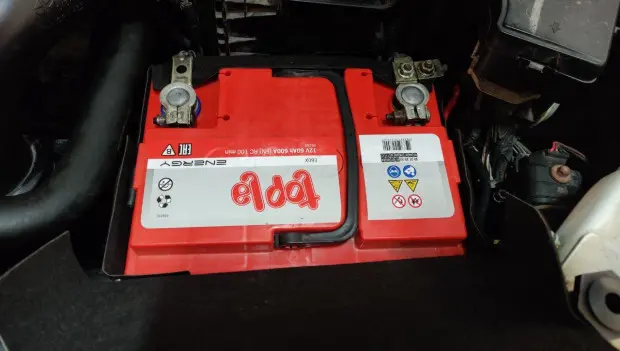
Choosing the right replacement battery is a common question among drivers. Many people ignore the specifications recommended by the automaker, but doing so can lead to a variety of problems over time.
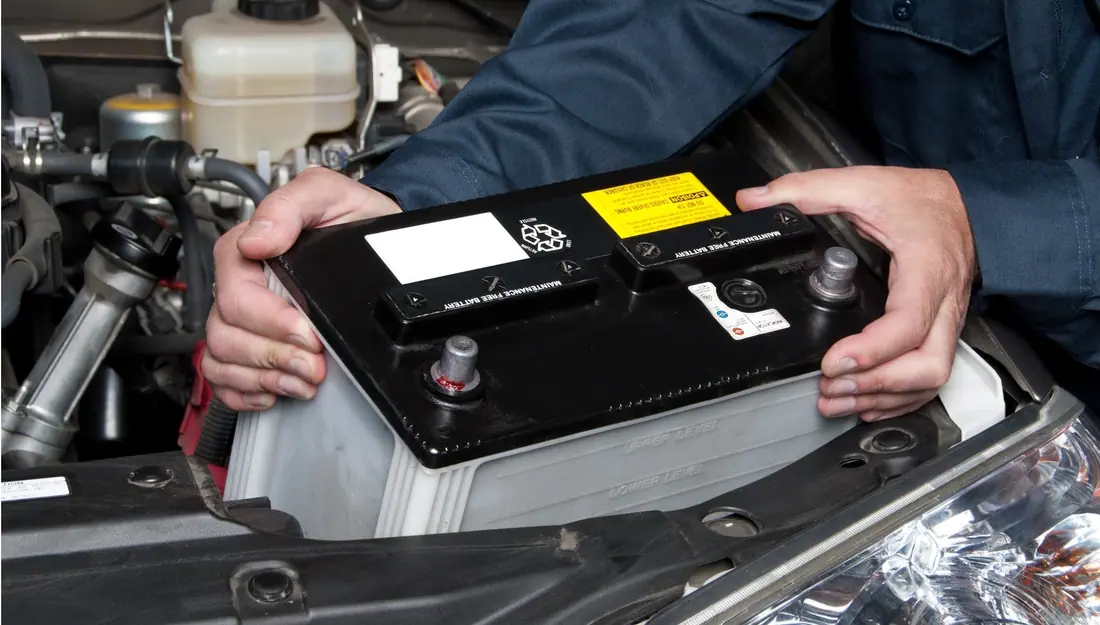
Some vehicle owners believe there's no downside to installing either a smaller battery or one with a higher capacity than the factory unit. Many assume manufacturers build in a generous safety margin, allowing the charging system to support additional electrical accessories. Years ago, that was often true. Alternators typically had extra capacity, and batteries could handle added electrical loads without much trouble. Today's vehicles, however, are designed differently.
Modern vehicles are engineered with much tighter tolerances to reduce manufacturing costs and improve efficiency. The alternator's output and the battery's capacity are generally matched to the vehicle's factory-installed electrical system, along with any optional equipment offered by the manufacturer. As a result, installing a battery with less capacity can overload it, causing it to wear out much sooner than expected. Instead of lasting five or six years, it may need replacement in as little as two or three years.
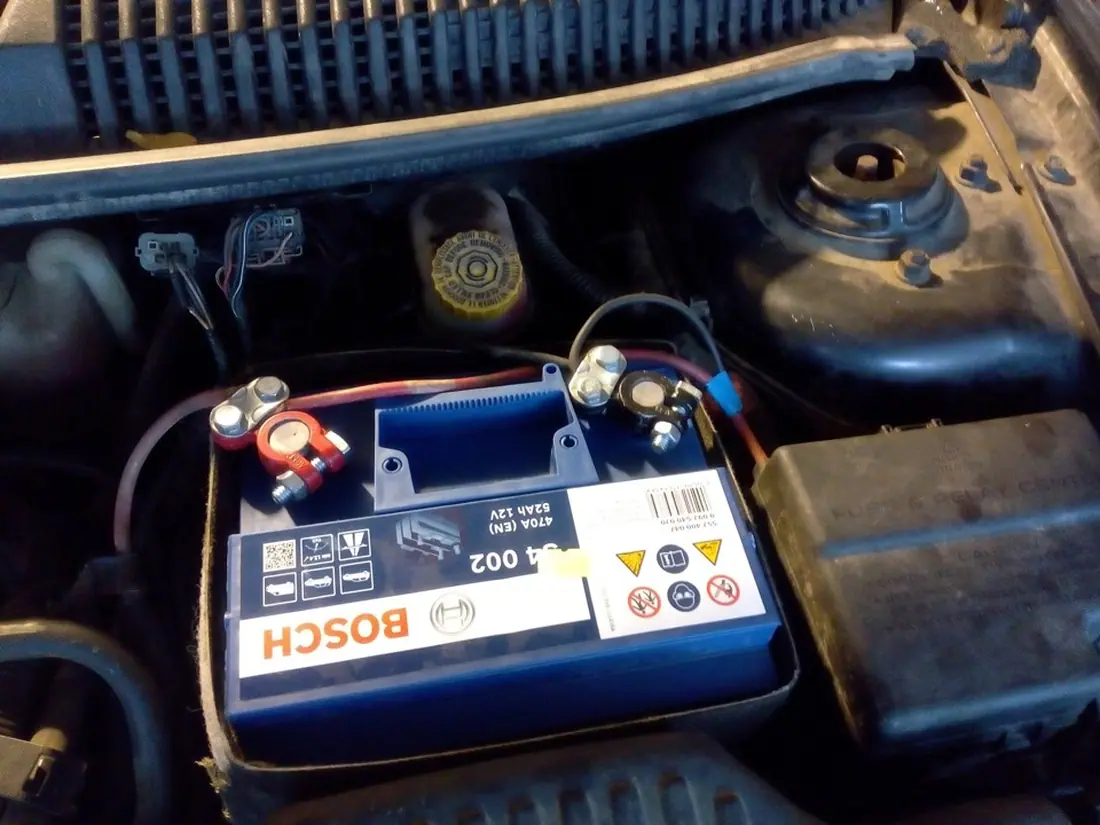
Installing a higher-capacity battery isn't necessarily a better solution. A battery that's larger than the charging system was designed to support may not receive a full charge during normal driving. Chronic undercharging can reduce battery life and lead to premature failure. For modern vehicles, the safest approach is to install a battery that matches the capacity and specifications recommended by the manufacturer.
If you plan to add aftermarket electrical equipment, it should ideally have its own dedicated power source. For accessories with significant power demands, the vehicle's charging system may also need to be upgraded. High-powered audio systems with amplifiers and subwoofers, for example, are often paired with a higher-output alternator and a battery designed to support the increased electrical load.
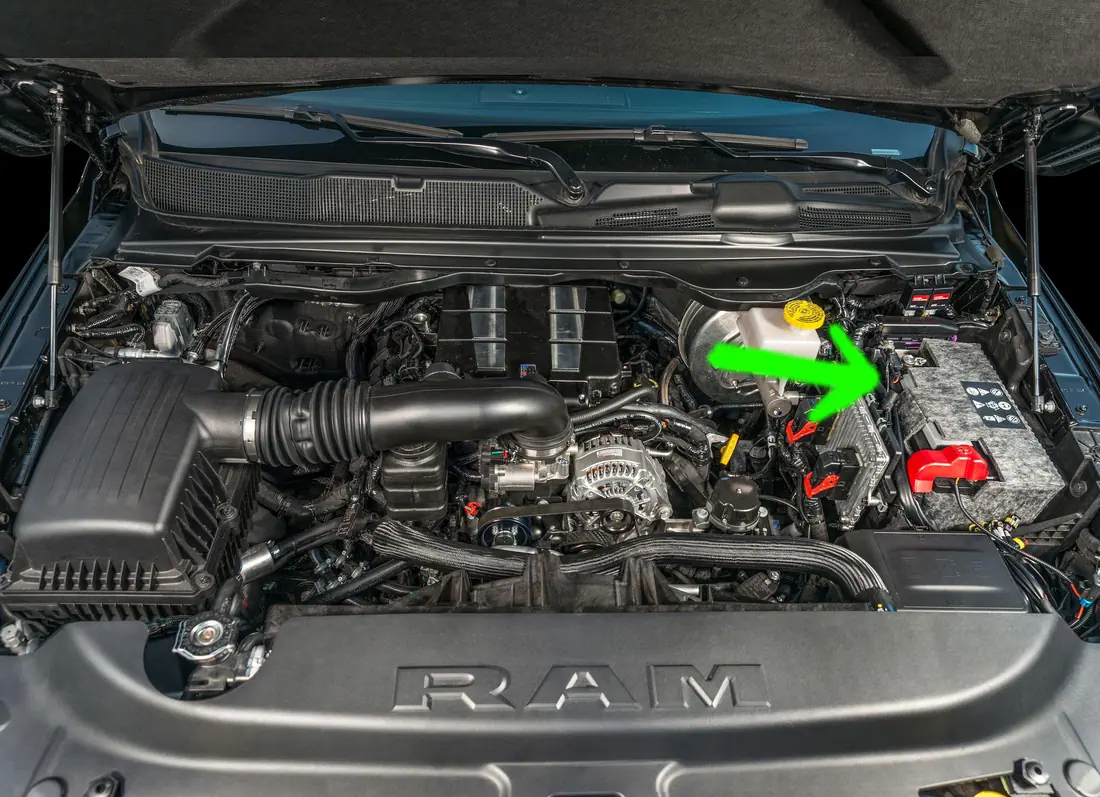
Some drivers may argue that using a different battery won't cause immediate problems, and that's often true. The effects usually develop gradually. Issues are more likely to appear during extremely cold weather or after the vehicle has been parked for several days without being driven. More noticeable problems may not show up until a year or two later. Before that, subtle warning signs—such as corrosion forming on the battery terminals—can begin to appear, although many drivers may not notice them.
You may also be interested in the news:
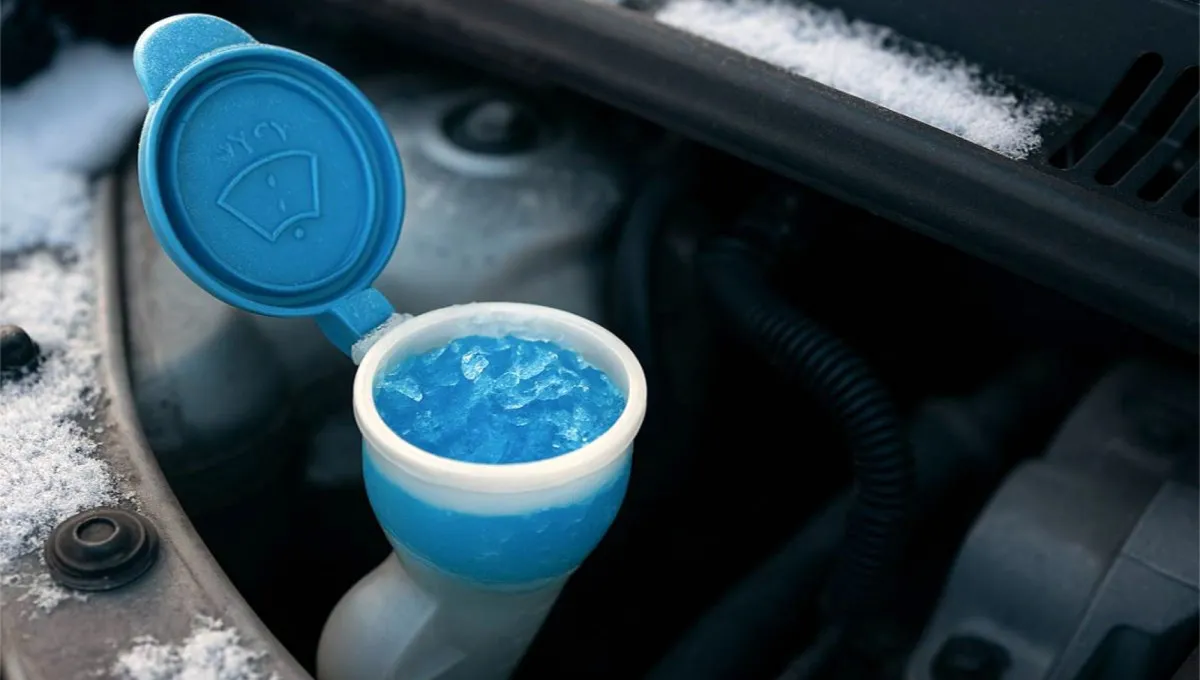
Windshield Washer Fluid Frozen in the Reservoir? Here’s How to Thaw It
A frozen washer system can catch drivers off guard, especially when a cold morning reveals that yesterday’s windshield washer suddenly stopped working.
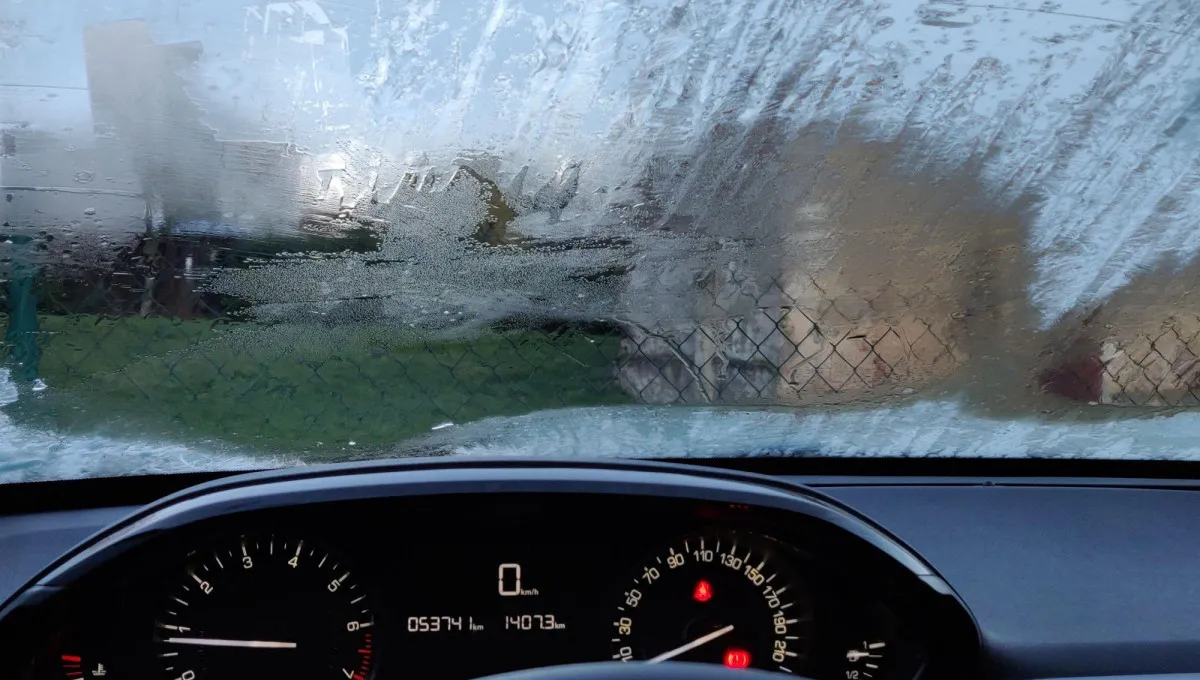
One Car Button Can Make Your Windows Fog Up Faster: What Not to Do in the Rain
Moisture brought into the cabin by drivers and passengers can linger in the air and settle on cold windows, reducing visibility.
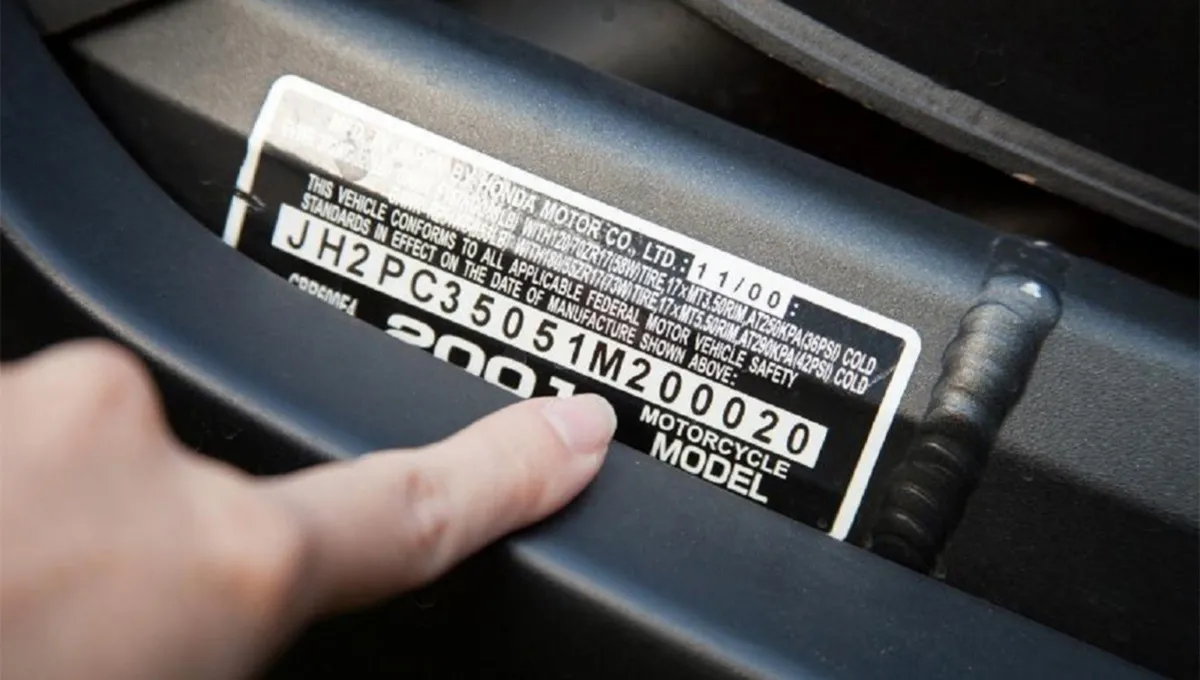
VIN-Based Auto Parts Lookup: Where Buyers Make the Most Mistakes
A VIN helps identify the right replacement part for your vehicle, but it cannot account for every change. Here’s what sellers need to know.

Why Experienced Drivers Put Socks on Their Car Mirrors in Fall: The Clever Trick Explained
An old pair of socks can help reduce frost buildup on your side mirrors overnight, saving time on cold mornings when every minute counts.

How to Clean Your Windshield Without Streaks: Experts Recommend This Simple DIY Mix
The secret to a streak-free windshield comes down to the right cleaning solution, two microfiber cloths, and the proper drying technique.