
How to Properly Connect Jumper Cables to Jump-Start a Car
Reversing polarity or causing a voltage spike can instantly damage sensitive electronic control modules.
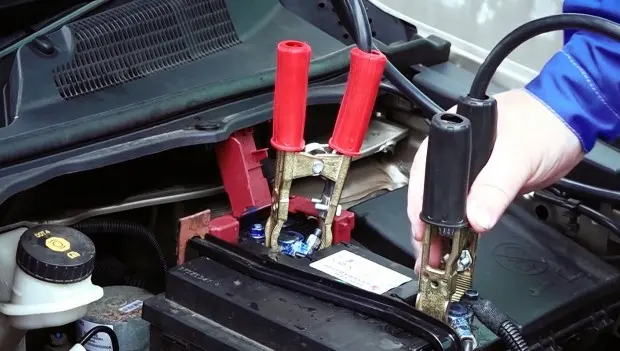
A dead battery is a common problem that is usually solved by borrowing power from a donor vehicle. However, careless cable connections can damage expensive electronics. Reversing polarity or causing a sudden voltage spike can instantly disable sensitive control modules. Here's a quick guide to getting your engine started without turning your vehicle into a paperweight.
Preparation: Inspect the Jumper Cables and Battery

Before pulling out the jumper cables, inspect the dead battery. If you see cracks in the case, leaking battery acid, or notice a strong acidic odor, do not attempt to jump-start it, as it could explode. Also make sure both vehicles use the same electrical system voltage (12 volts). Attempting to jump-start a passenger car from a 24-volt truck can severely damage the car's electronics.
Pay close attention to the jumper cables. The market is flooded with inexpensive sets that have thick insulation but very thin conductors. To reliably start an engine with a displacement of about 122 cubic inches, use cables with copper conductors measuring at least 16–25 mm² in cross-sectional area. Thin cables can overheat and fail to deliver enough current to the starter.
Safe Connection Sequence
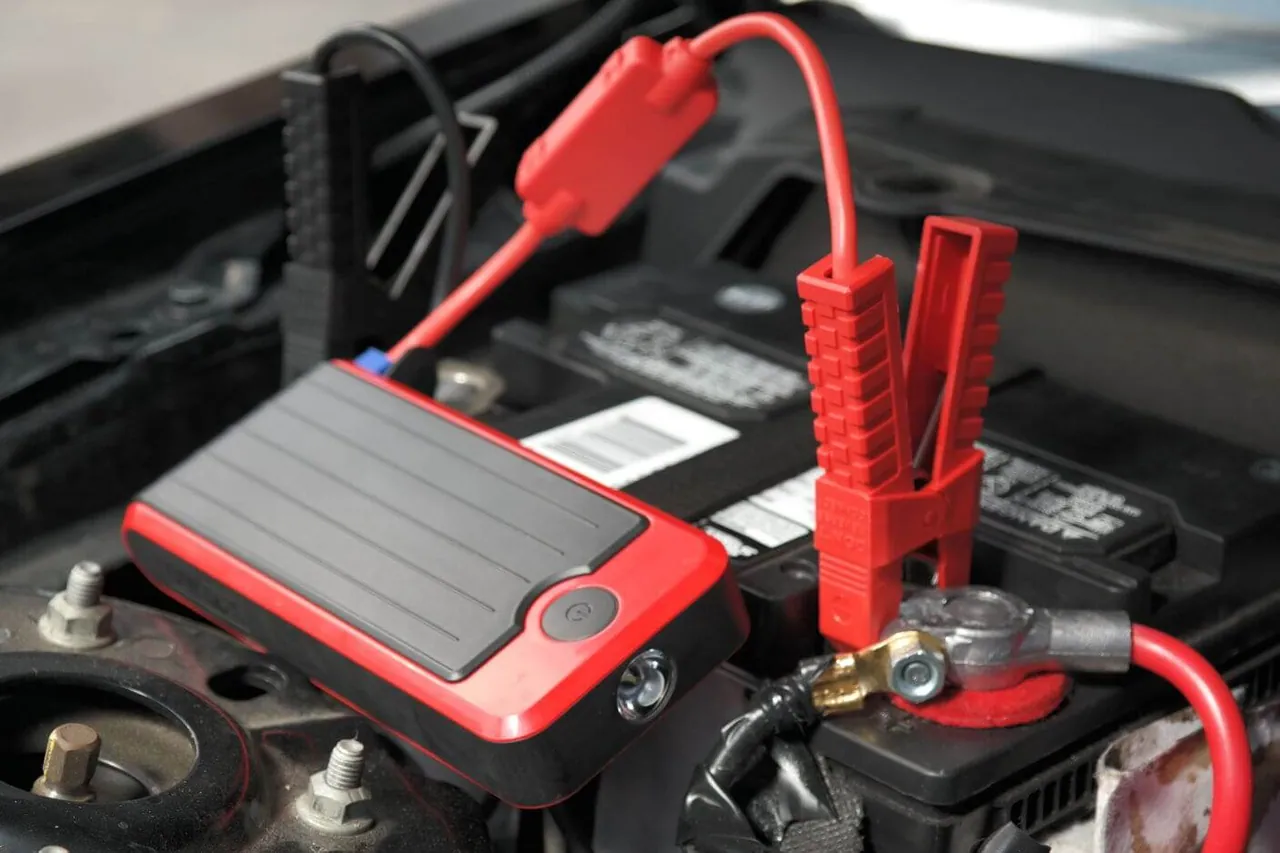
Turn off the donor vehicle's engine, switch off the ignition, and shut down all electrical accessories in both vehicles.
Follow this sequence exactly:
- Connect the positive terminal to the recipient. Attach the red clamp to the positive (+) terminal of the dead battery.
- Connect the positive terminal to the donor. Attach the other end of the red cable to the positive (+) terminal of the charged battery.
- Connect the negative terminal to the donor. Attach the black clamp to the negative (–) terminal of the charged battery.
- Connect the negative cable to a ground point. Attach the other end of the black cable not to the dead battery's negative terminal, but to a solid, unpainted metal part of the recipient vehicle's engine or to the designated grounding point on the vehicle.
Connecting the cable to a ground point away from the battery reduces the risk of igniting hydrogen gas that may be released by the discharged battery if a spark occurs.
Starting the Engine and Protecting the Electronics
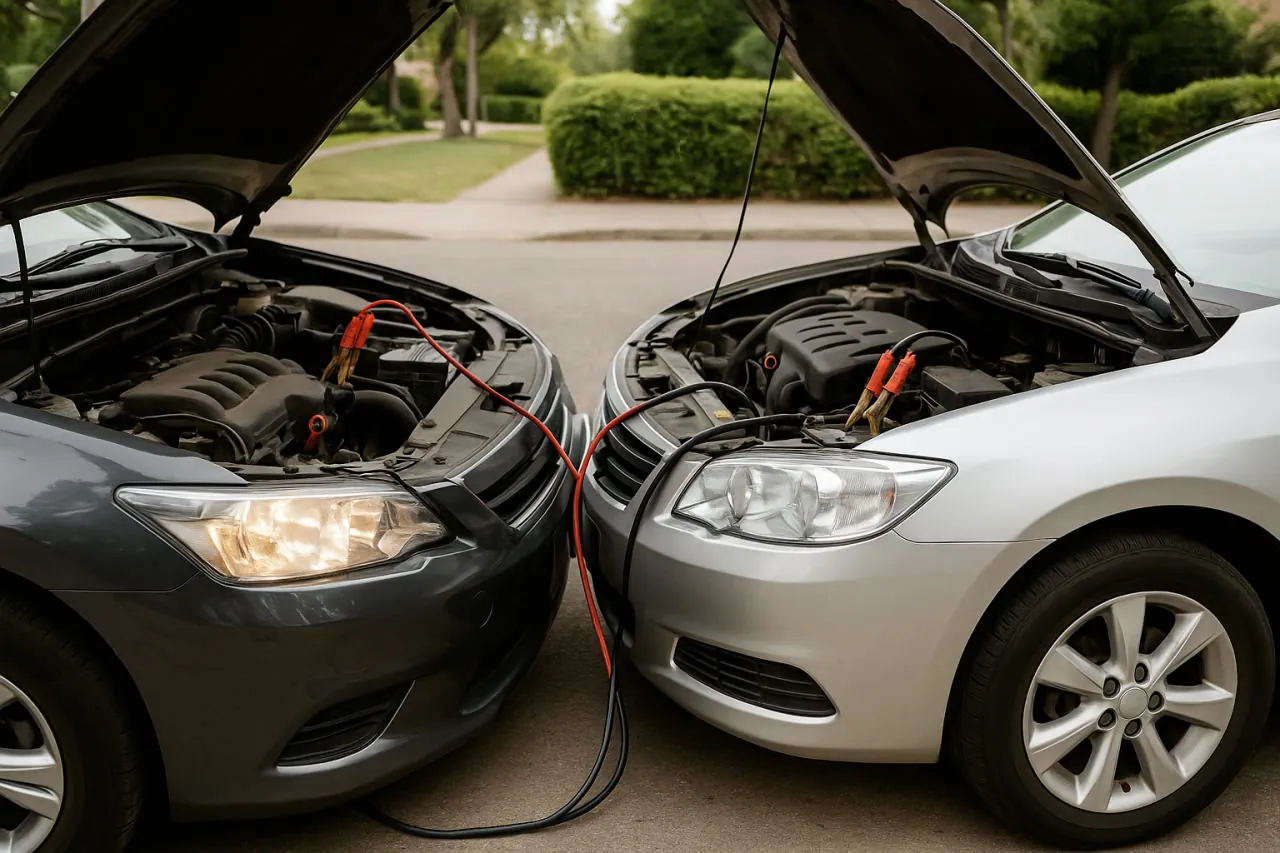
After connecting the cables, wait about 10 minutes. If the recipient battery is deeply discharged, you can start the donor vehicle and let it run at about 2,000 rpm to give the dead battery a small charge.
One critical detail: before cranking the engine in the disabled vehicle, shut off the donor vehicle's engine and switch off its ignition. This helps protect the donor vehicle's alternator and engine control module from a powerful reverse voltage spike. If the engine does not start after three attempts, the problem may not be electrical, and roadside assistance should be called.
Disconnecting the Cables
After the engine starts successfully, let it idle, then disconnect the cables in the exact reverse order: first the negative cable from the grounded point on the restarted vehicle, then the negative cable from the donor, followed by the positive cable from the donor, and finally the positive cable from the recipient.
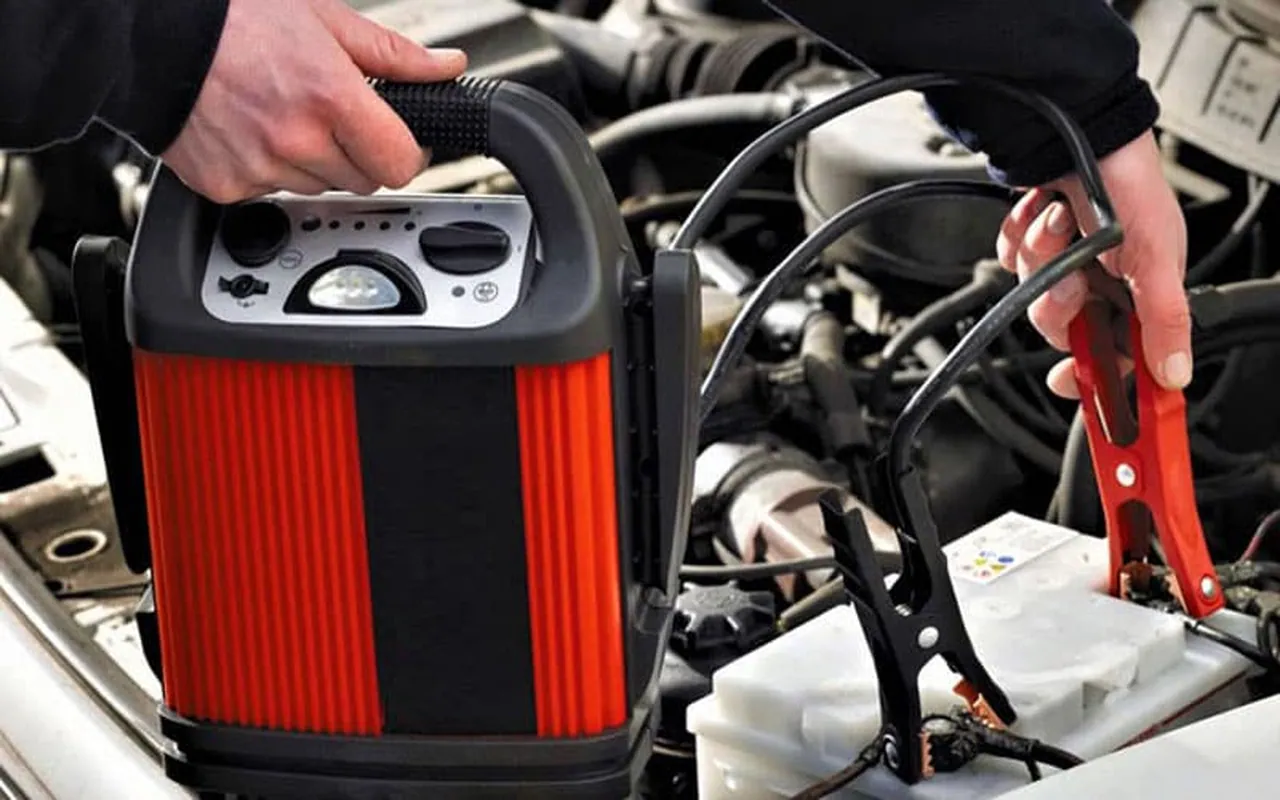
For drivers who prefer not to take the risk, portable jump starters have become an ideal alternative. They are compact, include built-in short-circuit protection, and allow you to start a vehicle without assistance or placing additional load on another vehicle's electrical system.
You may also be interested in the news:
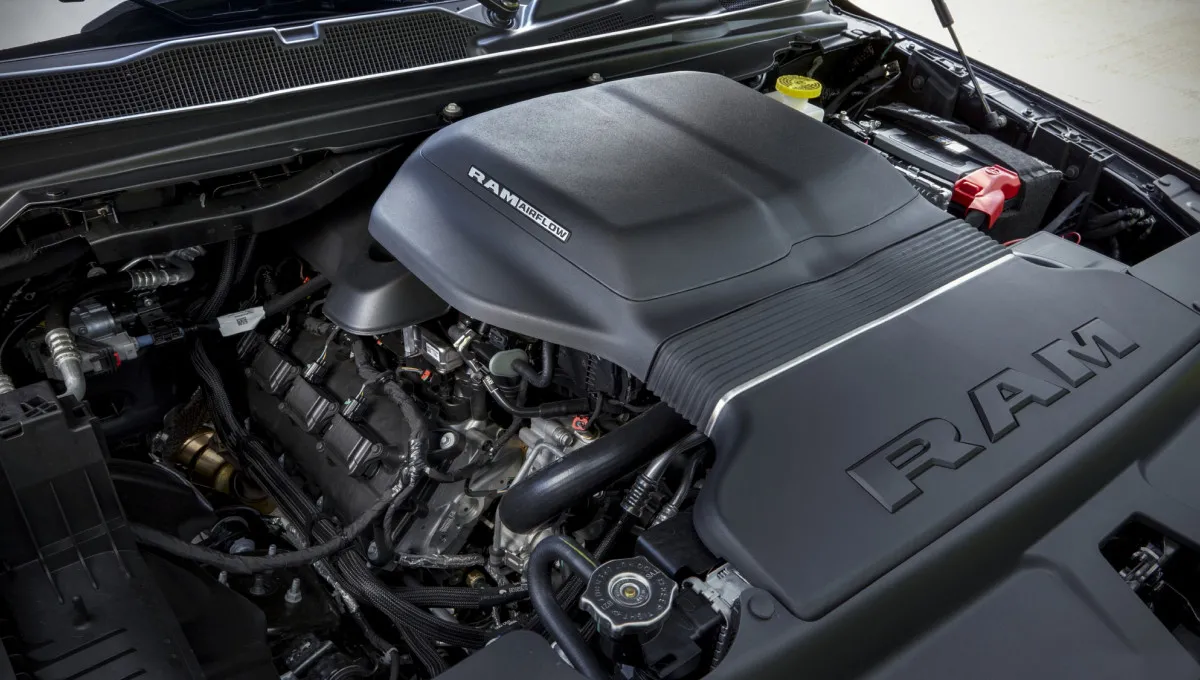
Your Engine Could Be Warning You: 6 Problems That Can Make a Car Run Rough
Engine problems rarely happen without a reason, and six common issues can cause a car to run poorly.
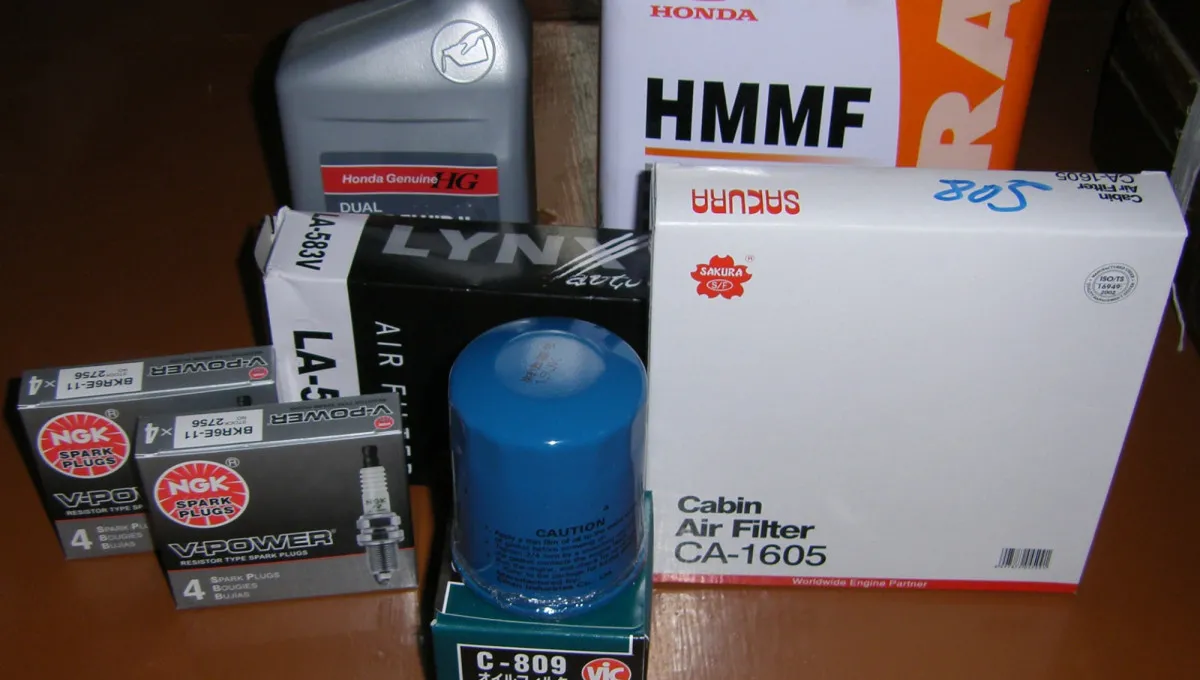
Changing Your Car’s Filters: How to Do Basic Maintenance Yourself Without Damaging the Engine
Changing the oil, engine air filter and cabin air filter yourself can save money, but small mistakes can cause expensive problems.
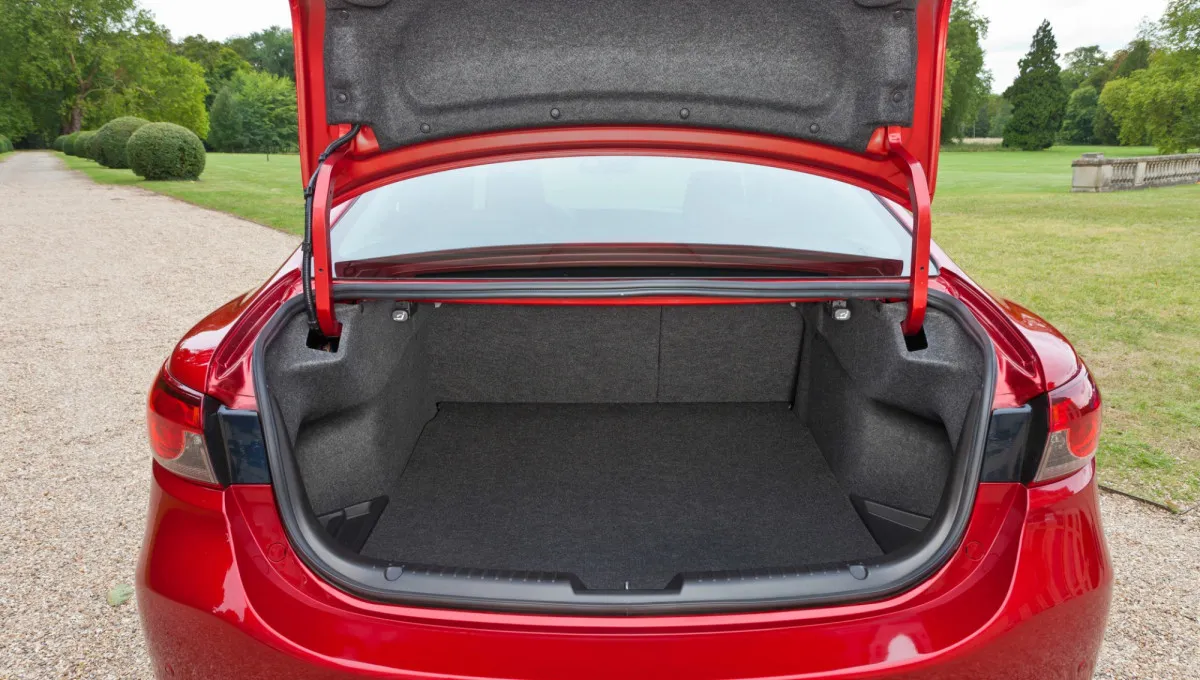
That Stuff in Your Trunk Is Costing You More Than You Think—Here’s What to Take Out
Carrying unnecessary cargo can quietly increase fuel use, accelerate wear and create an avoidable safety hazard for drivers and passengers.
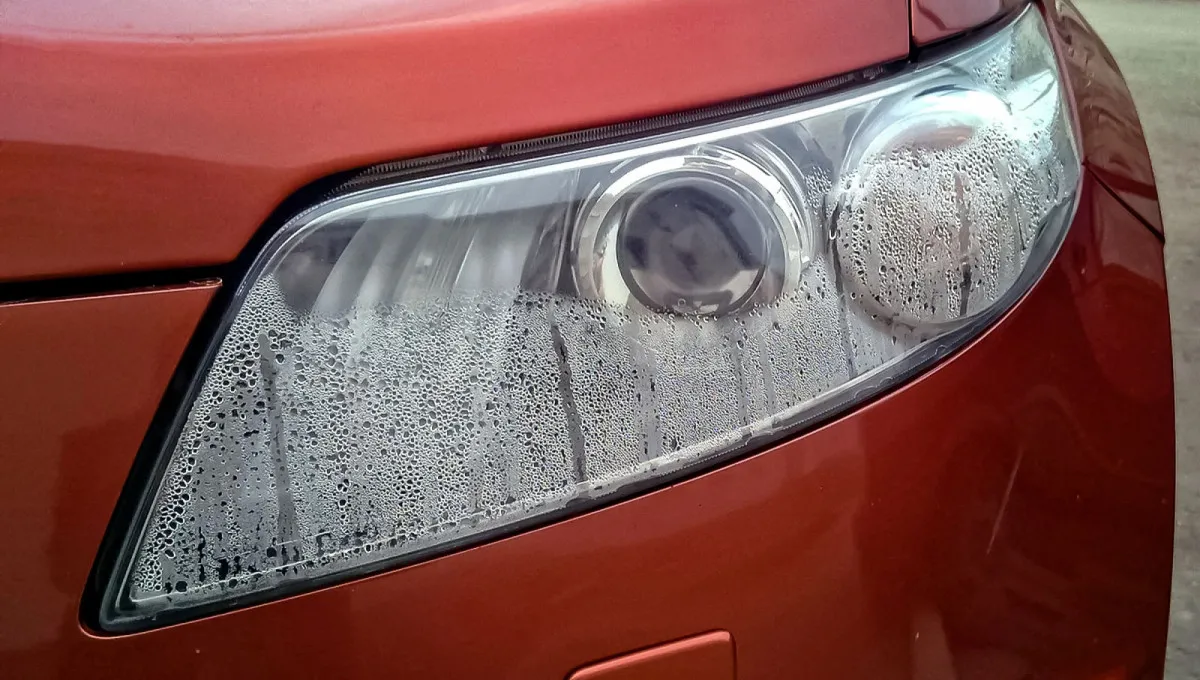
Your Headlights Are Fogging Up for a Reason: 4 Causes and 5 Steps to Fix Them
Foggy headlights are not always a sign of damage, but persistent condensation can point to a problem that needs attention.
Why Is Your Car’s Suspension Making a Knocking Noise? 5 Symptoms Every Driver Should Know
Five common suspension noises can point to specific problems, helping drivers narrow the cause before inspection.