
Why Your Automatic Transmission Has a Manual Mode—and When You Should Actually Use It
Manual mode isn’t just a sporty feature. It can improve traction, enhance vehicle control, and help drivers tackle challenging road conditions.
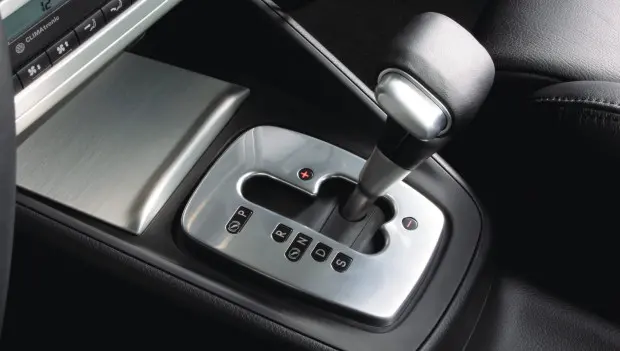
Automatic transmissions have become the norm in today's vehicles, but many drivers still aren't sure when—or why—they should use the manual shift mode. That applies not only to traditional automatic transmissions but also to dual-clutch gearboxes and continuously variable transmissions (CVTs), many of which offer some form of manual gear selection.
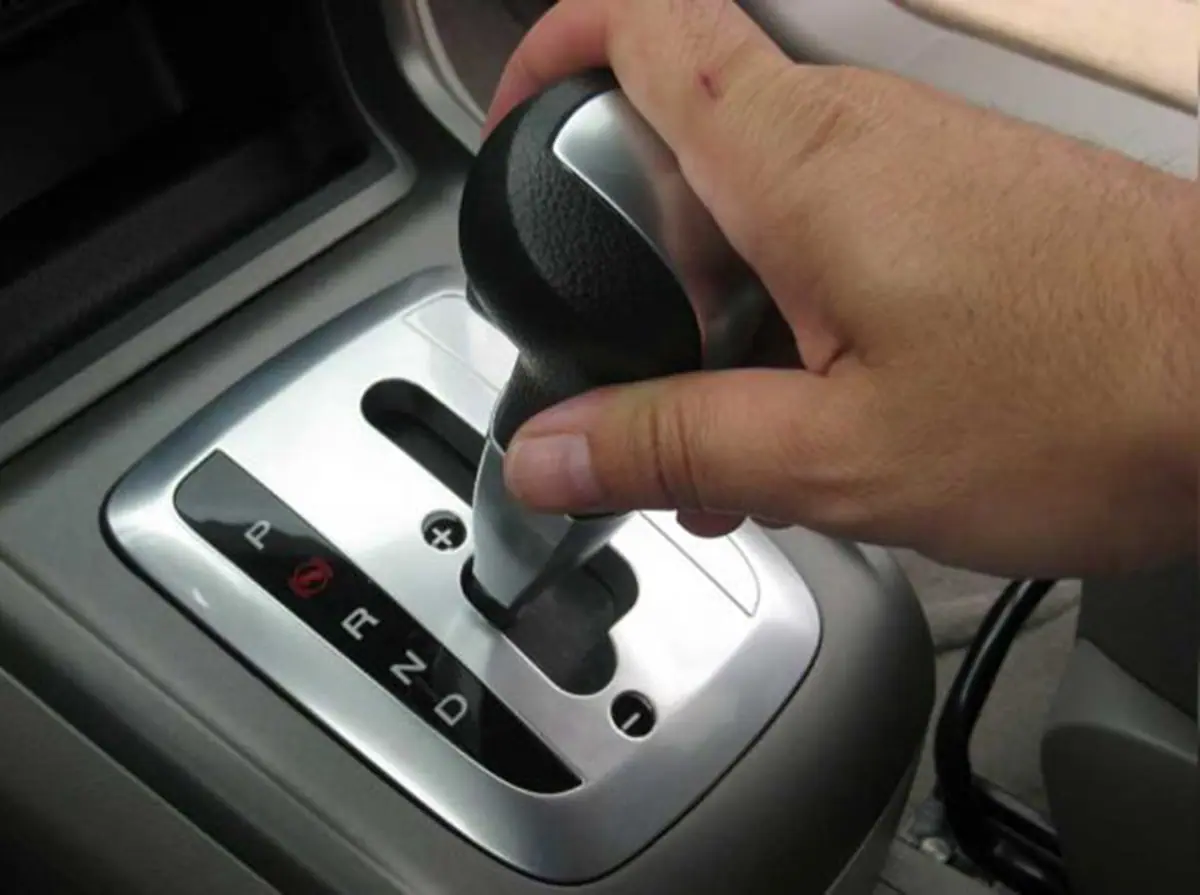
The primary purpose of manual mode is to give the driver direct control over gear changes instead of leaving every shift to the transmission's computer. This can be especially useful when driving in situations where automatic shifting isn't ideal.
For example, if a vehicle gets stuck in mud or snow, manual mode can prevent the transmission from constantly hunting between gears while the drive wheels spin. Locking the transmission into a specific gear allows for smoother power delivery and can improve the chances of regaining traction.
Manual mode is also useful in several other driving situations. Drivers may want to select gears themselves when descending steep grades to take advantage of engine braking, during maximum acceleration, or whenever road conditions reduce tire grip. In these scenarios, holding a chosen gear often provides more predictable vehicle control than relying on automatic gear changes.
Using manual mode is straightforward in most modern vehicles. Depending on the model, the gear selector typically includes an M (Manual) position. Once selected, the instrument cluster indicates that manual shifting is active. Drivers can then change gears using the shift lever, selector, rotary controller, or steering wheel-mounted paddle shifters.
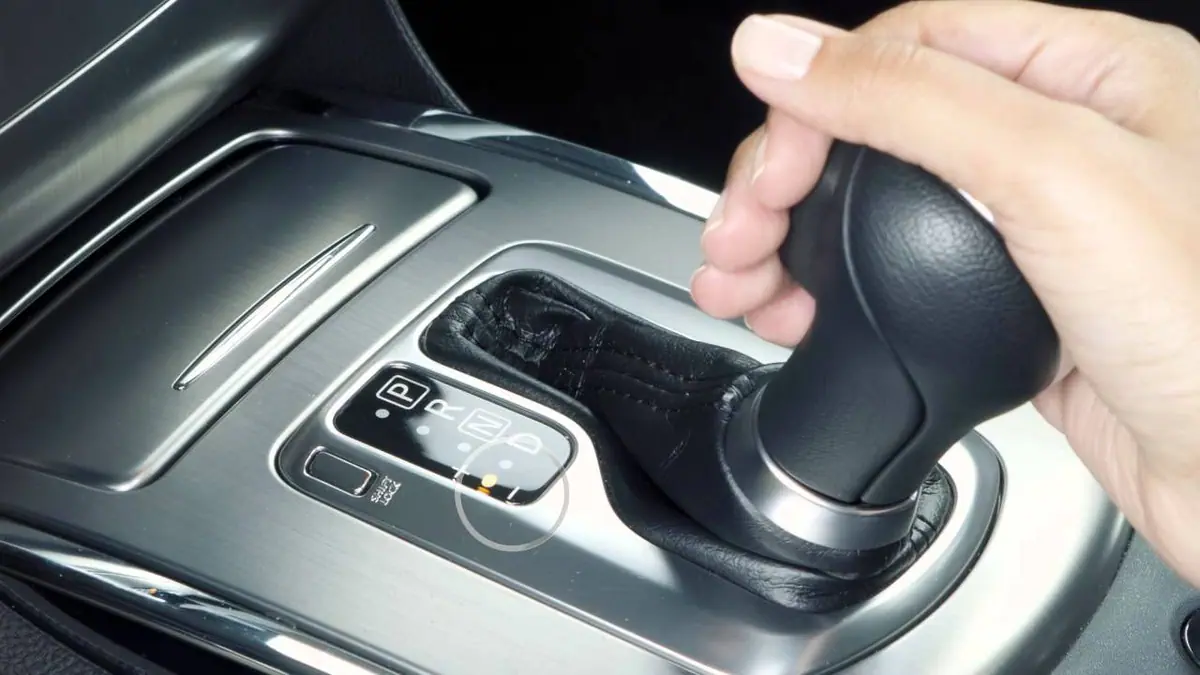
On vehicles with a traditional gear lever, shifting is usually as simple as nudging the selector forward or backward to upshift or downshift. After the challenging driving situation has passed, the transmission can be returned to Drive, allowing the automatic shifting program to resume normal operation.
In some cases, particularly after driving under heavy load, it's a good idea to stop the vehicle before switching between drive modes to reduce stress on the transmission.
It's also worth noting that not every automatic transmission includes a manual mode. While the feature is common on most modern vehicles, many automatic transmissions found in cars built more than two decades ago were designed without it. Those older gearboxes were primarily engineered for everyday city driving rather than giving drivers greater control in demanding conditions.
You may also be interested in the news:
3 Signs Your Car Battery Is About to Die — And the Warning Signs Drivers Often Miss
A failing car battery rarely dies without warning, and these three signs can give drivers time to act before getting stranded.
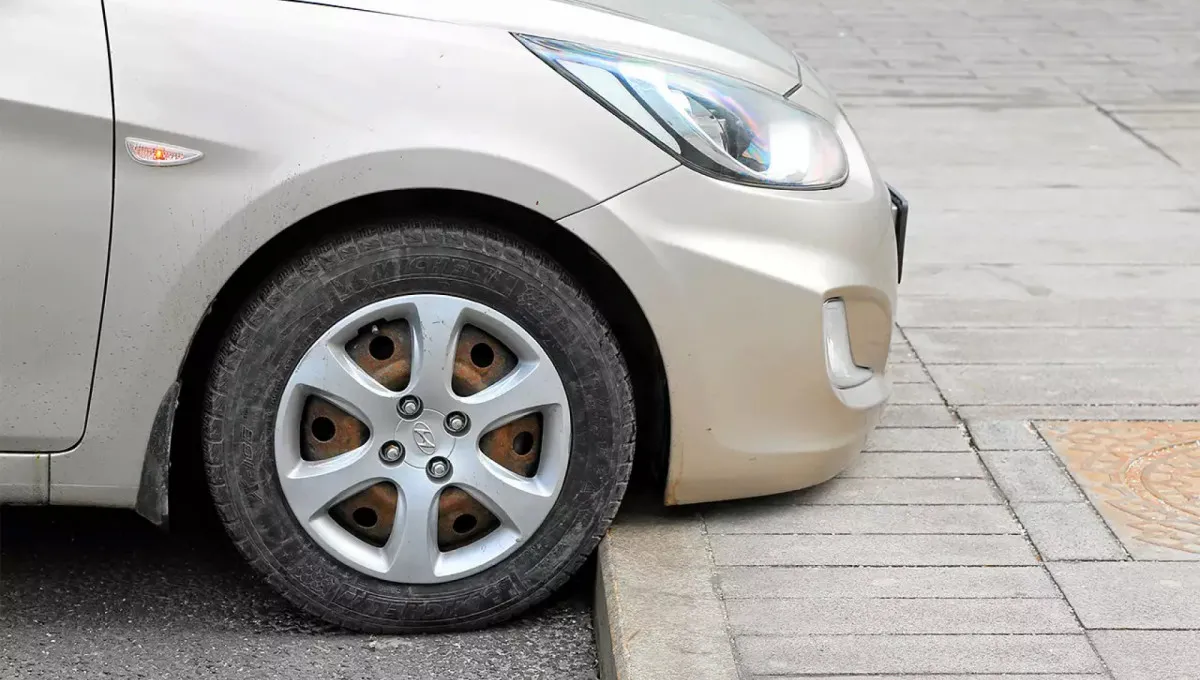
How to Park Close to a Curb Without Scratching Your Bumper: The Two-Mirror Method
How to Park Close to a Curb Without Scratching Your Bumper: The Simple Mirror Trick
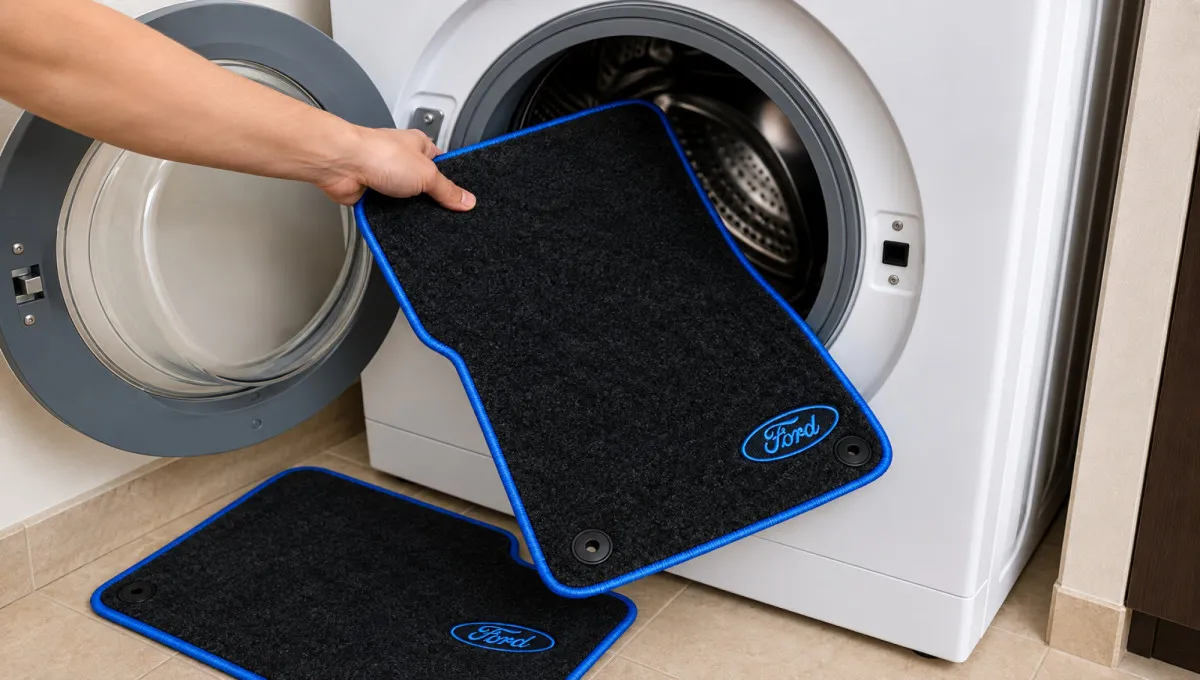
Can You Wash Car Floor Mats in a Washing Machine? Experts Have the Answer
Think Twice Before Washing Your Car Floor Mats in the Washing Machine, Experts Warn.
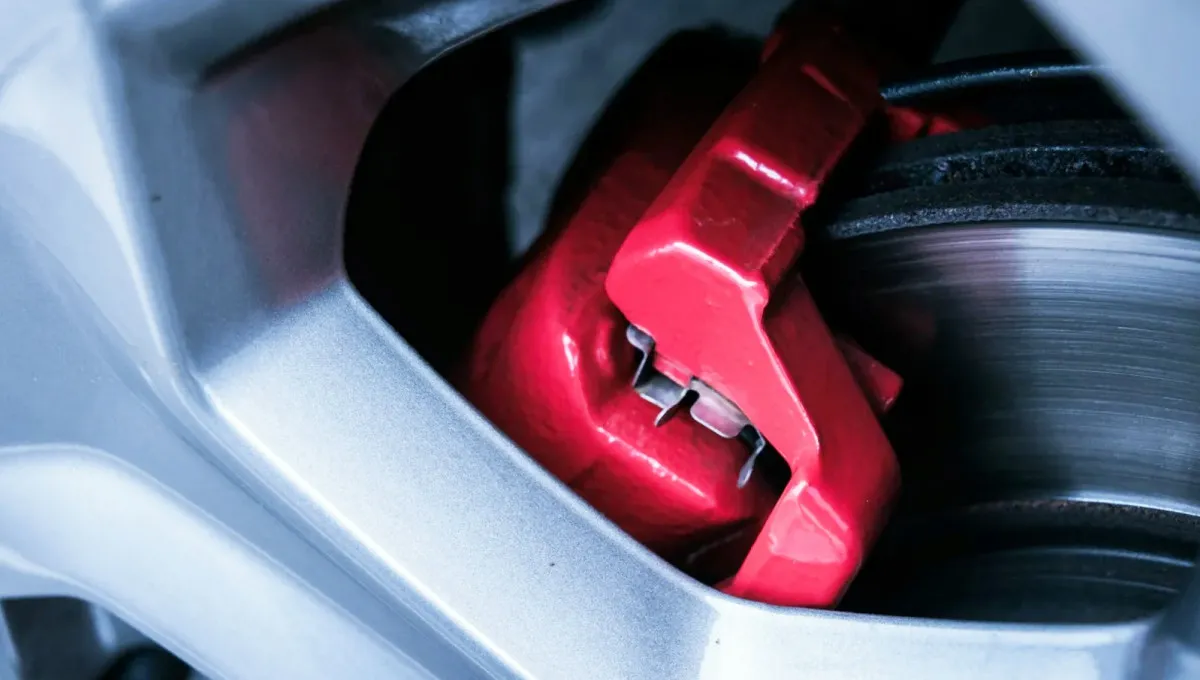
Your Brakes Squeal Every Morning? Here’s When That Noise Is Normal—and When It Could Mean Trouble
That sharp brake squeal first thing in the morning is often harmless—but persistent noise can point to worn or damaged brake components.
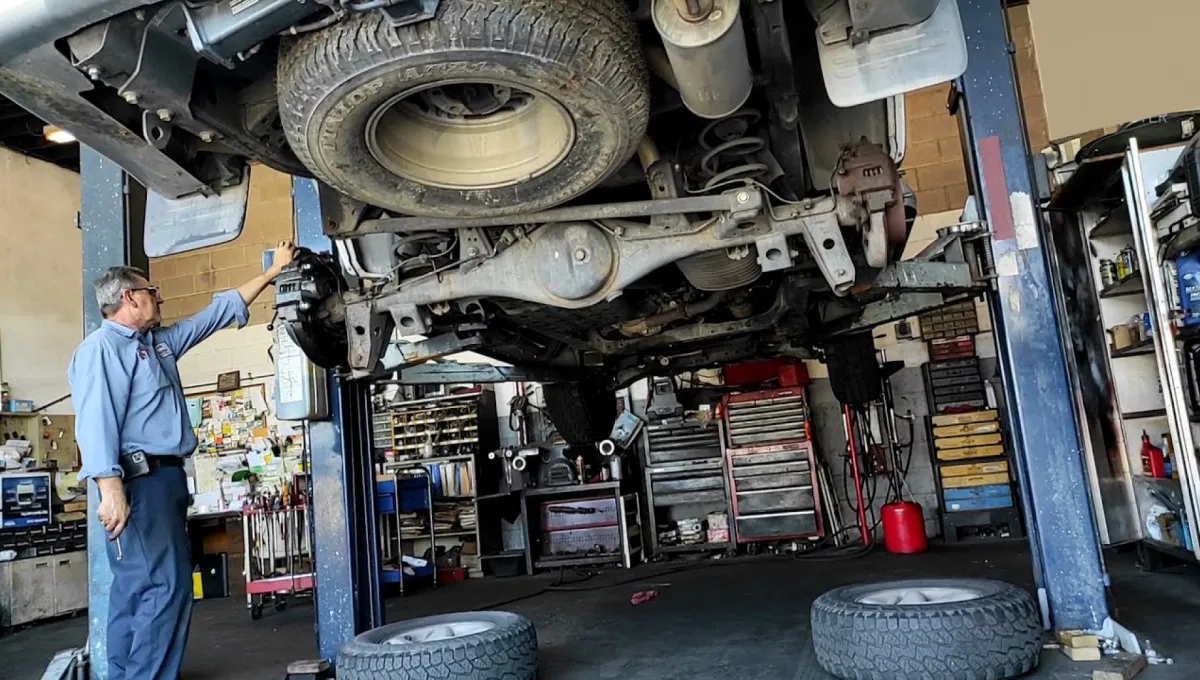
7 Car Repairs Mechanics Secretly Hate Taking on — Here’s Why Shops Say “No”
A mechanic explains why some seemingly routine repairs can become expensive nightmares for both shops and car owners.