
Mazda Patents New EGR System for Rotary Engine in the U.S.
Mazda is keeping quiet about a potential production rotary-powered model, but a new U.S. patent suggests the technology remains alive.
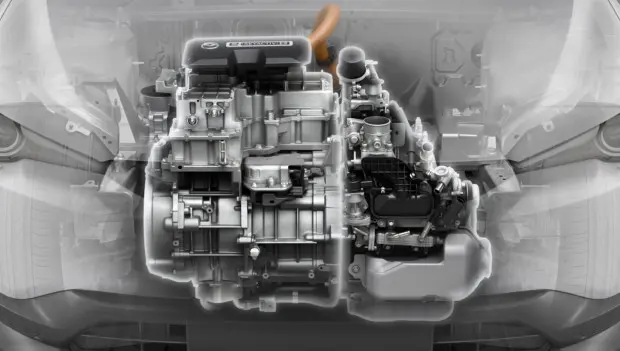
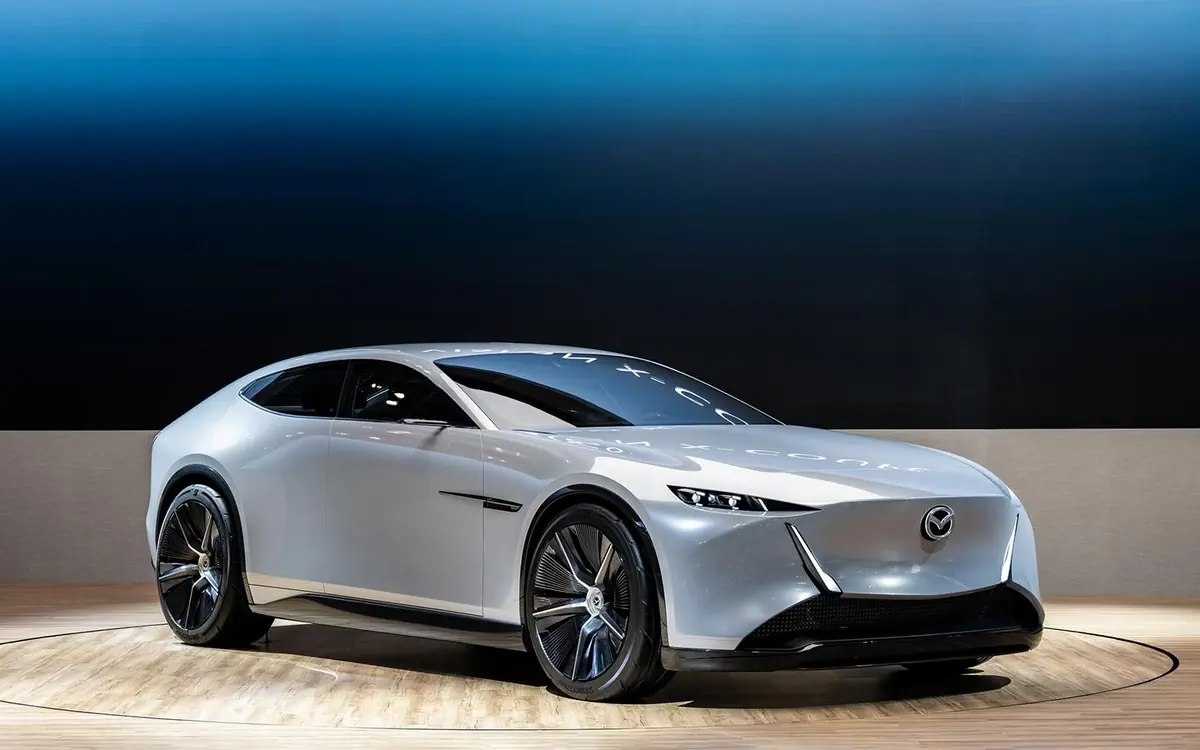
Mazda isn't making any bold claims about an upcoming production vehicle with a rotary powertrain, but the appearance of a new patent is telling. The Japanese automaker clearly hasn't abandoned the idea of preserving its iconic rotary technology, even as the global auto industry continues its shift toward electrification. There is still no confirmed connection between the new engineering development and a possible production version of the Iconic SP or Vision X-Coupe concepts.
The most interesting part of the patent application, filed in the United States, is the exhaust-gas recirculation system it describes for a rotary engine. In simple terms, Mazda's engineers propose splitting the engine's exhaust flow into several paths.
One passage connected to a side port would direct exhaust gases toward a turbocharger. Another stream, routed through a peripheral passage, would be cooled before being sent back into the engine. The approach can reduce intake-air temperatures while also helping improve the engine's emissions performance.
The patent describes another operating strategy as well. Under heavy engine loads, when recirculating exhaust gases becomes less important for reducing emissions, the cooled exhaust stream could instead be routed directly to an additional catalytic converter.
The solution makes sense in an era of increasingly stringent emissions regulations. Earlier Mazda rotary engines didn't use a system like this, but they also operated under much less demanding emissions standards. Today, bringing a rotary engine back into series production without technologies aimed at controlling emissions would be extremely difficult.
Mazda's rotary-engine story spans more than half a century. The technology first appeared in a production Mazda with the Cosmo Sport in the late 1960s. The rotary era finally came to an end in 2012, when production of the RX-8 ended. The RX-7 remains the brand's best-known and most successful rotary-powered model, with three generations produced over the years.
Mazda itself has helped keep interest in the technology alive. In recent years, the company has repeatedly highlighted its unusual engineering heritage through striking concept cars. The Iconic SP has attracted particular attention, while the Vision X-Coupe was previously shown with a turbocharged rotary engine.
But there is a major difference between a concept car and a production vehicle. Any rotary engine intended for the road would need to deliver competitive performance while also passing durability, reliability, and emissions testing required for a modern production vehicle.
Another recent Mazda development makes the situation even more interesting. Engineers are already working on the next-generation MX-5 Miata, known internally by the NE designation. The roadster is reportedly being developed with the possibility of a fully electric version in mind.
For now, Mazda appears to be pursuing both paths at once: preserving its distinctive engineering heritage while preparing for a rapidly changing automotive market.
You may also be interested in the news:

No Roads, No Map, No Car: The $50 Bet That Sent a Doctor Across America
In 1903, one doctor bet $50 he could drive from San Francisco to New York.

Stellantis Just Revealed Nine New Cars Under $40,000 — And Two Could Cost Less Than $30K
Stellantis plans nine cheaper vehicles as high prices leave American shoppers with fewer affordable new-car choices.
This Tiny Home on Wheels Sleeps 5 — And It's Far More Spacious Inside Than It Looks
A tiny home on wheels turns limited space into a surprisingly comfortable setup for family road trips.
The “Leader of the Dodge Rebellion”: The 1966 Dodge Charger
The Dodge Charger has endured for 60 years, but its story began with an unlikely 1966 debut.
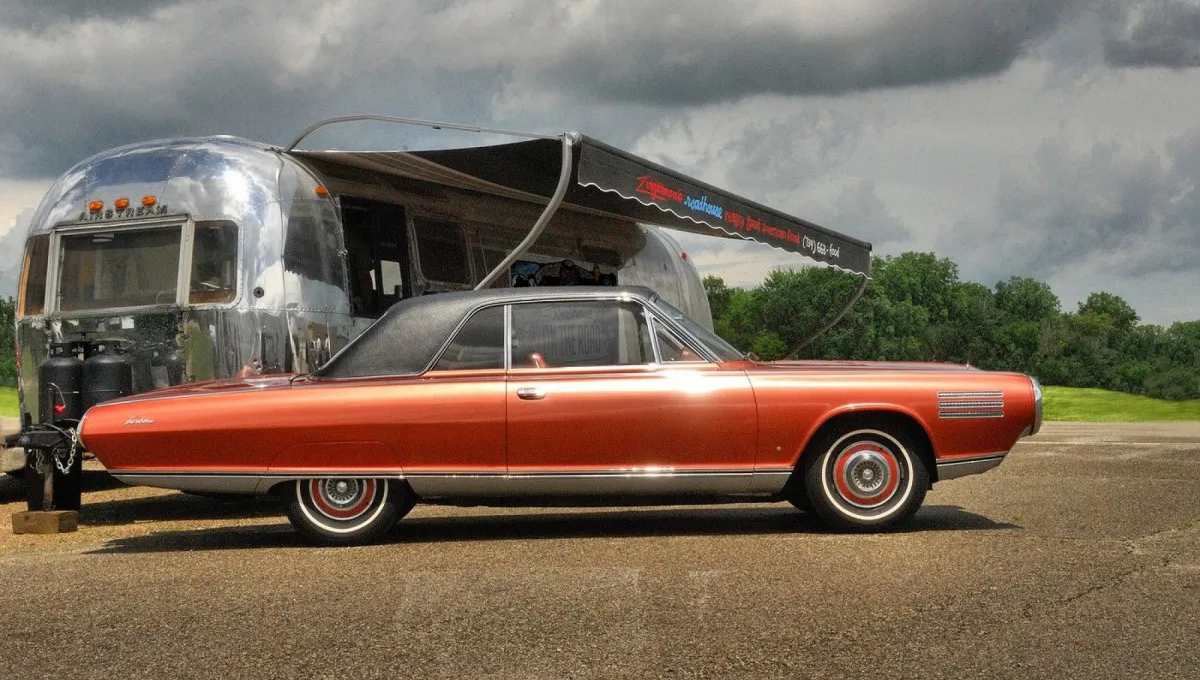
The Gas Turbine Chrysler Drove a Million Miles Across the U.S., Ran on Perfume, but Never Went Into Production
In late 1963, a strange new car hit American roads, turning heads with the unmistakable sound of a jet engine.