
10 Technologies That Changed the Automotive World
Which technologies helped shape the automotive world into what it is today?
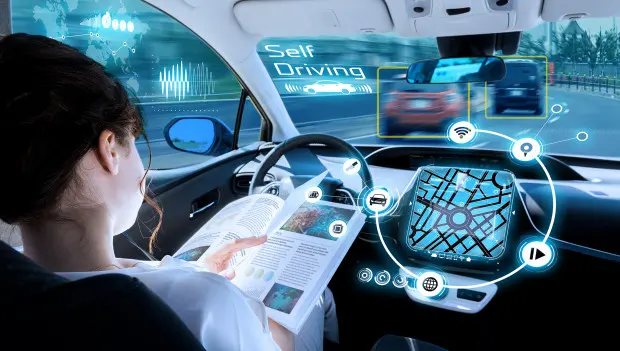
Cars didn't evolve simply because engines got more powerful or designs became more attractive. The biggest changes came from technologies that initially seemed strange, expensive, or unnecessary, but eventually became standard equipment. Today, it's hard to imagine an everyday car without many of them.
1. The Assembly Line
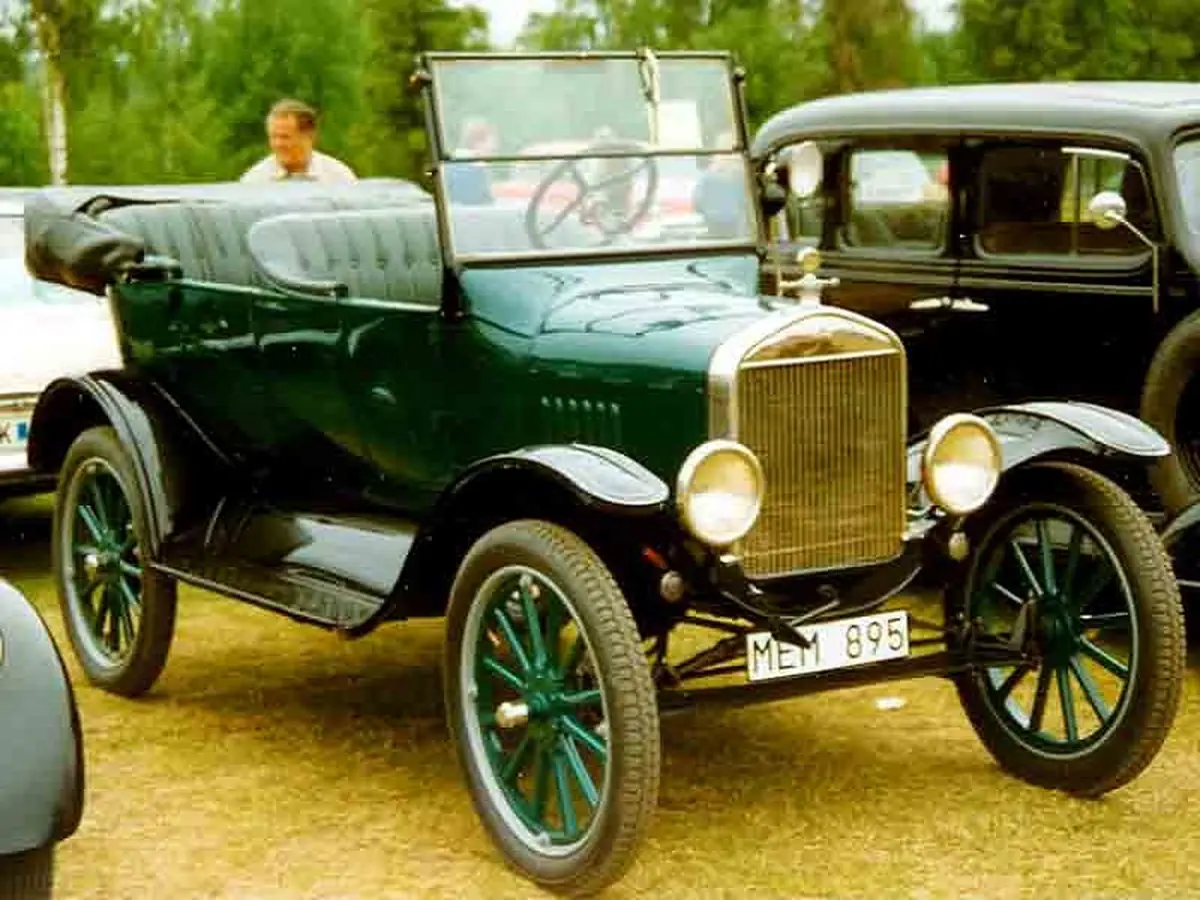
Before the assembly line, cars were almost handcrafted products. Building one took a long time, cost a lot of money, and required plenty of manual labor. Moving to a production line changed the economics of the automobile itself: production became faster, prices fell, and cars became mass-market products instead of toys for the wealthy.
The important innovation wasn't just the Ford Model T, but the production philosophy behind it. Parts moved to workers at the right time, individual tasks were repeated, and quality became easier to control. That approach laid the foundation for the modern auto industry.
2. The Electric Starter
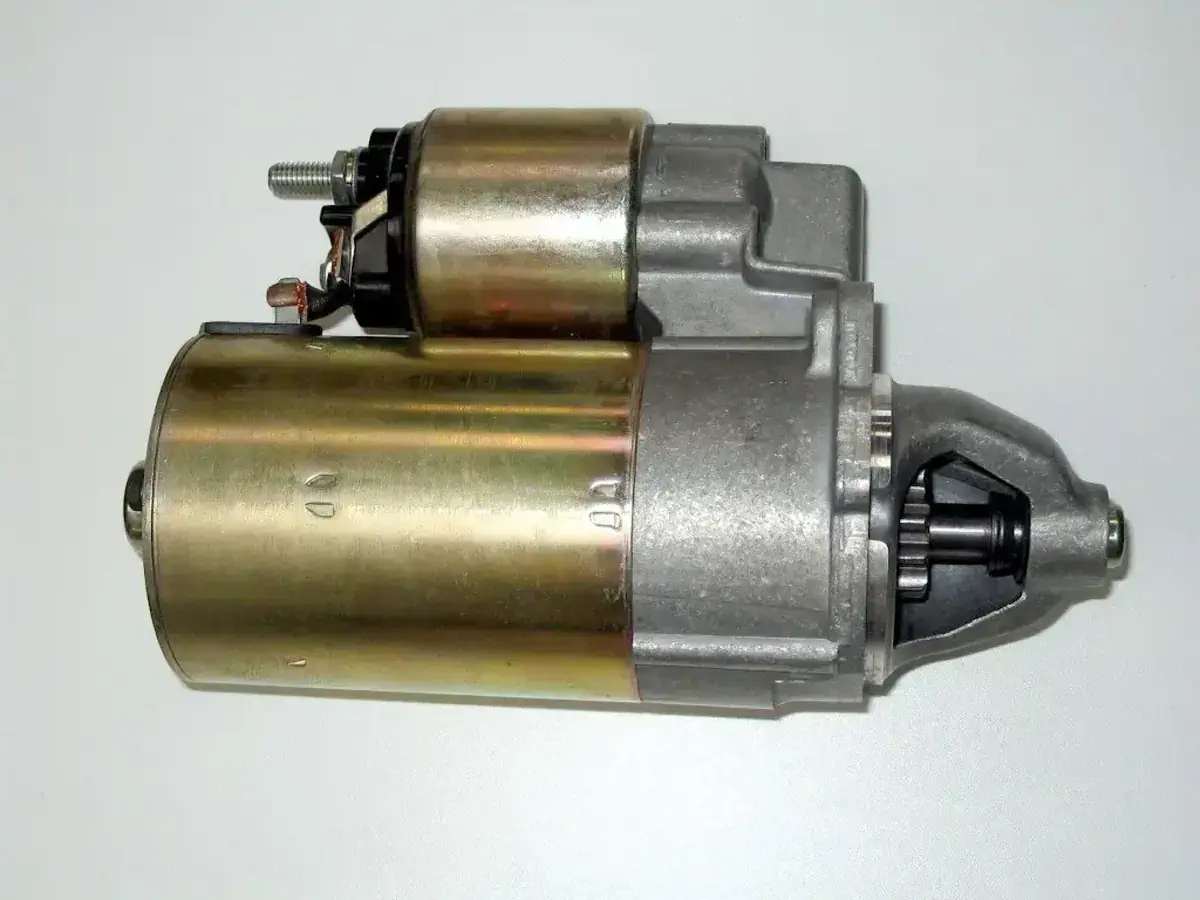
Early cars had to be started with a hand crank. It was inconvenient and potentially dangerous because engine kickback could seriously injure a driver's arm.
The electric starter turned starting the engine into a simple task: turn a key or press a button, and the engine comes to life. It may sound like a minor convenience, but technologies like this helped turn the automobile from a temperamental machine into an everyday appliance.
Cars became easier to operate for women, older drivers, and newcomers. You no longer needed the strength or mechanical know-how required just to get the engine running.
3. The Seat Belt
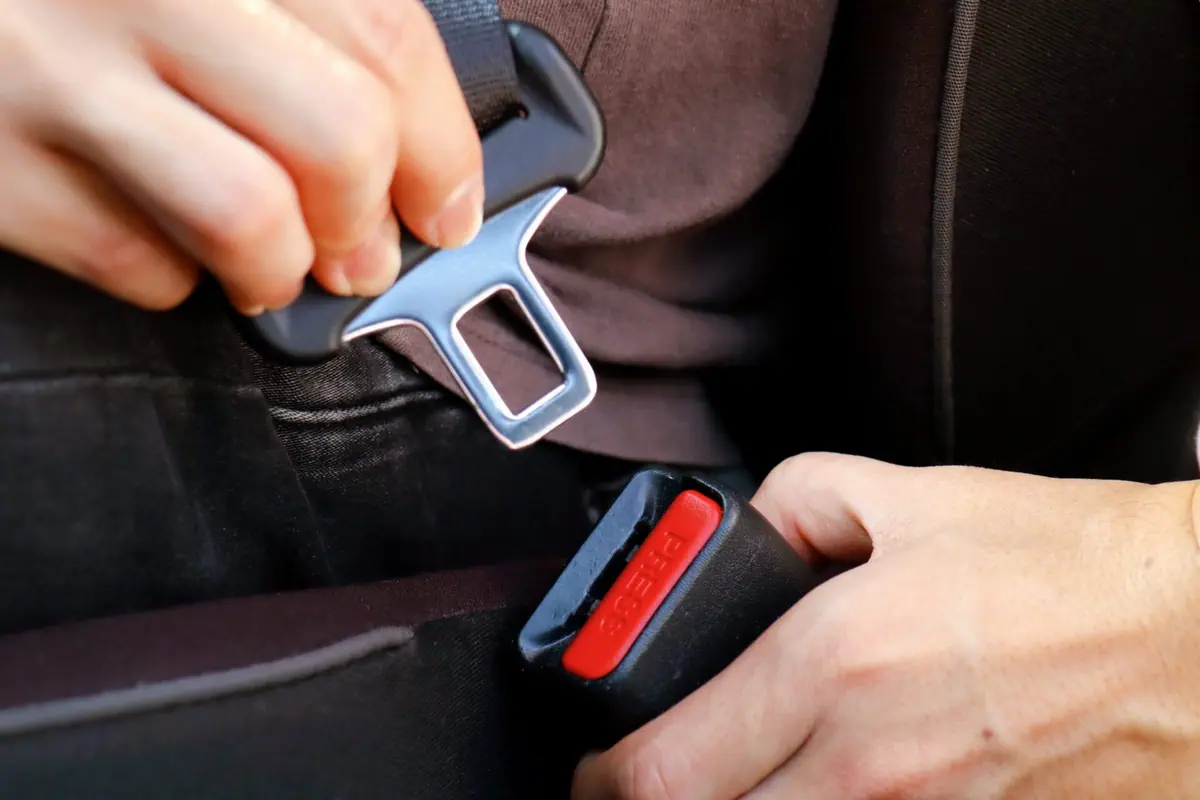
A seat belt doesn't make a car faster or more comfortable, but it saves lives. Its value comes from its simplicity: during a crash, it keeps occupants in their seats instead of sending them into the windshield, steering wheel, or dashboard.
The three-point seat belt became one of the most important safety innovations in automotive history. It's inexpensive, intuitive, and works together with modern crash structures, airbags, and pretensioners.
It's a rare example of a simple strip of fabric having a bigger impact on crash survival than many far more complicated systems.
4. Disc Brakes and ABS
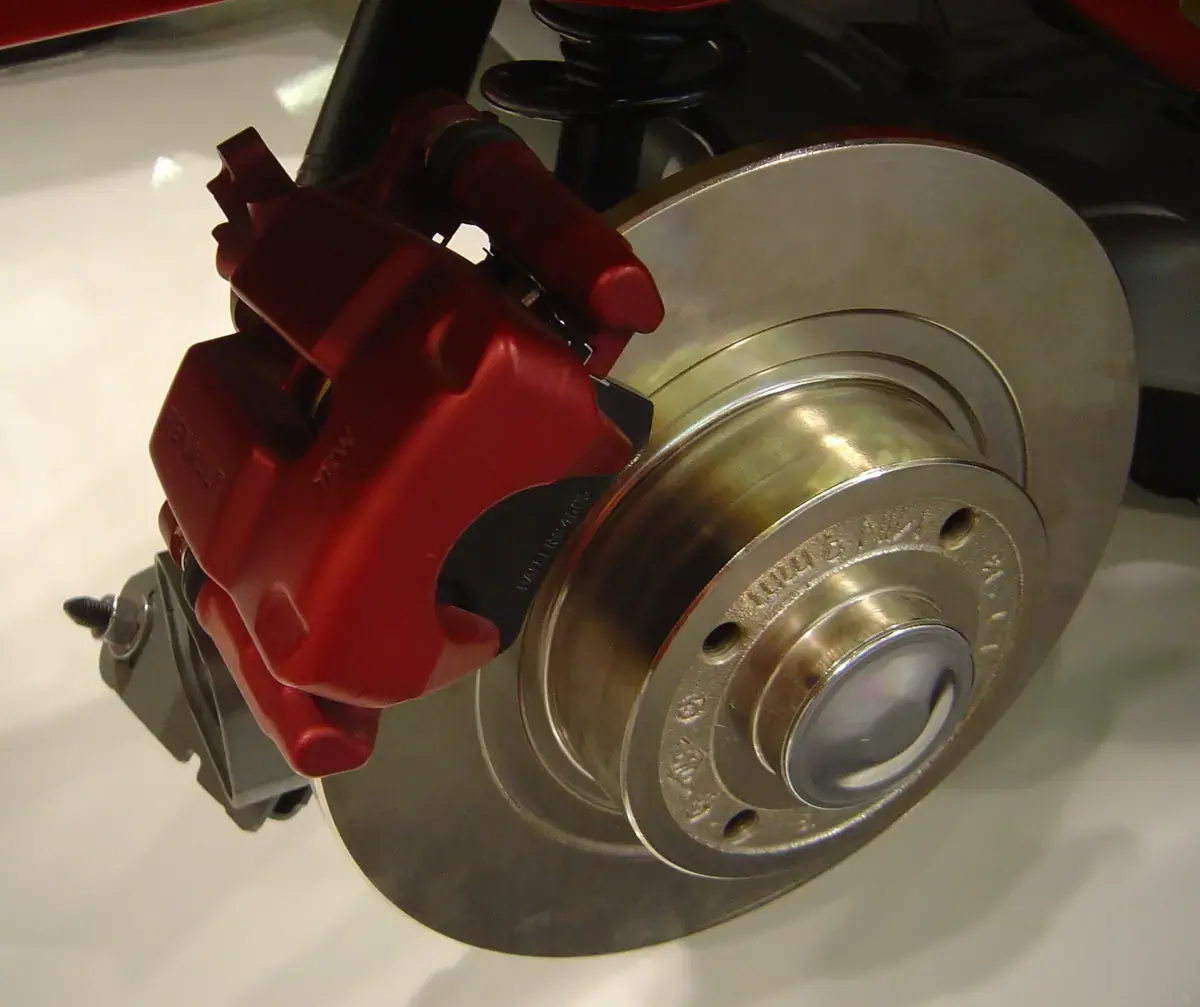
Disc brakes handle heat better and are better suited to hard driving, while anti-lock braking systems added something equally important: control.
Before ABS became common, a hard stab of the brake pedal could lock the wheels, leaving the driver unable to steer around an obstacle.
ABS doesn't repeal the laws of physics, and it doesn't always shorten stopping distances. What it does is help the driver maintain control. The system rapidly releases and reapplies brake pressure to prevent the wheels from locking completely.
For an average driver, that can make an enormous difference in an emergency.
5. Electronic Fuel Injection
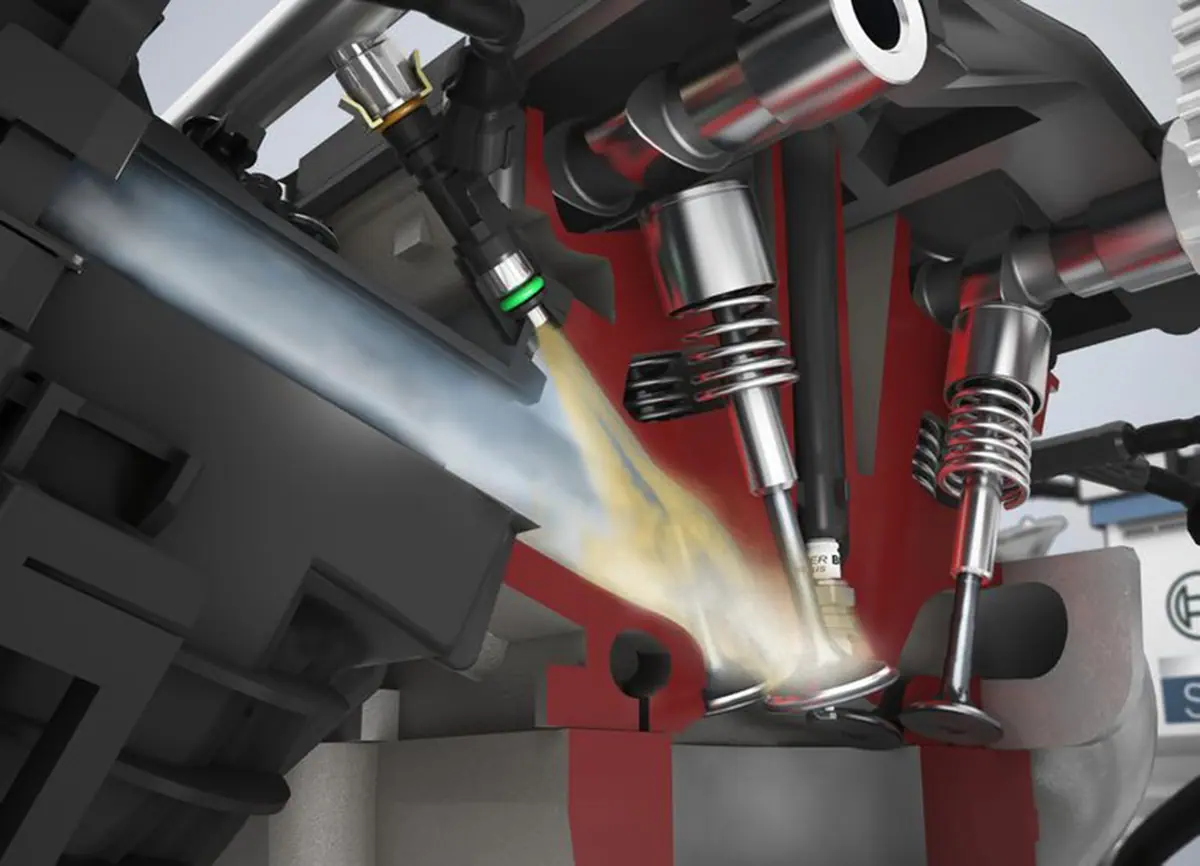
Carburetors were relatively simple, but they required tuning and struggled to meet increasingly strict emissions standards.
Electronic fuel injection changed how engines operated. Fuel could be delivered more precisely, cold starts improved, fuel consumption dropped, and emissions were reduced. The car's electronic control system began monitoring air flow, temperature, engine load, and RPM, then using that information to adjust the fuel mixture.
From that point on, the engine gradually became more than a collection of mechanical components. It became a system that could be controlled by software.
6. Turbocharging
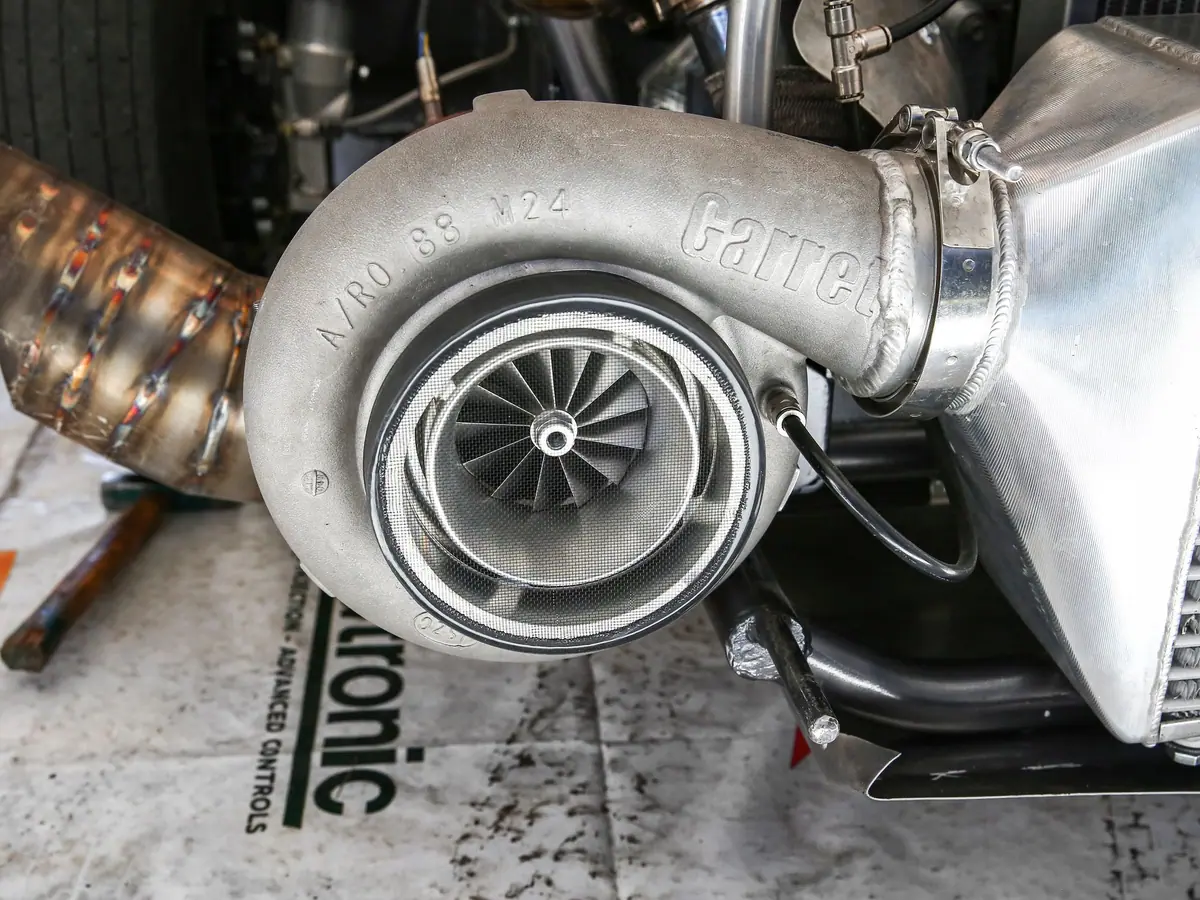
Turbochargers were once associated mainly with performance cars, but eventually they became common in everyday vehicles.
The concept is straightforward: a turbo uses energy from the exhaust to force more air into the engine. More air allows a relatively small engine to produce the kind of power traditionally associated with a larger one.
Turbocharging made it possible to build smaller, more efficient engines without giving up performance entirely. But it also introduced new requirements, including high-quality oil, proper cooling, and careful maintenance.
There is no such thing as free horsepower.
7. Airbags
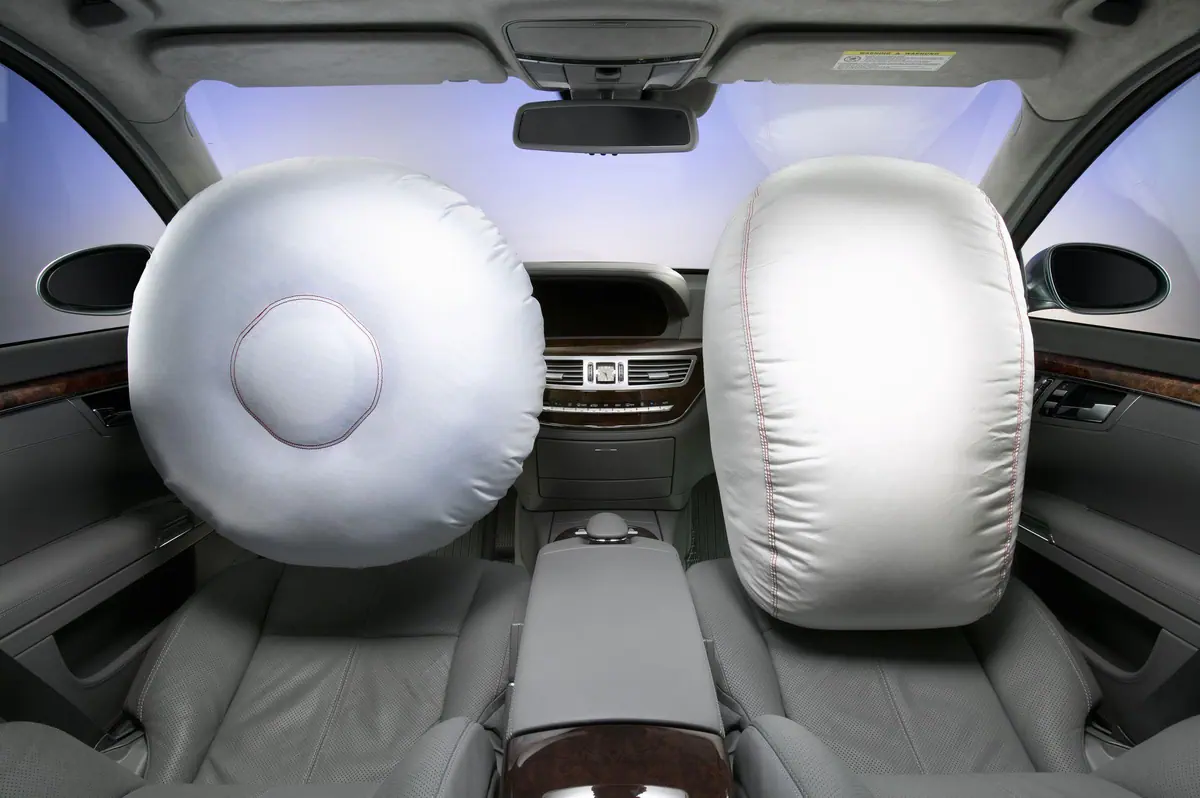
An airbag deploys in a fraction of a second, creating a softer surface between occupants and the steering wheel, dashboard, or other parts of the vehicle.
An airbag doesn't replace a seat belt; it complements it. The combination of seat belts, airbags, strong passenger compartments, and crumple zones has made modern crashes far less likely to be fatal.
Over time, airbags spread beyond the front of the vehicle. Side airbags, curtain airbags, knee airbags, and even center airbags between the front seats are now part of the automotive safety landscape.
8. Electronic Stability Control
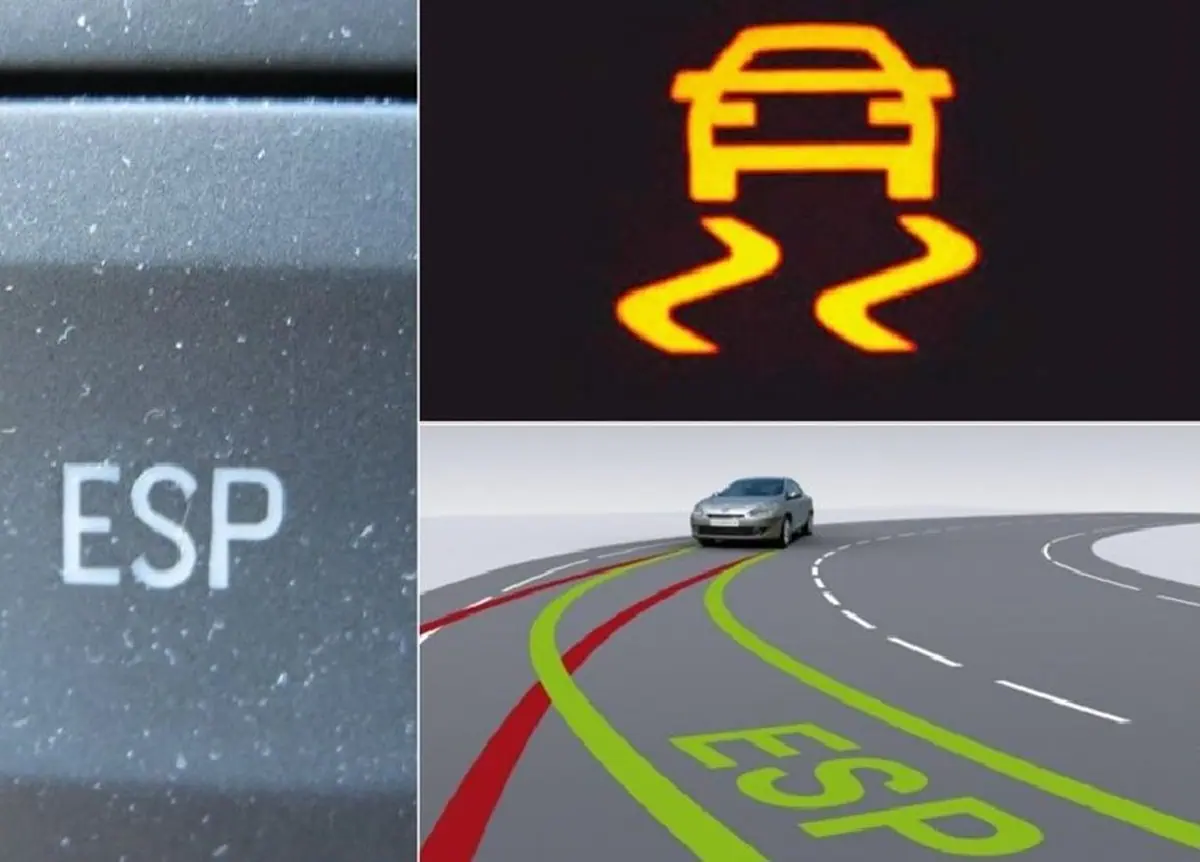
Electronic stability control, or ESC, has become an almost invisible guardian. A driver may not even realize the vehicle has started to lose traction when the system steps in, selectively applying the brakes and helping bring the car back onto its intended path.
ESC is especially valuable on slippery roads, during sudden evasive maneuvers, and in taller vehicles such as SUVs and crossovers.
It's not a gimmick designed only for inexperienced drivers. It's a serious safety system that can help compensate for a mistake, unexpected ice, or an overly aggressive steering input.
9. Hybrid Powertrains
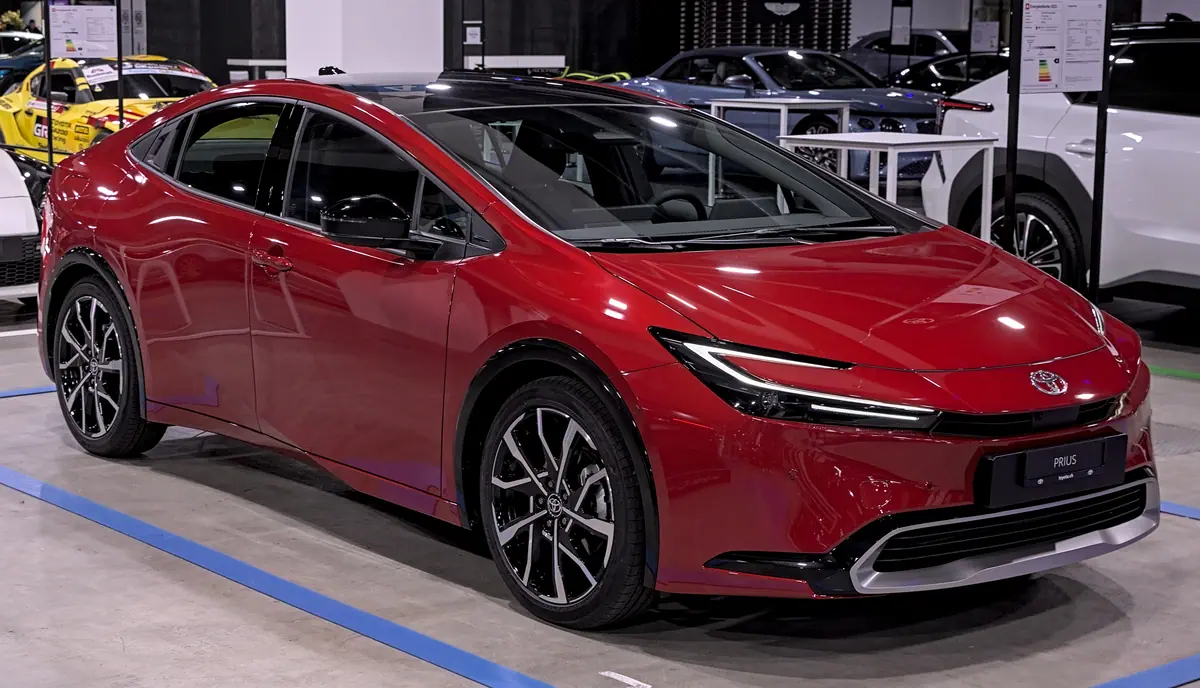
Hybrids proved that a gasoline engine doesn't have to do all the work by itself. An electric motor can assist during acceleration, recover energy during braking, and reduce the workload on the combustion engine around town.
The Toyota Prius brought the concept into the mainstream. Its unusual styling became almost as recognizable as its fuel economy, proving that efficiency could be a genuine selling point rather than just a figure on a spec sheet.
Hybrids eventually spread into taxis, crossovers, luxury sedans, and performance cars. The technology became a bridge between the traditional gasoline-powered automobile and the fully electric vehicle.
10. Cameras, Radar, and Driver-Assistance Systems
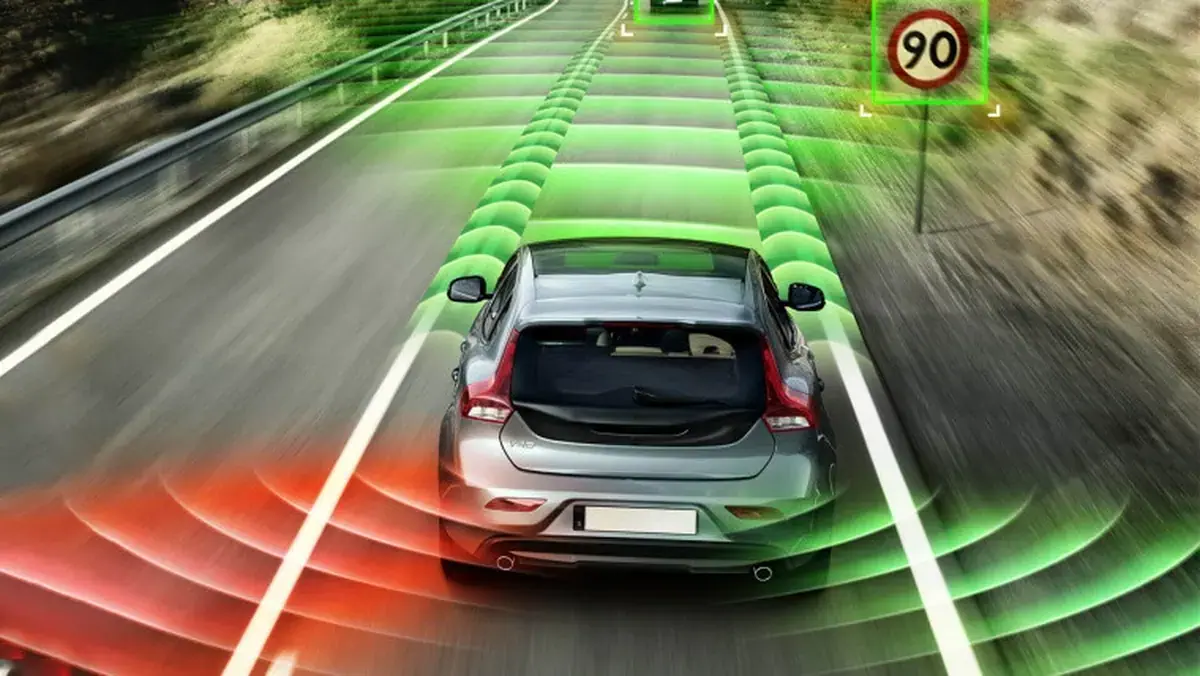
Drivers once relied almost entirely on their eyes, mirrors, and experience. Modern vehicles can now monitor the area around them using cameras, radar, and other sensors.
Rearview cameras, blind-spot monitoring, adaptive cruise control, automatic emergency braking, and lane-keeping assistance have all changed the driving experience.
These systems don't make a car fully autonomous, but they are already changing how people drive. A modern vehicle can warn the driver, provide an extra layer of protection, and sometimes react faster than a human can.
The important thing is not to confuse driver assistance with autonomous driving. The driver is still responsible for controlling the vehicle.
You may also be interested in the news:
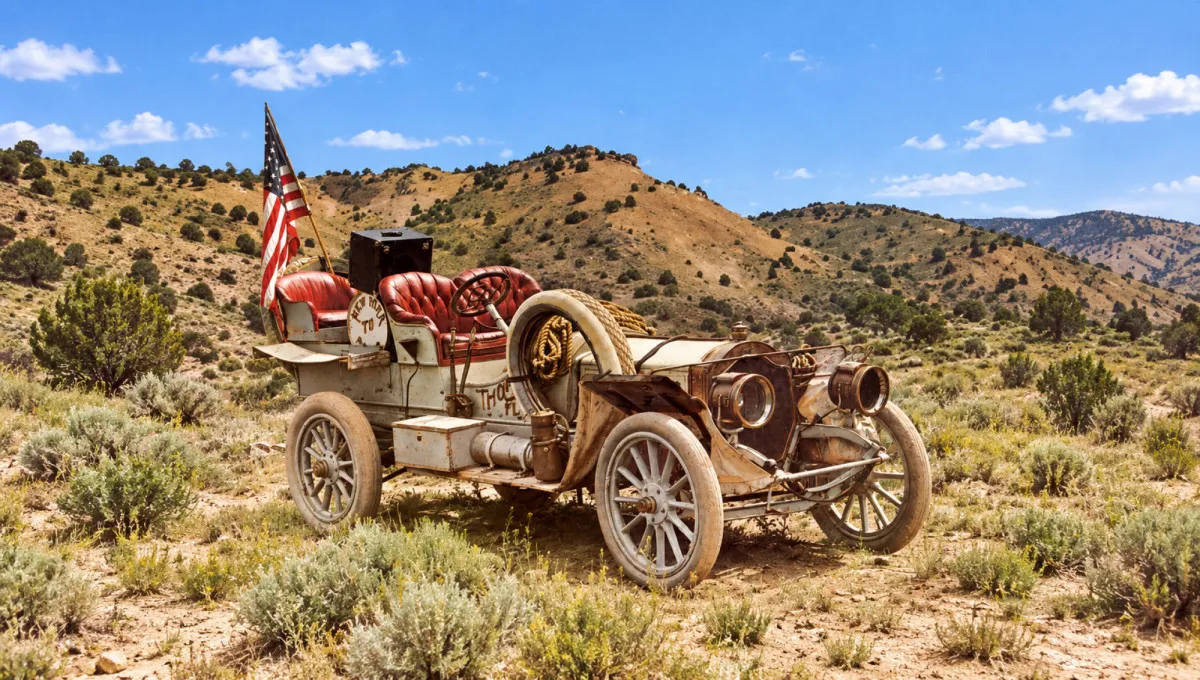
No Roads, No Map, No Car: The $50 Bet That Sent a Doctor Across America
In 1903, one doctor bet $50 he could drive from San Francisco to New York.
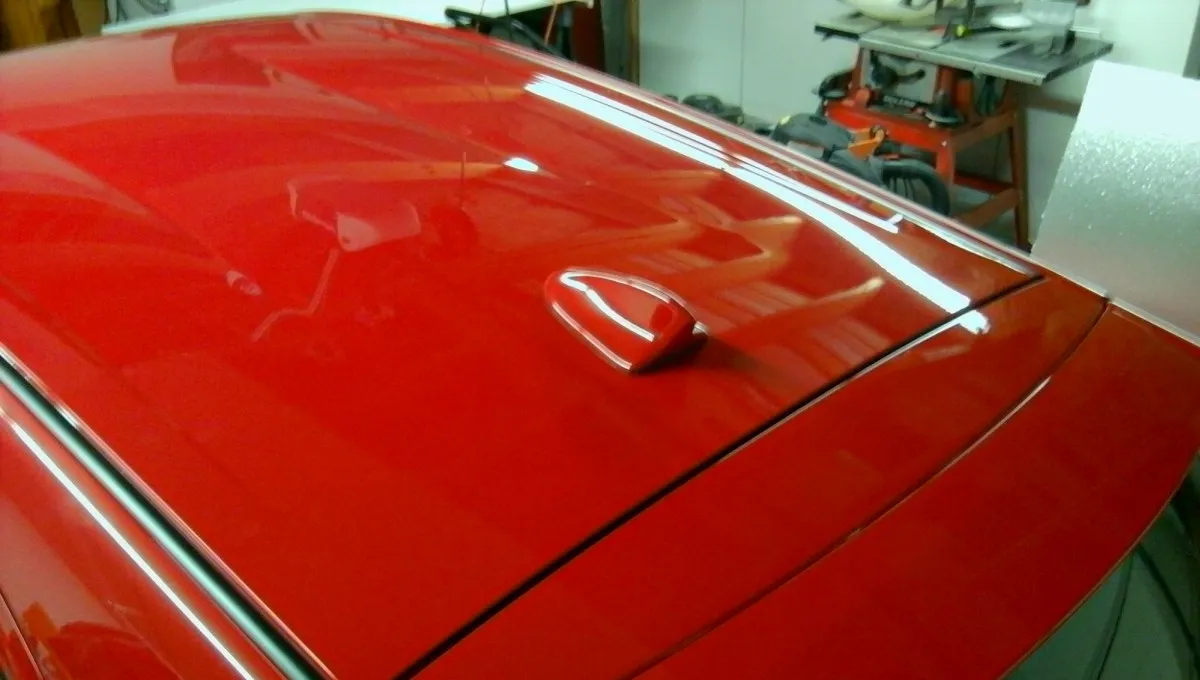
Small Fin, Big Job: Why Your Car’s Shark Fin Is More Than Just a Styling Trick
The small fin on your car's roof may look decorative, but it actually serves several important technical purposes.
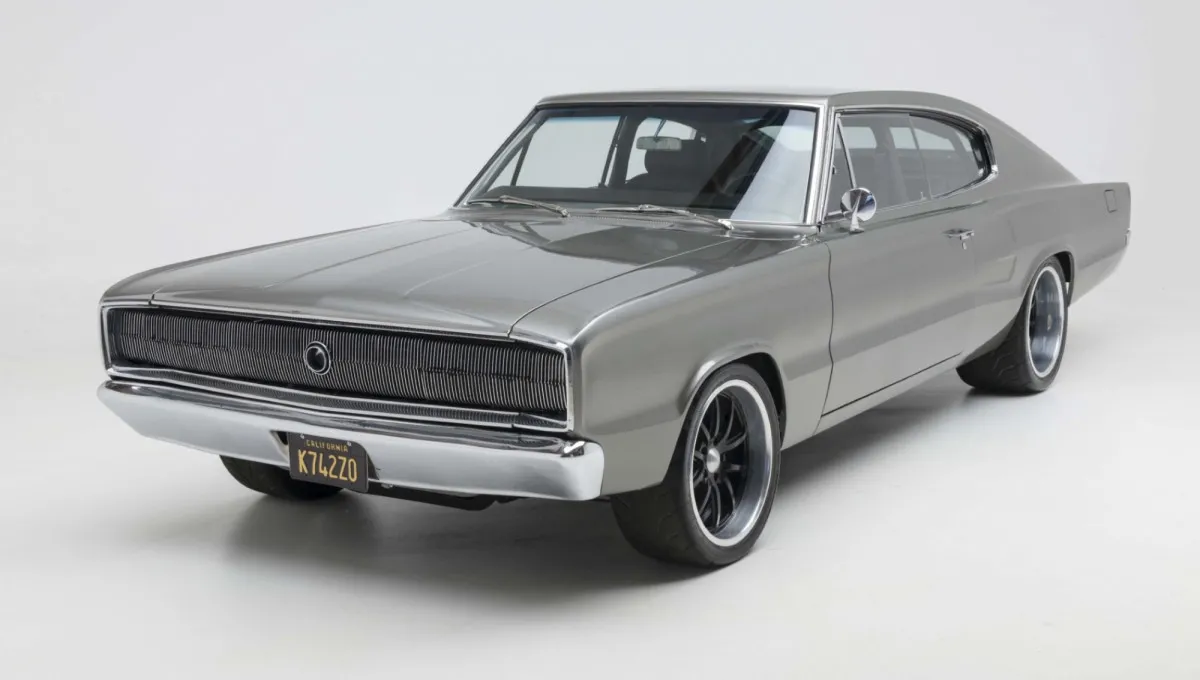
The “Leader of the Dodge Rebellion”: The 1966 Dodge Charger
The Dodge Charger has endured for 60 years, but its story began with an unlikely 1966 debut.
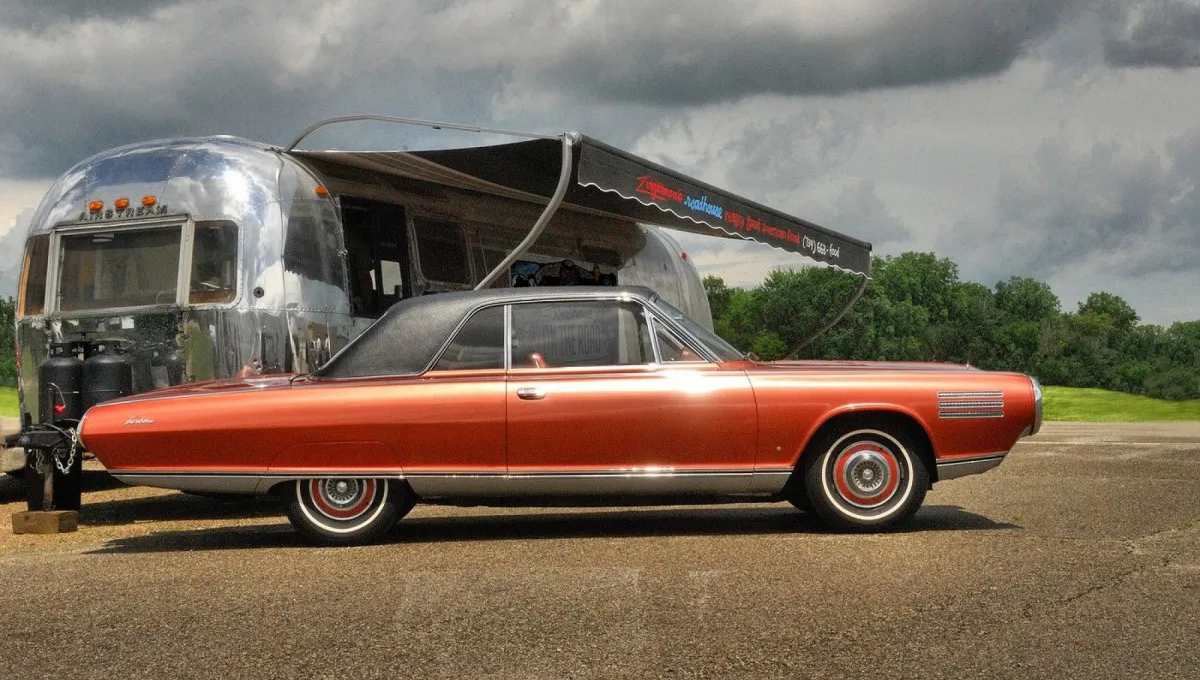
The Gas Turbine Chrysler Drove a Million Miles Across the U.S., Ran on Perfume, but Never Went Into Production
In late 1963, a strange new car hit American roads, turning heads with the unmistakable sound of a jet engine.

His Passenger Left a Bag With a Passport Inside—What This Uber Driver Did Next Touched Millions
An Uber driver drove back to return a forgotten bag, turning a ride into kindness.