
Snow and Grime Buildup on Fenders and Rocker Panels: How to Prevent Costly Damage
Snow and road grime can damage your car’s body, but simple steps help prevent costly repairs.
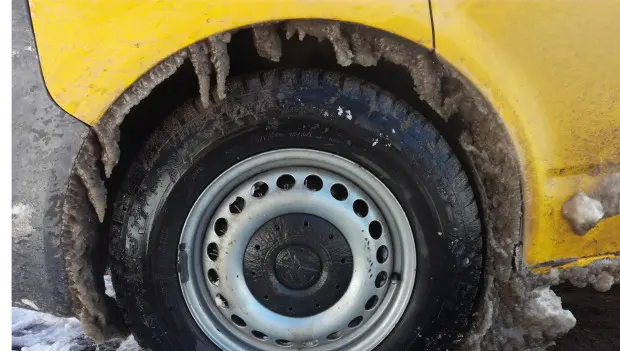
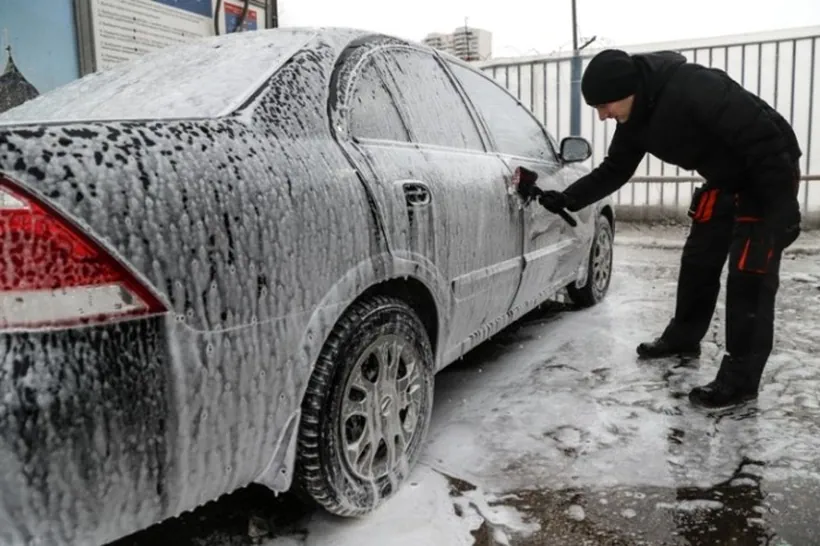
Snow and slush are a fact of life in colder parts of the U.S., and they tend to stick everywhere on your vehicle. Fenders, wheel arches, and rocker panels are especially vulnerable, collecting layers of grime during winter driving. If left unchecked, this buildup can lead to serious—and expensive—problems.
What’s Really Happening
The accumulation of snow, dirt, and road debris on key body parts is a natural result of winter driving. There’s no way to completely avoid it. The only real options are to clean these areas regularly or take preventive measures to protect them.
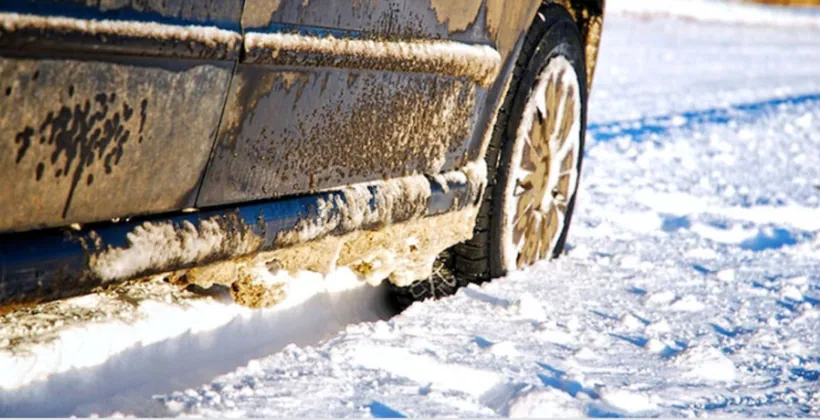
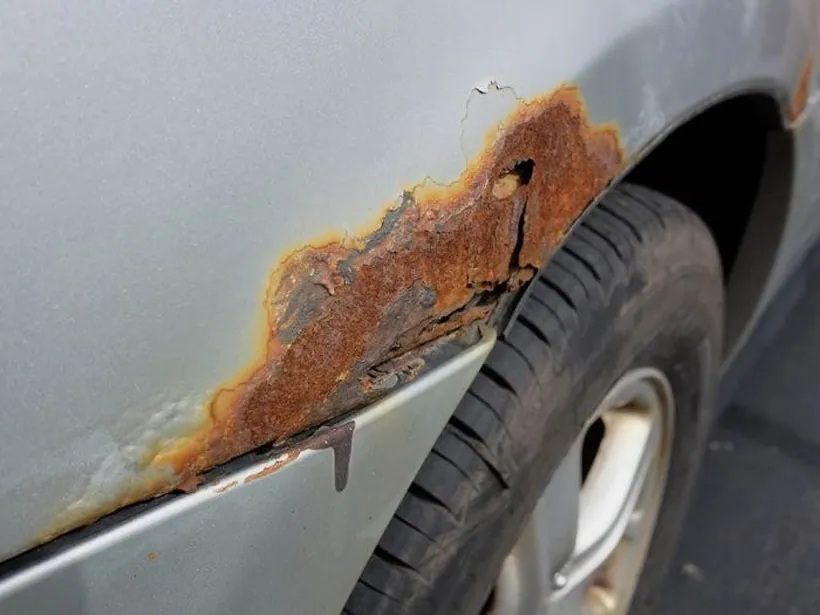
Ignore the issue, and you risk running into one of the biggest threats to any vehicle: rust.
Here’s why it happens. Packed snow and grime slowly wear down the protective coating on your car’s body. Once moisture reaches exposed metal, corrosion begins. The situation gets worse with road salt, chemical de-icers, and even traces of oil on the pavement—all of which accelerate damage.
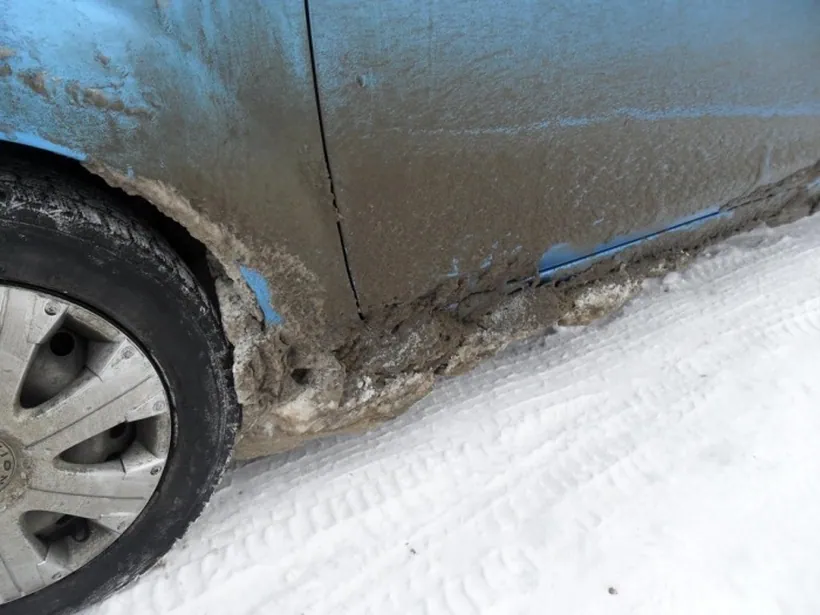
Beyond corrosion, hardened snow buildup can also harm plastic components around the wheel wells.
Important: Plastic trim is often damaged when drivers try to knock off large chunks of frozen snow too aggressively.
The Simplest Fix: Regular Cleaning
The most effective way to deal with buildup is also the most straightforward—manual cleaning. It may not be glamorous, but it works. The key is consistency.
Make it a habit to clear snow and grime from these areas, especially before parking your car in a garage. This not only protects the vehicle from rust but also prevents excess moisture from building up in enclosed spaces.
Longer-Term Protection
For more lasting protection, it’s worth treating the affected areas of your car’s body. A tried-and-true method is applying a hydrophobic coating to spots where snow tends to accumulate. Products like WD-40 can help create a barrier that repels moisture and dirt.
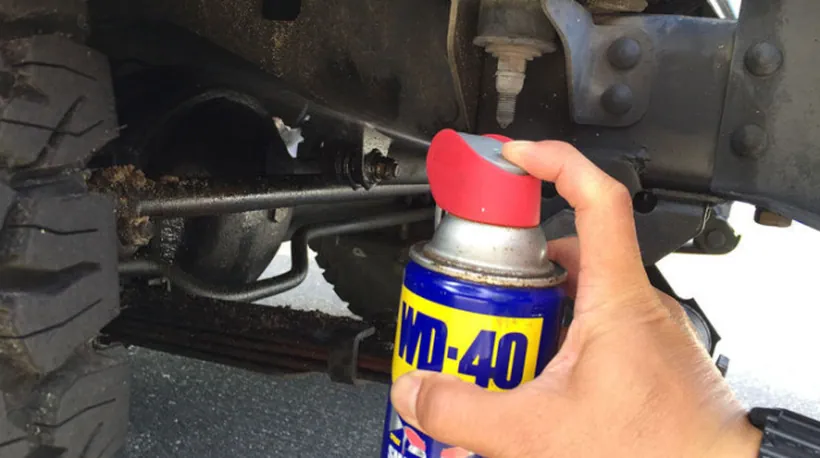
Before applying any product, wash and thoroughly dry your vehicle. Then apply the protective coating and allow it to set for about 10–20 minutes before driving.
Don’t Forget Plastic and Rubber Parts
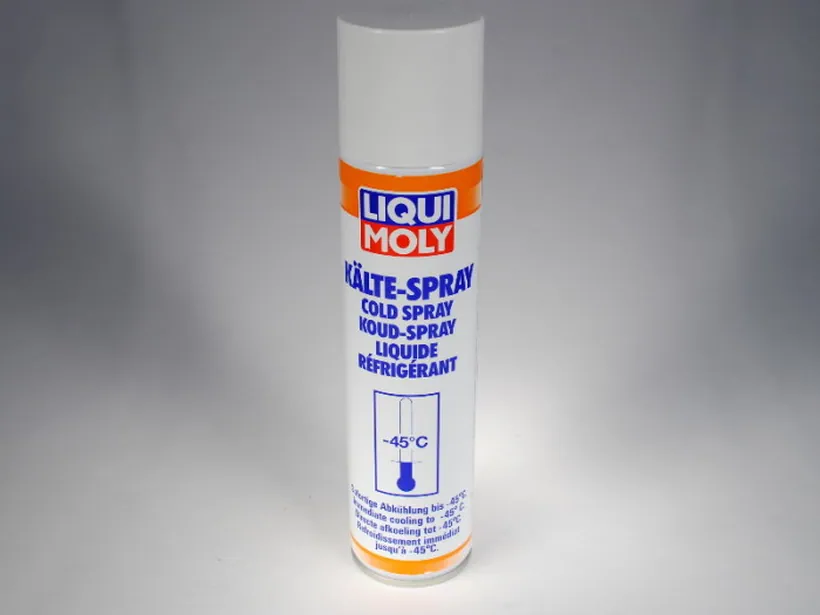
Plastic and rubber components need protection too. Applying a hydrophobic spray helps prevent buildup and makes cleaning easier later on. Many drivers find that products like Liqui Moly sprays work especially well for these materials.
Taking a few simple precautions can go a long way toward keeping your car in good shape through the winter—and avoiding repair bills down the road.
You may also be interested in the news:
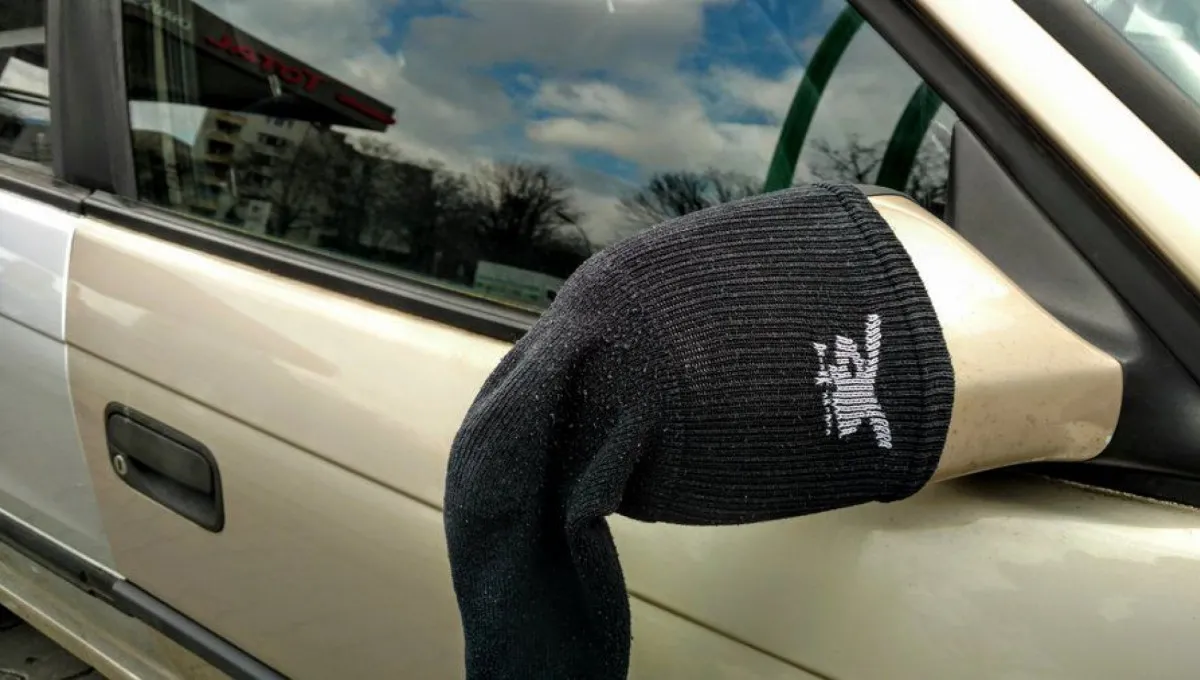
Why Experienced Drivers Put Socks on Their Car Mirrors in Fall: The Clever Trick Explained
An old pair of socks can help reduce frost buildup on your side mirrors overnight, saving time on cold mornings when every minute counts.
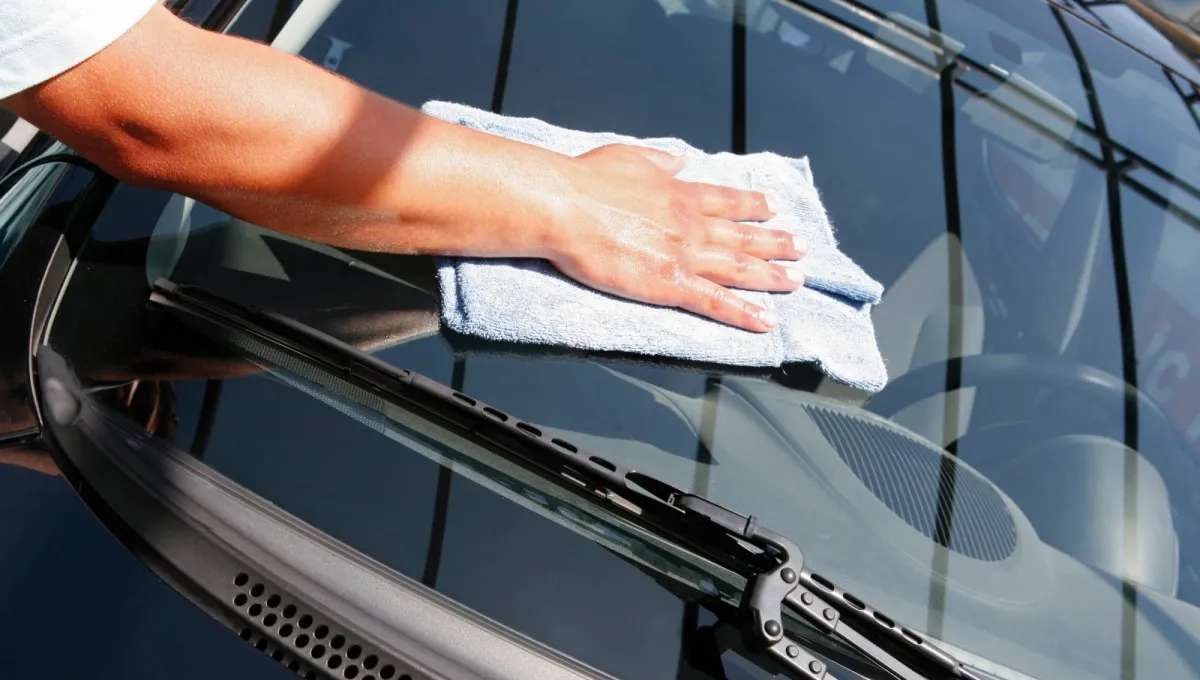
How to Clean Your Windshield Without Streaks: Experts Recommend This Simple DIY Mix
The secret to a streak-free windshield comes down to the right cleaning solution, two microfiber cloths, and the proper drying technique.

Why Some Drivers Keep Bay Leaves in Their Cars — It’s Not Just About Superstition
Can a common kitchen spice help repel bugs, freshen your car’s interior, or even help you relax behind the wheel?
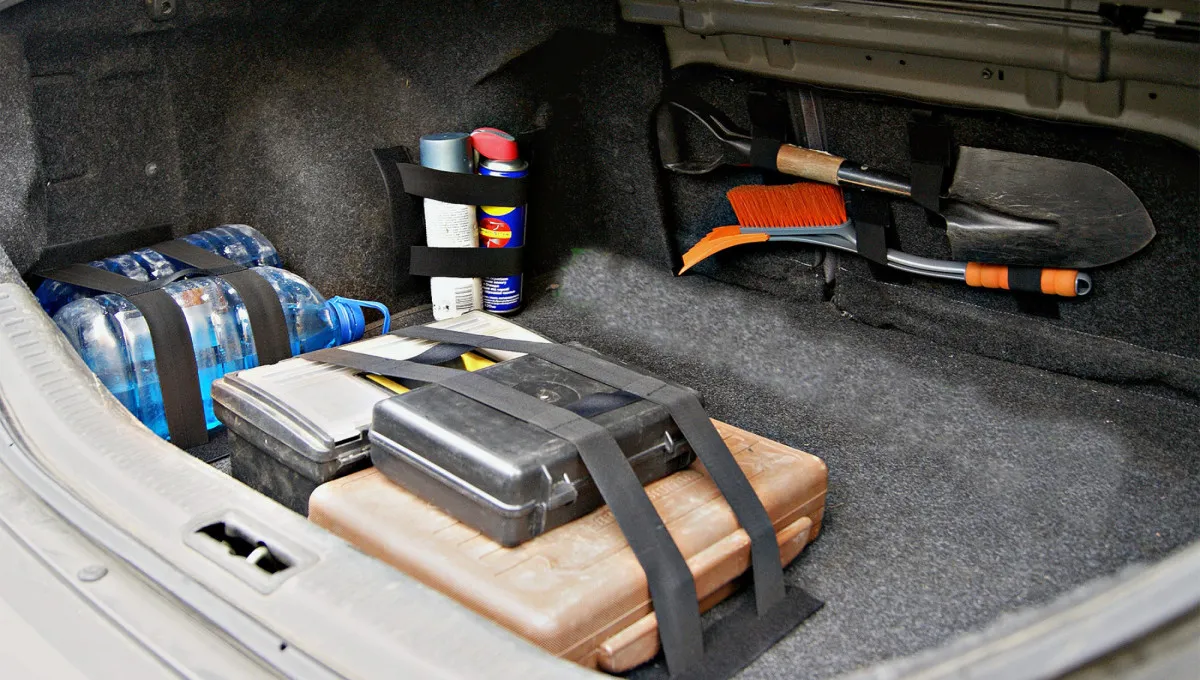
Cold Weather Can Leave You Stranded — 5 Things Every Driver Should Have in Their Car
The first hard freeze can catch drivers off guard. Here's what to keep in your vehicle and how to prepare your battery, tires, and fluids for colder weather.

These 8 Cars Went Over 1 Million Miles — They Just Don’t Build Them Like They Used To
Some cars outlast generations of owners, proving that careful maintenance and durable engineering can deliver extraordinary mileage.