
Do WD-40 and Toothpaste Really Remove Car Scratches? A Quick Test Reveals the Truth
Viral internet hacks claim WD-40 or toothpaste can erase scratches from a car’s paint in minutes—but a real test shows what actually happens.
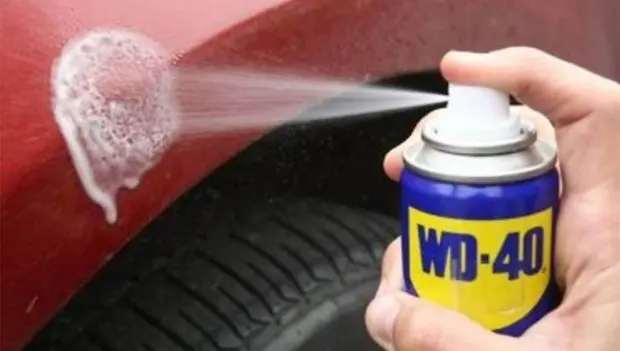
The internet is full of videos where someone sprays WD-40 on a scratch, wipes it with a cloth, and the mark seems to vanish like magic. In other clips, a person spreads toothpaste over the paint, rubs it a little, and suddenly the scratch is gone. Millions of views, tons of excited comments.
So I decided to try it myself. After a long winter, my car had picked up plenty of small scratches. Seemed like the perfect opportunity to see whether these tricks actually work.
First, it’s important to understand that not all scratches are the same. Car paint is made of several layers. At the bottom there’s bare metal, then primer, then the colored paint layer, and finally a clear coat on top. That clear coat is transparent and takes most of the abuse from the outside world.
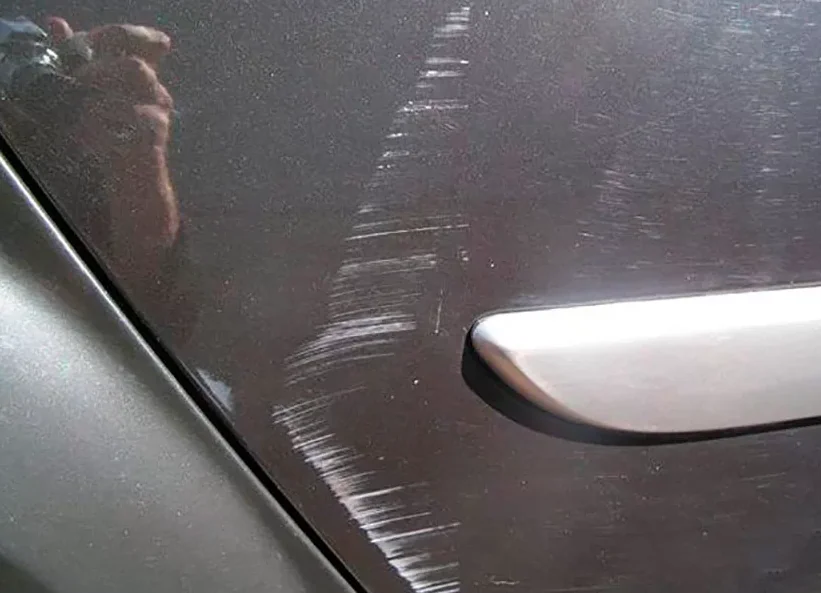
Generally, scratches fall into three categories. The first type is very light surface scratches that only affect the clear coat. You usually see them only at certain angles, and you can barely feel them with your fingernail.
The second type goes deeper, cutting through the clear coat and reaching the paint layer. These are clearly visible and you can usually feel them when you run a fingernail across the surface.
The third type is deep damage that reaches primer or even bare metal. Those appear as white or gray lines, and the only real fix is repainting.
On my car, I found several scratches from the first group and a couple from the second—perfect candidates for testing.
The WD-40 experiment
I grabbed a can of WD-40, sprayed a little on a light scratch, waited about 30 seconds, and wiped it off with a microfiber cloth. At first glance, the scratch really did look less noticeable. I was honestly impressed and even snapped a photo.
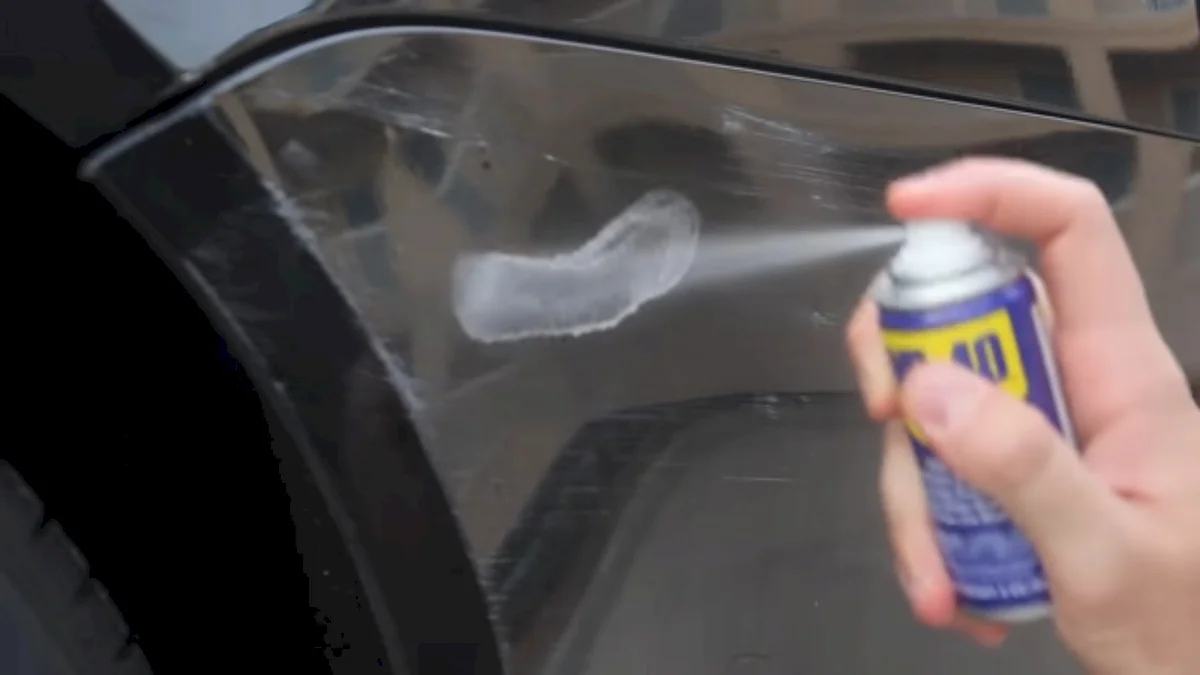
But an hour later I came back to check again. The scratch was right where it had always been.
That actually makes sense. WD-40 is a water-displacing lubricant based largely on mineral oils. When sprayed on paint, it simply fills the tiny groove of the scratch with an oily film. Because of that film, light doesn’t reflect the same way, and the scratch becomes harder to see.
Once the film dries—or gets washed away by rain—the mark reappears. In other words, it’s not a repair. It’s more like a temporary disguise that lasts maybe half an hour.
On a deeper scratch, the effect was even weaker. It dulled the mark slightly, but the line was still easy to see.
The toothpaste experiment
Next, I tried regular white toothpaste—no gels or colored stripes. I spread a small amount over the scratch and rubbed it with my finger in circular motions for about three minutes. Then I rinsed the area with water and wiped it dry.
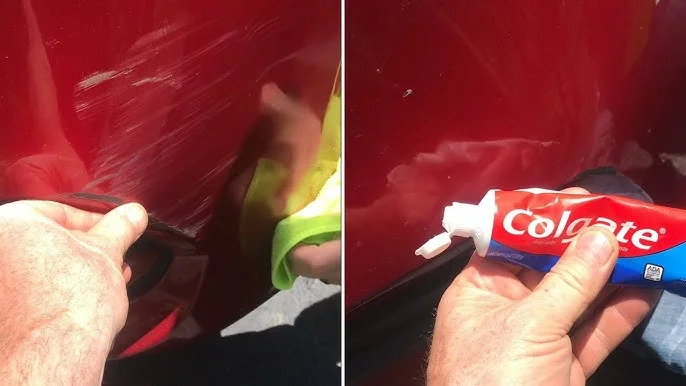
The light scratch became a little less noticeable. Just a little. If you didn’t know exactly where it was before, you might have trouble spotting it. But since I knew where to look, the mark was still there—just slightly smoother.
The reason is simple: toothpaste contains very fine abrasives. In effect, it works like an extremely mild polishing compound. It can help with tiny surface marks, but for anything more serious you’d have to rub forever. Professional polishing compounds work far faster and much more effectively.
On the deeper scratch, toothpaste did absolutely nothing. The white line stayed exactly the same.
What actually works
For light surface scratches, proper polishing is the real solution. That usually means using an abrasive polishing compound along with a polishing machine—or at least plenty of patience by hand. Typically the process starts with a heavier compound, followed by a finer polish and then a finishing compound. After that, many people apply protective wax or ceramic coating.
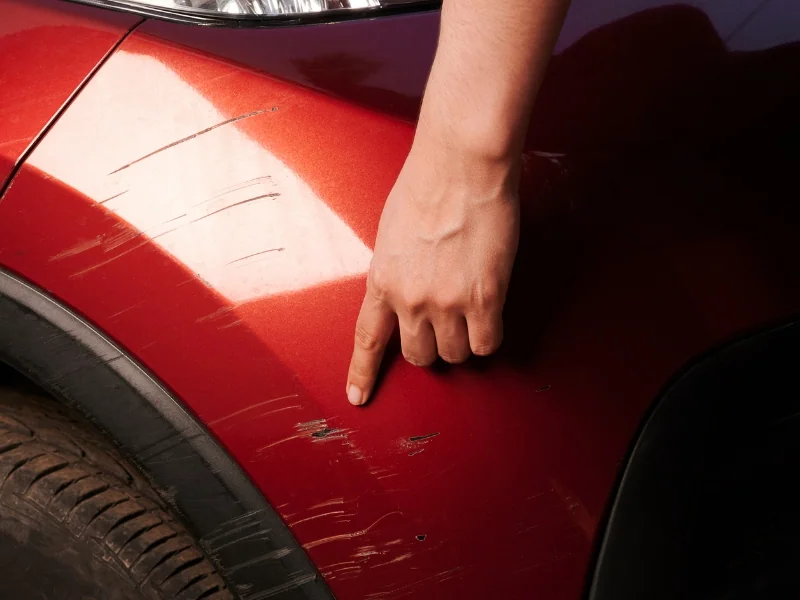
For medium or deep scratches, the only reliable fix is localized paint repair.
There are also scratch pens and paint markers on the market. They work somewhat like WD-40 by filling the scratch so it’s less visible, but at least they use wax or paint that lasts longer. On light scratches the results can be decent.
The honest conclusion
WD-40 creates a temporary illusion. If you needed to make a scratch disappear for about an hour, it might do the trick—but that’s about it. Toothpaste works as a very weak polish and simply can’t handle serious scratches.
Once again, internet “life hacks” turn out to be great for viral videos, not real car care solutions.
If the scratch is tiny and only bothers you a little, you might just ignore it. If you want a proper fix, polishing is the way to go. And if the damage is deep, repainting is usually unavoidable.
Unfortunately, there’s no magic shortcut.
You may also be interested in the news:
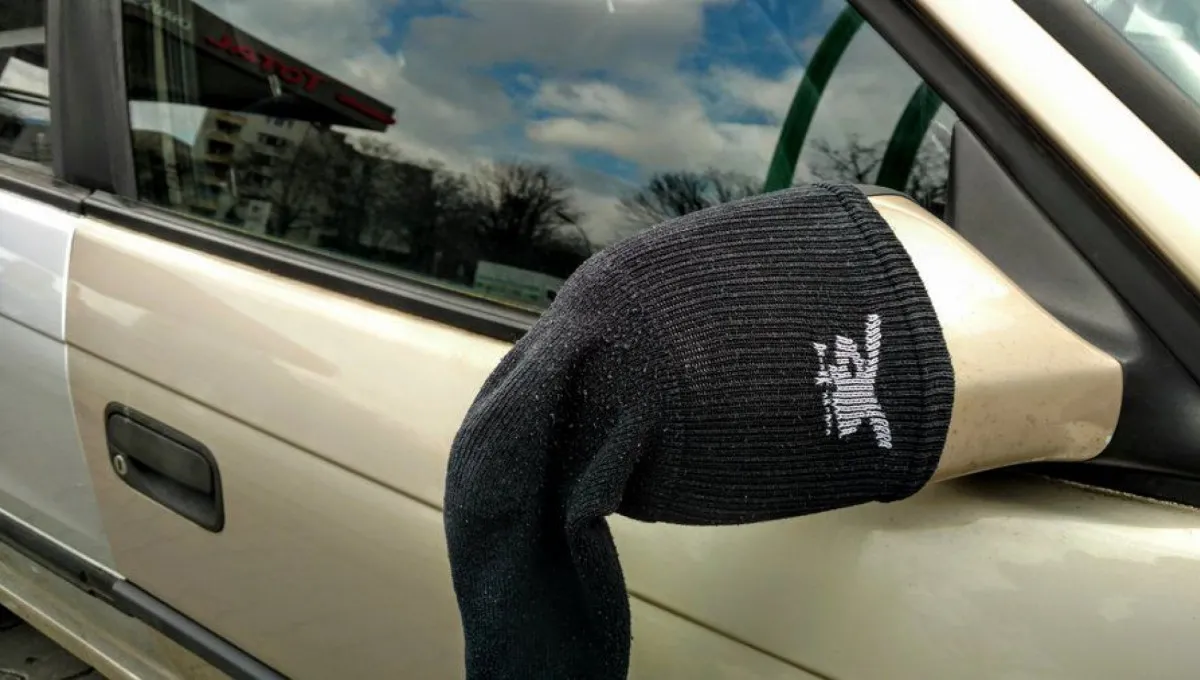
Why Experienced Drivers Put Socks on Their Car Mirrors in Fall: The Clever Trick Explained
An old pair of socks can help reduce frost buildup on your side mirrors overnight, saving time on cold mornings when every minute counts.
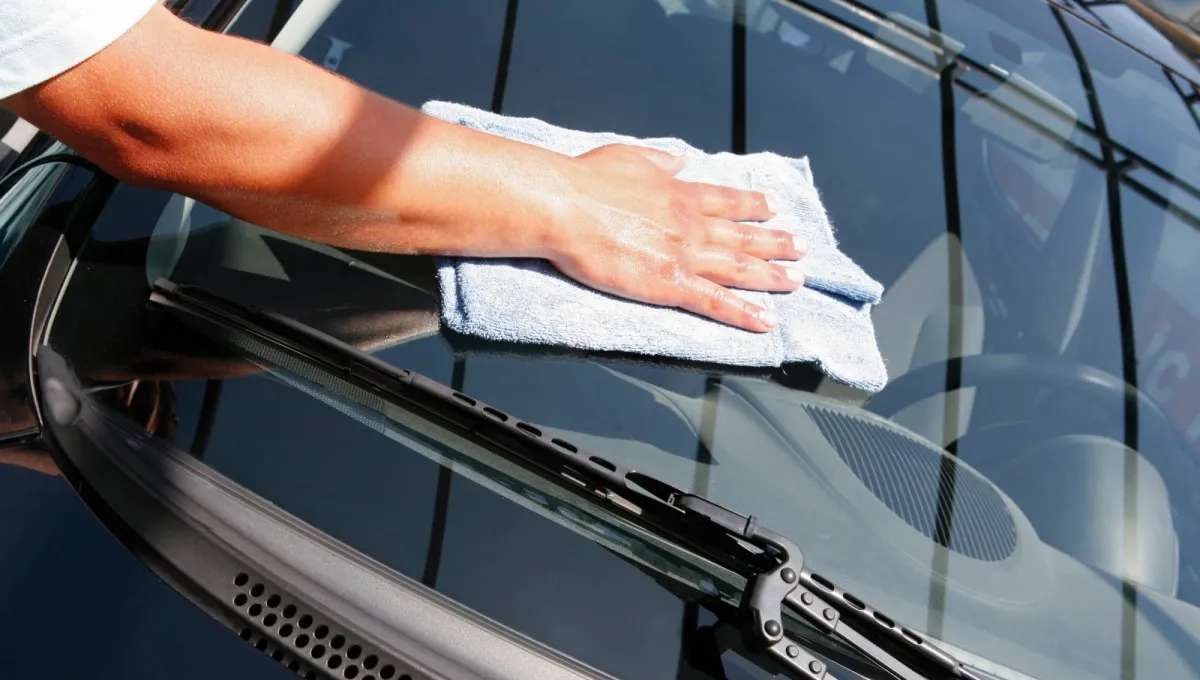
How to Clean Your Windshield Without Streaks: Experts Recommend This Simple DIY Mix
The secret to a streak-free windshield comes down to the right cleaning solution, two microfiber cloths, and the proper drying technique.
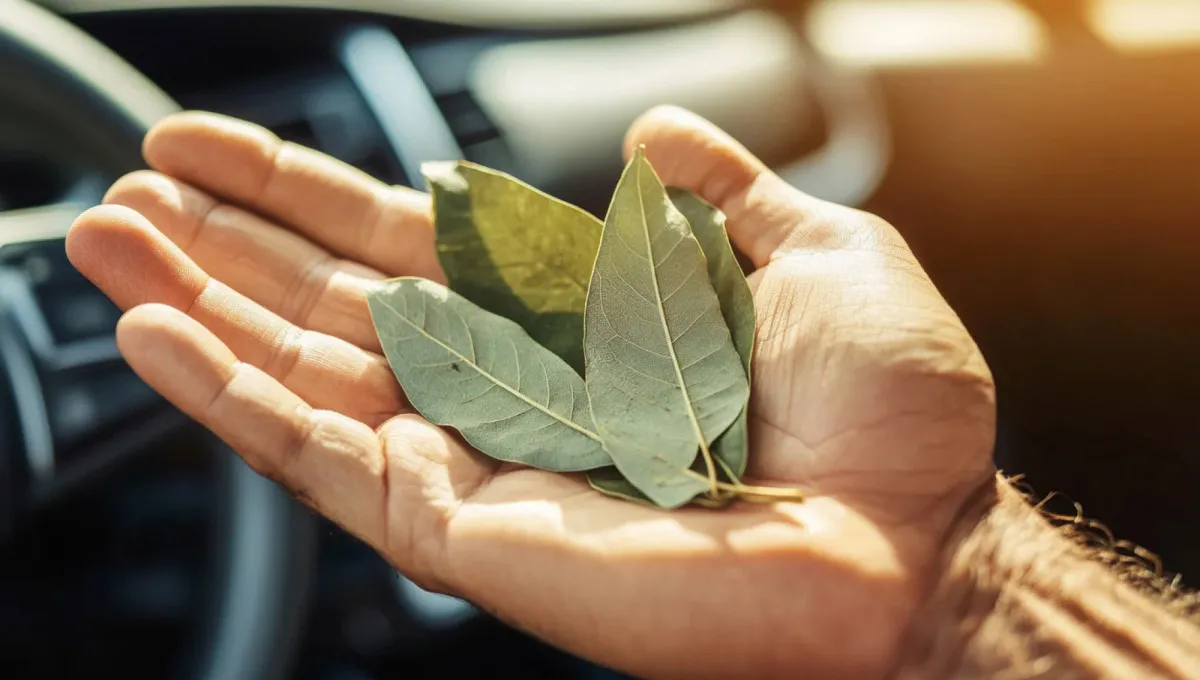
Why Some Drivers Keep Bay Leaves in Their Cars — It’s Not Just About Superstition
Can a common kitchen spice help repel bugs, freshen your car’s interior, or even help you relax behind the wheel?
Cold Weather Can Leave You Stranded — 5 Things Every Driver Should Have in Their Car
The first hard freeze can catch drivers off guard. Here's what to keep in your vehicle and how to prepare your battery, tires, and fluids for colder weather.
Hidden Key Fob Trick: Open All Your Car Windows With One Button
An auto mechanic explains how drivers can remotely open and close car windows using a key fob, provided the vehicle has the right hardware.