
5 Tools Every Driver Should Own for DIY Car Repairs
Working on your own car? These are the must-have tools every garage should be equipped with.
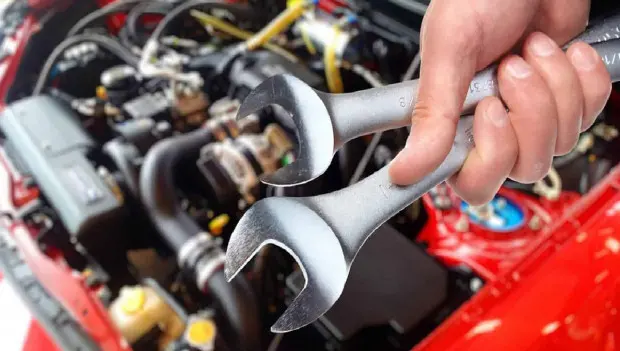
Even the most reliable vehicles eventually develop minor issues — that’s completely normal. What’s not normal is spending hundreds of dollars at a repair shop for a fix you could handle yourself in 30 minutes.
Modern cars may seem intimidating, but a smartly chosen set of tools can save you thousands of dollars over time. Here are five essentials that pay for themselves almost immediately — plus a few pro tips from experienced mechanics.
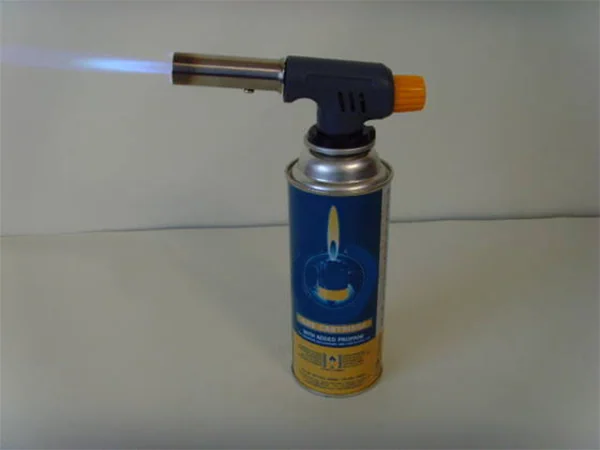
Every repair starts with one common problem: loosening bolts that seem permanently seized. A compact propane torch is a simple but incredibly effective solution.
You don’t need full welding equipment for basic garage work — an inexpensive propane canister with a nozzle is more than enough. It’s perfect for heating stubborn fasteners, soldering small contacts, and even restoring faded black plastic trim with careful heat application.
Pro tip: If a nut won’t budge, heat it thoroughly and then spray it with penetrating oil like WD-40. The hot metal draws the lubricant deep into the threads through capillary action, making removal much easier and reducing the risk of stripping the edges.
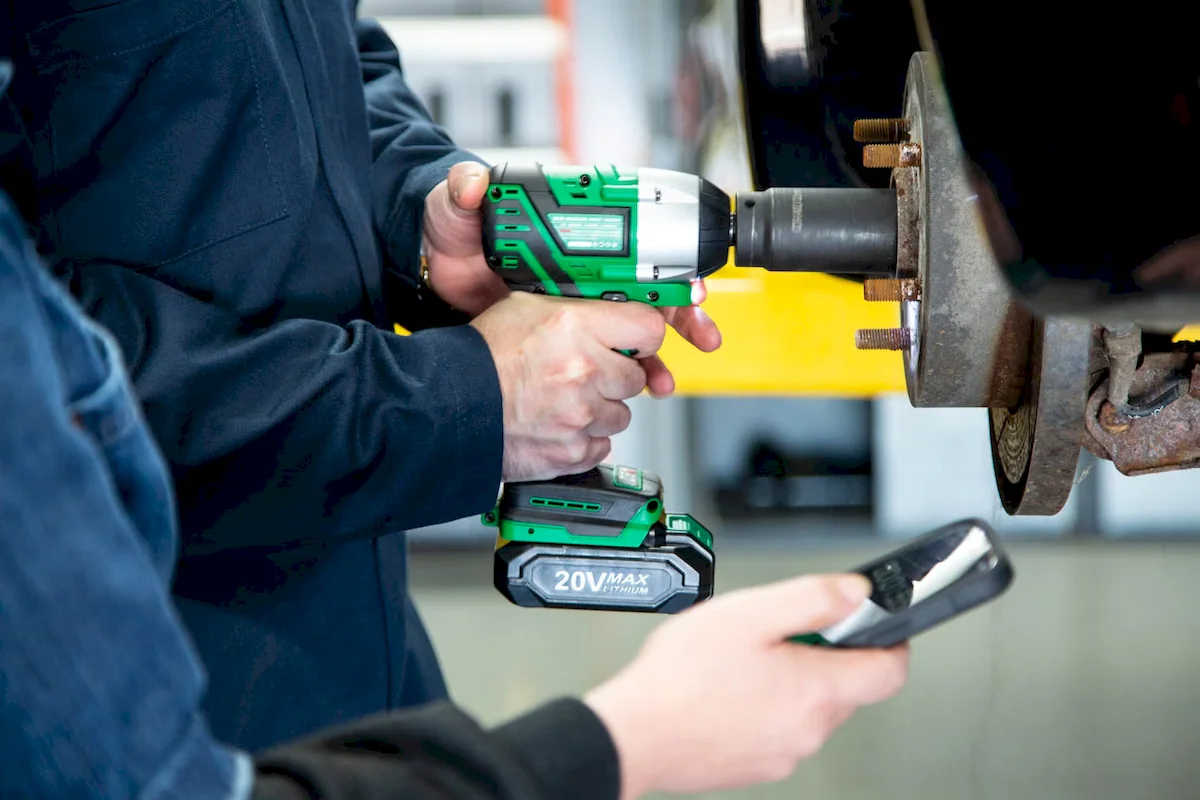
When it’s time for heavy-duty work, nothing beats a cordless impact wrench. It’s the most expensive item on this list, but it saves enormous time and effort.
Removing wheels, suspension components, brake rotors, or even certain engine parts becomes a matter of seconds.
Important: Never use an impact wrench to tighten critical components. That’s what a torque wrench is for.
If you’re dealing with a slightly rounded bolt head, place a piece of rubber (like a cut section of a nitrile glove) over it before fitting the socket. This trick dramatically improves grip and can help remove otherwise hopeless fasteners.
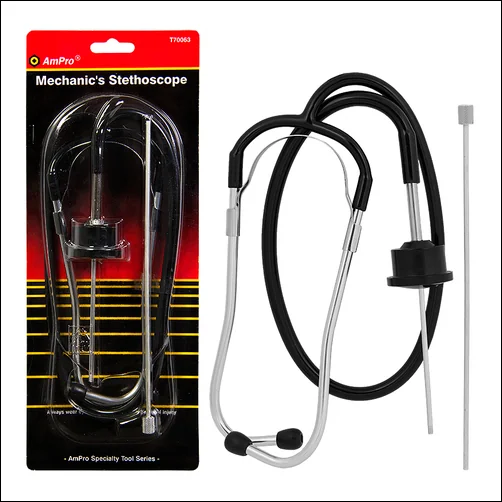
You probably didn’t expect to see a medical-style tool here, but a mechanic’s stethoscope is invaluable for diagnosing strange noises.
Instead of a diaphragm, it uses a long metal probe. By touching it to pulleys, bearings, or the engine block while the engine is running, you can precisely locate the source of knocking or squeaking sounds. It’s especially helpful for identifying components running dry due to lack of lubrication.
No stethoscope? Use a long screwdriver: place the metal tip on the suspected part and press your ear against the handle. It works surprisingly well — just keep hair and clothing clear of moving belts.
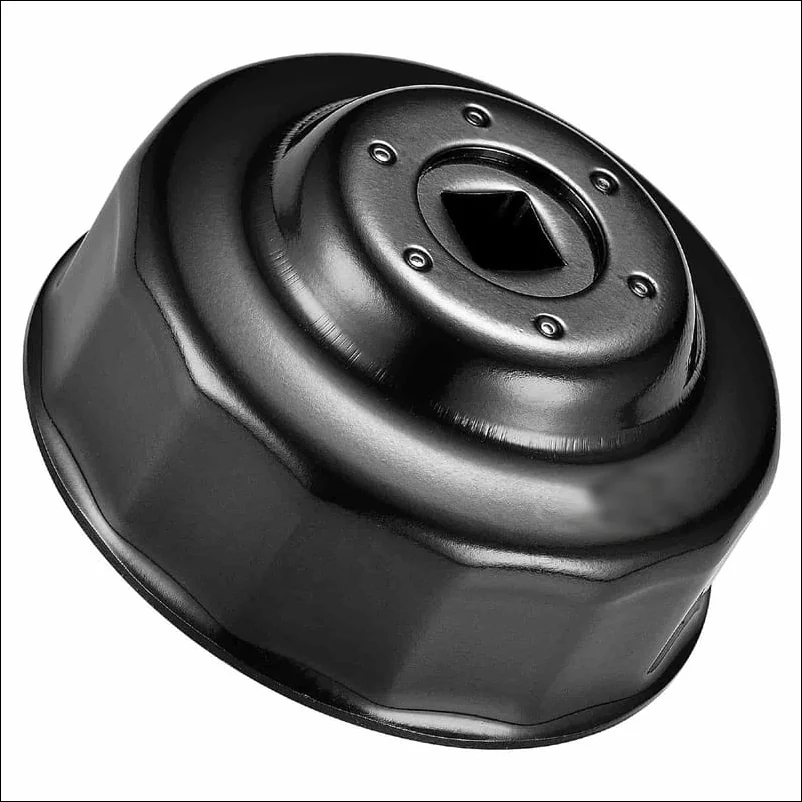
Changing oil should be simple — until the oil filter refuses to come off. Slippery hands and tight engine bays can quickly turn the job into a mess.
An oil filter wrench solves the problem. Available in clamp, chain, or strap styles, these inexpensive tools make removing even tightly installed filters quick and clean.
If the filter housing is too slick and even the wrench slips, wrap sandpaper around the filter (abrasive side inward) before applying the wrench. The extra grip makes a huge difference.
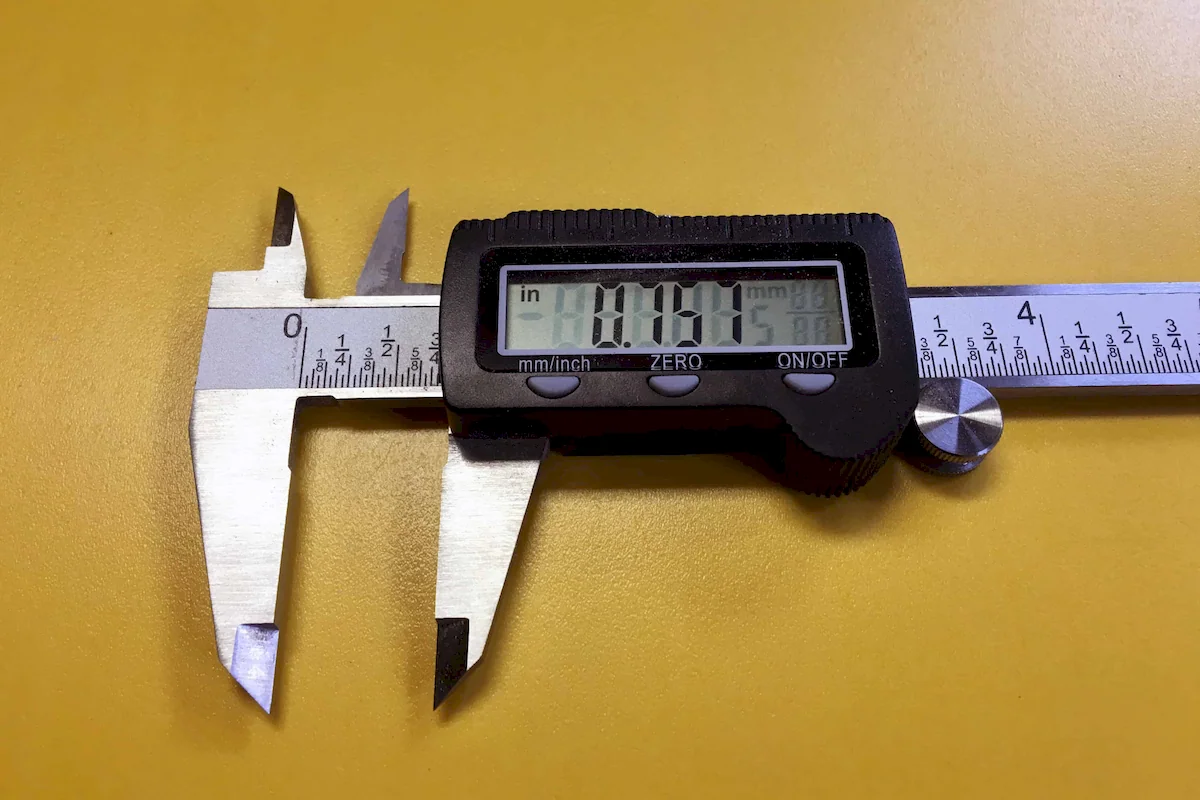
Modern cars require precision — guessing measurements simply doesn’t cut it. A digital caliper is an absolute must for checking diameters, thicknesses, and clearances down to hundredths of a millimeter.
They’re affordable and indispensable when installing aftermarket parts or fabricating small components yourself.
Many people don’t realize the extending rod at the back doubles as a depth gauge. You can quickly measure tire tread depth or even check brake pad thickness (depending on wheel design) without removing the wheel entirely.
Developing the habit of precise measurement will save time, money, and frustration during routine maintenance.
You may also be interested in the news:
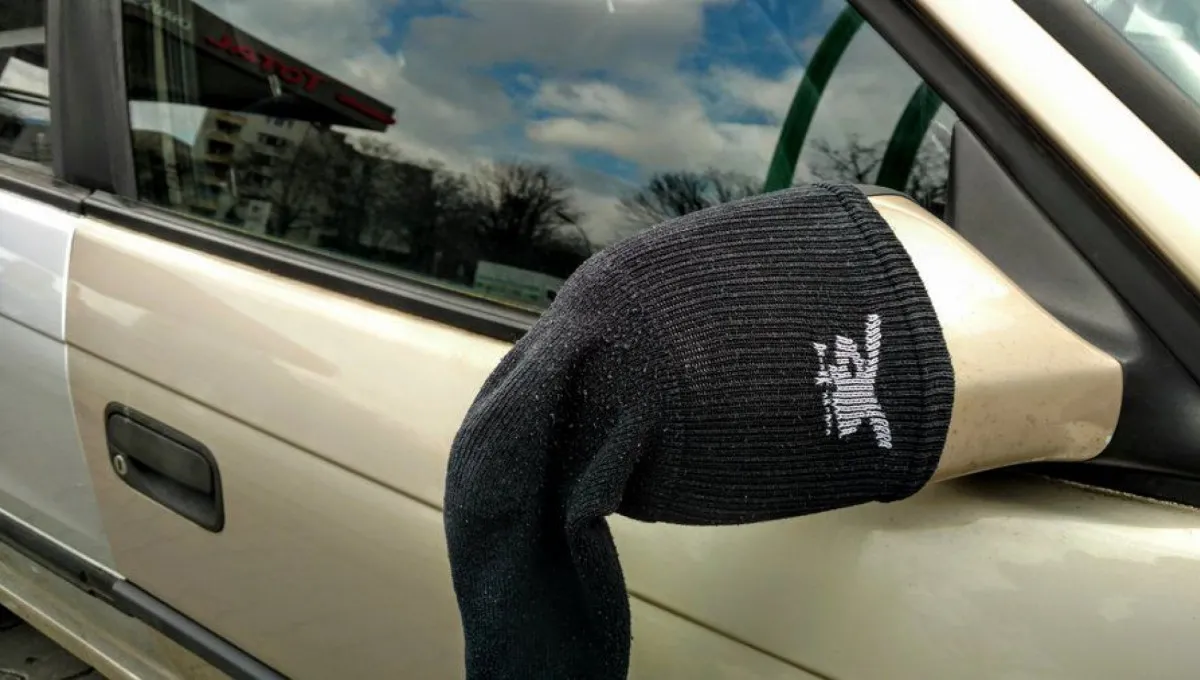
Why Experienced Drivers Put Socks on Their Car Mirrors in Fall: The Clever Trick Explained
An old pair of socks can help reduce frost buildup on your side mirrors overnight, saving time on cold mornings when every minute counts.
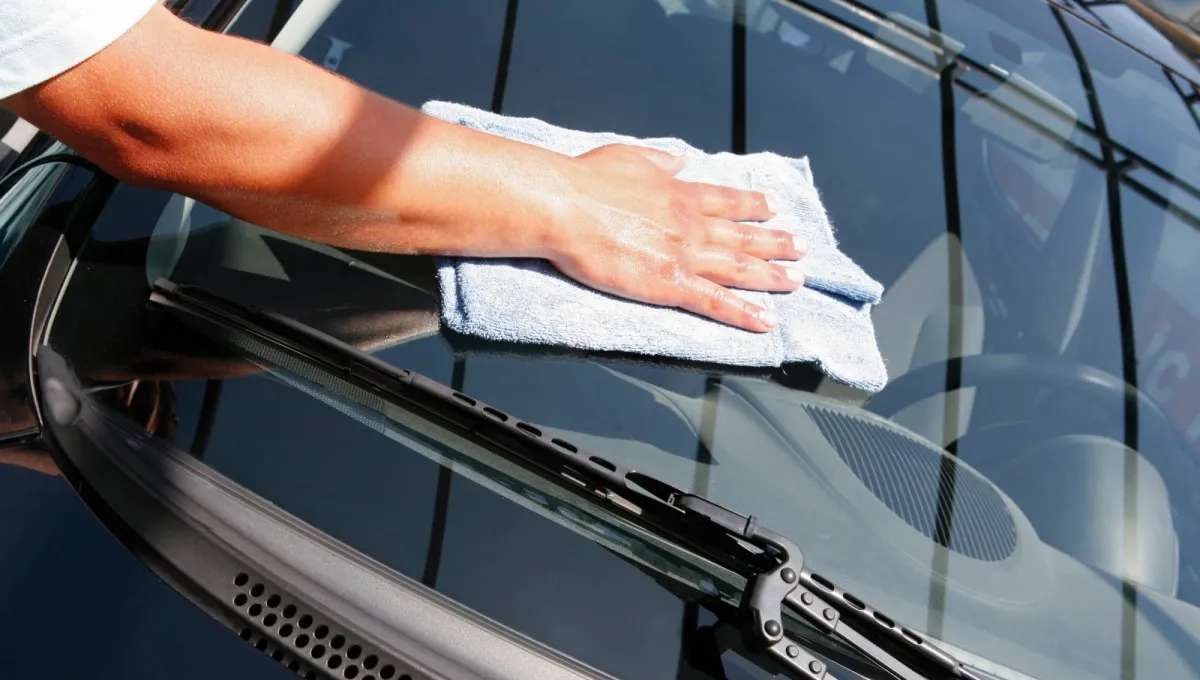
How to Clean Your Windshield Without Streaks: Experts Recommend This Simple DIY Mix
The secret to a streak-free windshield comes down to the right cleaning solution, two microfiber cloths, and the proper drying technique.

Why Some Drivers Keep Bay Leaves in Their Cars — It’s Not Just About Superstition
Can a common kitchen spice help repel bugs, freshen your car’s interior, or even help you relax behind the wheel?
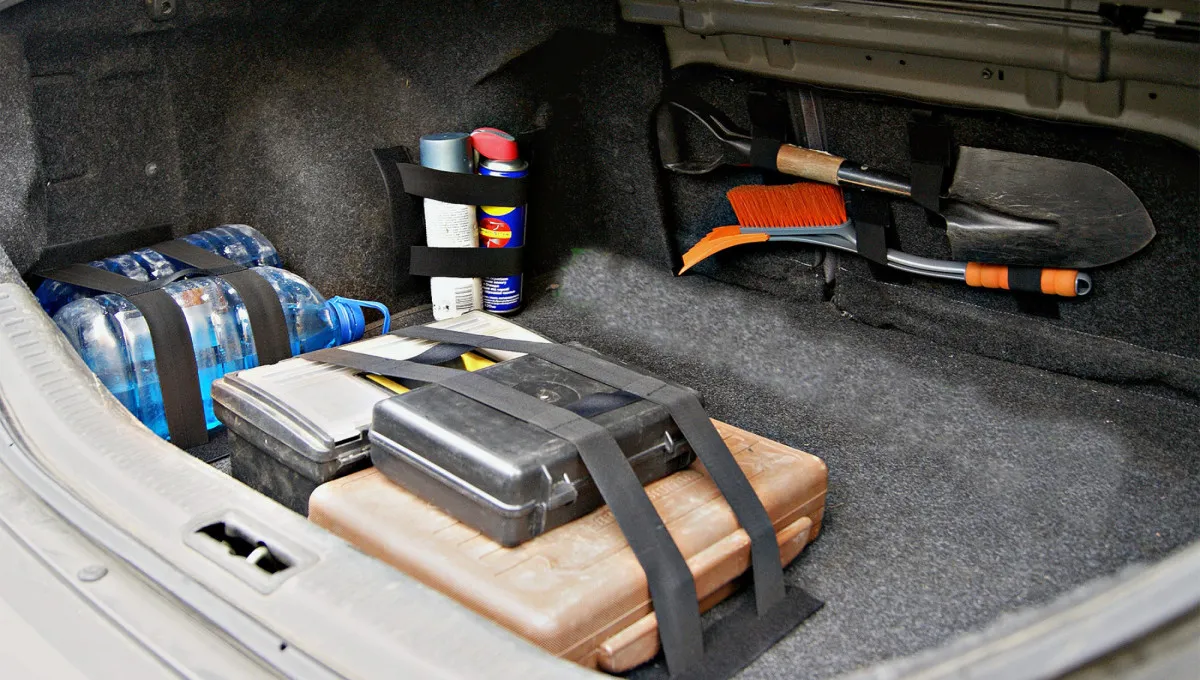
Cold Weather Can Leave You Stranded — 5 Things Every Driver Should Have in Their Car
The first hard freeze can catch drivers off guard. Here's what to keep in your vehicle and how to prepare your battery, tires, and fluids for colder weather.

Hyundai Recalls Nearly 95,000 Genesis Sedans Over Fire Risk From Power Seats
Hyundai is recalling 94,622 Genesis sedans after a faulty power seat switch was linked to overheating and potential vehicle fires.