
How to Change a Flat Tire Yourself When There’s No Jack in the Car
Even without a jack, drivers can still replace a flat tire using caution, basic tools, and nearby objects.
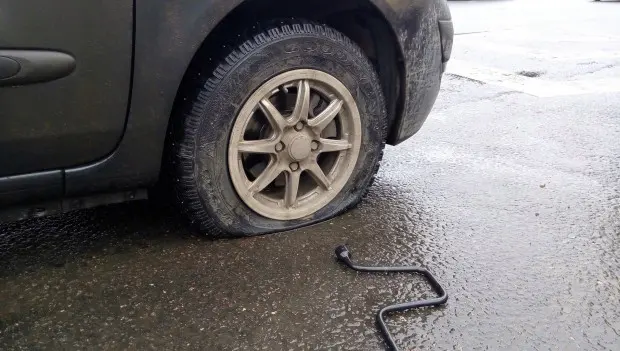
Every car is supposed to have a jack in the trunk. But real life doesn’t always cooperate. Imagine getting a flat tire with a spare, lug wrench, and air pump ready to go — only to realize the jack is missing. If there’s nobody around to help and you’re not stranded in the middle of nowhere, there’s still a way out of the situation. The key is to stay calm, work carefully, and pay close attention to safety.
Believe it or not, lifting a vehicle without a jack isn’t impossible, especially if you can find useful objects nearby like rocks, logs, boards, or sturdy pieces of wood.
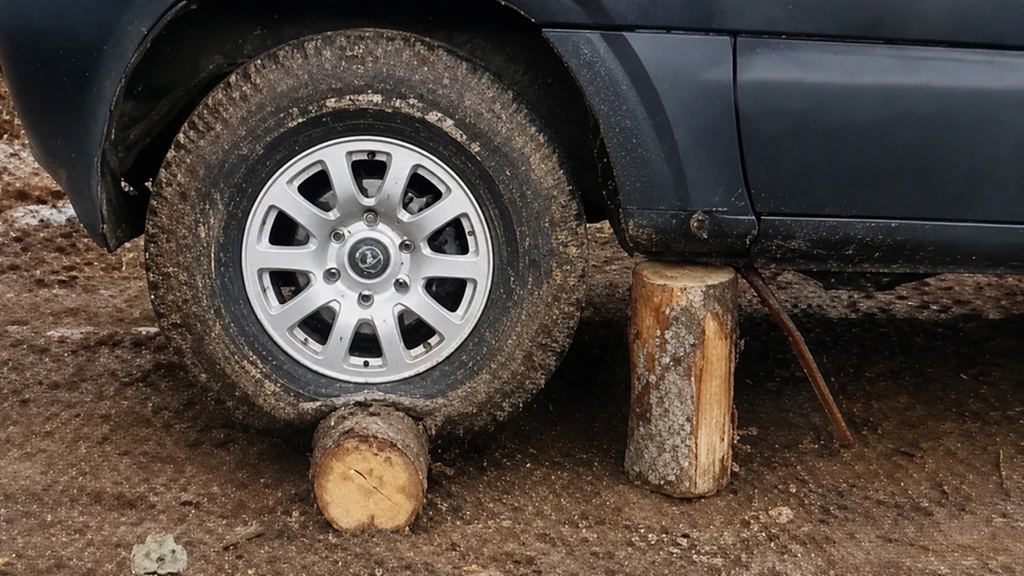
The first step is loosening the lug nuts on the damaged wheel before attempting to lift the vehicle. After that, find something solid — for example, a thick log or curb-like object — and carefully drive the flat tire onto it. This may create enough extra clearance to work with.
Next, place a stable support under the suspension arm or another reinforced suspension point near the damaged wheel. The idea is to prevent the suspension from compressing back down once the car shifts weight.
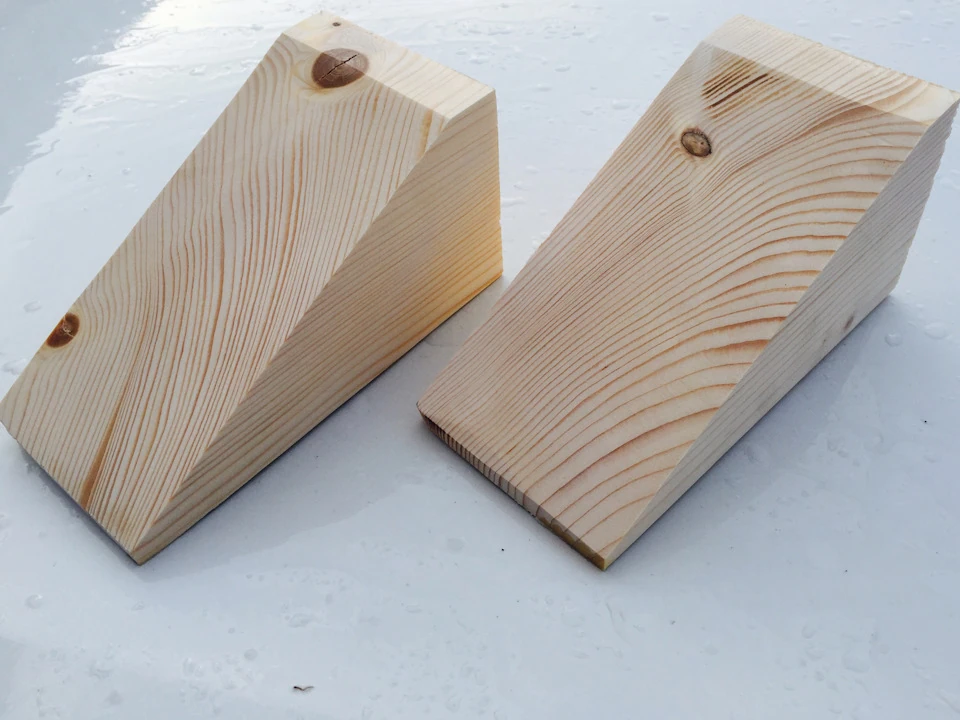
For additional safety, wheel chocks or large rocks should be placed behind the wheel diagonally opposite the flat tire to keep the vehicle from rolling. Drivers can also improvise a secondary support near the normal jack point using sturdy objects available nearby.
Another trick sometimes used in emergencies is partially deflating the tires on the opposite side of the vehicle. Lowering those tires slightly can raise the damaged side just enough to help remove the flat.
Once the vehicle is stable, remove the loosened lug nuts and swap the wheel. Tighten the lug nuts gradually in a crisscross pattern instead of going around in a circle. That helps center the wheel evenly against the hub.
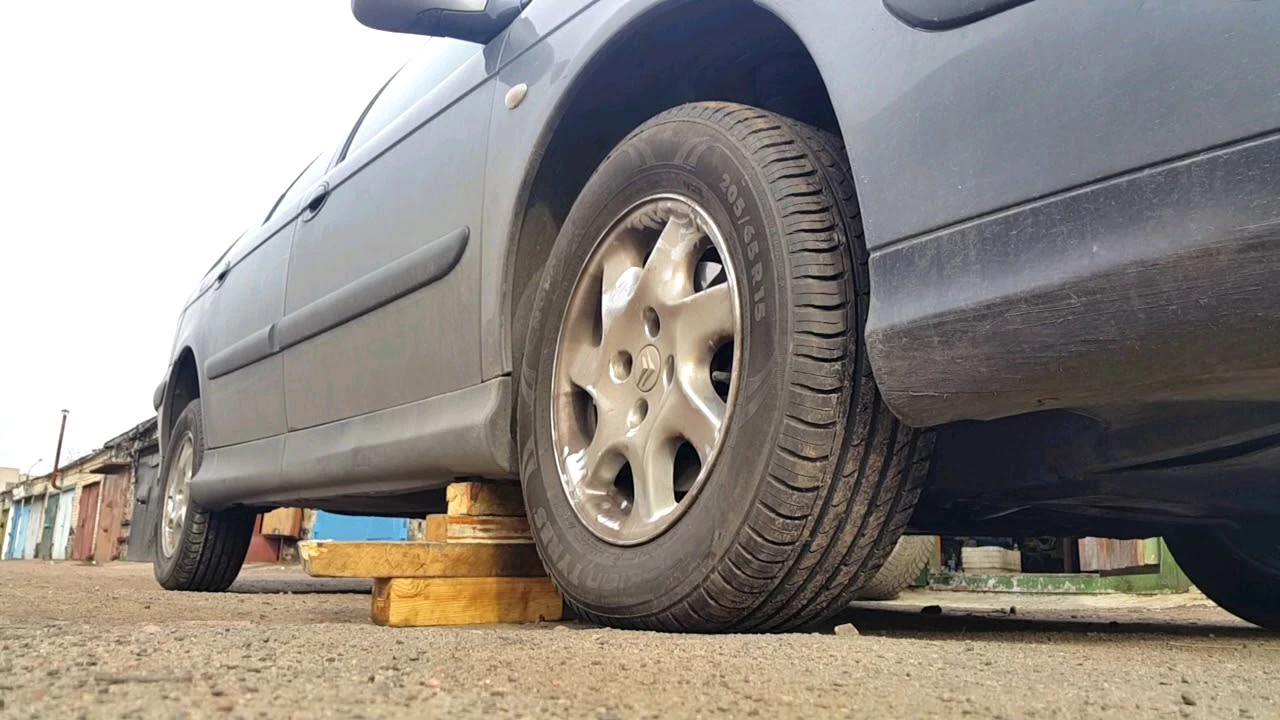
After the spare is mounted, re-inflate all tires to proper pressure. If needed, place additional support under the replacement wheel before moving the vehicle slightly forward and giving the lug nuts a final tightening.
It’s far from the ideal roadside repair method, but in a true emergency, improvisation can still get drivers safely back on the road.
You may also be interested in the news:
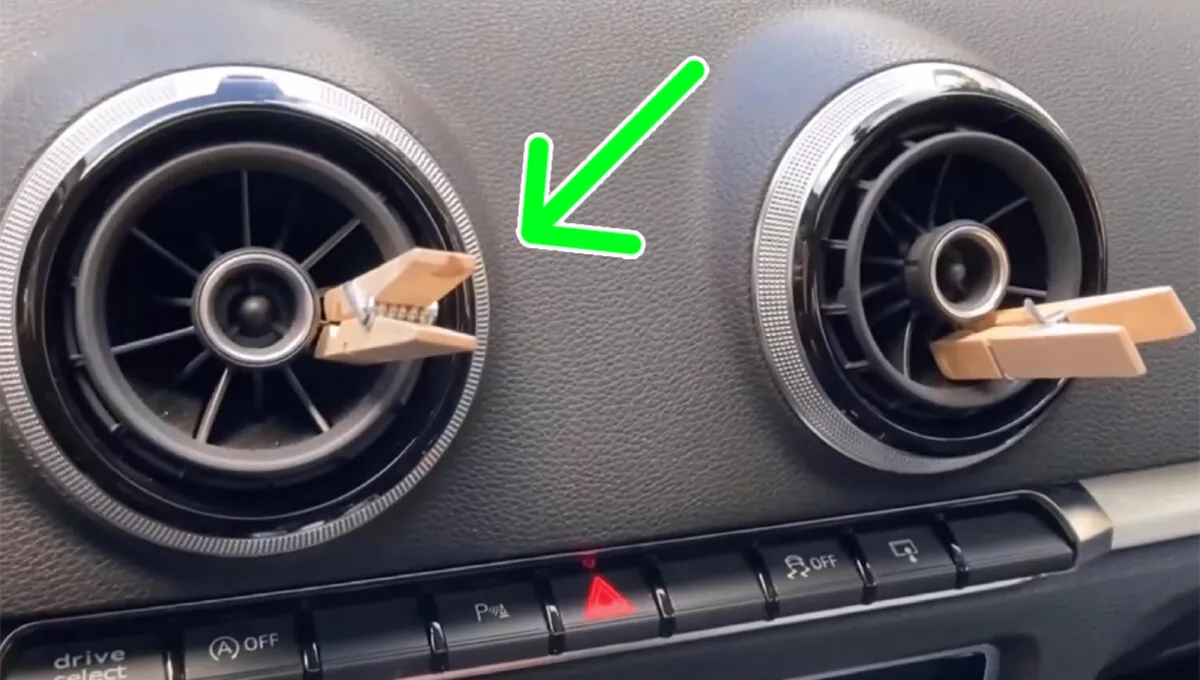
Why Experienced Drivers Keep a Simple Wooden Clothespin in Their Cars
A wooden clothespin clipped inside a car might look out of place, but some drivers use it for several surprisingly practical purposes.
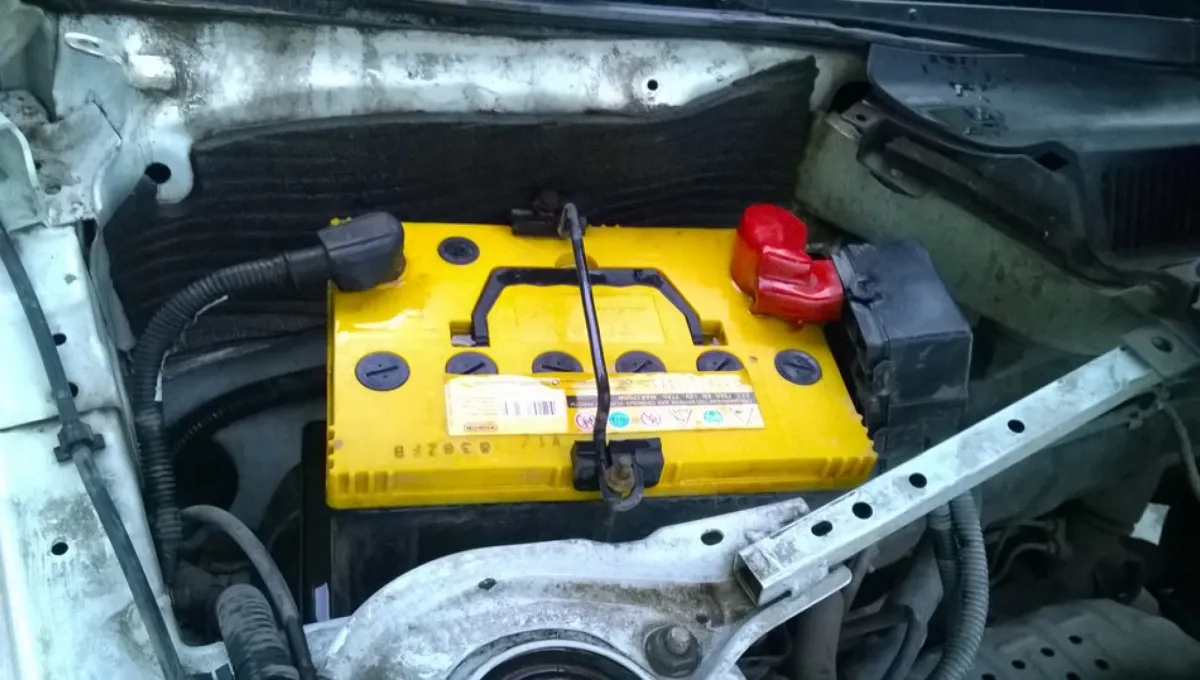
Car Won’t Start When Temperatures Drop? 4 Battery Checks Every Driver Should Make in October
A few simple battery checks in October can help prevent cold-weather starting problems when winter temperatures arrive.

How to Get Your Car Ready for Cold Weather: A Complete Fall Checklist
Falling temperatures, heavy rain, and shorter days make fall the ideal time to prepare your car for safer winter driving.
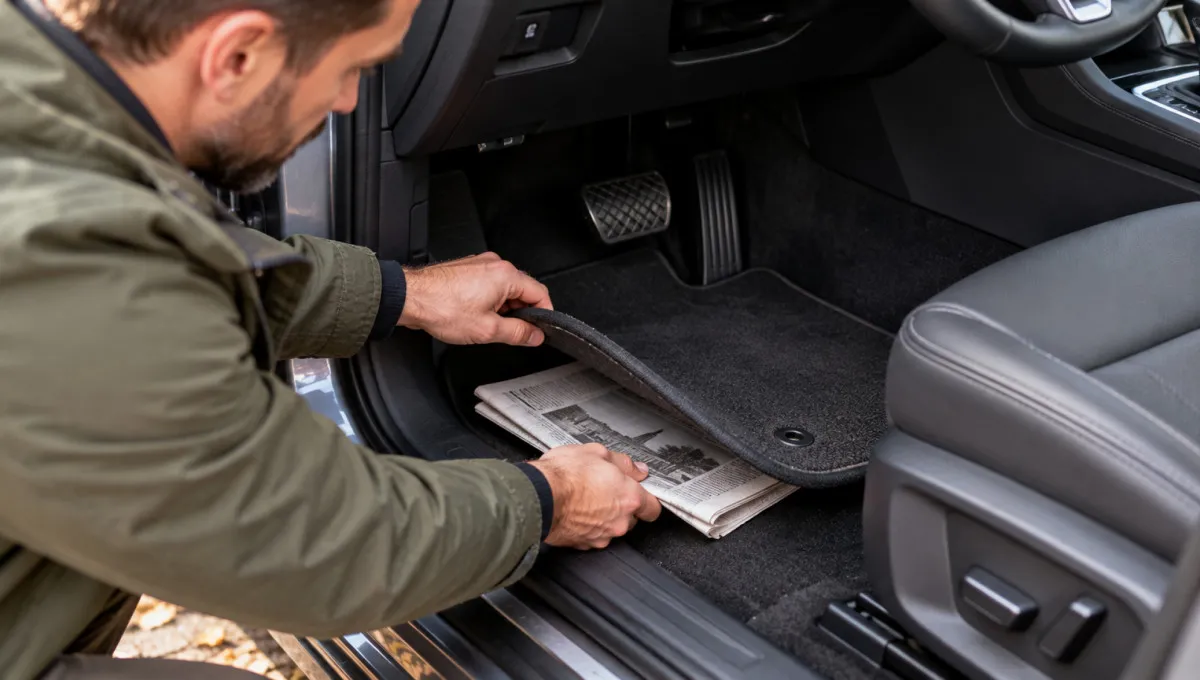
When the First Freeze Hits, Put Newspaper Under Your Floor Mat: An Old Winter Driving Trick
Newspaper under a floor mat can help protect a car's floor from winter moisture, but it requires regular attention.
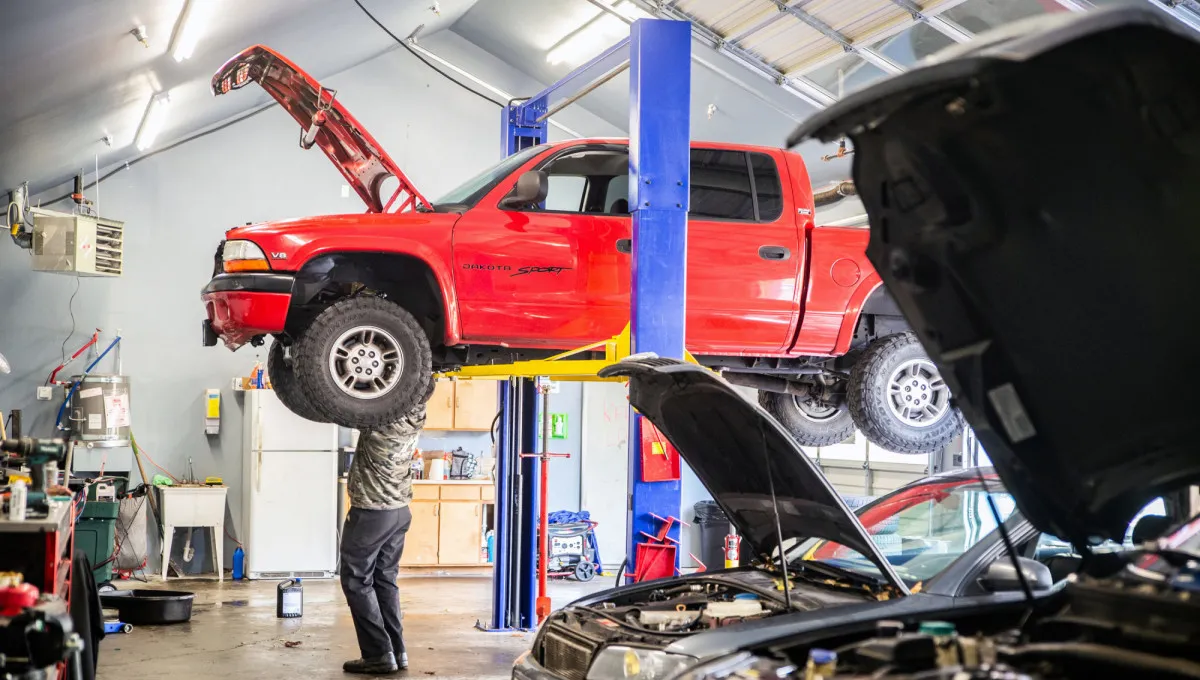
How a Repair Shop Can Overcharge You: What Every Driver Should Know
An experienced mechanic knows how to increase a repair bill, and drivers should know what to watch for before approving work.