
Common Driving Habits That Can Shorten Your Car’s Lifespan
Small everyday driving mistakes can quietly wear out major vehicle components faster, leading to costly repairs and reduced reliability over time.

Modern vehicles are built to last, but the way a car is driven and maintained plays a major role in how long it stays reliable. Many drivers unknowingly develop habits that put unnecessary strain on critical systems and components. Here are some of the most common mistakes that can slowly damage a vehicle.
Skipping or Delaying Scheduled Maintenance

Every automaker sets specific service intervals for oil changes, fluid replacements, and inspections. These schedules are carefully determined through extensive testing during vehicle development. Ignoring recommended maintenance means worn fluids and aging parts continue operating beyond their intended lifespan, increasing stress on connected systems throughout the car.
Over the past several years, maintenance intervals have become noticeably longer. While many vehicles once required service every 5,000 to 6,000 miles, modern cars often stretch those intervals to around 9,000 to 12,000 miles depending on the manufacturer and driving conditions.
Driving With Low Tire Pressure

Many drivers rarely check tire pressure, assuming it is a minor issue. In reality, tire inflation affects everything from fuel economy to handling and suspension wear.
Even a small drop in pressure — roughly 4 PSI below the recommended level — can noticeably increase fuel consumption. Underinflated tires also change how the suspension absorbs impacts, placing additional stress on suspension components, reducing steering precision, and increasing stopping distances.
Holding the Clutch at Stoplights

Drivers of manual-transmission vehicles often keep the car in gear while holding the clutch pedal down at traffic lights. Although common, this habit can significantly reduce the lifespan of the clutch release bearing.
When the clutch pedal is pressed, the release bearing engages and spins continuously against the clutch assembly. Like any moving component, it has a limited service life. Brief clutch use during shifting causes minimal wear, but holding the pedal down for extended periods accelerates deterioration. Replacing a worn release bearing is typically labor-intensive and expensive.
Frequently Driving on an Empty Tank

Running low on fuel too often can create problems beyond the inconvenience of filling up. Sediment and contaminants naturally settle at the bottom of the fuel tank over time. When fuel levels get extremely low, that debris is more likely to be drawn into the fuel system.
This can clog fuel filters, place extra strain on the fuel pump, and potentially affect fuel injectors and other components.
Driving Too Slowly

Many motorists associate fuel-efficient driving with moving as slowly as possible. In practice, efficient driving is more about smooth acceleration and shifting into higher gears at the proper time.
Driving excessively slowly can place unnecessary load on the engine, especially in lower gears. In city traffic, moving significantly slower than surrounding vehicles may also create safety risks and disrupt traffic flow.
You may also be interested in the news:
Tow Truck Driver Reveals a Hidden Car Feature That Could Save Your Life in an Emergency
A professional tow truck driver revealed a little-known feature that can help drivers move a disabled vehicle to safety.
The Household Staple That Helps Remove Bumper Stickers Without Damaging Your Car
Removing an old bumper sticker is easier with rubbing alcohol, which helps dissolve stubborn adhesive residue from your car.
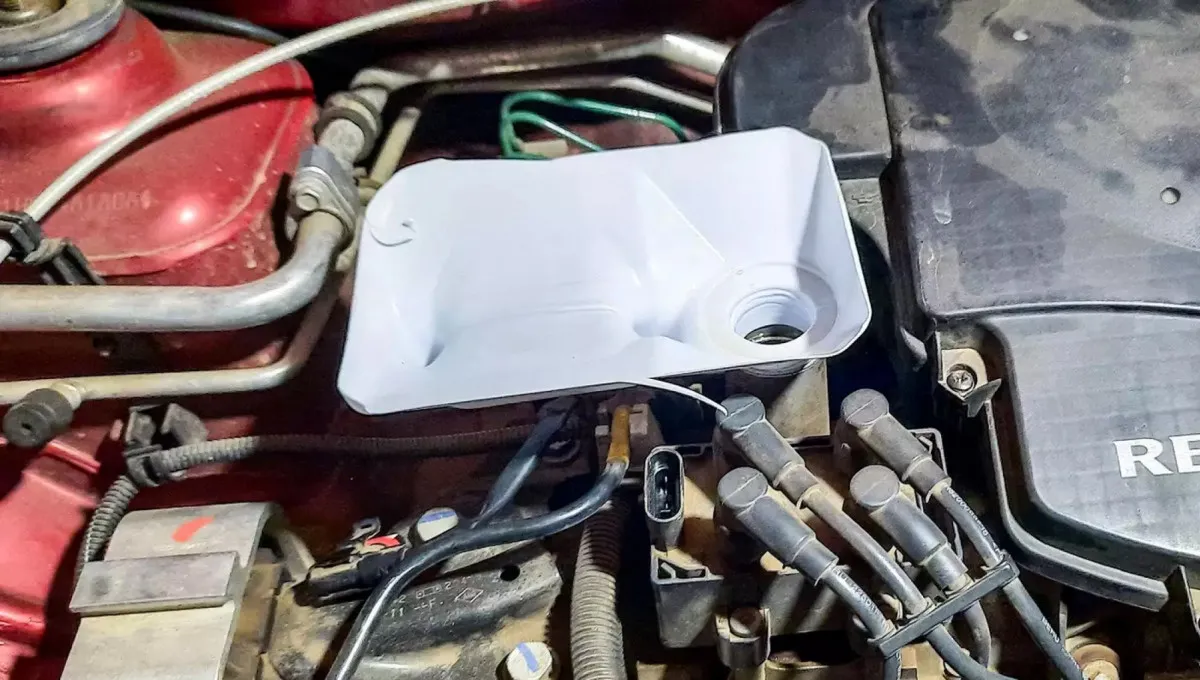
Useful for Many Drivers and Mechanics: This DIY Tool Makes Adding Engine Oil Much Easier
A simple homemade funnel helps drivers add engine oil cleanly, avoid spills, and reach hard-to-access filler openings.
Foggy Windows in Dry Weather: What Problem Could This Indicate?
Foggy car windows can signal anything from excess cabin moisture to a clogged air filter or a hidden coolant leak.
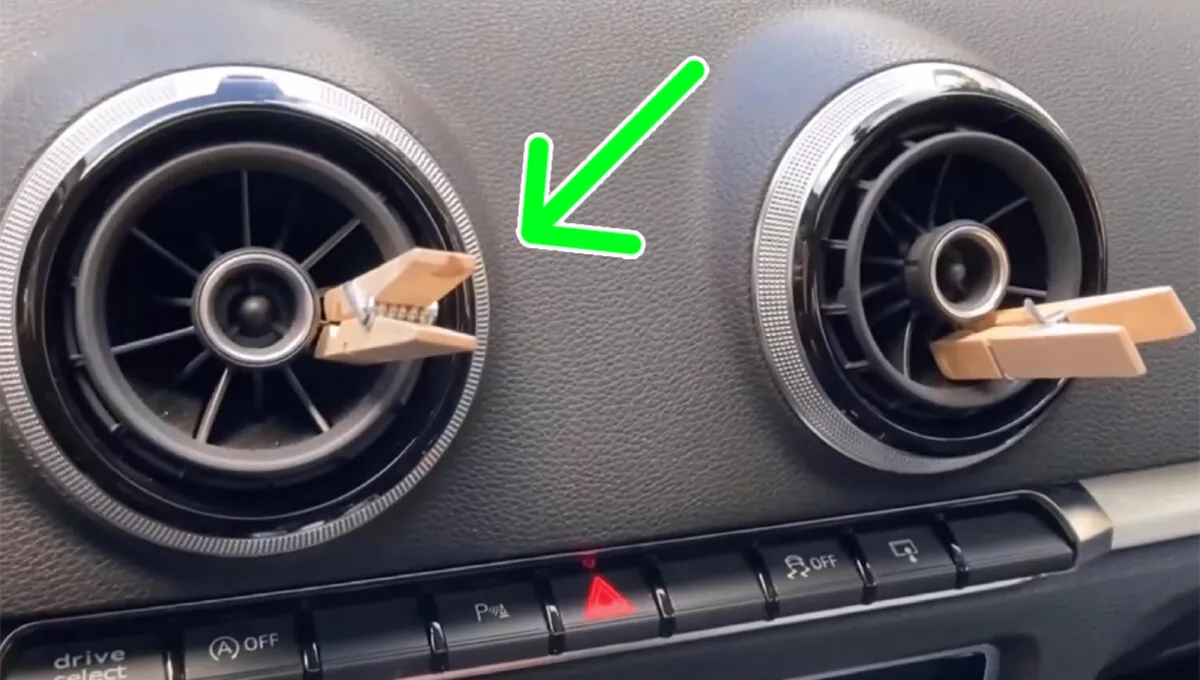
Why Experienced Drivers Keep a Simple Wooden Clothespin in Their Cars
A wooden clothespin clipped inside a car might look out of place, but some drivers use it for several surprisingly practical purposes.