
What to Check When Buying a Used Car: A Veteran Mechanic’s Top Tips
Shopping for a used vehicle requires careful attention to details many buyers often overlook.
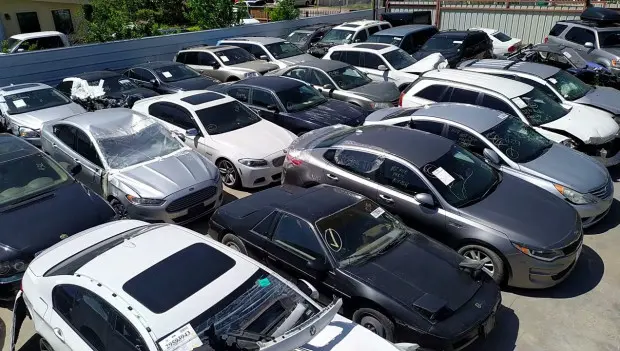
The cost of new vehicles continues to climb, pushing more Americans toward the used-car market. While buying pre-owned can save a substantial amount of money, finding a good vehicle requires more than a quick walkaround and a short conversation with the seller. Experienced mechanics recommend paying close attention to several key areas before making a purchase.
Start With the Body
The body is one of the most expensive parts of any vehicle to repair, making it the first thing you should inspect.
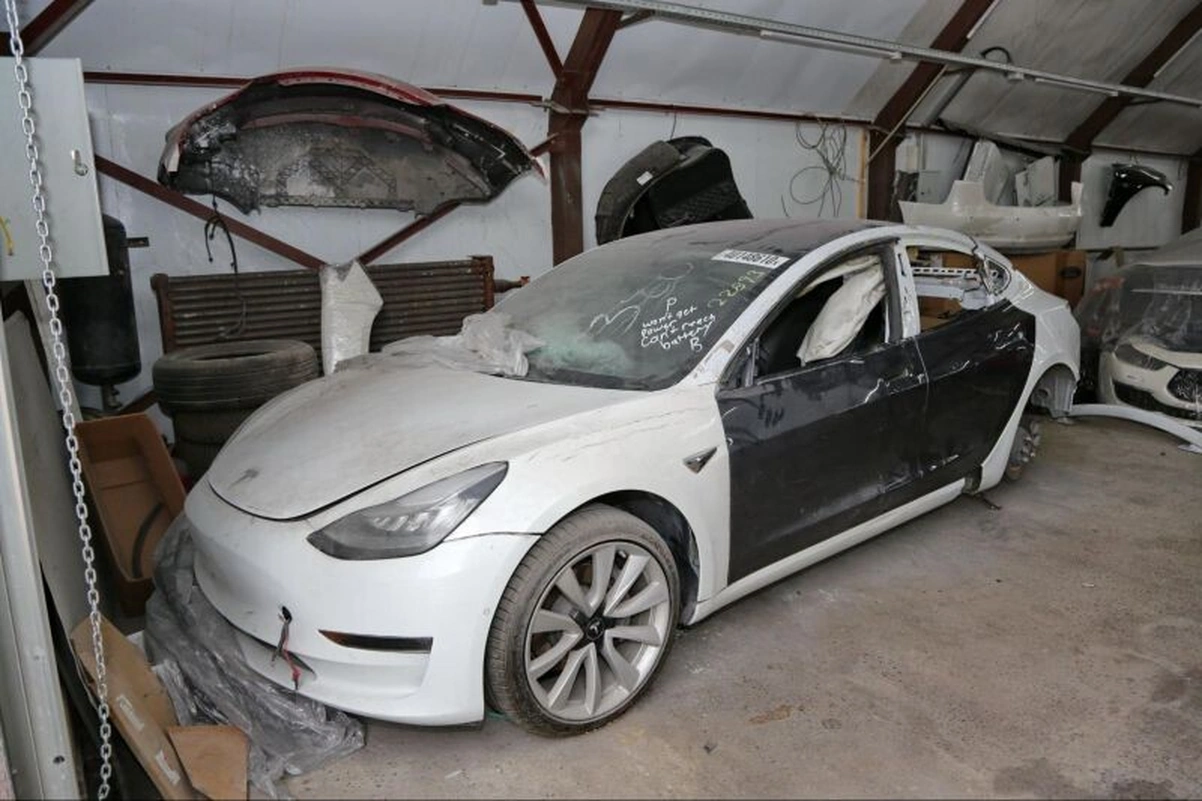
Ideally, you're looking for a car that hasn't been involved in a major accident and whose structural integrity remains intact. Uneven gaps between body panels, differences in paint color from one panel to another, or a hood and bumper that appear suspiciously newer than the rest of the vehicle can all be warning signs.
A normal vehicle accumulates small chips and scratches over time. If the front end looks flawless while the rest of the car shows age, further investigation is warranted.
Tires can also reveal hidden problems. Uneven tread wear may indicate suspension issues or, in some cases, damage that affected the vehicle's alignment or body structure.
One of the most useful tools during an inspection is a paint thickness gauge. It measures the thickness of the paint and clear coat, helping identify repaired or repainted panels. If one door shows significantly different readings than the one opposite it, that's often evidence of previous bodywork.
Inspect the Engine and Transmission
Once you've checked the exterior, it's time to open the hood.
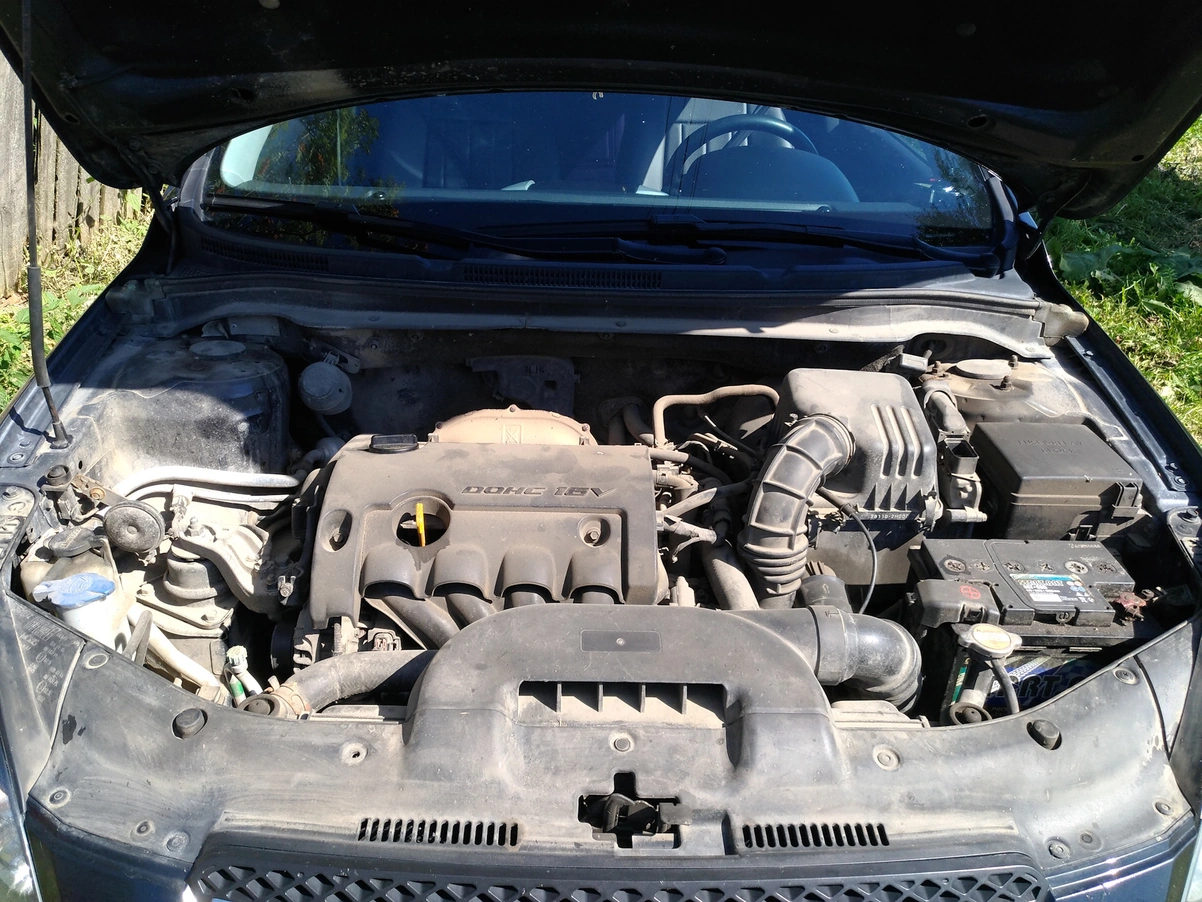
A healthy engine should generally have a light, even layer of dust rather than fresh oil residue or obvious leaks. Inspect fluid levels, including engine oil, brake fluid, power steering fluid, and coolant where applicable.
Next, start the engine. It should idle smoothly without unusual noises, rattles, or vibrations. Excessive exhaust smoke is another red flag. In most cases, visible smoke indicates mechanical issues that could lead to expensive repairs down the road.
The transmission deserves equal attention. Whether automatic or manual, gear changes should feel smooth and predictable.
Look Closely at the Interior
The odometer doesn't always tell the full story. Sometimes the interior reveals more about a vehicle's true usage than the mileage reading itself.
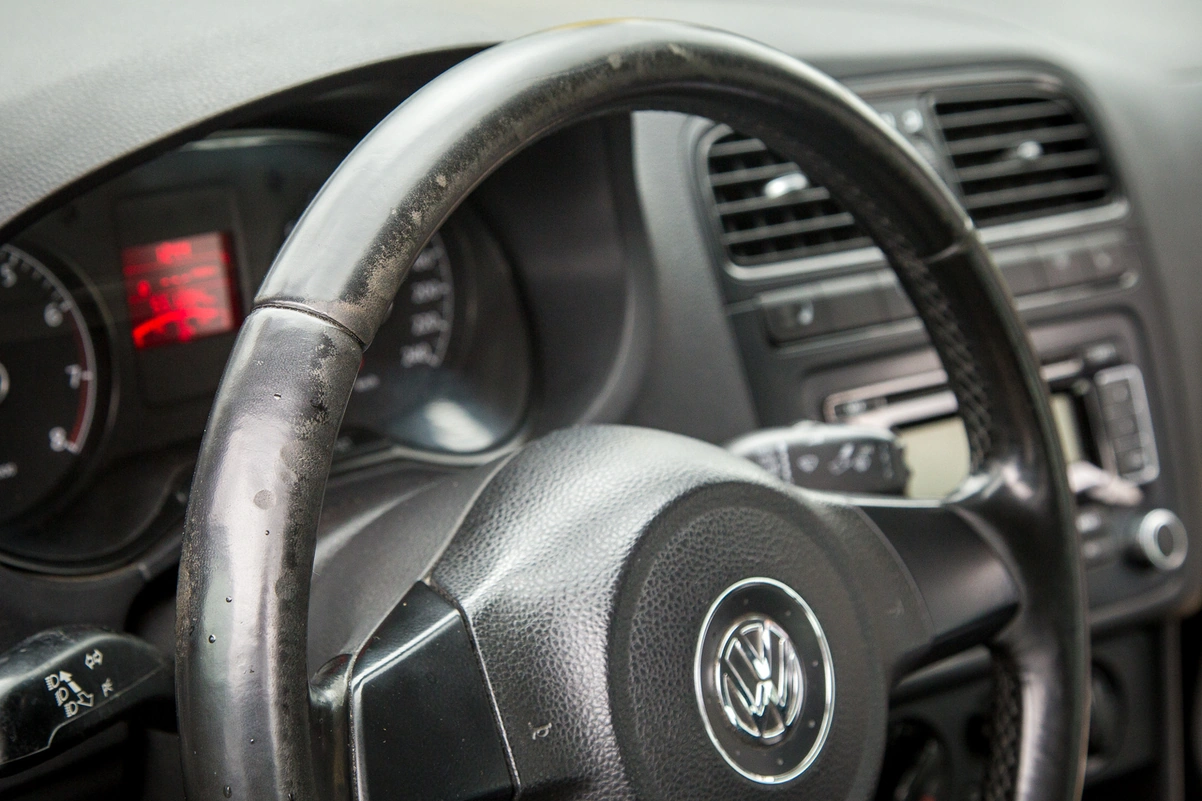
Pay special attention to the driver's seat, steering wheel, and pedals. These are the surfaces that receive the most wear over time. A heavily worn steering wheel, damaged seat bolsters, or excessively polished pedals may suggest the vehicle has seen harder use than advertised.
While inside, test every major feature you can think of. Make sure the air conditioning works properly, check the audio system, and operate all power windows and switches. Small issues can quickly add up after purchase.
Take It for a Test Drive
No inspection is complete without driving the vehicle.
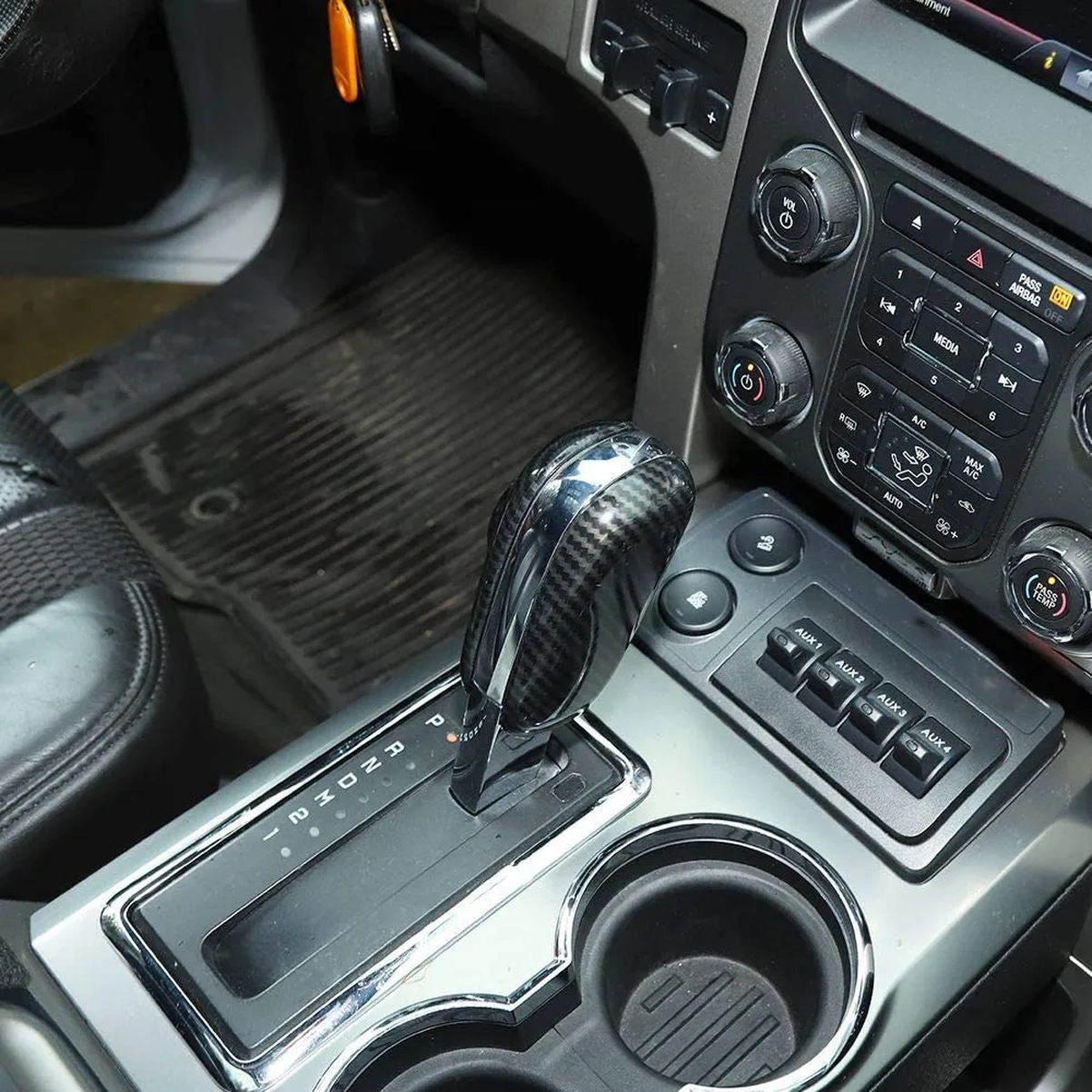
During the test drive, pay close attention to the suspension, engine, and transmission. The suspension should absorb bumps smoothly without clunks or rattles. Automatic transmissions should shift without jerks or hesitation, while manual transmissions should engage gears cleanly without grinding.
Listen carefully for noises that may not be noticeable while the vehicle is parked. Sometimes problems only appear under load or at highway speeds.
Get a Professional Inspection
Even if everything appears perfect, don't assume the vehicle is problem-free.
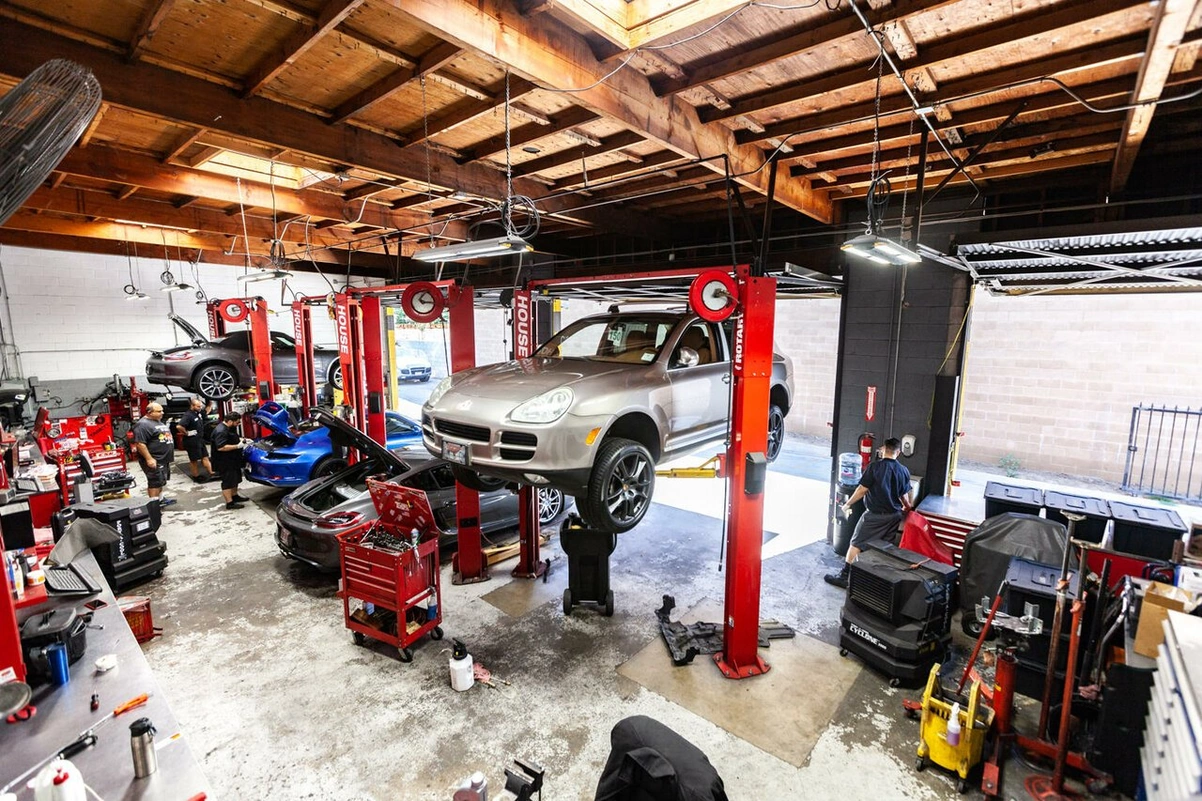
Some defects are easy to hide, while others may not have surfaced yet. That's why experienced buyers almost always recommend a pre-purchase inspection at an independent repair shop.
Just as importantly, choose the shop yourself. Avoid inspection facilities recommended solely by the seller, as prior relationships could create conflicts of interest.
A professional mechanic can spot issues that even experienced shoppers might miss, potentially saving you thousands of dollars and a lot of frustation later. When it comes to used cars, a second opinion is almost always money well spent.
You may also be interested in the news:
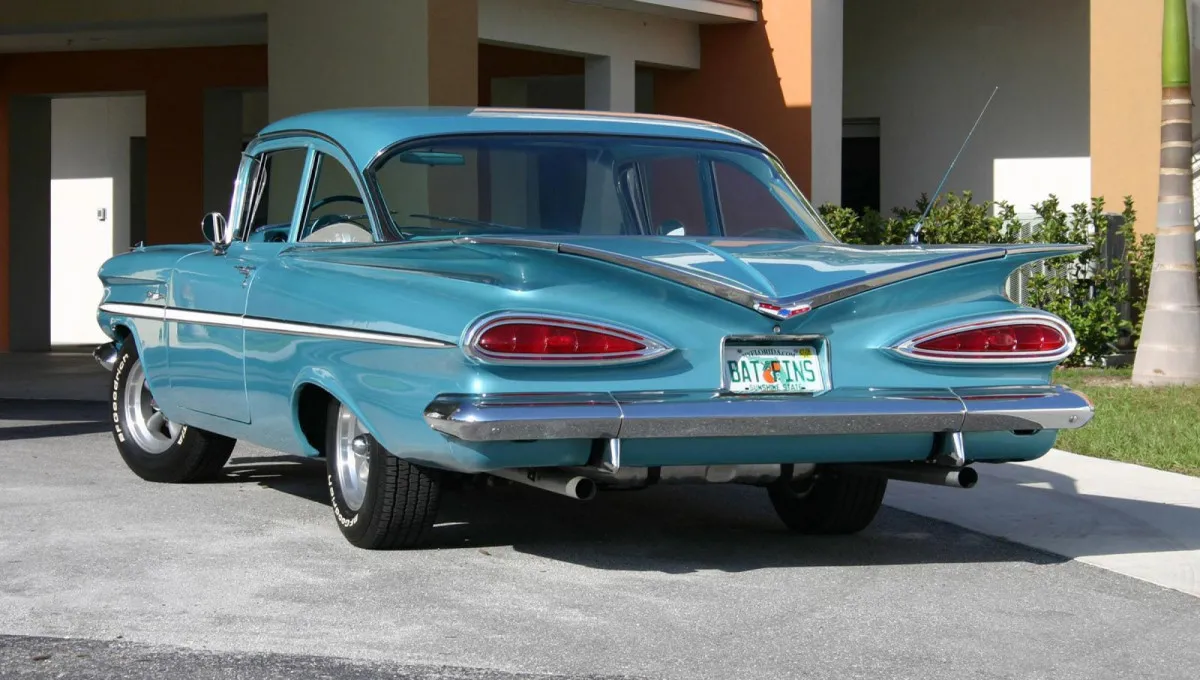
Elegance for Everyone: How Chevrolet Made Its 1960 Cars Stand Out
Chevrolet toned down its extravagant 1959 styling for 1960, bringing a more refined look to its affordable full-size cars.

Invisible Cows and a 17.3 MPH Speed Limit? 4 of America's Strangest Road Signs
From invisible cows to alien highways, these unusual American road signs turn ordinary drives into unforgettable roadside surprises.
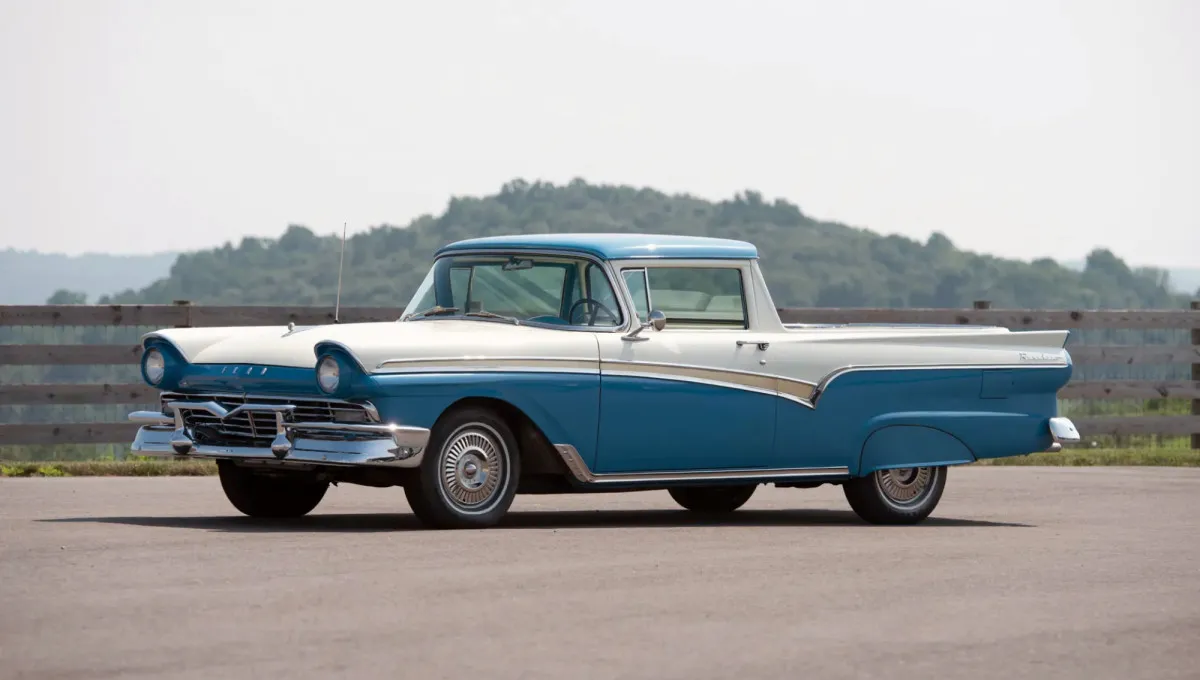
More Than a Car! More Than a Truck! The 1957 Ford Ranchero
The 1957 Ford Ranchero launched a new kind of American vehicle, blending passenger-car styling with pickup-truck utility years before the segment took off.
Tow Truck Driver Reveals a Hidden Car Feature That Could Save Your Life in an Emergency
A professional tow truck driver revealed a little-known feature that can help drivers move a disabled vehicle to safety.
The Household Staple That Helps Remove Bumper Stickers Without Damaging Your Car
Removing an old bumper sticker is easier with rubbing alcohol, which helps dissolve stubborn adhesive residue from your car.