
Can This 1969 Dodge Charger Still Be Saved, or Is It Finally Ready for the Scrap Yard?
A severely deteriorated 1969 Dodge Charger is testing whether any collector still believes it's worth rescuing today.
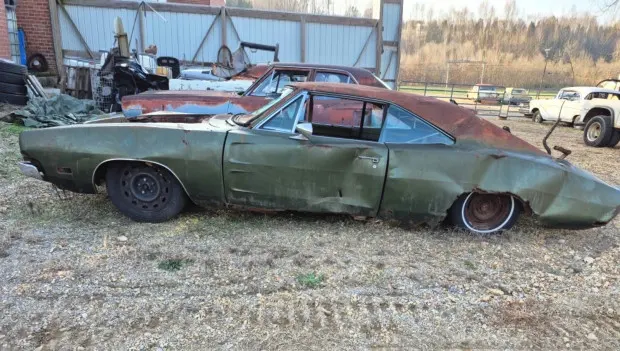
The future of this 1969 Dodge Charger comes down to one simple question: can someone save it, or has it already reached the end of the road?
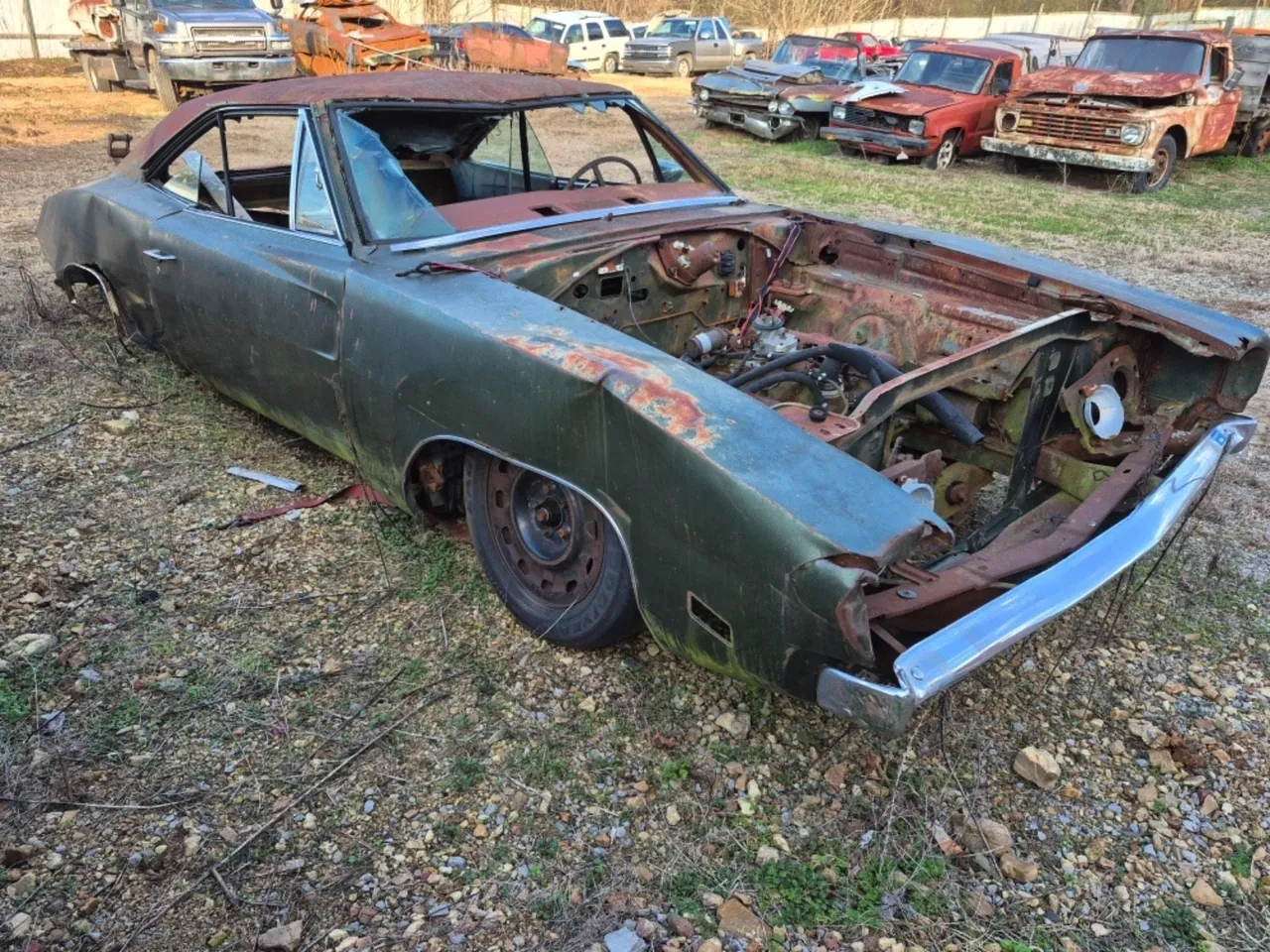
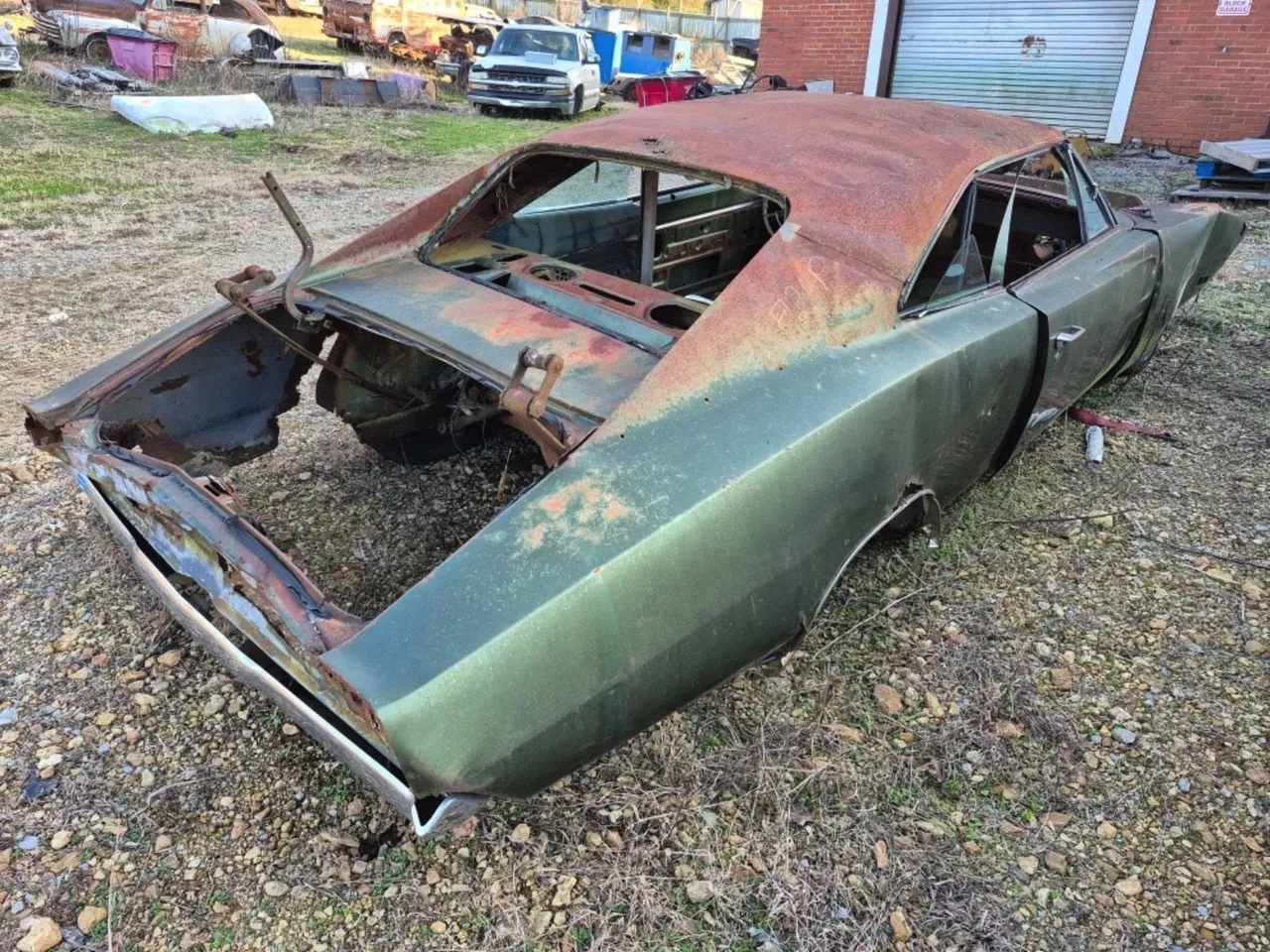
Judging by its condition, the answer isn't obvious. The classic Mopar has spent years sitting outdoors, and time has not been kind. Missing components, extensive corrosion, and obvious body damage suggest this Charger has already served as a parts donor before landing on the auction block.
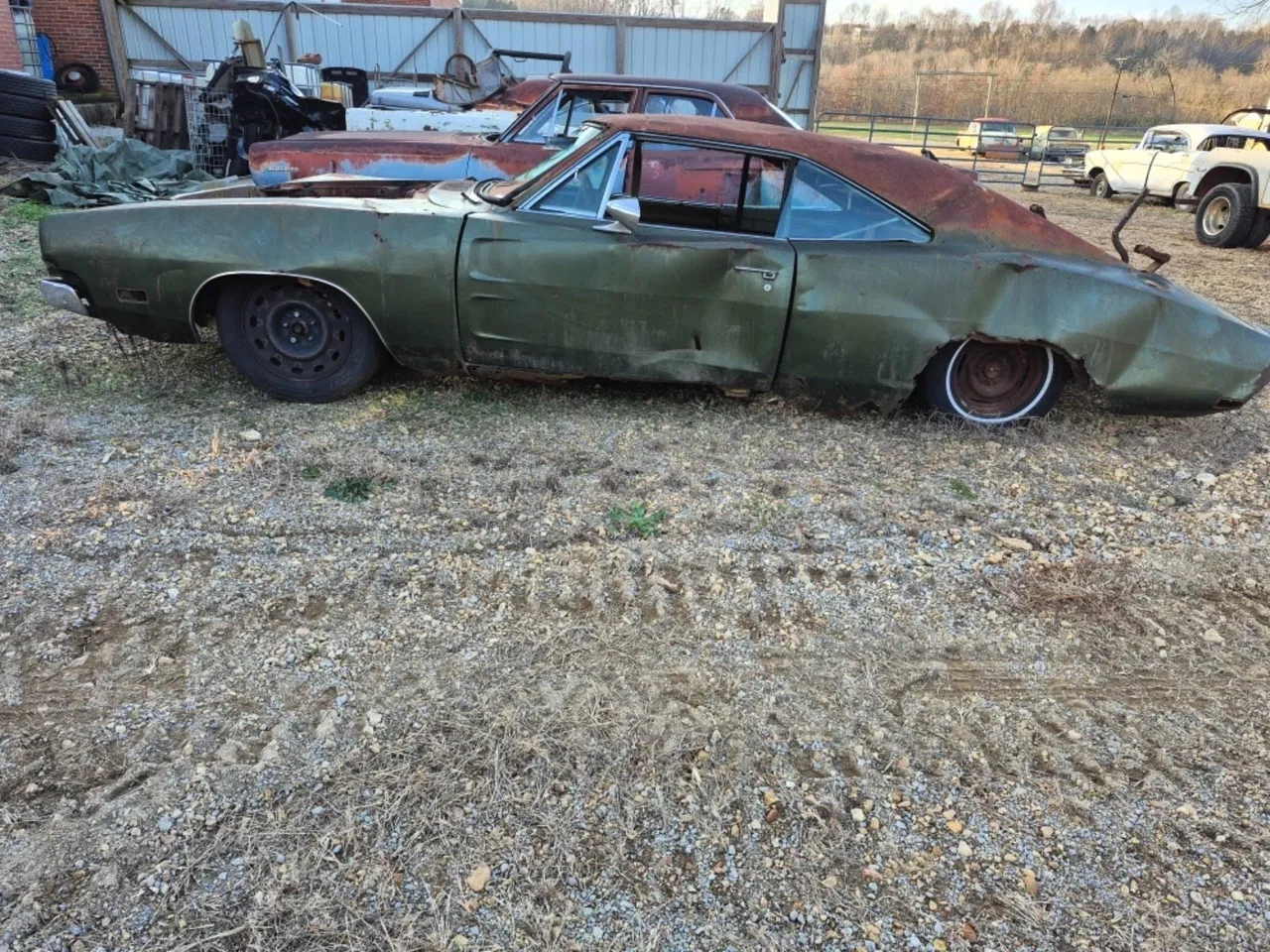
Photos show the car resting in what appears to be a salvage yard surrounded by other forgotten classics. What's left is exactly what buyers see in the listing—nothing more. Any missing parts have already disappeared over the years.
The auction opens with a modest $499 starting bid, making it clear the seller wants the car gone. While the listing includes a reserve price, it likely isn't set dramatically higher than the opening bid.
When the 1969 Charger was new, Dodge offered several versions, including the standard model, the upscale SE, and the high-performance R/T. Buyers could even order a six-cylinder engine, although very few did. Only around 500 six-cylinder Chargers left the factory, making them one of the rarest configurations.
Performance enthusiasts typically gravitated toward the R/T. It came standard with the legendary 440-cubic-inch V8 producing 375 horsepower, while those willing to spend more could opt for the iconic 426 Hemi rated at 425 horsepower.
The Hemi remains one of the rarest factory options for the 1969 Charger. Only about 400 buyers selected it, and fewer than half paired the engine with the desirable four-speed manual transmission.
The SE trim focused more on comfort and appearance than outright performance. Dodge equipped it with genuine leather seating surfaces, simulated woodgrain interior trim, a sport steering wheel, hood-mounted turn signal indicators, and the Convenience Light Package to create a more upscale driving experience.
For most V8 buyers, however, the sweet spot was the optional 383-cubic-inch engine. Available with either a two-barrel or four-barrel carburetor, it delivered between 290 and 330 horsepower while remaining considerably more affordable than the Hemi-powered models.
Those factory specifications make almost any 1969 Charger an attractive restoration candidate. Unfortunately, this particular example presents challenges that go far beyond a typical project.
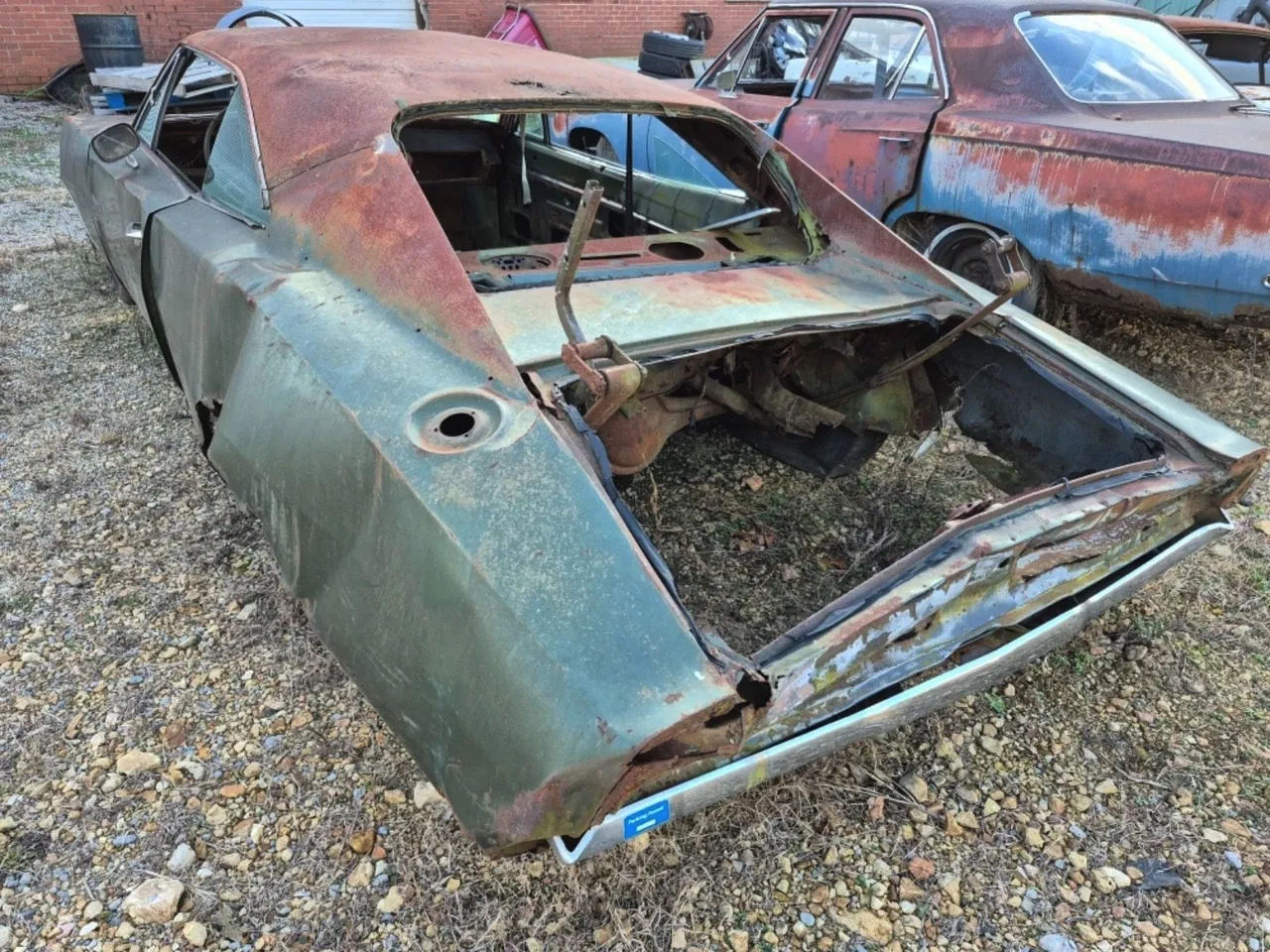
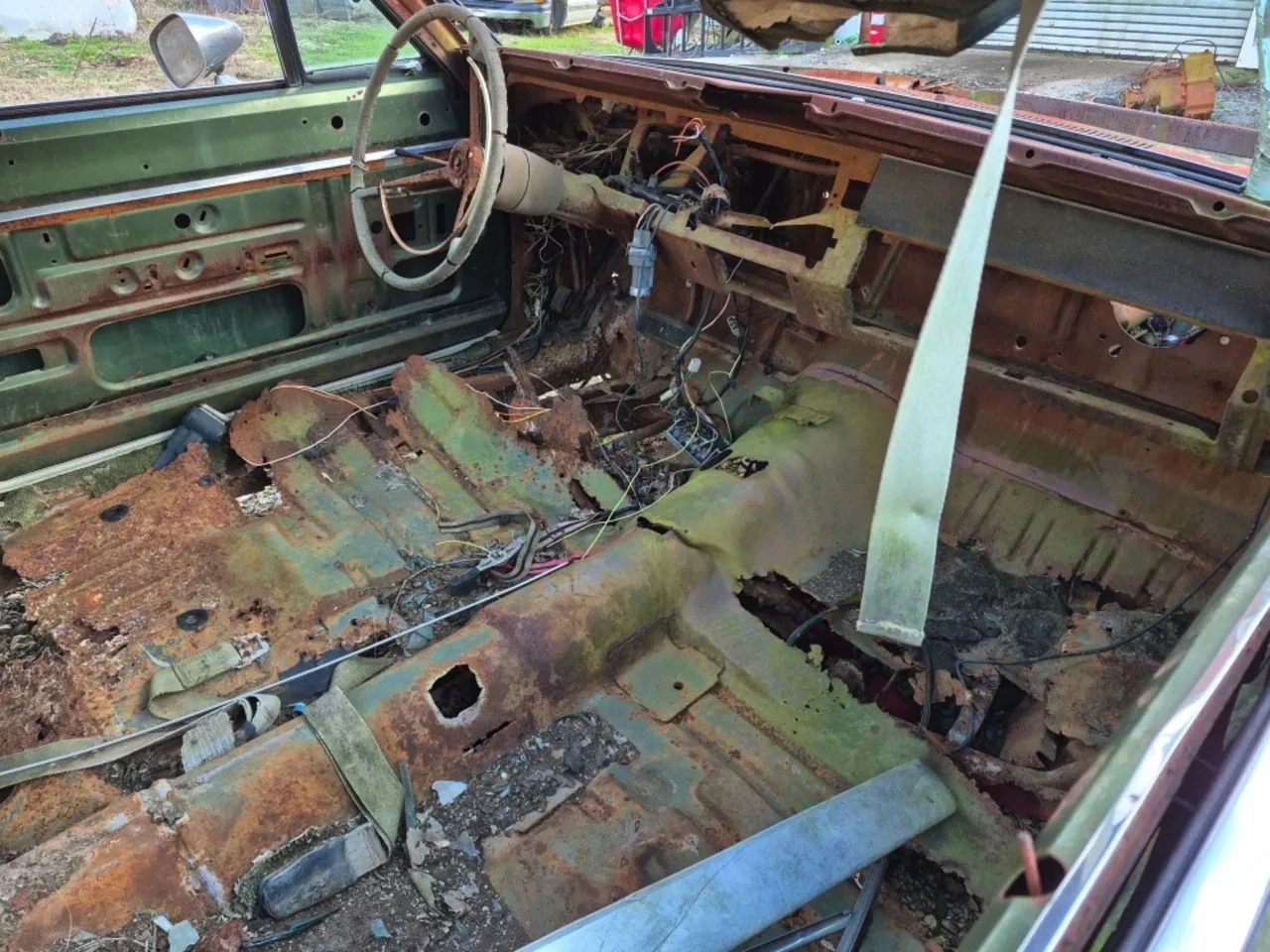
A closer look reveals extensive rust throughout the body, numerous missing components, dents, and years of neglect. The Charger appears to have spent a long time exposed to the elements, accelerating the deterioration of both the sheet metal and remaining mechanical parts.
The seller doesn't try to hide the reality. According to the listing, the vehicle requires a complete restoration or could simply serve as a donor shell for another Charger project. The photographs leave little room for debate.
The VIN identifies the car as an original Charger SE equipped from the factory with the base 318-cubic-inch V8 and a two-barrel carburetor. Whether any of its original drivetrain survives is another question entirely.
Finding a buyer may prove difficult despite the low opening bid. While the clean title and original VIN add some value, bringing this Charger back to life would require an enormous investment of time, money, and replacement parts.
The reserve price remains undisclosed, leaving bidders to decide how much they're willing to gamble on a car in such poor condition. If the bidding doesn't climb high enough, this Charger could easily remain exactly where it sits.
Collectors who follow surviving 1969 Chargers may want to note its VIN—X929F9G153877—as there is a real possibility this car never returns to the road.
The Charger is currently located in Scottsville, Kentucky. It no longer has wheels, so transporting it will require a trailer, and the seller says a forklift is available to assist with loading.
You may also be interested in the news:
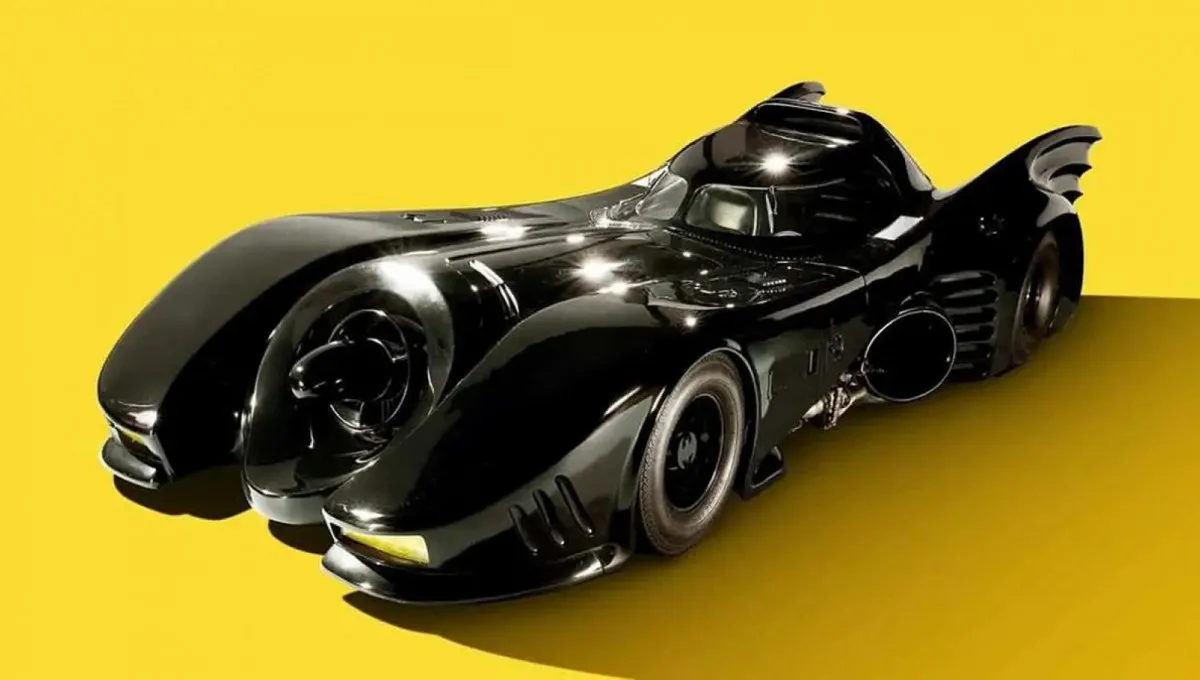
The Original Batmobile From Batman Returns Could Sell for $7 Million
The original 1992 Batmobile from Batman Returns is heading to a Los Angeles auction with a $7 million estimate.

Watch Your Fingers: Cadillac Recalls Nearly 30,000 New Optiq EVs Over Power Window Problem
General Motors is recalling 29,347 new Cadillac Optiq electric crossovers because of a potentially dangerous power-window malfunction.
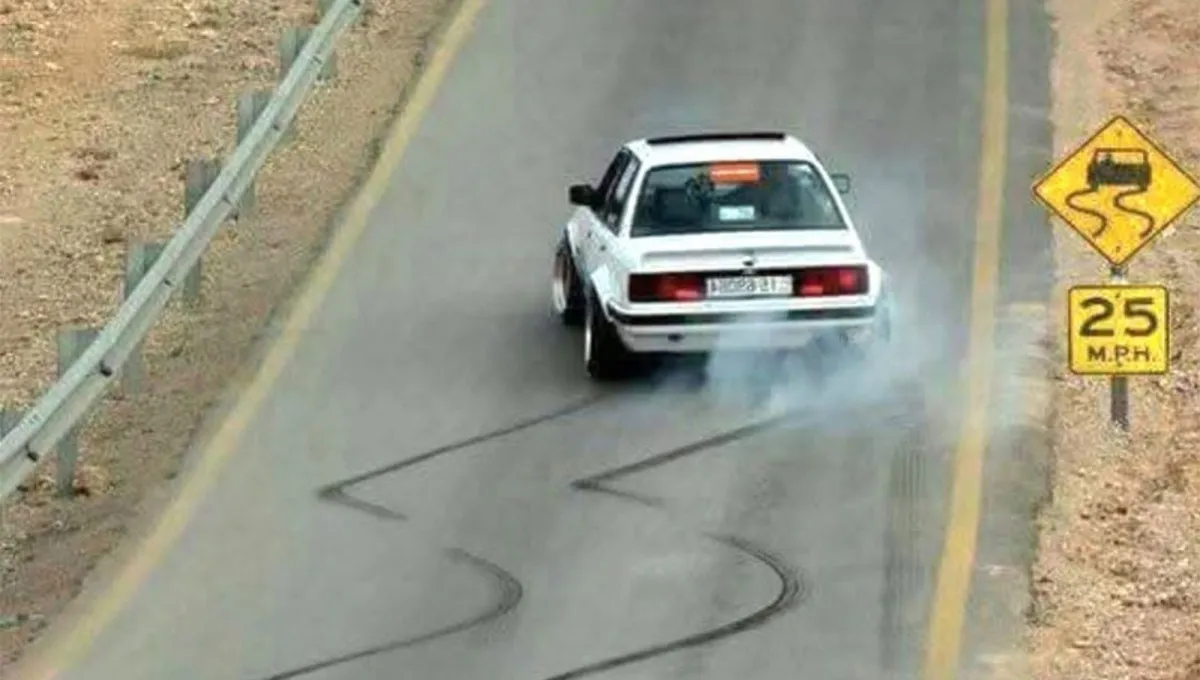
The 10-Step Guide to Driving a Car When Absolutely Everything Goes Wrong
Driving an unfamiliar car through an unfamiliar city is easy when absolutely nothing makes sense.
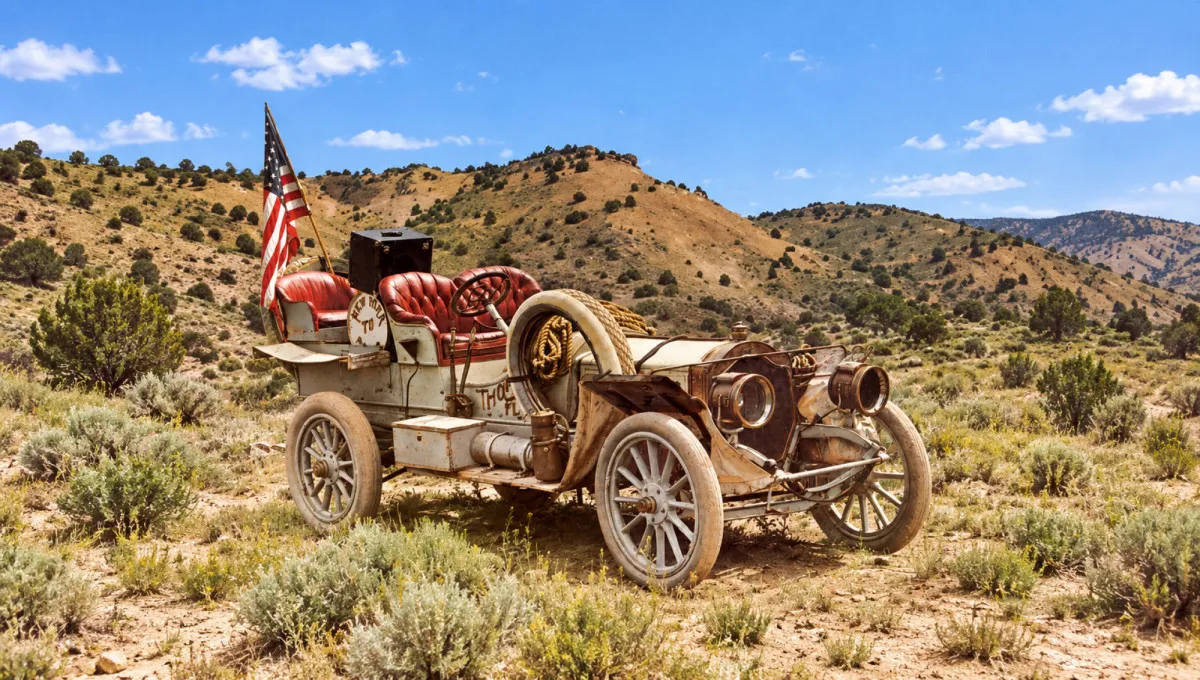
No Roads, No Map, No Car: The $50 Bet That Sent a Doctor Across America
In 1903, one doctor bet $50 he could drive from San Francisco to New York.